Miso-Honey Teriyaki Salmon
Sticky, glazed and weeknight-fast
Contents
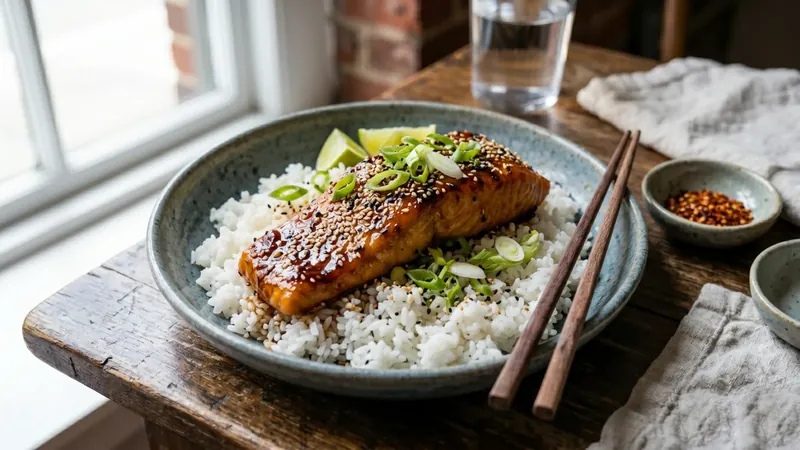
↓ Jump to recipeThe glaze is the whole point, and this one comes together while the salmon cooks: a spoonful of white miso stirred into the usual soy, mirin and honey, so the sauce reduces to a savoury, faintly caramel lacquer rather than the flat sweetness a jar teriyaki gives you. Fifteen minutes, one non-stick pan, storecupboard bottles. Get the skin crisp first, add the glaze last, and you have a fillet that looks like a restaurant plate and tastes deeper than the effort suggests.
I make this on the nights I want something that feels considered without actually being any work. The salmon does most of it on its own; you just have to resist the urge to move it about the pan and to add the sugary glaze too early, which is where most weeknight teriyaki goes wrong.
Miso-Honey Teriyaki Salmon
Ingredients
- 4 salmon fillets, skin on (about 130g each)
- 2 tbsp white miso paste
- 2 tbsp honey
- 3 tbsp soy sauce
- 2 tbsp mirin
- 1 tbsp rice vinegar
- 1 tsp grated fresh ginger
- 1 garlic clove, crushed
- 1 tbsp vegetable oil
- 1 tsp sesame seeds
- 2 spring onions, finely sliced
- Steamed rice and greens, to serve
Method
- Whisk together the miso, honey, soy sauce, mirin, rice vinegar, ginger and garlic until smooth.
- Pat the salmon fillets dry with kitchen paper; this helps them colour rather than steam.
- Heat the oil in a non-stick frying pan over medium-high heat.
- Lay the salmon skin-side down and cook for 4-5 minutes until the skin is crisp and golden.
- Turn the fillets and cook the flesh side for 2 minutes.
- Pour the glaze into the pan and let it bubble around the fish, spooning it over the fillets as it thickens.
- Cook for a further 2-3 minutes, basting often, until the glaze is sticky and the salmon is just cooked through.
- Lift the salmon out and reduce any remaining glaze for another minute until syrupy.
- Spoon the glaze over the fish, then scatter with sesame seeds and spring onions.
- Serve with steamed rice and greens, with extra glaze drizzled over.
The Story
Teriyaki is one of Japan’s best-known cooking styles, and the name itself describes the method rather than a fixed recipe. Teri refers to the lustrous shine of the finished glaze, while yaki means grilled or pan-fried. Put together, it describes food cooked with a glossy sauce traditionally built from soy sauce, mirin and sake, simmered until it lacquers whatever it coats. The technique works beautifully with chicken, beef and, as here, oily fish.
Salmon is an especially good match. Its richness stands up to the salty-sweet glaze, and its skin crisps wonderfully when started in a hot pan, giving a contrast of textures against the soft flesh. Cooking the fish first and adding the glaze towards the end prevents the sugars from scorching, which they would do if left too long over high heat. A little patience with the basting is what produces that mirror-like sheen.
The twist is the addition of white miso, the gentle, slightly sweet fermented soya bean paste known as shiro miso. Miso and salmon are natural companions in Japanese cooking; the famous misoyaki and saikyo-yaki preparations cure fish in sweetened miso before grilling. Stirring a couple of spoonfuls into the glaze borrows that affinity, lending a rounded, savoury depth and a whisper of umami that plain teriyaki lacks. White miso is the mildest variety, so it enriches without overpowering the fish.
Honey plays a supporting role alongside the mirin, the sweet rice wine that gives teriyaki its traditional gloss. It helps the sauce cling and caramelise into that sought-after stickiness, and balances the saltiness of the soy and miso. If you prefer, a soft brown sugar does a similar job. A splash of rice vinegar at the end keeps everything from turning cloying, adding a gentle brightness that makes the glaze taste more alive.
Getting the skin crisp, and the glaze right
Two things decide whether this dish works, and both are about timing. The first is the skin. Pat the fillets properly dry with kitchen paper before they touch the pan, because surface moisture turns to steam and steam is the enemy of crisp skin: the fish poaches in its own damp instead of browning. A hot pan and a genuinely dry fillet, skin-side down and left undisturbed for the full four to five minutes, gives you a lacquered, crackly skin that presses flat against the base. If it curls, a fish slice held gently on the fillet for the first thirty seconds keeps it in contact with the heat.
The second is when the glaze goes in. Miso, honey and mirin are all sugary, and sugars burn fast over the high heat you need for the skin. Cook the salmon almost through first, then pour the glaze in and let the pan’s residual heat do the reducing. It will bubble, foam and thicken in two or three minutes; keep spooning it over the fillets so they take on that glossy coat evenly. If the glaze looks like it is catching before the salmon is done, pull the pan off the heat for a moment and lower the temperature. Better a slightly slower reduction than a bitter, scorched sauce.
Salmon is a natural for this treatment. Its oiliness stands up to the salty-sweet glaze where a lean white fish would be overwhelmed, and there is real precedent behind the miso: the classic saikyo-yaki of Kyoto cures fish for a day or two in sweetened white miso before grilling, and misozuke preparations do much the same. Stirring shiro miso straight into the glaze is a fast shortcut to that same rounded, umami-rich depth without the marinating time.
A note on the ingredients
Teriyaki, in Japanese, describes a method rather than a set recipe: teri is the shine of the finished glaze, yaki means grilled or pan-fried. The traditional sauce is soy, mirin and sake reduced together, and you can build it around chicken, beef, tofu or oily fish. White miso, properly shiro miso, is the mildest and sweetest of the fermented soya bean pastes, aged only a few weeks, so it enriches without shouting. Mirin is the sweet rice cooking wine that gives teriyaki its traditional gloss; the honey here reinforces that and helps the sauce cling. A splash of rice vinegar right at the end keeps the whole thing from tipping into cloying, adding a brightness that makes the glaze taste alive rather than merely sweet.
Swaps, storage and serving
No mirin? Use one tablespoon of dry sherry plus an extra teaspoon of honey. No white miso? A little more soy and a pinch of brown sugar approximates the savoury-sweet balance, though you lose the fermented depth. The glaze itself works just as happily on chicken thighs (cook them through first, then glaze) or on firm tofu for a vegetarian version — swap the soy for a good tamari and it stays gluten-free.
Leftover glaze keeps in a jar in the fridge for up to five days and is excellent brushed over roast vegetables or stirred into noodles. Cooked salmon is best eaten straight away while the skin is crisp, but any leftovers flake beautifully cold into rice bowls the next day.
If you want to prepare ahead, mix the glaze up to two days in advance and keep it covered in the fridge; it thickens slightly as it sits, so loosen it with a teaspoon of water before it goes into the pan. You can also cook the salmon under a hot grill rather than in a pan: grill the fillets skin-side up for four minutes, turn, brush generously with the glaze and grill for another three to four minutes, watching closely so the sugars do not catch under the direct heat. A quick blast under the grill at the end of pan-cooking gives an even glossier, bubbling finish if you like a little more colour.
A few variations are worth knowing. A teaspoon of grated fresh ginger stirred into the finished glaze lifts it with a clean heat; a pinch of chilli flakes or a squeeze of sriracha turns it gently spicy. Swap the honey for maple syrup for a slightly smokier sweetness, or use a dark miso in place of white for a bolder, saltier depth — reduce the soy a touch if you do, since dark miso is more assertive. Salmon is the classic here, but the same glaze suits mackerel fillets, chicken thighs or thick slabs of tofu equally well.
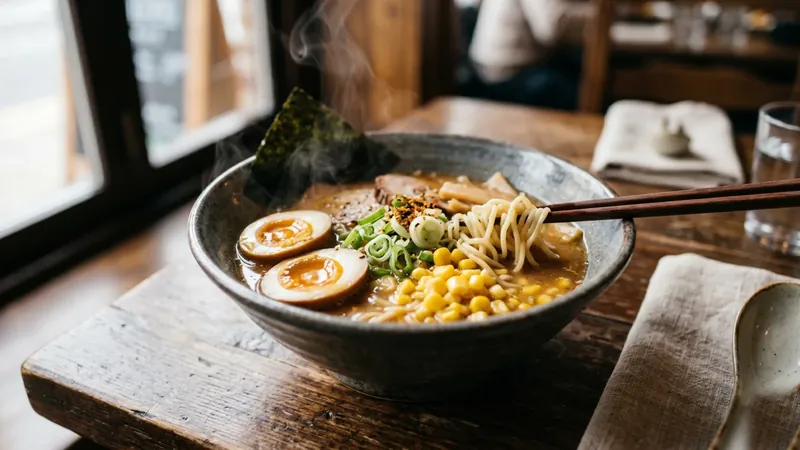
Serve it simply, over steamed rice with greens or stir-fried pak choi, and keep a little extra glaze back for the table. A scatter of toasted sesame seeds and sliced spring onion adds a nutty crunch and a fresh, oniony bite against the rich fish. If you like the miso angle, it turns up again in my miso banana bread and in a bowl of miso ramen; for another sticky, sweet-savoury glaze made with a store-cupboard sweetener, the hot honey fried chicken plays a very similar game.
Related Content