Tequeños: The Cheese Stick of Caracas
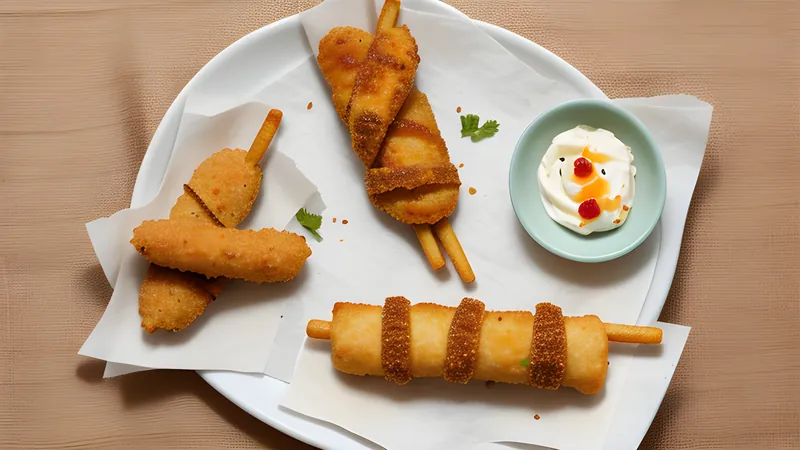
Fried dough batons wrapped tight around salty white cheese
Contents
↓ Jump to recipeEvery Venezuelan party has a tray of tequeños on it before anything else arrives, and by the time the rest of the food is out, the tray is usually already empty. They’re the first thing set down and the first thing gone, which tells you everything about how central they are to how Venezuelans actually eat together — the food equivalent of the first round bought at a bar, gone before the rest of the evening properly starts.
The dough matters more here than the cheese, which surprises people expecting the filling to carry the dish. A tequeño’s dough is closer to a light, slightly sweet bread dough than a pastry — enriched with egg and butter, given a touch of sugar to brown properly in the fryer, and rolled thin enough to crisp without going brittle. Get the dough wrong and you end up with something closer to a corn dog than a tequeño; get it right and the exterior shatters slightly on the first bite before giving way to cheese that’s just started to soften from the fryer’s heat.
Tequeños: The Cheese Stick of Caracas
Ingredients
- 500g plain flour, plus extra for rolling
- 1 teaspoon fine salt
- 2 tablespoons sugar
- 1 large egg
- 60g unsalted butter, softened
- 180-200ml whole milk, lukewarm
- 500g queso blanco duro or firm halloumi, cut into 8cm x 1cm batons
- 1 litre neutral oil (sunflower or vegetable), for frying
Method
- Whisk the flour, salt and sugar together in a large bowl.
- Rub the butter into the flour with your fingertips until no visible lumps remain.
- Make a well, add the egg and 180ml of the milk, and bring the dough together with a fork, then your hands, adding more milk a tablespoon at a time only if it won't come together.
- Knead on a floured surface for 5 minutes until smooth and elastic. Cover and rest for 20 minutes at room temperature.
- Divide the dough into four pieces. Roll each piece into a rectangle about 2mm thick and cut into strips roughly 3cm wide and 20cm long.
- Place a cheese baton at one end of a strip. Roll it up at a slight diagonal, overlapping the dough as you go, so the cheese is fully encased with no gaps.
- Press the final seam firmly to seal — this is the step that stops leaks in the fryer.
- Heat the oil in a deep, heavy pan to 170°C. Fry the tequeños in batches of 5-6, turning occasionally, for 4-5 minutes until deep golden all over.
- Lift out with a slotted spoon onto a wire rack (not paper towel, which steams the underside soft) and let rest for 2 minutes before eating.
Where they came from
The most-repeated origin story places tequeños in Táchira state, in Venezuela’s Andean west, near a town called Los Teques — hence the name, more or less, though etymologists will tell you the connection isn’t fully settled. What’s not disputed is that tequeños moved from a regional specialty to a nationwide staple over the course of the twentieth century, carried by Venezuelan migration within the country and eventually out of it, so that tequeños are now one of the more recognisable Venezuelan foods in cities from Miami to Madrid, wherever the Venezuelan diaspora has settled in numbers.
They belong to a broader Latin American tradition of fried, cheese-filled dough — you see cousins of the idea in Colombian pandebono, in various empanada fillings across the continent, in Brazilian coxinha’s logic of a crisp shell around a soft centre. What sets tequeños apart is the shape and the ratio: a long, thin baton of pure cheese, wrapped tightly rather than folded into a pocket, so that every bite from end to end delivers roughly the same proportion of crisp exterior to melting interior. That precision is the whole design of the dish.
Queso blanco duro — firm white cheese, sold specifically for frying and grilling because it holds its shape under heat rather than collapsing into liquid — is the traditional cheese. It has a clean, mild saltiness and a texture that softens without fully melting, which is exactly the behaviour you need in the fryer: cheese that yields when you bite it but doesn’t burst out through a crack in the dough. Halloumi is the closest widely available substitute for the same reason — both cheeses are made specifically to survive heat, just via different production methods (queso blanco duro through acid coagulation and pressing, halloumi through a distinct brining and cooking process), and both hold a clean line when cut into batons.
Getting the dough right
The sugar in the dough isn’t there for sweetness in any noticeable sense — two tablespoons across 500g of flour is subtle — but for browning. Sugar caramelises at a lower temperature than the Maillard reactions driving the rest of the crust colour, and that little boost is part of why a proper tequeño comes out of the fryer a deep, even gold rather than pale.
Kneading the dough for a full five minutes matters even though this isn’t a bread in the yeasted sense — you’re developing just enough gluten structure to let the dough stretch thin without tearing when you roll it, which is essential once you get to wrapping the cheese. A dough that hasn’t been worked enough will resist rolling and spring back, giving you thick, doughy tequeños instead of the thin, crisp shell you’re after.
The 20-minute rest isn’t optional either. Cold, unrested dough fights you at the rolling stage, tightening up every time you try to stretch it further. Letting the gluten relax for even that short window makes the difference between rolling each rectangle in one smooth pass and wrestling with dough that keeps shrinking back on itself.
The wrapping technique
This is the step that separates a tequeño that survives the fryer from one that leaks cheese into the oil and burns. Lay your cheese baton at one end of the dough strip and roll at a slight diagonal rather than straight — this spirals the dough around the cheese in overlapping layers rather than a single seam running the length of the stick, and overlapping layers seal far more reliably than a single edge-to-edge seam does.
Press the final seam with your fingers, firmly, along its whole length. Any gap here is where oil gets in and cheese gets out, and a tequeño that splits in the fryer doesn’t just lose filling — it also drops loose cheese into the oil, which then burns and clouds the oil for the rest of the batch. If you’re making a large batch, check your seams before you start frying rather than discovering the weak ones halfway through.
Frying
Oil temperature control matters enormously here because you’re working against a clock set by the cheese, not the dough. At 170°C, the dough has time to cook through and colour properly before the cheese inside gets hot enough to blow out through a weak seam. Go much hotter and the outside colours before the inside is cooked; go cooler and the tequeños absorb oil and turn greasy rather than crisp.
Fry in small batches — five or six at a time in a normal-sized pot — so the oil temperature doesn’t crash when you add cold dough. A thermometer clipped to the pot is worth the trouble; guessing oil temperature by sight is unreliable enough that it’s the single most common reason home cooks end up with pale, oil-logged tequeños instead of the shattering, deep-gold version.
Resting the fried tequeños on a wire rack rather than paper towel matters more than it sounds like it should. Paper towel traps steam against the hot surface, which softens the crust you just spent effort building. A rack lets air circulate underneath, keeping the bottom as crisp as the top.
What can go wrong
Cheese leaking into the oil is the most common failure, and it’s almost always a sealing problem rather than a temperature problem — go back and check your seams before you blame the fryer. A second common cause is cutting the cheese batons too thick relative to the dough strip width; if the cheese pokes past the edges of the dough as you start rolling, you won’t get full overlap and the seam will be weaker than it should be. Keep the batons roughly a centimetre across and the dough strips a generous three centimetres wide, and the geometry works out on its own.
Pale, greasy tequeños almost always mean the oil dropped below temperature, usually from adding too many at once. Fry in smaller batches than feels efficient — five or six pieces in a standard pot — and give the oil thirty seconds to recover between batches if you’re working through a large quantity. A tequeño that’s dark on the outside but the dough tastes raw near the cheese means the oil was too hot and the outside coloured before the inside finished cooking; drop the temperature by ten degrees and give the next batch slightly longer.
If your dough keeps springing back when you try to roll it thin, it hasn’t rested long enough — give it another ten minutes under a cloth before trying again rather than fighting it, since dough that’s forced thin before it’s ready to stretch tends to tear at its thinnest points, which is exactly where cheese will find its way out.
Make-ahead and freezing
Tequeños freeze exceptionally well uncooked, which is the trick most Venezuelan households rely on for parties — wrap and fill a full batch, lay the uncooked sticks on a tray without touching, freeze until solid, then transfer to a bag or container. Fry them directly from frozen, adding an extra minute or two to the cooking time and dropping the oil temperature slightly to 165°C so the exterior doesn’t colour before the frozen centre has had time to catch up. This is worth doing even for a small household — a batch of forty is a lot for one sitting, and having twenty ready to fry from the freezer on a random Tuesday is one of the more useful things you can stock.
Do not freeze them after frying. Reheating previously-fried, previously-frozen tequeños compounds two textural problems at once, and the result is soft where it should be crisp and rubbery where the cheese should be soft. Fry only what you’re going to eat within the hour, and freeze the rest raw.
Variations
Some Caracas bakeries make a sweet version using cream cheese and guava paste instead of the savoury cheese filling, sold alongside the traditional version as a dessert-adjacent option at the same trays. It’s a genuine variant rather than a novelty — the same dough, the same folding technique, a different centre — and worth trying once you’re comfortable with the base method, since the wrapping technique transfers directly.
A thinner, more delicate version rolled from pastry rather than the enriched dough above shows up at some upscale Venezuelan restaurants, closer to a filo-wrapped cheese stick than the bready original. I prefer the traditional dough — the slight chew and the sweetness from the sugar are part of what makes tequeños distinct from every other fried cheese snack on the continent, and swapping in pastry loses that.
Serving and keeping
Tequeños are best within twenty minutes of frying, while the cheese inside is still soft and the shell hasn’t had time to go leathery. They don’t reheat especially well in a microwave — the cheese turns rubbery and the crust goes soft — but a hot oven (200°C for about eight minutes) brings back a reasonable amount of the original crispness if you’ve got leftovers.
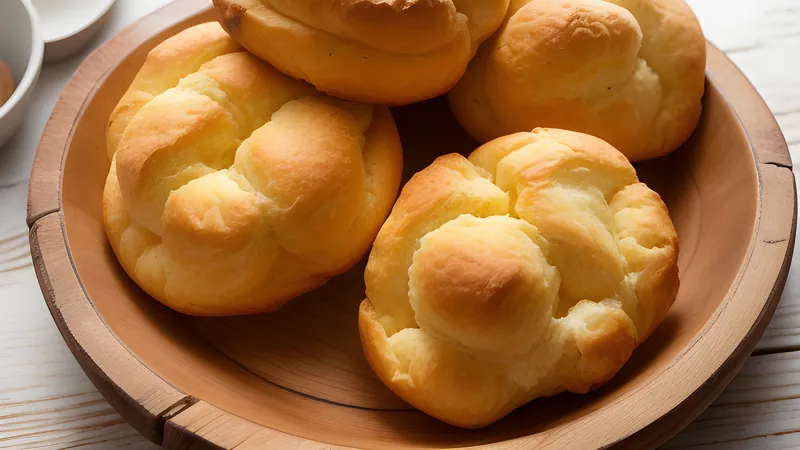
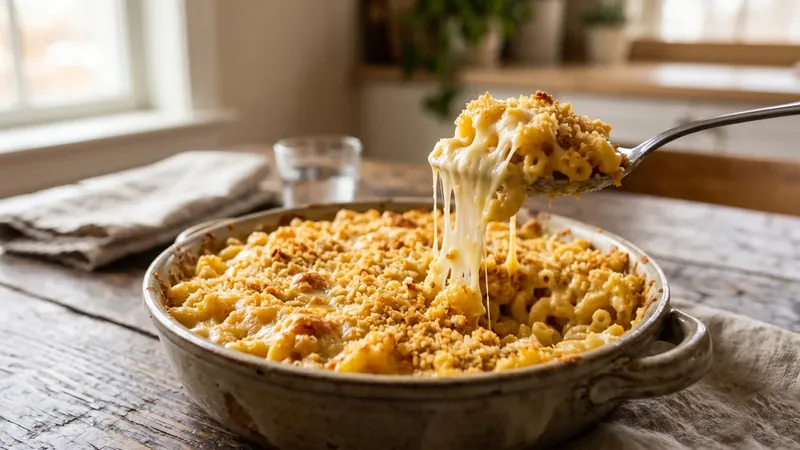
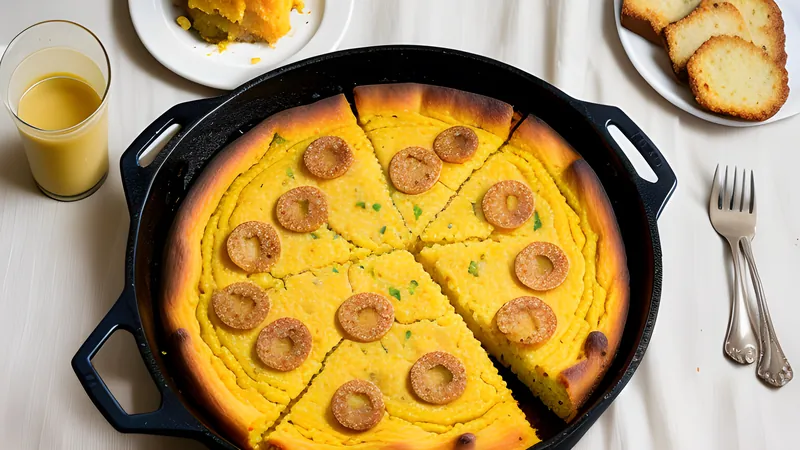
They’re a natural pairing with other fried, cheese-forward Venezuelan and Latin American snacks — a table with tequeños alongside cachapa covers both the fried and the griddled sides of Venezuelan cheese cookery, and pao de queijo makes an interesting comparison if you want to see how a neighbouring country solved the same basic craving — cheese, fried or baked, in a shape you can eat with one hand — using cassava starch instead of wheat dough.
A dipping sauce isn’t traditional in Venezuela in the way it might be elsewhere, but a simple garlic aioli or a thinned-out ranch-style sauce isn’t out of place at a party table, and I won’t pretend I don’t reach for one myself when there’s a tray in front of me.
Related Content