Tahini Sauce: The Ratio, the Method, the Variations
The one sauce that makes everything better
Contents
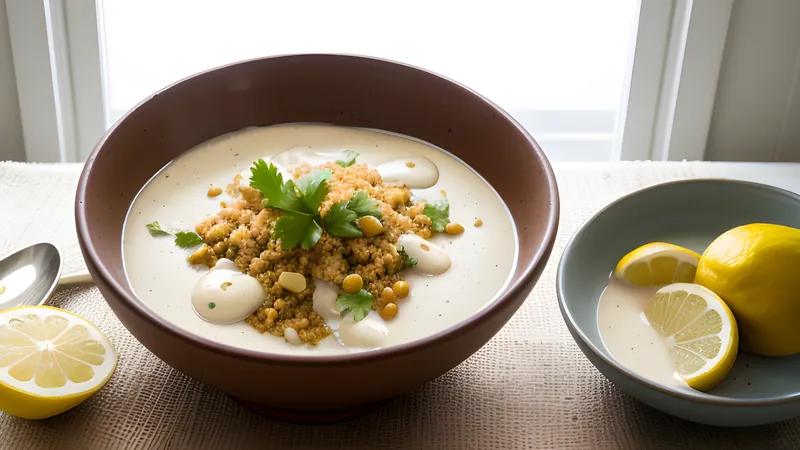
↓ Jump to recipeIf I could keep only one sauce in my fridge, it would be this. Tahini sauce — sesame paste loosened with lemon, garlic and water — is the quiet workhorse of the Levantine kitchen, and it improves almost anything it touches. Roast vegetables, grilled meat, falafel, a baked sweet potato, a bowl of rice and chickpeas: drizzle this over and dinner is suddenly finished, savoury and creamy with a gentle bitterness that keeps you coming back. It takes five minutes, needs no cooking, and the technique is the whole secret.
That technique trips people up, because tahini does something alarming the first time you make it: you add liquid and it seizes into a stiff, grainy paste, as if you’ve broken it. You haven’t. Keep going — a splash of cold water at a time — and it transforms in an instant into a silky, pourable cream the colour of ivory. Understand that one moment and you’ll never buy a tub of tahini sauce again.
Tahini Sauce: The Ratio, the Method, the Variations
Ingredients
- 120 g good-quality tahini, well stirred
- 1 small garlic clove, finely grated
- 60 ml lemon juice (about 2 lemons)
- 80 to 120 ml ice-cold water
- 1/2 teaspoon fine sea salt, plus more to taste
- Pinch of ground cumin (optional)
Method
- Grate the garlic into a bowl, add the lemon juice and a pinch of salt, and leave for 5 minutes to mellow the garlic's raw edge.
- Stir the tahini well in its jar, then spoon it into the bowl with the lemon mixture.
- Whisk together. The mixture will seize into a thick, claggy paste — this is exactly what should happen.
- Add the ice-cold water a tablespoon at a time, whisking after each addition. It will loosen suddenly into a pale, smooth, pourable sauce.
- Taste and adjust: more salt for savour, more lemon for brightness, more water for a thinner sauce. Add the cumin if using.
A paste with deep roots
Sesame is one of the oldest cultivated oilseeds, domesticated on the Indian subcontinent and traded across Mesopotamia at least 4,000 years ago; grinding it into paste is an ancient practice across the Middle East. The word tahini comes from the Arabic ṭaḥīna, from a root meaning “to grind”. Across the Levant, in Lebanon, Syria, Palestine and Jordan, and through the wider region into Turkey, Greece and Cyprus, tahini is foundational: it is the backbone of hummus, the body of baba ganoush, the dressing poured over falafel wraps, and, sweetened and bound with hot syrup, the heart of halva.
In Palestinian and Lebanese cooking a plain tahini sauce like this one has dozens of jobs. Thinned, it is tarator, poured over whole roasted fish; thickened and baked, it becomes the topping on siniyah, a tray of spiced lamb and tomatoes; loosened further with parsley it dresses the falafel in a wrap. The best tahini is made from hulled sesame seeds, often Ethiopian-grown Humera seed, ground stone-smooth so the paste pours rather than clumps. It is worth seeking out a good jar: a bitter, chalky, over-roasted tahini makes a bitter, chalky sauce, while a fresh, pale, nutty one makes something you will want to eat off the spoon. Give the jar a vigorous stir before you start, as the oil separates and floats to the top, and a tahini scooped stiff from the bottom will throw off both the flavour and the ratio. The same jar earns its keep across a whole Levantine repertoire, from a batch of herby falafel to the sesame sweets it turns into.
Why it seizes, and why cold water fixes it
The seizing that alarms first-timers is not a failure; it is emulsion chemistry doing something counterintuitive. Tahini is mostly oil held around fine sesame solids. When you first add a small amount of watery liquid, that water disperses into tiny droplets and the mixture grabs tight into a stiff, grainy paste, because you have too little water to form a smooth, continuous emulsion and the solids clump around what there is. Keep adding water, though, and you cross a threshold where there is enough of the water phase to take over as the continuous medium, suspending the oil and solids evenly. At that point the whole thing slackens, almost in a single moment, into a pale, glossy cream. Cold water genuinely helps here: it keeps the sesame oil firmer and the fine solids better dispersed, so the finished emulsion is smoother and paler than one made with warm water. This is the same reason the sauce turns lighter in colour as it loosens, from beige paste to ivory cream, as air and water work through it.
The method, step by step
Begin with the garlic and lemon. Grate the garlic finely — a single small clove is plenty, because raw garlic in an uncooked sauce is assertive — then let it sit in the lemon juice with a little salt for five minutes. The acid tames the garlic’s sharp heat and leaves you with fragrance rather than a punch. This small pause is the difference between a balanced sauce and one that bites.
Now add the well-stirred tahini and whisk. Brace yourself: it will tighten into a thick, almost crumbly mass, and it will look as though you have wrecked it. You have not, so resist the urge to add more lemon to loosen it, because more acid at this stage only makes the sauce sharp without fixing the texture. Instead reach for ice-cold water, which genuinely helps it emulsify into a smoother, paler sauce, and add it a tablespoon at a time, whisking hard after each. For the first two or three additions nothing much seems to happen; the paste just gets a little stiffer and paler. Then, quite suddenly, usually around the fourth or fifth spoonful, the whole thing relaxes and flows into a glossy cream. Stop when it pours in a slow ribbon off the whisk for a sauce, or keep going another spoonful or two for a thinner, pourable dressing. A balloon whisk is fine, but a small food processor or an immersion blender makes an even silkier result and is worth using if you are doubling the batch.
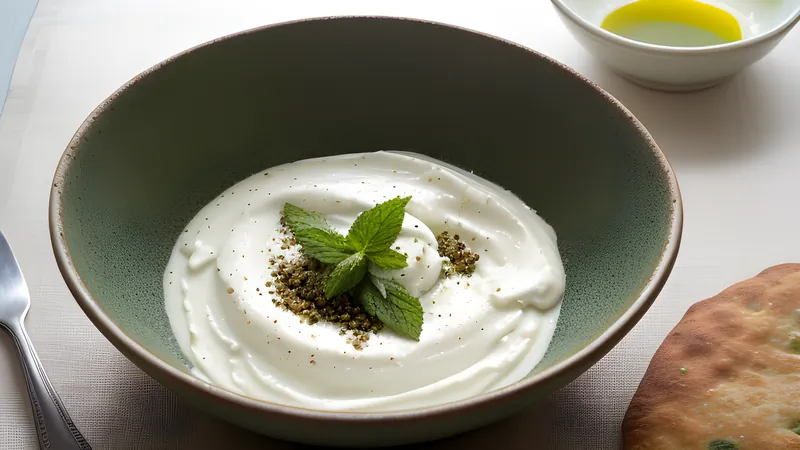
Taste and season. It should be bright, savoury and a touch tangy, sitting somewhere between a dressing and a dip in body. More salt deepens the flavour and pulls it back from bitterness; more lemon lifts and brightens it; a pinch of ground cumin nudges it earthier and is especially good over roast vegetables. If it ever splits or feels oily, which can happen if the tahini was warm or you added the water too fast at first, a splash more cold water and a brisk whisk will bring it back into a smooth emulsion. Taste it again once it has sat for five minutes, because the flavours settle and the garlic softens as it stands.
Getting the ratio right, and ringing the changes
The ratio to remember is roughly two parts tahini to one part lemon juice by volume, with 80 to 120ml of water added to taste, but treat it as a starting point, not a rule, because tahinis vary in thickness. A stiff, well-emulsified brand drinks more water; a loose, oily one needs less. The sauce also thickens as it sits and in the fridge, where it can set almost spoonable, so make it a touch looser than you think you want and whisk in a tablespoon of water to refresh it before serving. Adjust in this order: water for consistency, salt for depth, lemon for brightness. If it ever splits or looks oily, a splash more cold water and a brisk whisk will pull it back together.
Storage, make-ahead and getting it right
It keeps, covered, in the fridge for up to five days, and the garlic mellows further over the first day, so a batch made in advance is often better than one made to order. Because it thickens cold, it doubles as a spread when firm and a pourable sauce when loosened, which makes it worth keeping a jar on hand. Do not freeze it; the emulsion breaks and turns grainy on thawing. Two small things prevent most disappointments: let the grated garlic sit in the lemon and salt for a full five minutes before the tahini goes in, or the raw garlic will dominate; and taste for salt at the end, because an underseasoned tahini sauce reads as flat and slightly bitter rather than savoury.
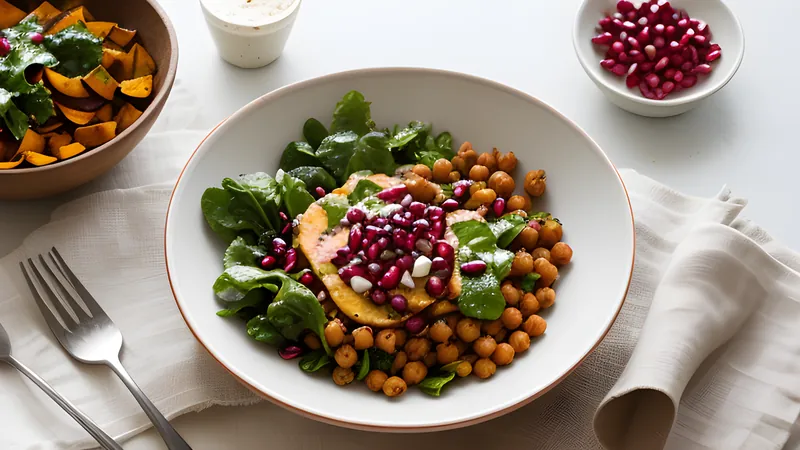
From this base, a dozen sauces follow. Whisk in 3 tablespoons of chopped parsley and a little extra lemon for a herby green version over fish. Stir through a tablespoon of pomegranate molasses for a sweet-sour drizzle on roast aubergine. Blend in a couple of roasted red peppers or a teaspoon of harissa for warmth and colour. Loosen it further with an extra 30ml of water and pour over a salad of shredded cabbage and herbs. For a quick lunch, thin it to a dressing and spoon it over warm chickpeas with a scatter of toasted seeds and a final glug of good olive oil, much as it dresses the crispy chickpea and sweet potato bowl. It is also very good as a cooling foil to spice, so a spoonful thinned and drizzled over a plate of chicken enchiladas in red chilli sauce tempers the heat the way soured cream would, with more character.
Make it once and you will start seeing uses everywhere: over grilled meat and roast vegetables, stirred into soups to enrich them, spooned onto a baked sweet potato, or used as the base for a salad dressing. That is the mark of a great sauce, and the reason a jar rarely lasts more than a couple of days in my fridge. It does not dominate the plate; it quietly makes everything around it taste like more of itself, which is exactly what you want from a workhorse.
Related Content