Sweet Potato and Peanut Stew (West African Style)
A deeply savoury groundnut stew with a backnote of smoked paprika and lime
Contents
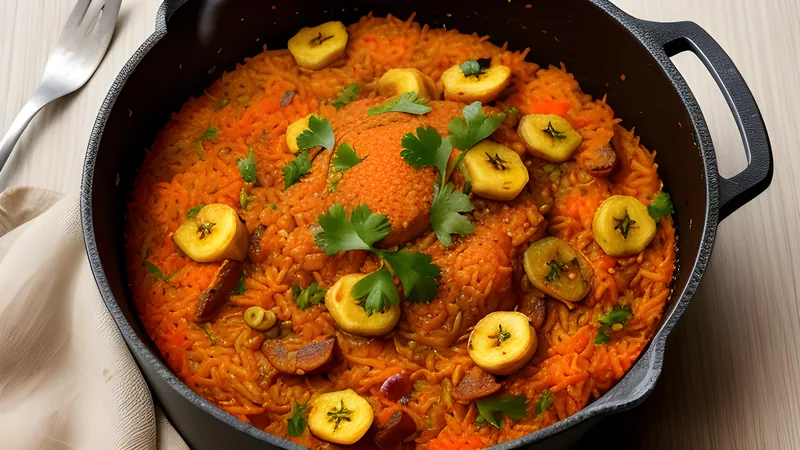
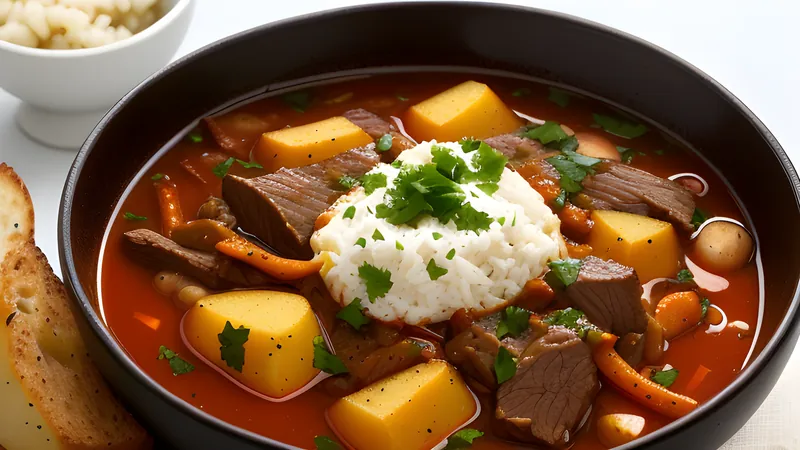
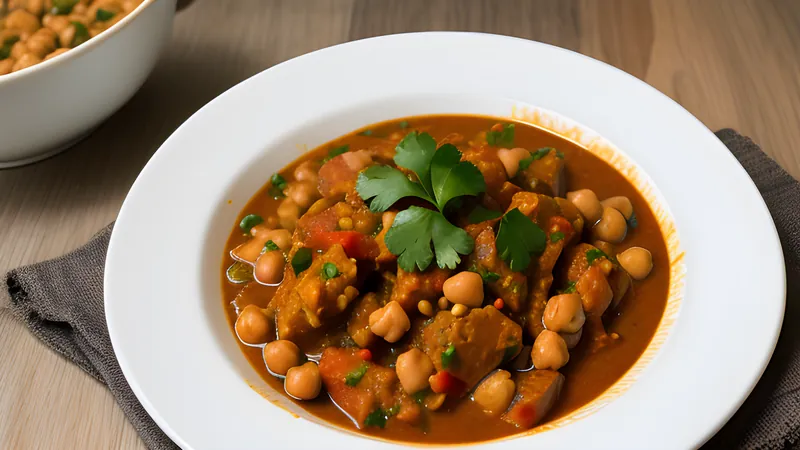
↓ Jump to recipeIf you have never cooked with peanut butter outside of a sandwich, this stew will quietly change your mind. It is rich, savoury and burnished a deep orange-brown, with sweet potato collapsing into a thick, nutty sauce that clings to rice with real conviction. The small twist that lifts it beyond the everyday is a double hit of smoked paprika and a brisk squeeze of lime at the end: the first builds a gentle, smoky warmth, the second cuts straight through the richness and wakes the whole pot up. It is the kind of one-pot dinner that costs little, feeds many and tastes like you tried much harder than you did.
Sweet Potato and Peanut Stew (West African Style)
Ingredients
- 3 tbsp groundnut or vegetable oil
- 1 large onion, finely chopped
- 4 garlic cloves, crushed
- 1 thumb fresh ginger, grated
- 1 to 2 scotch bonnet or red chillies, deseeded and chopped
- 2 tsp smoked paprika
- 1 tsp ground cumin
- 2 tbsp tomato purée
- 1 x 400g tin chopped tomatoes
- 700g sweet potatoes, peeled and cut into 3cm chunks
- 4 heaped tbsp smooth peanut butter (no added sugar)
- 800ml vegetable stock
- 1 x 400g tin chickpeas, drained
- 100g spinach or kale, shredded
- 1 lime, plus extra to serve
- Salt to taste
- Roasted peanuts and coriander, to finish
Method
- Heat the oil in a large heavy pan over a medium heat and cook the onion with a pinch of salt for 8 minutes until soft and golden at the edges.
- Add the garlic, ginger and chilli and fry for 2 minutes, then stir in the smoked paprika and cumin and cook for 30 seconds until fragrant.
- Stir in the tomato purée and fry for a minute, then add the chopped tomatoes and cook for 5 minutes until thickened and darkened.
- Add the sweet potato chunks and turn to coat, then pour in the stock and bring to a simmer.
- Whisk the peanut butter with a ladleful of the hot stock until smooth, then stir it back into the pan.
- Simmer uncovered for 20 to 25 minutes, stirring now and then, until the sweet potato is tender and the stew has thickened.
- Stir in the chickpeas and spinach and cook for 3 minutes until the greens wilt, then squeeze in the juice of the lime and season with salt.
- Serve scattered with roasted peanuts and coriander, with extra lime wedges alongside.
The groundnut stews of West Africa
Peanut stews, often called groundnut stews, are found in many forms right across West Africa, from the maafe of Senegal and Mali to the domoda of The Gambia, one of that country’s national dishes, and countless regional cousins. In Mali the closely related version is tigadéguéna, associated with the Mandinka and Bambara people, who are also credited with some of the earliest groundnut cookery. Peanuts arrived in West Africa from South America, most likely carried by Portuguese traders in the sixteenth century as part of the wider Columbian exchange, and they took to the Sahelian climate so well that they became a staple crop and a defining flavour. Interestingly, versions of the dish predate the peanut too, made with native groundnuts such as the Bambara groundnut before the American peanut arrived and largely supplanted them.
Traditionally these stews simmer meat or fish slowly in a sauce thickened with ground peanuts or peanut butter, and they are everyday food: nourishing, affordable and endlessly adaptable to whatever is in the pot. A greens-and-peanut variation even travelled across the Atlantic with enslaved West Africans and survives in the American South as a peanut soup.
This is a vegetable-forward version that keeps the soul of the original while leaning on sweet potato and chickpeas for body and substance. The combination is no accident. The natural sweetness of the potato plays beautifully against the savoury, slightly resinous depth of the peanuts, while the chilli and ginger keep everything lively. It is comfort food with a backbone, the sort of thing that tastes even better on the second day once the flavours have had a night to settle and mingle. If you like the pairing of sweet potato with a nutty, tahini-rich dressing, my crispy chickpea and sweet potato bowl with tahini dressing works the same two ingredients in a fresher, brighter direction.
A word, too, on why this makes such good everyday cooking. Groundnut stews earned their place across the Sahel because they are cheap, filling and built almost entirely from storecupboard and market staples that keep well: dried peanuts or peanut butter, onions, tomatoes, a starchy vegetable and whatever protein is to hand. That thrift is not incidental to the dish, it is the point of it, and it carries straight over to a British kitchen where a jar of peanut butter, a tin of tomatoes, a tin of chickpeas and a couple of sweet potatoes will feed four to six people generously for very little. The peanuts also do real nutritional work, bringing protein and fat to a bowl that is otherwise vegetables, which is why the meat-free version here is genuinely satisfying rather than a compromise.
How the sauce comes together
The method is forgiving but rewards a little attention early on. Start by giving the onions proper time to soften and colour over a medium heat, because they form the sweet, savoury base of the whole sauce; rush them and the stew tastes thin no matter what you do later. Do not stint on the eight minutes. The aromatics, garlic, ginger and a good amount of chilli, go in next, cooked just until fragrant so the garlic does not scorch, followed by the ground spices, which you fry for thirty seconds to bloom their oils and deepen their flavour. Then the tomato purée is fried for a minute to cook off its raw, tinny edge, and the tinned tomatoes are cooked down until jammy and noticeably darkened, which is what stops the finished stew tasting raw or thin. This early browning, the fond that builds on the base of the pan and the colour that develops in the tomato, is where the depth of a good stew is made, long before the peanut butter goes anywhere near the pot.
A note on the chilli: a scotch bonnet is the traditional choice and brings a fruity, floral heat as well as fire, but it is fierce, so start with one, deseeded, and taste before adding more. If you are cooking for people who are heat-shy, a single mild red chilli or even a pinch of dried chilli flakes still gives the warmth the dish wants without the burn.
The peanut butter deserves a word of caution. Tip it straight into a bubbling pot and it can seize into oily lumps as the fat separates in the heat. The trick is to loosen it first by whisking it with a ladle of the hot stock into a smooth, pourable slurry, then stir that back in off the fastest boil. Use a smooth peanut butter with no added sugar or palm oil for the cleanest, most savoury result; the sweetened supermarket kind will throw the balance off and can make the whole pot taste like pudding. From there the sweet potato simmers until tender and begins to break down at the edges, its starch and the emulsified peanut fat together thickening the sauce into something glossy and rich.
Keep the simmer gentle and uncovered. A hard, covered boil will make the peanut oil split out into a greasy slick on top and can catch the thick sauce on the base of the pan, so stir every few minutes and scrape the bottom. If a little oil does pool on the surface at the end, that is normal in a proper groundnut stew; stir it back in or spoon it off, as you prefer.
Smoke, heat and a squeeze of lime
Two finishing moves carry this dish. Smoked paprika gives a low, warming smokiness that hints at the wood-smoke cooking of the original stews without needing a fire, and it deepens the colour into that gorgeous brick red. Then, right at the end, the lime. A single stew-spoon of acidity transforms the dish, slicing through the dense, nutty richness and making every other flavour read more clearly. Do not skip it, and serve extra wedges at the table so people can adjust to taste.
Getting the sweet potato right
The sweet potato does double duty here, as both a vegetable and a thickener, so how you cut it matters. Chunks of around 3cm are ideal: large enough that some hold their shape and give the stew texture, small enough that others soften and start to collapse at the edges, releasing their starch to body the sauce. Cut them much smaller and the whole pot turns to mush; leave them much bigger and they will still be firm at the centre when the sauce is ready. Add them to the hot spiced base and turn them to coat before the stock goes in, which lets their surfaces take on a little of the seasoning rather than just boiling plainly in liquid.
Judge doneness by feel rather than the clock, since sweet potatoes vary. A piece should give completely to the point of a knife with no resistance at the core, and a few should be beginning to break down. If yours are still firm at the twenty-five minute mark, simply give them longer; the stew only improves for a little extra time on a gentle heat, so long as you stir to stop it catching.
Tips, swaps and serving
This stew is endlessly flexible. Swap the chickpeas for any cooked bean, throw in a handful of frozen peas, or wilt in kale instead of spinach for a sturdier green. If you want it richer, a tin of coconut milk in place of some of the stock makes it silkier and milder, which is handy if you are feeding children who balk at the heat. For a meatier table, brown some chicken thighs first and simmer them in the sauce until cooked through.
Serve it generously over fluffy rice, or with flatbread to mop the bowl. The roasted peanuts and coriander on top are not mere decoration; the crunch and freshness lift each spoonful. It keeps brilliantly for three days in the fridge and freezes well for up to three months, thickening as it sits, so loosen it with a splash of water or stock when reheating and check the seasoning again, as chilled stews always taste flatter and need a little more salt and lime.
For another hearty, one-pot bean stew that rewards a slow-built base in the same way, see my chorizo and white bean stew, which trades the peanuts and chilli for smoked pork and rosemary. Make a big pot of either, because they disappear faster than you expect.
Related Content