Spiced Parsnip Cake with Maple Cream Cheese Frosting
Carrot cake's earthier, sweeter, more interesting cousin
Contents
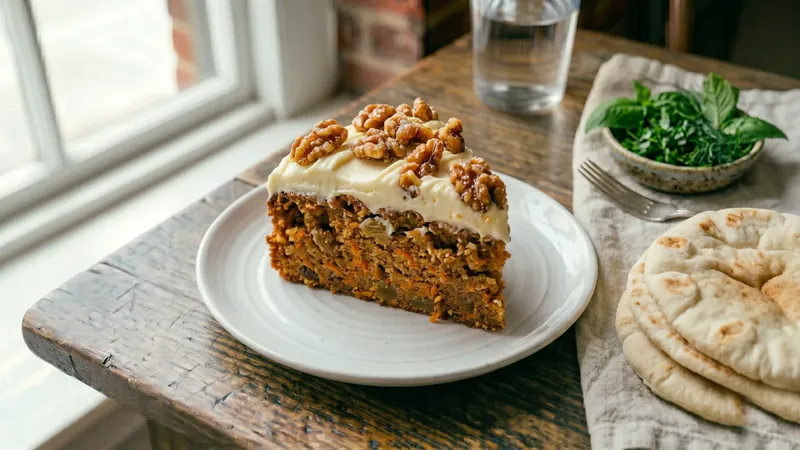
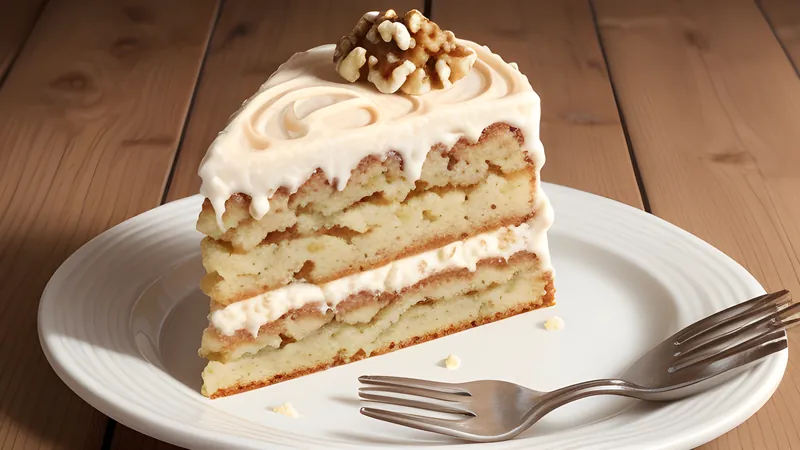
↓ Jump to recipeIf you have ever made a carrot cake and wondered whether the carrot was really pulling its weight, this is the recipe that answers the question. Parsnips are sweeter than carrots, with a gentle nuttiness and a faint warmth that loves autumn spices, and when you grate them into a cake they melt away into the crumb almost completely, leaving behind nothing but moisture and a deep, honeyed flavour. The clever twist is in the frosting; instead of the usual plain cream cheese topping, I lace it with maple syrup, which echoes the caramel notes in the brown sugar and the earthiness of the root and ties the whole cake together.
If the idea appeals but you want to see the technique done with its more famous sibling first, my browned butter carrot cake uses the same oil-based, one-bowl method and is a good companion recipe.
Spiced Parsnip Cake with Maple Cream Cheese Frosting
Ingredients
- 300g parsnips, peeled and coarsely grated
- 250ml sunflower or light olive oil
- 250g soft light brown sugar
- 3 large eggs
- 275g plain flour
- 2 tsp baking powder
- 1 tsp bicarbonate of soda
- 2 tsp ground cinnamon
- 1 tsp ground ginger
- 0.5 tsp freshly grated nutmeg
- 0.5 tsp fine salt
- 75g walnuts, roughly chopped
- 200g full-fat cream cheese (for the frosting)
- 75g unsalted butter, softened (for the frosting)
- 150g icing sugar
- 3 tbsp maple syrup
Method
- Heat the oven to 160C fan and line a deep 23cm round tin with baking paper.
- Whisk the oil, brown sugar and eggs together until thick and well combined.
- Stir together the flour, baking powder, bicarbonate of soda, spices and salt in a separate bowl.
- Fold the dry ingredients into the wet, then fold through the grated parsnip and chopped walnuts.
- Scrape into the tin and bake for 40 to 45 minutes until a skewer comes out clean and the top springs back.
- Cool in the tin for fifteen minutes, then turn out onto a rack and cool completely.
- Beat the butter until smooth, then beat in the cream cheese and icing sugar until just combined.
- Stir through the maple syrup, spread thickly over the cooled cake, and finish with walnut pieces and a drizzle of maple syrup.
Why parsnip, and not carrot
The idea of putting root vegetables in a sweet cake feels modern, but it is genuinely old. Before refined sugar became cheap in Britain, which happened only from the mid-sixteenth century as colonial plantations expanded supply, sweetness in the kitchen came mostly from honey and from naturally sweet ingredients. Cooks reached for carrots, beetroot and parsnips to enrich puddings for exactly that reason. Parsnips were valued as much for their sugar as for their bulk, and only lost their place in sweet cookery once cheap cane and beet sugar made the trick unnecessary. The vegetable was then quietly relegated to the Sunday roast. Bringing it back to the cake tin feels less like an invention and more like a homecoming.
What makes parsnip such good cake material is its high natural sugar content, which rises further when the vegetable is cooked as the starches convert, and its lower fibre compared with carrot. Where carrot can leave little chewy shreds in the finished crumb, parsnip dissolves into the batter, contributing moisture and sweetness without texture. The result is a sponge that stays damp for days, which is exactly what you want in a spiced cake; these bakes taste better on the second day, once the flavours have had time to settle and deepen and the crumb has relaxed.
Spicing it properly
The spice mix here is the warm autumnal trinity of cinnamon, ginger and nutmeg, and I am quite firm about using freshly grated nutmeg rather than the pre-ground sort, which loses its perfume within weeks of opening. Grate it from the whole seed and you get a heady, almost resinous warmth that pre-ground simply cannot match. If you want to lean further into the cosy direction, a pinch of ground cloves or a little mixed spice does no harm, but go gently; cloves in particular can quickly take over a cake and make it taste medicinal.
The oil rather than butter is deliberate. Oil-based cakes stay tender and moist far longer than butter ones, because butter firms up as it cools while oil stays liquid at room temperature. A light olive oil adds its own subtle fruitiness, though a neutral sunflower oil is perfectly good if you would rather the spices lead.
Grating and mixing, done right
Grate the parsnips coarsely rather than finely. A coarse grate gives shreds that soften and disappear into the crumb during baking; a fine grate can turn to a wet paste that weighs the batter down. Grate them just before you need them, too, because parsnip flesh oxidises and browns quickly once exposed to air, and while a little discolouration does no harm to the flavour it looks less appealing raw. You want roughly 300g of prepared shreds, which is around two large parsnips; weigh after grating rather than before, since the peel and woody core are trimmed away.
When you fold the dry ingredients into the wet, stop the moment there are no dry streaks left. Plain flour develops gluten the more it is worked, and an over-mixed batter bakes into a tight, rubbery cake rather than a tender one. The same restraint applies to the parsnip and walnuts: a dozen folds with a spatula is plenty. If the top of the cake domes and cracks, your oven is running hot; a fan setting of 160C is deliberately gentle to keep the sponge level and even.
Tips and variations
The frosting is where most cream cheese cakes go wrong, so a word of warning: beat it as little as possible. Cream cheese is full of moisture, and overworking it breaks the structure and turns your lovely frosting into a sad, runny puddle. Beat the butter and icing sugar first until pale and smooth, then add the cold cream cheese and stop the moment it comes together. Use full-fat block cream cheese, never the whipped tub sort, which is too loose to hold on a cake, and make sure the cake is completely cold before you frost it or the topping will slide straight off.
For variations, 75g of sultanas soaked in a tablespoon of orange juice for ten minutes gives pockets of sweetness through the crumb, and the finely grated zest of one orange folded into the batter brightens the whole thing. If you are feeding a crowd or want a more substantial bake, this works beautifully as a traybake; spread the batter into a lined 20cm by 30cm rectangular tin, reduce the baking time by ten minutes or so, and cut it into generous squares once cool.
Getting the bake right
The single most common mistake with a moist, oil-based cake like this is pulling it out too early because the top looks done. The surface browns and springs back well before the dense, wet middle has set, so trust the skewer over the clock: pushed into the centre, it should come out clean or with only a crumb or two, not with wet batter clinging to it. If in doubt, give it another five minutes and test again, since a slightly over-baked oil cake is still tender where an under-baked one sinks and turns gummy in the middle as it cools.
A deep 23cm tin is specified for a reason. In a shallower or wider tin the batter spreads thin and bakes faster and drier; in a smaller, deeper one the outside overcooks before the centre is done. If you only have a 20cm tin, expect to add ten to fifteen minutes and to keep a closer eye on the colour, tenting the top loosely with foil if it darkens too fast. Let the cake rest in the tin for the full fifteen minutes before turning out, as a hot oil cake is fragile and will crack or tear if you rush it onto the rack.
Storage and make-ahead
The unfrosted sponge keeps well wrapped at room temperature for three days and actually improves overnight, so bake it a day ahead if you can. Once frosted, keep it in the fridge under a cover for up to four days, but bring slices back to room temperature for twenty minutes before serving, because a fridge-cold cream cheese frosting is dull and firm where a barely cool one is soft and full-flavoured. The sponge freezes well unfrosted for up to two months; thaw fully before frosting.
If you like this earthy, spice-forward style of baking, the same warm trinity of cinnamon, ginger and nutmeg carries a very different bake in my Swedish cardamom buns, where the spicing takes centre stage rather than backing up a vegetable. However you serve it, I promise the parsnip will convert at least one sceptic at your table.
Related Content