Sourdough Discard Banana Muffins with Walnut Streusel
Tangy, tender and a happy use for that jar in the fridge
Contents
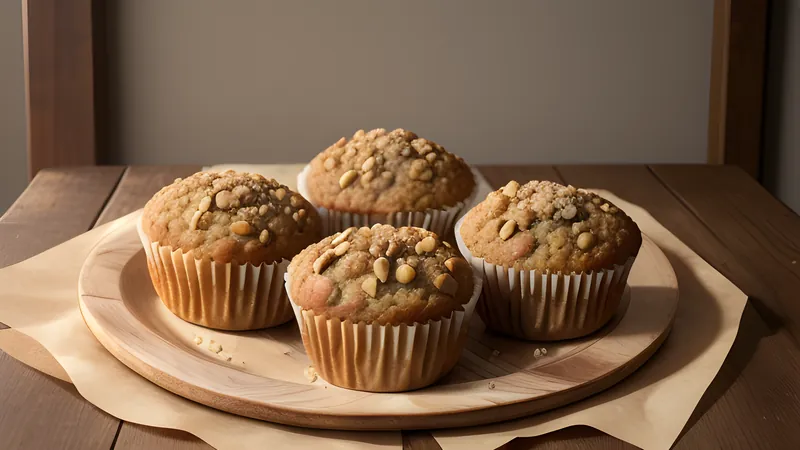
↓ Jump to recipeAnyone who keeps a sourdough starter knows the small, recurring guilt of the discard jar. Every time you feed the starter you tip away a portion to keep it healthy, and unless you have a plan, that perfectly good fermented flour goes down the drain. These muffins are my favourite answer to that problem. They take the two most common things lurking in a baker’s kitchen, sourdough discard and a few brown bananas, and turn them into a tray of tender, gently tangy muffins crowned with a craggy walnut streusel. Nothing wasted, and breakfast sorted.
Sourdough Discard Banana Muffins with Walnut Streusel
Ingredients
- 3 very ripe bananas (about 300g peeled), mashed
- 200g sourdough starter discard, unfed
- 100g light brown sugar
- 75ml neutral oil
- 2 large eggs
- 1 tsp vanilla extract
- 200g plain flour
- 1 tsp bicarbonate of soda
- 0.5 tsp fine salt
- 1 tsp ground cinnamon
- For the streusel: 50g plain flour
- 50g cold butter, cubed
- 50g light brown sugar
- 50g walnuts, chopped
Method
- Heat the oven to 180C fan and line a 12-hole muffin tin with paper cases.
- Make the streusel by rubbing the butter into the flour and sugar until clumpy, then stir through the chopped walnuts and chill.
- Whisk the mashed bananas, discard, brown sugar, oil, eggs and vanilla in a large bowl until combined.
- In another bowl whisk the flour, bicarbonate of soda, salt and cinnamon together.
- Fold the dry ingredients into the wet until just combined; do not overmix.
- Divide the batter between the cases and scatter the chilled streusel generously over each.
- Bake for 20 to 22 minutes until risen and a skewer comes out clean.
- Cool in the tin for five minutes, then lift onto a rack.
What sourdough discard actually does here
Sourdough discard is simply the portion of starter you remove before feeding. It is unfed flour and water that has been colonised by wild yeast and lactic acid bacteria, which means it carries a mild, pleasant sourness even when it is not actively bubbling. In a quick bread like these muffins, you are not relying on it to leaven anything; the bicarbonate of soda does that job. Instead the discard is there for flavour and texture.
That gentle acidity is the secret weapon. It cuts through the sweetness of ripe banana and brown sugar, so the muffins taste balanced rather than cloying, with a faint tang that keeps you reaching for another. The acid also reacts with the bicarbonate of soda, an alkali, to produce carbon dioxide and give an extra lift, which is why the recipe uses bicarb rather than baking powder; there is already plenty of acid in the batter to activate it. The hydrated flour in the discard adds moisture too, producing a noticeably softer, longer-keeping crumb. It is the same principle that makes buttermilk so good in baking, arriving here for free from a jar you would otherwise have emptied into the sink.
If you keep a starter, discard is worth actively collecting rather than binning, because it slots into so many quick bakes. A jar in the fridge is the start of sourdough discard crackers as readily as it is these muffins, and both are honest ways to use what you would otherwise throw away.
Why banana and discard are natural partners
Banana bread has been a refuge for sad fruit for as long as home cooks have had baking soda, and the appeal is obvious: the riper and blacker the banana, the sweeter and more intensely flavoured the bake. Discard slots into this tradition perfectly because both ingredients are about thrift and salvage. The starter wants using, the bananas want using, and together they make something far nicer than either suggests.
The science is friendly, too. As a banana ripens, enzymes convert its starch into simple sugars, which is why a black-skinned banana tastes so much sweeter and more intensely fruity than a firm yellow one; it also softens so completely that it breaks down into the batter without lumps. Pair that with the tang and hydration of discard and you get a muffin that is moist to the point of being almost cakey, with a depth that plain banana muffins lack. Use the blackest, most freckled bananas you can bear to handle; this is one recipe where ugly fruit is the whole point. If your bananas are still a touch firm, roast them in their skins at 180C fan for 15 minutes until the skins blacken and the flesh turns jammy, then cool and mash.
The streusel that makes them
A muffin is a fine thing, but a muffin with streusel is a small event. The topping here is a classic rubbed-in crumble of flour, cold butter, brown sugar and chopped walnuts, scattered thickly over each muffin before baking. As it bakes it sets into sweet, sandy, crunchy clumps that contrast beautifully with the soft crumb beneath. The walnuts toast in the oven and bring a savoury bitterness that, like the discard, keeps the sweetness in check.
Two tips for streusel success. First, keep the butter cold and rub it in only until the mixture clumps; chilling the streusel while you make the batter helps it hold its texture rather than melting into a flat layer. If your kitchen is warm, chill it for a full ten minutes. Second, be generous. Pile it on more thickly than feels reasonable, because it settles and shrinks a little as it bakes, and you want every bite of muffin top to carry some crunch. If you love nuts, fold a handful of extra chopped walnuts into the batter as well.
It is worth toasting the walnuts, or at least the ones going into the streusel, before you start. A few minutes in a dry pan or the warming oven drives off their raw, faintly tannic edge and brings out a deeper, more buttery note. Walnuts carry a natural bitterness in their papery skins that, used carefully, is an asset here: it works like the tang of the discard, checking the sweetness so the muffins never tip into sickly territory. If you find walnuts too bitter, pecans are sweeter and gentler and slot straight in.
A note on measuring the discard, since it varies from kitchen to kitchen. This recipe assumes a standard 100 per cent hydration starter, meaning equal weights of flour and water, so 200g of discard contributes roughly 100g flour and 100g water to the batter. If your starter is stiffer or wetter than that, the muffins will still work, but you may need to adjust the batter with a spoonful of flour or milk to reach a thick, droppable consistency. Do not stress about precision; this is a forgiving, thrifty bake by nature.
Method notes and not overmixing
The cardinal rule of muffins applies in full force here: do not overmix. Whisk all your wet ingredients together thoroughly, whisk your dry ingredients separately, then fold the two together with a light hand and stop the moment the flour disappears. A few lumps are perfectly fine. Overworking the batter develops gluten and gives you tough, tunnelled, peaky muffins instead of tender domed ones. The batter should look slightly lumpy and a little glossy when you spoon it into the cases.
Fill the cases generously, about three-quarters full, for proper domed tops, and bake until a skewer comes out clean with maybe a crumb or two. Let them sit in the tin for five minutes before moving them, as they are fragile while hot.
Fill the cases generously, about three-quarters full, for proper domed tops, and bake until a skewer pushed into the centre comes out clean with maybe a crumb or two clinging to it. If it is wet with batter, give them another two or three minutes and test again. Let them sit in the tin for five minutes before moving them, as the crumb is fragile while hot and firms up as it cools; lift them straight onto a rack after that, or the paper cases will go soggy from trapped steam.
Troubleshooting
If your muffins bake up flat rather than domed, the usual suspects are overmixed batter, tired bicarbonate of soda, or an oven that was not properly up to temperature when they went in. Bicarb loses its potency over months in the cupboard, so if yours has been open a while, replace it. If the streusel slides off or melts into a flat, greasy layer, the butter was too warm when you rubbed it in or the streusel was not chilled; keep both cold. And if the crumb comes out tunnelled and tough with peaky tops, that is the classic sign of overworking, so fold more gently and stop sooner next time.
Keeping and varying them
These keep beautifully for three days in an airtight tin thanks to the moisture from the banana and discard, and they freeze well for up to three months, ready to be revived with 20 to 30 seconds in the microwave or ten minutes in a low oven. For variations, a handful of dark chocolate chips folded through the batter never goes amiss, and pecans make a fine swap for walnuts. A scrape of nutmeg or a pinch of cardamom alongside the cinnamon adds warmth, and a spoonful of tahini rippled through the batter gives a lovely nutty savouriness. If your bananas are not quite sweet enough you can lift the sugar by 25g or so.
If muffins are your weakness, these sit comfortably alongside a batch of lemon and blueberry muffins on a weekend baking morning, one tangy and fruity, the other warm and spiced.
One last thought on timing, since these are a breakfast bake. The batter can be mixed the night before and kept covered in the fridge, though the bicarbonate of soda begins reacting the moment it meets the acidic batter, so you will get a slightly better rise baking straight away. If you do prepare ahead, hold the streusel separately and scatter it on just before the tin goes into the oven. However you tweak them, you will never look at the discard jar with quite the same guilt again.
Related Content