Sisig: Sizzling Pork With Calamansi and Chilli
Angeles City's chopped pork, hitting the hot plate loud enough to announce itself
Contents
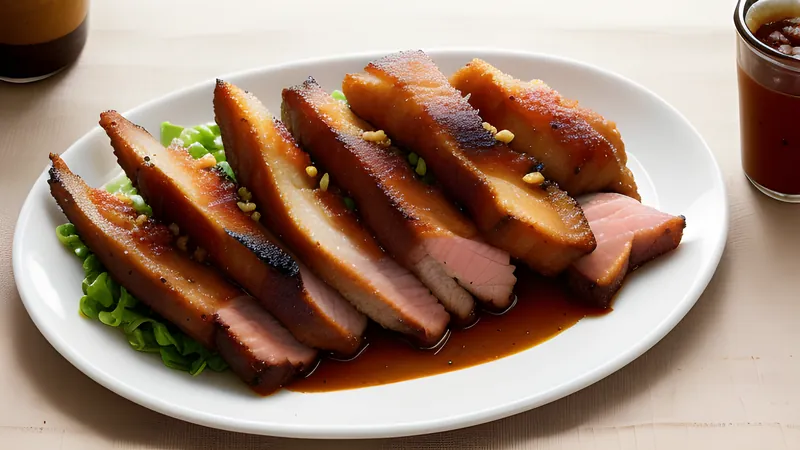
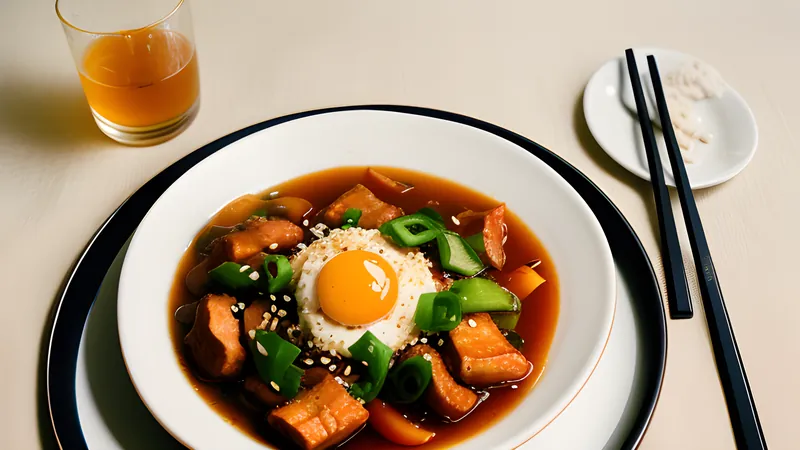
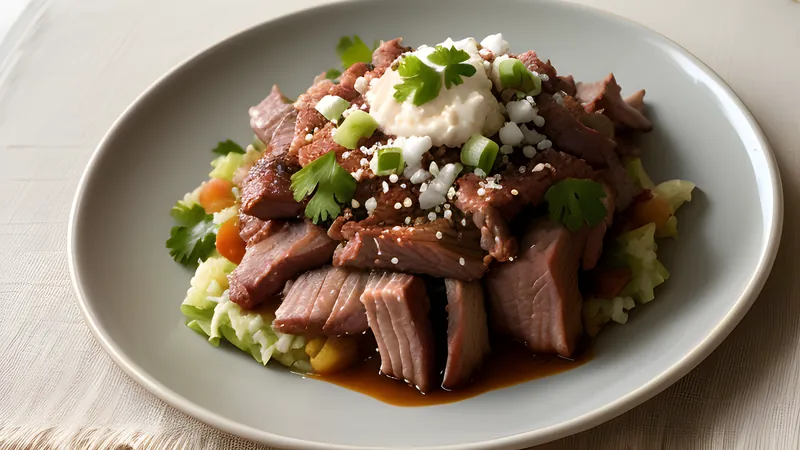
↓ Jump to recipeSisig announces itself before it reaches the table: the plate arrives still spitting, the smell of charred pork and calamansi hits first, and someone stirs the raw egg through while it’s still audibly sizzling. It is loud food in every sense, built to be eaten with cold beer, and it carries one of the more specific origin stories in Filipino cooking — a dish invented not in a home kitchen chasing nostalgia, but by a woman turning American military leftovers into something genuinely hers.
Sisig: Sizzling Pork With Calamansi and Chilli
Ingredients
- 800g pig's head (ears, jowl and cheek), or 600g pork belly and 200g pork cheek as a substitute
- 2 litres water
- 1 onion, halved, plus 1 onion finely diced
- 6 garlic cloves, 3 whole and 3 minced
- 2 bay leaves
- 1 tsp whole black peppercorns
- 150g chicken or pork liver (optional, for richness)
- 3 tbsp vegetable oil
- 4 red bird's-eye chillies, finely chopped, plus more to taste
- 4 tbsp calamansi juice (or 2 tbsp lime juice)
- 2 tbsp soy sauce
- 1 tbsp mayonnaise (optional, for the classic Angeles City richness)
- 1 egg, per serving
- Salt and black pepper, to taste
- Spring onion, sliced, to garnish
Method
- Simmer the pig's head parts in the water with the halved onion, whole garlic cloves, bay leaves and peppercorns for about 1 hour, until tender enough to pierce easily with a knife.
- Lift the meat out, pat dry thoroughly and leave to cool completely, ideally in the fridge for an hour, so it firms up before grilling.
- Grill or char the cooled meat over high heat, or under a very hot grill, until the skin blisters and browns, about 8–10 minutes, turning once.
- If using liver, pan-fry it separately for 2–3 minutes until just cooked through, then chop it fine along with the grilled meat.
- Chop everything into small, even pieces, roughly the size of a fingernail — sisig should never be in large chunks.
- Heat the oil in a heavy pan or on a cast-iron sizzling plate, sauté the diced onion and minced garlic until fragrant, then add the chopped meat and toss over high heat for 3–4 minutes.
- Stir in the calamansi juice, soy sauce, chopped chillies and mayonnaise if using, season with salt and pepper, and cook for another 2 minutes until everything is glossy and well combined.
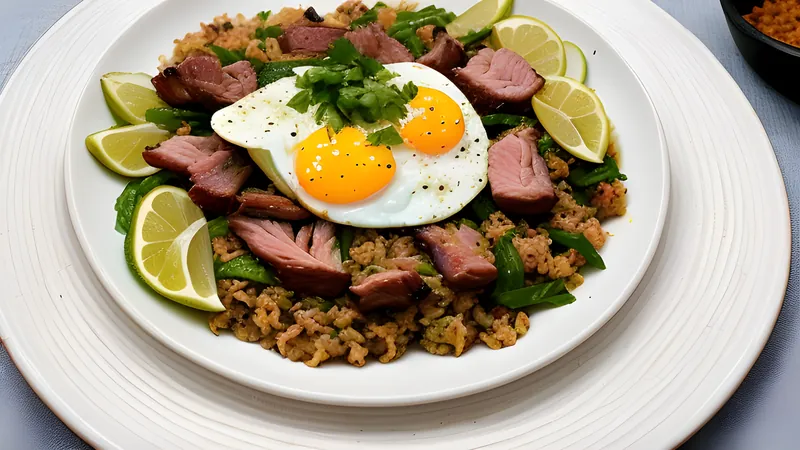
- Serve immediately on a very hot plate, cracking a raw egg on top so residual heat cooks it as it's stirred through at the table, scattered with spring onion and extra calamansi wedges alongside.
Aling Lucing and the parts nobody else wanted
Sisig’s modern form traces to Angeles City in Pampanga, a few miles from what was then Clark Air Base, a major American military installation through much of the twentieth century. Lucia “Aling Lucing” Cunanan ran a small eatery near the base and, by several accounts, began buying pig heads cheaply from the commissary — cuts American cooks weren’t using, since Clark’s kitchens processed pigs for other parts and had little use for ears, cheeks and jowls. She boiled the head, then grilled and chopped the meat, seasoned it aggressively with calamansi and chilli to counter the fattiness, and served it on a hot plate that kept it audibly cooking as it reached the table. It became so associated with her that Angeles City later put up a monument in her honour, and her original eatery’s version is still cited as the reference point against which other sisig gets measured.
The word “sisig” itself predates her dish considerably — it’s recorded in Kapampangan going back to at least the mid-twentieth century as a term for a sour salad-like preparation, often unripe fruit dressed with vinegar and chilli, eaten by pregnant women craving something sharp. Aling Lucing’s contribution was applying that sour, punchy seasoning logic to grilled pork parts and putting it on a sizzling plate, which is the version that spread nationally and then internationally through Filipino restaurants abroad.
A dish that grew past its origin
By the 1990s sisig had moved well beyond Angeles City, turning up on menus across Metro Manila and then in Filipino restaurants from Los Angeles to London, almost always kept on the same cast-iron sizzling plate regardless of how far it travelled from Pampanga. It became, alongside San Miguel beer, one of the default orders at Filipino drinking establishments, the kind of dish ordered to share across a table rather than plated for one person, meant to be picked at over several rounds rather than finished quickly. That communal, beer-hall context shaped the seasoning as much as anything else: sisig needs to stay interesting bite after bite over an hour of drinking, which is part of why it leans so hard on acid and chilli rather than settling into a single rich note that tires the palate after the first few forkfuls.
Kapampangan cooks are also particular about calling out imitators. A sisig made only from pork belly, without any ear or organ meat, is sometimes dismissed locally as not real sisig at all, just seasoned chopped pork wearing the name — a reminder that the dish’s identity rests as much on which cuts go in as on the seasoning that coats them.
Why the chop matters as much as the cook
Texture is the whole point of sisig, and it comes almost entirely from how finely and evenly the meat is chopped after grilling. Pig’s ear brings cartilage that stays pleasantly crunchy against the softer cheek and jowl meat, and if everything is cut down to roughly the same small size — closer to the size of a fingernail than a chunk of stewing meat — every forkful carries a mix of textures rather than one long chew of a single cut. Cutting too coarsely is the most common home-kitchen mistake; it makes the dish feel more like a stir-fry of pork pieces than the specific textural experience sisig is built to deliver.
The two-stage cooking — a long, gentle simmer followed by a hard, fast char — exists for a reason too. The simmer tenderises tough cuts like ear and jowl that would be unpleasantly chewy if grilled from raw, while the subsequent char on high heat is what builds the smoky, blistered exterior that plain boiling never gives you. Skip the char and you get tender pork with none of the depth; skip the simmer and you get charred pork that’s still tough underneath.
What can go wrong
The most common failure with home versions is serving sisig lukewarm on a regular plate, which loses the entire point of the dish. A proper cast-iron sizzling plate, heated hard on the hob before the meat goes on, keeps the dish audibly cooking at the table and finishes the raw egg on top through residual heat alone — if you don’t own one, a well-seasoned cast-iron skillet heated until it’s genuinely smoking hot is a reasonable substitute, though nothing quite matches the theatre of the oval cast-iron sizzler plate sisig is classically served on. Restaurants in Angeles City still argue about whose plate gets hottest, and regulars have opinions about which carinderia lets the meat char longest before it hits the table.
Acid balance is the second trap. Sisig needs real sourness from calamansi to cut the pork’s fat, and recipes that go light on it produce something greasy rather than bright. Taste and adjust at the very end, since the calamansi’s punch fades within minutes of cutting the fruit, so squeeze it fresh at the last possible moment rather than early in the prep. Calamansi’s specific sourness — sharper and more floral than lime, closer to a cross between lime and mandarin — is hard to replace exactly, but lime juice with a small pinch of orange zest gets reasonably close if calamansi isn’t available fresh or frozen at your nearest Asian grocer.
Overcooking the raw egg on top is a smaller but real risk: if the meat isn’t genuinely hot enough when the egg lands, it just sits there uncooked and cold rather than setting into a loose, glossy coating as it’s stirred through. The meat needs to be aggressively hot, straight off the pan, for this step to work as intended.
Substitutions and variations
Pig’s head can be hard to source outside butchers who deal in whole carcasses, and pork belly with added pork cheek makes a workable substitute, giving good fattiness even if it lacks the ear’s specific crunch. Some modern versions swap in crispy pork skin (chicharon) crumbled over the top at the very end for a textural stand-in for the cartilage, which works well if you genuinely can’t get ear at all.
Liver is a classic addition in many Pampanga versions, adding a mineral depth and helping bind the mixture slightly, though plenty of good sisig recipes skip it entirely for a cleaner pork flavour. Mayonnaise stirred through at the end is an Angeles City signature that some purists skip and others consider essential — it rounds out the acidity and adds a creaminess that plays well against the char, so it’s worth trying both ways to see which you prefer.
Bangus (milkfish) sisig, made with flaked smoked fish instead of pork, is a popular lighter variation, and chicken skin sisig turns up on menus aimed at diners avoiding pork, both borrowing the same seasoning logic even though the base protein changes completely. Vegetarian sisig made from chopped mushrooms and firm tofu, seasoned the same way and finished on a hot pan, has become common enough on Manila menus that it’s no longer treated as a novelty, proof that the seasoning framework travels further than the pork it was built around.
The sizzling plate, and why it isn’t just theatre
The oval cast-iron plate sisig is classically served on does real cooking work, not just visual drama. Because cast iron holds heat so much longer than a ceramic plate, the meat keeps rendering and browning slightly even after it leaves the stovetop, and the raw egg cracked on top genuinely cooks through contact with the hot metal and hot meat rather than sitting there as a garnish. Restaurants heat these plates directly on a gas ring until they’re close to smoking before piling the meat on, and the audible sizzle that greets the dish at the table is the sound of that transferred heat still doing something. A cold plate under warm meat gives you none of this, which is why sisig ordered “to go” or eaten reheated at home rarely matches the version eaten fresh off the plate at a proper Pampanga carinderia.
If you’re buying cookware specifically for this dish, a small oval cast-iron sizzler plate with a wooden underliner (to protect the table and your hands) is inexpensive and widely sold through Filipino grocery suppliers, and it’s worth owning if sisig is going into regular rotation.
Storage and reheating
Sisig is genuinely best eaten the moment it’s cooked, since the whole appeal rests on temperature and immediate sizzle. A dish reheated twenty minutes after cooking is a different, lesser experience than one eaten the moment it stops sizzling, so time the rest of the meal around sisig rather than the other way round. Leftovers keep in the fridge for up to two days, but reheat them hard and fast in a very hot pan rather than the microwave, adding a fresh squeeze of calamansi once reheated since the acidity fades with storage. Freezing isn’t recommended — the fine chop and delicate cartilage texture don’t survive freezing and thawing well, turning mushy rather than staying pleasantly crisp.
If you’re prepping ahead for a party, the simmer-and-grill stage can be done a day in advance and the meat chopped and refrigerated, with the final hot-plate assembly done fresh just before serving so the sizzle and the egg both land properly. Guests tend to gather round the plate the moment it arrives anyway, so there’s little benefit to plating it earlier than necessary.
Sisig sits well on a table alongside other Pampanga classics: try it with lechon kawali’s blistered crackling for a full pork spread, or follow it with the sharper, lighter chicken tinola with green papaya to give the meal some contrast against all that richness.
Related Content