Shukto: Bengali Bitter Vegetable Medley
The bitter first course that trains a Bengali palate for everything after it
Contents
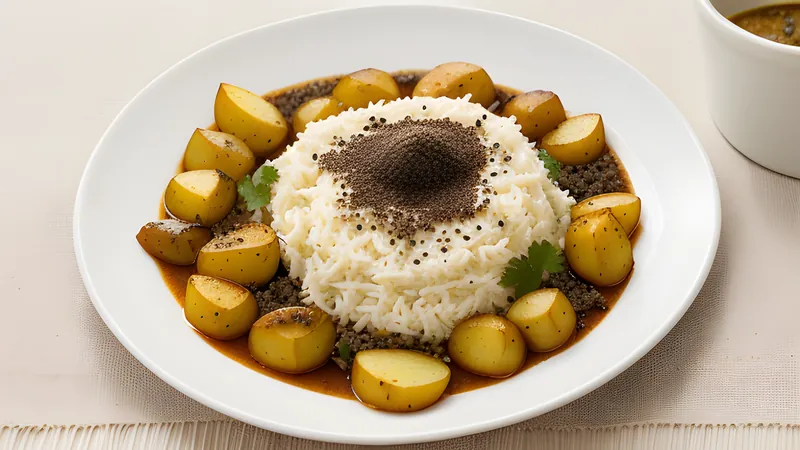
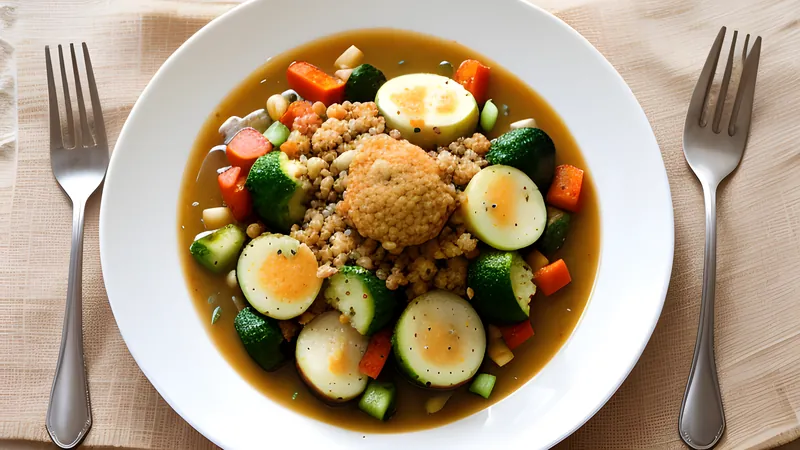
↓ Jump to recipeShukto breaks a rule that most cuisines follow without question: it puts the most challenging flavour in the meal right at the start, ahead of everything richer that follows. Where a Western tasting menu builds toward richness and a British dinner saves the bitter leaves for a side salad eaten alongside the main event, Bengali tradition serves shukto — a mild, milky medley built around bitter gourd — at the very start of lunch, before the rice, before the dal, before anything richer arrives. The theory behind it is old and specifically Ayurvedic: bitter flavour is thought to prime the digestive system and cleanse the palate, setting the diner up to properly taste everything that follows rather than dulling the appetite the way a rich opening course would. Ayurvedic food theory recognises six tastes that a balanced meal should ideally touch — sweet, sour, salty, bitter, pungent and astringent — and most everyday Indian cooking leans heavily on the first three, leaving bitter and astringent as flavours a diner rarely encounters deliberately. Shukto is the dish that fills that gap on a Bengali table, and its position at the very start of the meal is a considered piece of culinary architecture, inherited from a food philosophy that predates the idea of courses building toward a rich finale.
Shukto: Bengali Bitter Vegetable Medley
Ingredients
- 1 bitter gourd, halved, deseeded and thinly sliced
- 1 tsp fine salt, plus more to taste, divided
- 1 medium potato, cut into batons
- 1 sweet potato, cut into batons
- 1 small aubergine, cut into batons
- 1 drumstick (moringa pod), cut into 5cm lengths
- 100g green beans, halved
- 60g raw green banana, peeled and cut into batons
- 2 tbsp mustard oil
- 1 tsp panch phoron (Bengali five-spice blend)
- 2 dried red chillies
- 1 tbsp mustard seed paste (or 2 tsp mustard powder mixed with water)
- 1 tbsp ginger paste
- 250ml whole milk
- 1 tbsp ghee
- 1 tsp sugar
- 1 tsp bori (dried lentil dumplings), fried and crumbled (optional)
Method
- Rub the sliced bitter gourd with 1/2 tsp salt and set aside for 15 minutes, then rinse and pat dry to draw out some of the bitterness.
- Heat 1 tbsp mustard oil in a wide pan and fry the bitter gourd slices over medium heat for 5 minutes until lightly browned. Remove and set aside.
- In the same pan, add the remaining 1 tbsp mustard oil, then the panch phoron and dried red chillies, and let them sizzle for 30 seconds.
- Add the potato, sweet potato, aubergine, drumstick, green beans and green banana, and fry for 5 minutes, stirring to coat in the oil and spices.
- Stir in the mustard seed paste and ginger paste, cook for 2 minutes, then return the fried bitter gourd to the pan.
- Pour in the milk and 150ml water, add the remaining 1/2 tsp salt and the sugar, cover, and simmer on low heat for 15–18 minutes until the vegetables are tender but holding their shape.
- Uncover and let the liquid reduce slightly for 3–4 minutes until loosely thickened rather than thin and watery.
- Stir in the ghee and crumbled fried bori if using, adjust salt, and serve warm as the first course of the meal.
Bitterness as a Deliberate Choice
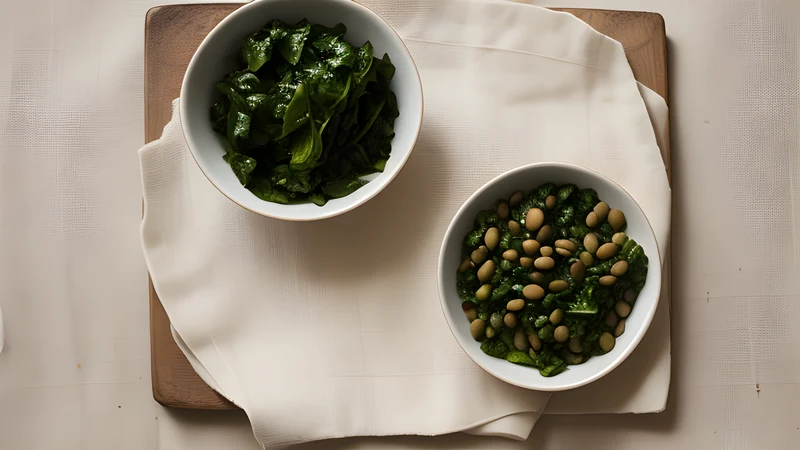
Momordica charantia, bitter gourd, is the dish’s defining ingredient and the one most newcomers to Bengali food find hardest to love on a first try. Its bitterness comes from cucurbitacins and momordicin, compounds that genuinely do stimulate digestive enzymes, giving some scientific footing to the traditional belief even if Bengali grandmothers were making the case long before anyone isolated the relevant chemistry. Shukto does not try to hide that bitterness; it manages it, softening the edge with milk and a touch of sugar so the dish reads as gently astringent and rounded rather than aggressively harsh. This is the key distinction between a shukto that converts a sceptic and one that confirms every fear a first-timer walked in with: the bitterness should be present and unmistakable, but never sharp enough to make you wince. Bengali cooks judge a good shukto by how a spoonful lands: an initial, brief bitter note on the front of the tongue that gives way almost immediately to the milk’s softness and the vegetables’ natural sweetness. A shukto that lingers unpleasantly bitter for long after swallowing has usually either skipped the salting step or been left to simmer with too high a ratio of bitter gourd to everything else in the pot.
Salting the sliced bitter gourd and letting it sit for fifteen minutes before rinsing draws out some of the harshest bitter compounds through osmosis, along with a portion of the vegetable’s natural moisture. Frying the slices separately before they join the rest of the vegetables adds a second layer of mellowing, since dry heat breaks down some of the remaining bitter compounds further. Skip either step and the dish will still work, but it will taste noticeably sharper and less balanced than the version most Bengali households would recognise as properly made.
Panch Phoron: The Bengali Five-Spice
Panch phoron, an untoasted blend of equal parts fenugreek, nigella, cumin, black mustard and fennel seed, is the tempering spice that runs through an enormous share of Bengali savoury cooking, and shukto is one of its clearest showcases. Unlike garam masala, which is toasted and ground into a fine powder, panch phoron goes into hot oil whole and stays whole through the cooking, giving little bursts of contrasting flavour rather than a uniform background note. Buy it pre-mixed from a South Asian grocer if you cook Bengali food more than occasionally; making your own from the five individual seeds in the right ratio works too, but the pre-mixed jars are reliable and save a genuinely fiddly bit of measuring for a spice blend used in small quantities each time. Store panch phoron the way you would any whole-seed spice blend, in an airtight jar away from direct light, and it will hold its aroma for the better part of a year; ground spice blends fade far faster, which is part of why this one is traditionally kept whole rather than pre-ground even at the point of sale.
Choosing the Vegetables
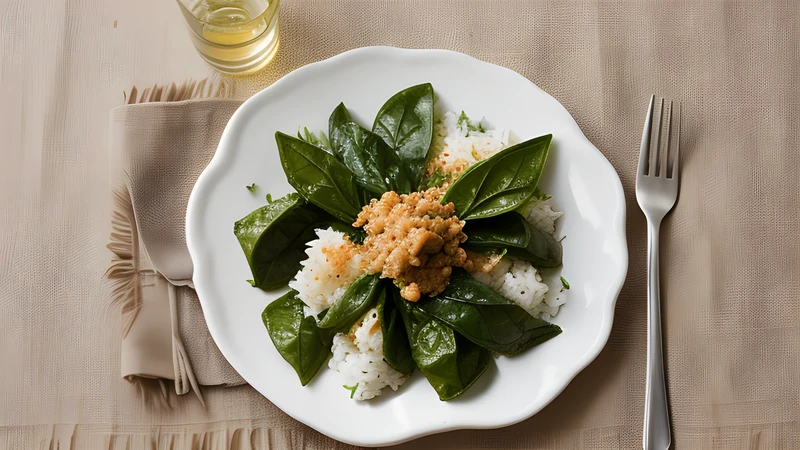
Shukto is traditionally a five-vegetable dish, though the exact five shift from household to household and by season. Bitter gourd is non-negotiable; it is the dish’s entire reason for existing. Drumstick, the long green pod from the moringa tree, brings a mild, slightly grassy flavour and a fibrous texture you eat around rather than through, scraping the tender interior off the tough outer casing with your teeth at the table — do not be alarmed if this feels unfamiliar the first time, it is meant to be eaten this way. Potato and sweet potato both add starchy body and a mellowing sweetness that balances the bitter gourd; raw green banana, unripe and starchy rather than sweet, is a distinctively Bengali addition that most cuisines outside the region never think to cook with. Aubergine and green beans round the medley out, though either can flex depending on what is seasonal and available. Some families in coastal districts add a handful of small whole shrimp for extra depth, turning the dish from strictly vegetarian into something closer to a Bengali fish-inclusive definition of vegetable cookery, though the milk-based version stays the more common one across most households and is always the one served on days with any religious dietary restriction in play.
The Milk, and Why It Is There
Whole milk, stirred in partway through cooking rather than added at the start, is what gives shukto its pale colour and gentle, almost soothing character. It is doing real, functional work rather than sitting there decoratively: milk fat coats the tongue and genuinely blunts the perception of bitterness, a principle also at work in the milk added to strong tea or coffee to soften harsh tannins. Do not substitute a plant milk here unless you have to for dietary reasons; most plant milks lack the fat content to do the same job, and the dish’s whole balance depends on that specific mellowing effect. If you do need a dairy-free version, a full-fat coconut milk is the better substitute over any nut or oat milk, since its fat content at least approaches whole milk’s, though it will shift the dish’s flavour toward something a little sweeter and more tropical than the traditional version.
Bori: The Optional Extra
Bori, small sun-dried dumplings made from ground lentil paste, are a distinctly Bengali pantry ingredient, made in bulk during the dry winter months and stored for use through the rest of the year. Fried until crisp and crumbled into shukto near the end of cooking, they add a savoury, slightly crunchy contrast to the soft vegetables. They are genuinely optional and hard to find outside a Bengali or Bangladeshi grocer, so do not let their absence stop you from making the dish; the medley works perfectly well without them, just with slightly less textural variety. Making bori at home is a genuine winter project in Bengali households, involving whipping black gram paste until it is light and aerated, then shaping and sun-drying small dollops over several days on a cloth spread across a rooftop, timed to a stretch of dry, sunny winter weather. It makes sense as a bulk winter project rather than something to start for a single meal, and if you ever come across a bag of ready-made bori in a South Asian grocer, it is worth buying a stock to keep in the freezer, since they fry from frozen and last for months.
Storage and Serving
Shukto keeps for two days refrigerated, though the vegetables continue to soften, so it is best eaten within a day if you want the potato and aubergine to hold any real shape. It does not freeze well, since the mixed vegetable textures degrade unevenly on thawing. Serve it first, in a small bowl on its own, before rice and the rest of the meal arrive; do not plate it alongside a main dish the way you might serve a Western side vegetable, since eating it out of sequence undermines the whole logic of why it exists. Some households reheat leftover shukto the next morning with a little extra milk stirred in, thinning it slightly and eating it more like a warm broth alongside plain rice for breakfast, a use for leftovers that has nothing to do with the dish’s original opening-course role but is common enough to count as a second, informal way of eating it.
Building the Rest of the Meal
Once shukto has done its job, follow it with a simple dal such as dal tadka, plain rice, and something richer like kosha mangsho or shorshe ilish as the main course, exactly the progression the dish was designed to set up. A traditional Bengali lunch moves from bitter to plain to rich in a deliberate arc, and shukto is the opening note that makes the rest of that arc register properly on the palate. Bengali cooks describe this sequence as training the tongue rather than merely feeding it, and whatever you think of the underlying theory, the practical effect is real: a rich dish eaten straight after a bitter, mild one genuinely tastes more vivid than the same dish eaten cold, straight off the stove, with no opening course at all.
Variations
Some households add a small piece of raw papaya to the vegetable mix for extra sweetness, and coastal Bengali cooks occasionally finish the dish with a spoon of poppy seed paste stirred in alongside the milk, borrowing the technique from aloo posto for extra body. Whatever variation you land on, keep the ratio of bitter gourd modest relative to the other vegetables; the dish is meant to introduce bitterness, not overwhelm the diner with it before the meal has properly begun. A single bitter gourd against the five or six other vegetables listed here is roughly the right proportion for most palates, and it is far easier to add a little more bitter gourd next time than to rescue a batch that has gone too far the other way.
Related Content