Shrimp and Grits: The Low Country Breakfast
Stone-ground grits gone properly creamy, topped with shrimp seared hard in bacon fat and a Cajun-spiked pan sauce
Contents
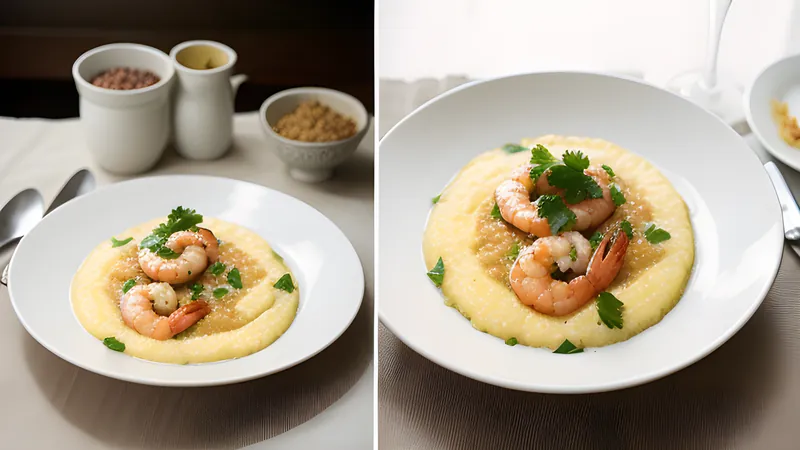
↓ Jump to recipeGrits made properly, from the stone-ground kind that takes half an hour of patient stirring rather than the instant sort that dissolves in ninety seconds, taste of actual corn rather than wallpaper paste, and that difference is the entire argument for this dish. Shrimp and grits started as a fisherman’s breakfast along the Carolina and Georgia coast, eaten before dawn with whatever shrimp had come off the boats that night, and it has since become one of the few Southern dishes that travelled to fine-dining menus nationwide without losing what made it good in the first place: cheap shrimp, good bacon fat, and grits cooked slowly enough to actually turn creamy.
Shrimp and Grits: The Low Country Breakfast
Ingredients
- 200g stone-ground grits (not instant)
- 750ml whole milk
- 250ml water
- 1 tsp fine salt, plus more to taste
- 60g sharp cheddar, grated
- 30g unsalted butter
- 6 rashers smoked streaky bacon, cut into 1cm lardons
- 700g raw shrimp, peeled and deveined, tails off
- 1 tsp smoked paprika
- 0.5 tsp cayenne pepper
- 3 garlic cloves, minced
- 1 green pepper, finely diced
- 3 spring onions, sliced, whites and greens separated
- 250ml chicken stock
- 1 tbsp plain flour
- 1 tbsp lemon juice
- Hot sauce, to serve
Method
- Bring the milk, water and 1 tsp salt to a simmer in a heavy saucepan. Whisk in the grits in a steady stream to stop lumps forming.
- Reduce the heat to the lowest setting and cook the grits for 25 to 30 minutes, stirring every few minutes and scraping the base of the pan, until thick, creamy and no longer gritty on the tongue. Add a splash more milk if they tighten up before serving.
- Stir the cheddar and butter into the finished grits off the heat until melted through. Cover and keep warm.
- While the grits cook, fry the bacon lardons in a wide frying pan over medium heat until crisp and the fat has rendered, about 6 minutes. Lift out with a slotted spoon onto kitchen paper, leaving the fat in the pan.
- Toss the shrimp with the smoked paprika and cayenne. Turn the heat under the bacon fat up to medium-high and sear the shrimp in a single layer, 90 seconds a side, until pink and just cooked through. Lift onto a plate.
- Add the garlic, green pepper and spring onion whites to the same pan and cook for 2 to 3 minutes until softened, scraping up the browned bits left by the shrimp.
- Sprinkle in the flour and stir for 1 minute to cook out the raw taste, then whisk in the chicken stock. Simmer for 3 to 4 minutes until thickened to a loose gravy.
- Return the shrimp and bacon to the pan along with any resting juices, stir through the lemon juice, and warm through for 1 minute.
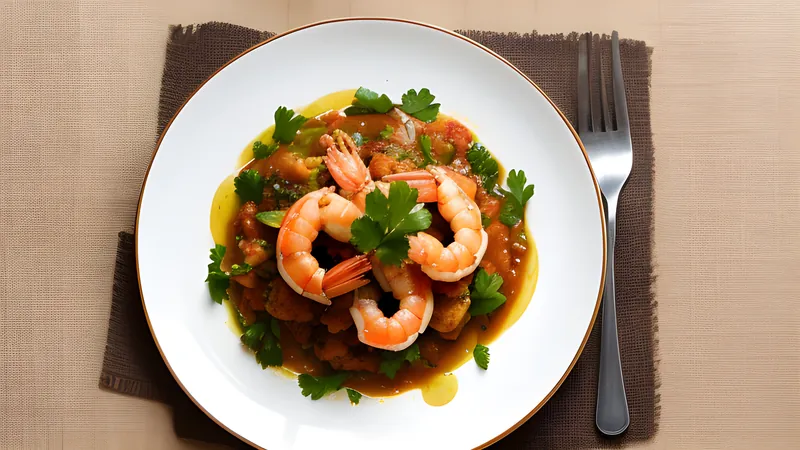
- Spoon the grits into bowls, top with the shrimp and pan gravy, and scatter with the spring onion greens. Serve with hot sauce at the table.
A fisherman’s breakfast, not a brunch invention
Shrimp and grits belongs to the Gullah Geechee culinary tradition of the Low Country — the coastal strip running from around Wilmington, North Carolina down through Charleston and Savannah to the Sea Islands of Georgia, settled by enslaved West Africans whose descendants preserved a distinct language and food culture on those barrier islands well into the twentieth century. Shrimp were abundant and cheap in the tidal creeks, grits were a pantry staple made from locally grown corn, and the two together made an inexpensive, filling breakfast for shrimpers who needed to eat before first light and get out on the water. The dish was called “shrimp and hominy” or “breakfast shrimp” in some of the earliest written references, and it stayed a strictly local, working breakfast dish for most of the twentieth century.
Its jump to national menus is usually credited to chef Bill Neal, who put a version on the menu at Crook’s Corner in Chapel Hill, North Carolina in the 1980s and to food writer Craig Claiborne’s coverage of it in the New York Times not long after, which introduced a dish coastal Carolinians had eaten for generations to readers who had never heard of it. What changed on the way to wider fame was mostly the shrimp: chefs began treating them the way this recipe does, seared hard and finished in a proper pan sauce with bacon, garlic and stock, rather than simply boiled or simmered plain. The grits, sensibly, stayed exactly where they were.
Why stone-ground grits are non-negotiable
Instant and quick grits are made from corn that has had the germ and much of the bran milled away and the remaining starch pre-cooked and dried, which is why they rehydrate in a couple of minutes — and why they taste mostly of the milk and butter you cook them in rather than of corn. Stone-ground grits keep the whole kernel, germ included, milled coarsely between stones rather than steel rollers, which means more fat, more flavour, and a genuinely coarser texture that needs a slow simmer to break down and hydrate properly. There is no shortcut that produces the same result; instant grits and stone-ground grits are related the way instant coffee and a proper pour-over are related.
Cooking them low and slow, stirring regularly rather than constantly, gives the starch granules time to swell and burst without scorching the milk solids on the base of the pan, which is what happens if the heat runs too high. Grits that still taste faintly gritty or sandy after 20 minutes are not done; keep going, adding a splash more milk if the pot gets too thick before the texture turns properly silky. A finished pot should hold its shape gently on a spoon rather than pour like a sauce, and it should taste unmistakably of corn once the cheese and butter go in, not just of dairy. A cast iron or other heavy-based saucepan holds heat more evenly than a thin one, which matters over half an hour of low, steady simmering — a thin pan is far more prone to scorching a patch of grits against the base while the rest of the pot looks perfectly fine, an uneven result that only shows up once you start stirring and find burnt flecks through an otherwise good batch.
The bacon fat is the whole point
Searing the shrimp in rendered bacon fat rather than a neutral oil or plain butter is what separates a memorable pan of shrimp and grits from a merely competent one. Bacon fat carries smoky, savoury depth that a shrimp needs no help absorbing — shrimp cook in under three minutes and pick up flavour from whatever fat surrounds them almost instantly, so using bacon fat here does more actual seasoning work than the paprika and cayenne dusted onto the shrimp themselves. Frying the bacon first and lifting it out before the shrimp go in keeps the lardons crisp rather than letting them turn soft and rubbery from sitting in a simmering gravy, and returning them at the very end restores exactly the crunch that made them worth cooking in the first place.
Searing the shrimp hard and fast in a well-heated pan, rather than poaching them gently, matters just as much. Shrimp overcook within seconds of the exact right moment, going from tender to rubbery almost without warning, so a hot pan and a short, decisive sear — ninety seconds a side, no more — gets a proper browned crust on the outside while the inside stays just barely opaque and juicy. Pulling them out of the pan the instant they look done, rather than leaving them in while the sauce comes together, is the single easiest way to avoid the rubbery shrimp that give this dish a bad reputation when it is done carelessly.
Building the pan gravy
The gravy in this recipe is built directly in the same pan the bacon and shrimp cooked in, which is deliberate: every browned scrap left behind by both is flavour that would otherwise go down the sink with the washing-up water. Softening the garlic, pepper and spring onion whites in that residual fat, then dusting them with a spoonful of flour before the stock goes in, gives the gravy just enough body to cling to the grits rather than pooling thin and watery at the base of the bowl. Whisk the flour in for a full minute before adding any liquid — this cooks off the raw, pasty taste flour has straight from the bag, leaving only its thickening power behind.
A squeeze of lemon juice stirred in right at the end brightens the whole dish in a way that is easy to underestimate; grits and bacon fat are both rich, and shrimp on their own can taste a little flat without something acidic cutting through. Add it off the heat, after the shrimp have gone back in, so the fresh, sharp edge of the lemon survives rather than cooking away into something duller. Taste the gravy before it goes anywhere near the grits — it should taste distinctly of smoke, garlic and a little heat, with the lemon as a clean finish rather than a dominant flavour.
Grits versus polenta
Grits and polenta are both made from dried, ground corn cooked slowly in liquid, and the resemblance has led plenty of American menus to use the words interchangeably. They are not quite the same thing. Grits are traditionally milled from dent corn, often a white variety, and in the American South are as likely to be treated as a savoury base for cheese, butter and a protein like shrimp or shellfish as a dish in its own right. Polenta is usually milled from a different, often yellow, corn variety, and Northern Italian tradition tends to serve it in a wider range of textures, from a loose, spoonable porridge to a set, sliced and grilled cake. The two can substitute for each other in a pinch, and the cooking method here would work with either, but a Southern cook reaching for grits by name, particularly stone-ground white grits from a Carolina mill, is choosing a specific ingredient with its own supply chain and history, not a regional synonym for polenta.
Getting the timing right
The single trickiest part of this recipe is coordinating grits that need half an hour of near-constant attention with shrimp that need barely three minutes of very close attention, at the opposite end of the cooking process. Start the grits first and get them most of the way there before you so much as heat the frying pan — they hold their heat and texture well covered off the heat for ten minutes or so, which buys enough time to fry the bacon, sear the shrimp and build the gravy without either component going cold or overcooking while you wait on the other. If the grits do sit and stiffen slightly while the shrimp finish, a splash of warm milk stirred back in over low heat brings them straight back to the right consistency.
Tips, substitutions and storage
Frozen shrimp work perfectly well here provided they are properly thawed and patted dry before cooking — wet shrimp will steam rather than sear, and you will lose the browned crust that gives the dish its depth. If sharp cheddar is not to hand, a smoked cheddar or a mild Gouda both work in the grits, though avoid anything too soft or mild, which gets lost against the smoky bacon and paprika in the topping. Vegetarians can leave the bacon out entirely and sear the shrimp in butter with a spoonful of smoked paprika added to the pan, though the dish loses some of its characteristic depth without it.
Leftover grits set firm in the fridge within a couple of hours; they reheat well with a splash of milk whisked in over low heat, stirred until loosened back to a spoonable consistency, though they are never quite as silky the second time. The shrimp and gravy are best eaten the day they are made, since reheated shrimp toughen quickly, but if you do have leftovers, warm them gently in a covered pan over low heat rather than the microwave, which turns shrimp rubbery almost instantly.
Variations
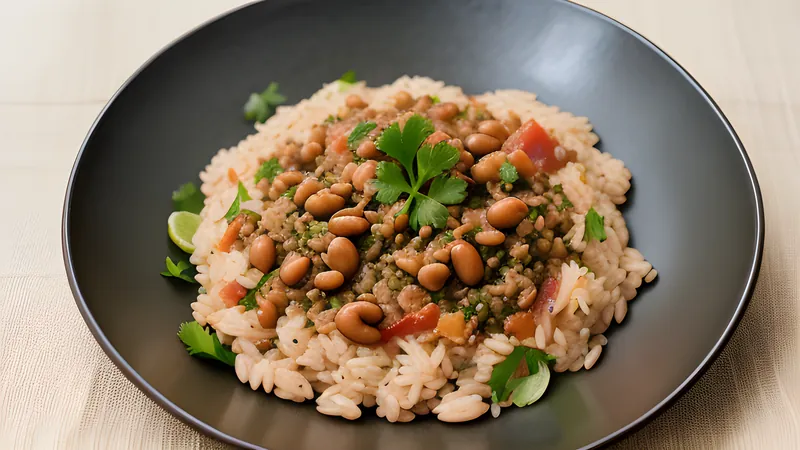
A version with andouille sausage sliced into rounds and browned alongside the bacon brings the dish closer to the pot likker and gravy-driven cooking found further west in Cajun country, and pairs naturally with the same dark roux technique used in Louisiana chicken and andouille gumbo. Tomatoes, added diced along with the pepper and onion, give a lighter, more acidic gravy that some Charleston kitchens prefer to the straight stock-based version here. For a proper Low Country spread, serve a bowl of this alongside Hoppin’ John, the black-eyed pea and rice dish that shares the same coastal geography and the same instinct for turning humble, cheap ingredients into something that feeds a table properly.
Related Content