Shorshe Ilish: Hilsa in Mustard
The fish Bengal argues about, in a sauce nobody argues with
Contents
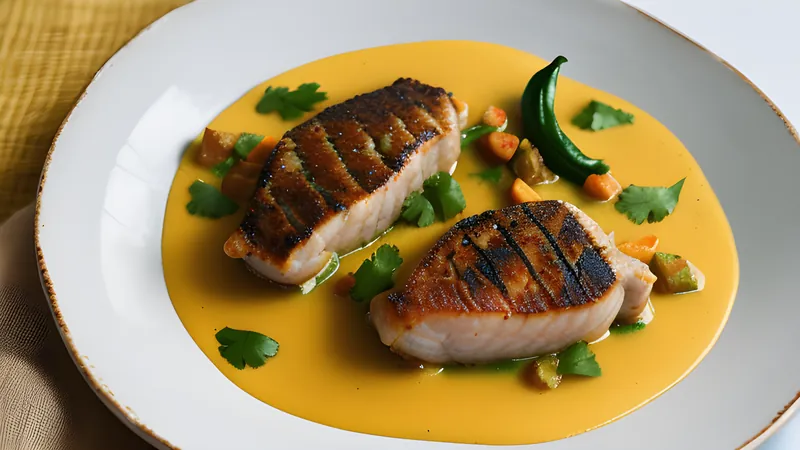
↓ Jump to recipeAsk a Bengali family where they stand on hilsa and you will get an opinion delivered with the force of a national anthem. This is the fish that measures the monsoon: when the rains push north up the Bay of Bengal and hilsa start swimming upriver from salt water to spawn, their flesh changes, taking on a fat content and a flavour that no farmed fish and no other river fish has ever managed to copy. Padma hilsa, from the river in Bangladesh, is spoken about the way other places speak about first-press olive oil. Shorshe ilish — hilsa in mustard — is the dish built to let that fat and that flavour do the talking, with almost nothing standing in the way.
The dish itself is old and plain in its ambition. It is a raw mustard paste, a little oil, a little water, and fish steaks poached gently in it until the sauce turns glossy and the fish gives up its own oil into the pan. There is no onion, no garlic, no elaborate tempering. Every element in a shorshe ilish is there because it does a specific job, and the whole dish stands or falls on how well you handle two ingredients: the fish and the mustard.
Shorshe Ilish: Hilsa in Mustard
Ingredients
- 4 hilsa steaks, about 150g each, bone-in (or substitute shad or mackerel, see notes)
- 1 tsp ground turmeric, divided
- 1.5 tsp fine salt, divided
- 4 tbsp yellow mustard seeds
- 1 tbsp black mustard seeds
- 4 green chillies, 2 roughly chopped, 2 left whole and slit
- 120ml water, plus more for soaking
- 5 tbsp mustard oil, divided
- 1/4 tsp nigella seeds (kalonji)
- 1/2 tsp sugar
- 1 tbsp plain yoghurt (optional, for a milder paste)
Method
- Soak the yellow and black mustard seeds together in warm water for 30 minutes, then drain.
- Rub the hilsa steaks with 1/2 tsp turmeric and 1/2 tsp salt and set aside for 15 minutes.
- Blend the soaked mustard seeds with the 2 chopped green chillies, remaining 1/2 tsp turmeric and 120ml water to a smooth, thick paste. Strain through a sieve if you want it silkier.
- Whisk the mustard paste with 1 tbsp mustard oil, the remaining 1 tsp salt, sugar and yoghurt if using.
- Heat 2 tbsp mustard oil in a wide, heavy pan until it shimmers and just stops smoking. Add the nigella seeds and let them sizzle for 10 seconds.
- Pour in the mustard paste, add 100ml water, and bring to a gentle simmer for 3 minutes.
- Slide in the hilsa steaks in a single layer, spoon sauce over them, and scatter the slit whole chillies on top.
- Cover and simmer on low heat for 12–15 minutes without stirring hard, shaking the pan gently once or twice, until the fish is just cooked through and the oil has separated at the edges.
- Finish with the remaining 2 tbsp raw mustard oil drizzled over the top and rest, covered, for 5 minutes before serving with plain rice.
A Fish That Measures the Calendar
Ilish, as it is called in Bengali, is more than a fish in this cuisine; it is a marker of season, status and origin. Families in Kolkata and Dhaka will debate for hours whether hilsa caught in the Padma river carries a sweeter fat than hilsa from the Ganga or the Meghna, and gift-giving around the monsoon still sometimes runs on baskets of the best fish a family can find, sent to in-laws as a gesture that carries more weight than words would. Bangladesh restricts export of the fish during peak spawning season specifically because demand across the border in West Bengal is high enough to strip river stocks bare, which tells you how seriously this argument is taken on both sides of a political border that otherwise has little to do with dinner.
The dish predates refrigeration and the modern spice rack by a long way. Bengali river communities were poaching oily fish in ground mustard long before chillies arrived in South Asia via Portuguese trade routes in the sixteenth century, at which point the green chilli slotted into a technique that had already existed for generations, sharpening rather than inventing the dish. What has stayed constant the whole time is the logic of it: an oily river fish, a pungent local seed crushed fresh, and heat gentle enough to let both keep their character rather than boiling either into submission.
Why Hilsa, and What to Use Instead
Hilsa (Tenualosa ilisha) is a member of the herring family, oily and famously full of fine, forked bones that Bengali cooks learn to navigate from childhood — eating it properly is a skill passed down at the table, not taught in a class. Outside South Asian grocers in cities with large Bengali or Bangladeshi communities, fresh or frozen hilsa is genuinely findable, usually sold whole or pre-cut into steaks, and it is worth the hunt at least once, because the fat content changes the texture of the finished dish in a way no substitute quite reaches.
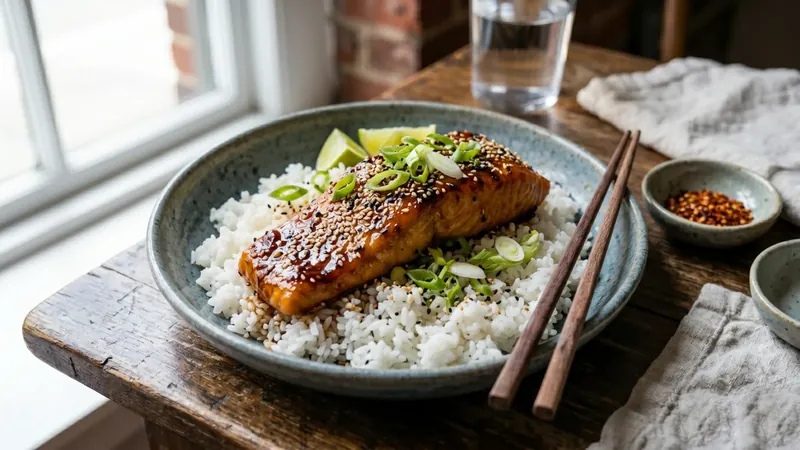
If you cannot get hilsa, American shad is the closest relative and shares the same oiliness and the same bone structure — it is, taxonomically, a cousin. Failing that, mackerel steaks or even thick salmon steaks will take the mustard sauce well, though you lose some of the specific sweetness hilsa carries. Whatever you use, keep the fish on the bone and in steaks rather than fillets: the bone holds the flesh together through the gentle simmer, and a fillet will simply fall apart in the pan.
Buy hilsa as fresh as you can find it and ask the fishmonger to cut it into steaks for you if you are not confident doing it yourself — the ribcage runs at an angle that is easy to misjudge on a first attempt, leaving you with steaks that are thicker on one side than the other and cook unevenly as a result. If you are working from frozen, thaw the steaks slowly in the refrigerator overnight rather than under running water, which keeps more of the fish’s own oil inside the flesh rather than leaching it into the packaging.
A Note on the Bones
Hilsa carries a reputation for being one of the boniest fish anyone regularly chooses to eat, and it earns that reputation honestly. The fine, forked bones run through the flesh at irregular angles rather than in the single predictable line you get with a salmon fillet, and there is no shortcut to removing all of them before cooking without destroying the steak in the process. Bengali households handle this by teaching children the geography of the fish early: eat slowly, feel with your tongue before you swallow, and treat the meal as something that asks for attention rather than something to get through while distracted. It is worth trying at least once even if that sounds like more effort than a weeknight allows — the unhurried pace is part of why the dish has kept its status for as long as it has.
The Mustard, Handled Carefully
Raw mustard seed, ground straight into a paste, is aggressively bitter and sharp if you rush it — this is the single mistake that ruins most home attempts at shorshe ilish. Two things fix it. First, soak the seeds in warm water for a full 30 minutes before blending; dry-grinding mustard releases far more of its volatile, bitter compounds than grinding soaked seed. Second, mix yellow and black mustard seeds rather than using black alone — yellow seeds are milder and rounder in flavour, and the blend gives you pungency without the seeds tasting like they are fighting you.
A small spoon of yoghurt stirred into the finished paste is a trick many Bengali home cooks use to round off any remaining harshness, and I have started doing it as standard even though purists will tell you it is not traditional. It is a genuinely useful correction if your mustard seeds are older or more bitter than you expected, and it does not mute the dish, it just takes the edge off.
Mustard oil is not optional here in the way it might be in other Indian regional cooking. Its pungent, almost horseradish-like sharpness is part of the dish’s identity, and a neutral oil will leave the sauce tasting flat. Heat it until it just stops smoking before you add anything, which cooks off the rawest, most acrid top notes while keeping the flavour intact — this step matters more than people think, and skipping it is the second most common reason a home version tastes harsher than the restaurant one.
Method Notes
Once the fish goes into the pan, resist the urge to stir. Hilsa flesh is soft and breaks apart easily once cooked; shake the pan gently by the handle instead of using a spoon, and only turn the steaks once, carefully, halfway through if the pan is shallow enough that the top isn’t submerged in sauce. The dish is ready when the sauce has thickened slightly and a thin layer of orange-tinted oil separates and pools at the edges of the pan — that separation is the same visual cue you look for in a good curry, and it tells you the fat in the fish and the fat in the paste have both rendered properly.
Serve shorshe ilish with plain steamed rice and nothing else competing for attention — no raita, no pickle, not even much in the way of a vegetable side, because the dish is built to be the entire flavour event of the meal. A squeeze of lime at the table is common in some households and genuinely welcome if the sauce has come out on the richer side. Some cooks add a final scatter of raw green chilli at the table rather than in the pan, so each diner can choose their own heat level rather than having it fixed during cooking.
Storage and Make-Ahead
Shorshe ilish keeps for two days refrigerated in an airtight container, and many Bengali cooks will tell you it is better the next day once the mustard paste has had time to mellow and marry with the fish oil. Reheat it gently, covered, over low heat rather than in a microwave, which tends to make the fish rubbery. It does not freeze well — the texture of both the fish and the emulsified mustard sauce suffers badly on thawing, so treat it as a two-day dish and no longer. Make the mustard paste itself up to a day ahead and keep it covered in the refrigerator; the flavour actually settles a little, losing some of its rawest bite, which some cooks prefer.
Variations
Some households finish the dish under a covered pan with the heat off entirely for the last five minutes, letting residual steam finish the cooking rather than direct heat — gentler still, and worth trying if your fish steaks are on the thin side. A version called shorshe ilish bhapa steams the fish and paste together in a sealed tiffin box set inside a larger pan of simmering water, which produces an even softer result closer in technique to steaming fish in banana leaf. Coconut milk finds its way into some coastal variations of the paste, softening the mustard’s sharpness and pulling the dish closer to the flavour world of Odisha’s neighbouring coast, though purists in Kolkata will say this dilutes the point of the dish rather than improving it.
If you want to build a fuller Bengali spread around this dish, a bowl of shukto at the start of the meal and a pot of dal makhani or a lighter dal tadka alongside gives you the full arc of a Bengali thali, bitter to rich, without a single dish crowding another. A plate of luchi instead of rice is the more festive option, and it soaks up the mustard oil at the edges of the dish rather better than rice does.
The one thing not to do is skip the resting time at the end. Five minutes off the heat lets the mustard paste settle back into the oil rather than sitting on top of it, and the difference between a shorshe ilish eaten straight off the stove and one given those five minutes is bigger than the time investment suggests.
Related Content