Shiro: The Ethiopian Chickpea Stew
The everyday stew that holds an Ethiopian kitchen together
Contents
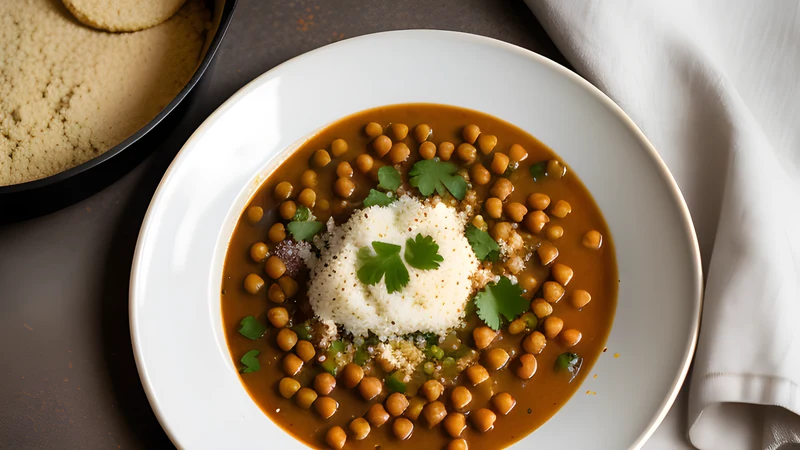
↓ Jump to recipeThere is a version of shiro that comes out grey and gluey, tasting of raw flour and disappointment, and there is the version served in a good Ethiopian home, where the stew is silky, faintly nutty, dark red with berbere, and so comforting you could eat it every day of the week. Millions of people do exactly that. Shiro is the quiet backbone of the Ethiopian and Eritrean table, the dish that appears when there is no meat, when there is fasting to observe, or simply when someone wants supper on the plate in half an hour. The gap between the two versions is entirely technique, and it is technique anyone can learn in one afternoon.
Shiro: The Ethiopian Chickpea Stew
Ingredients
- 150g shiro flour (finely milled chickpea flour, plain or spiced)
- 2 large onions (about 400g), very finely chopped
- 4 tbsp niter kibbeh, or 3 tbsp neutral oil plus 1 tbsp butter
- 4 garlic cloves, crushed
- 3cm piece fresh ginger, grated
- 2 tbsp berbere spice blend
- 1 tbsp tomato purée
- 700ml warm water, plus more to loosen
- 1 tsp salt, plus more to taste
- 1 green chilli, slit (optional)
- Injera or flatbread, to serve
Method
- Cook the finely chopped onions in a dry heavy pan over medium heat for 8–10 minutes, stirring, until collapsed and jammy, adding a splash of water if they catch.
- Add the niter kibbeh (or oil and butter) and cook another 5 minutes until the onions turn glossy and deep gold.
- Stir in the garlic and ginger for 1 minute, then the berbere and tomato purée, and fry gently for 2 minutes so the spices bloom.
- Whisk the shiro flour into 700ml warm water in a jug until completely smooth with no lumps.
- Pour the slurry into the pan in a steady stream, whisking constantly, then bring to a gentle simmer.
- Cook on low for 20–25 minutes, stirring often, until the raw flour smell is gone and the stew coats a spoon; loosen with hot water if it thickens too far.
- Season with salt, drop in the slit green chilli if using, and rest off the heat for 5 minutes before serving hot with injera.
What shiro actually is
Shiro is a stew built from milled pulse flour, usually chickpeas, sometimes broad beans or a blend, cooked into a smooth sauce with onion, garlic, spiced butter and berbere. The word refers both to the flour and to the finished dish. In Ethiopia you buy shiro flour already milled, and often already seasoned with garlic, ginger, dried chilli and warm spices ground straight into the powder, which is why two cooks working from the same recipe can produce noticeably different results depending on what their local miller put in the bag.
The dish sits at the centre of Ethiopian eating for a practical reason. The Ethiopian Orthodox Church observes around 200 fasting days a year, during which observant people eat no animal products at all. Shiro, being pure legume, carries the table through every one of those days. It is the original fasting food, cheap, filling, endlessly repeatable, and good enough that nobody treats it as a hardship. On a beyaynetu, the shared platter of many small vegetable dishes fanned out over injera, shiro is almost always the generous puddle in the middle that everyone reaches for.
There are two broad styles worth knowing. Shiro tegabino is cooked and served in a small clay pot called a dist, kept deliberately thick and often still bubbling volcanically when it reaches the table. Shiro wat, the looser everyday version, is thinner and spreads across the injera. The recipe here leans toward the everyday wat, which is more forgiving and easier to gauge, and I have written how to push it toward tegabino at the end.
The two things that make or break it
Everything good about shiro comes down to two moves. The first is the onion base. Ethiopian stews start by cooking a large quantity of very finely chopped onion in a dry pan, with no fat at all, until it collapses into a soft jammy mass. Only then does the spiced butter go in. Cooking the onion dry first drives off its water and concentrates its sweetness without frying it hard, and it builds the deep, almost caramelised foundation that every good wat shares. Rush this and add oil too early and you end up boiling the onion in fat, which tastes flat. Give it the full ten minutes.
The second move is the slurry. The most common shiro disaster is lumps, and the fix is simple: never tip dry flour into hot liquid. Whisk your shiro flour into warm water in a jug first, off the heat, until it is as smooth as thin batter, then pour that in a steady stream while whisking the pan. Do it this way and lumps are almost impossible. The other half of that same problem is undercooking. Chickpea flour tastes raw and chalky until it has simmered properly, so give it a genuine twenty minutes on low heat, stirring often to stop it catching, until the smell shifts from raw-bean to warm and toasty.
Niter kibbeh, the spiced butter
The fat that carries the flavour here is niter kibbeh, Ethiopian clarified butter infused with garlic, ginger, fenugreek, cardamom, nigella and often korarima, the Ethiopian black cardamom. It is the single ingredient that makes an Ethiopian dish taste unmistakably Ethiopian, and it is worth making a batch and keeping it in the fridge, where it lasts for months. If you have made kitfo with niter kibbeh you will already have a jar; the same spiced butter runs through half the Ethiopian repertoire. If you have none and no time, use a mix of neutral oil and a little butter, and accept that the result is very good rather than exceptional.
For a fully vegan shiro, which is how it is eaten on fasting days, swap the niter kibbeh for a spiced oil: warm neutral oil gently with a crushed garlic clove, a slice of ginger and a pinch each of fenugreek and cardamom, then strain. The dish loses none of its comfort.
Making it, step by step
Start with the onions, finely chopped, in a dry heavy pan over medium heat. Stir them for eight to ten minutes as they soften and turn jammy; if they threaten to stick before they are ready, add a tablespoon of water rather than oil and keep going. When they are collapsed and sweet, add your niter kibbeh and cook another five minutes until the whole thing turns glossy and deep gold.
Now the aromatics. Stir in the crushed garlic and grated ginger for a minute, until fragrant, then add the berbere and tomato purée. Fry this gently for a couple of minutes so the spices bloom in the fat, which softens their raw edge and deepens the colour to a rusty red. Keep the heat moderate here; berbere contains a lot of paprika and chilli, and both scorch and turn bitter if the pan is too hot.
Meanwhile, whisk your shiro flour into 700ml of warm water in a jug until perfectly smooth. Pour it into the pan in a steady stream, whisking constantly, then bring the lot to a gentle simmer. Turn the heat to low and cook for twenty to twenty-five minutes, stirring often, until the raw flour smell has gone and the stew is thick enough to coat the back of a spoon. If it thickens past what you want, loosen it with a splash of hot water. Season with salt, slip in a slit green chilli if you like a low background heat, and let it rest off the heat for five minutes. It will thicken further as it sits, so aim slightly looser than your final target.
Berbere: buy it or build it
Berbere is the soul of the dish, a red spice blend built on chilli, paprika, fenugreek, ginger, garlic, coriander, cardamom, allspice and more. A good jarred berbere from an African or Middle Eastern grocer is entirely fine and will save you an evening of toasting and grinding. If you buy it, taste it first: some blends are fiercely hot, others mild and aromatic, and you may want to adjust the two tablespoons here up or down. If you like building your own blends, the same rusty-red berbere logic drives zigni, the Eritrean berbere stew, so a homemade batch earns its keep.
Serving it the right way
Shiro belongs on injera, the tangy fermented teff flatbread that doubles as plate and cutlery. You ladle the stew into the centre, tear off pieces of injera with your right hand, and scoop. No forks. If you are making injera from scratch, the process runs alongside doro wat and injera from scratch, and one big batch of injera will serve several stews across a week. Short of injera, any soft flatbread, or even good bread and a spoon, does the job; shiro is generous about its company.
To turn a plain supper into a proper spread, set shiro beside a green lentil stew, a plate of collard greens cooked with garlic, and a simple tomato-and-onion salad sharp with lime. That fanned-out platter is the everyday Ethiopian dinner, and shiro anchors it.
Bozena shiro and the regional versions
Once you have the plain version down, the variations open up. Bozena shiro folds cubes or mince of cooked meat into the stew near the end, turning the fasting-day dish into a rich meat supper for feast days; it is a brilliant way to use up a little leftover braised beef or lamb. Mitin shiro uses a darker, more heavily spiced flour and comes out almost black-red and intensely aromatic. In the Gurage region, shiro is sometimes enriched with a spoonful of ground flaxseed or a handful of chopped kale, while cooks in Tigray and across the border in Eritrea often keep it looser and hotter. The flour itself carries regional identity: some millers grind pure chickpea, others blend in field peas or lentils, and the ratio changes the colour and the depth. Buying an already-spiced shiro flour means you inherit whoever ground it and their idea of the right balance, which is part of why no two households make the same shiro. If you find a flour you love, note the brand, because it becomes the invisible signature of your version. And if all you can find is plain chickpea flour, simply lean harder on the fresh garlic, ginger and berbere to build the seasoning the miller would otherwise have added.
Tips, storage and variations
For shiro tegabino, keep the stew thicker: use 550ml of water instead of 700ml, finish it in a small clay pot or heavy mini-casserole, and serve it still bubbling, dropping a knob of niter kibbeh on top to melt at the table.
For a heartier version, stir a handful of finely chopped tomato into the onion base before the flour goes in, or fold through wilted spinach at the end.
Shiro thickens dramatically in the fridge, setting almost to a paste. It keeps for four days and reheats beautifully; just add a good splash of water and whisk over low heat until it loosens back to a stew. It also freezes well for up to two months. If anything, day-two shiro tastes better, the spices having settled and married overnight.
The most common fixable faults: grainy texture means the flour was undercooked, so simmer longer; a flat, dull taste usually means the onions were rushed or the berbere never got its two minutes in the fat; and bitterness means the spices scorched, so keep that heat gentle. Get the onion base slow and the slurry smooth, and shiro rewards you every single time, which is exactly why an entire country eats it so often.
Related Content