Sharba Libiya: Lamb, Orzo and Dried Mint
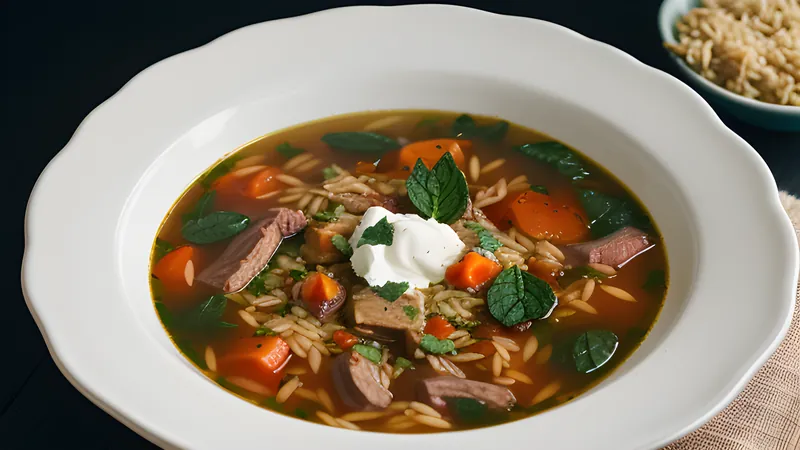
A rust-red lamb soup thickened with orzo and finished with dried mint and lime
Contents
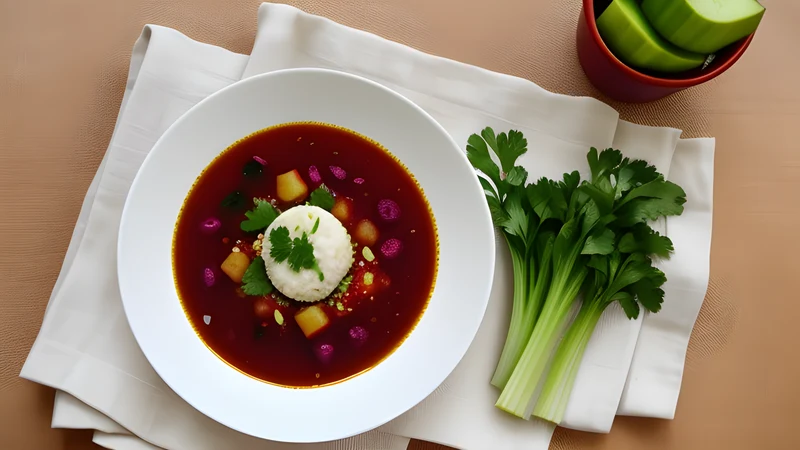
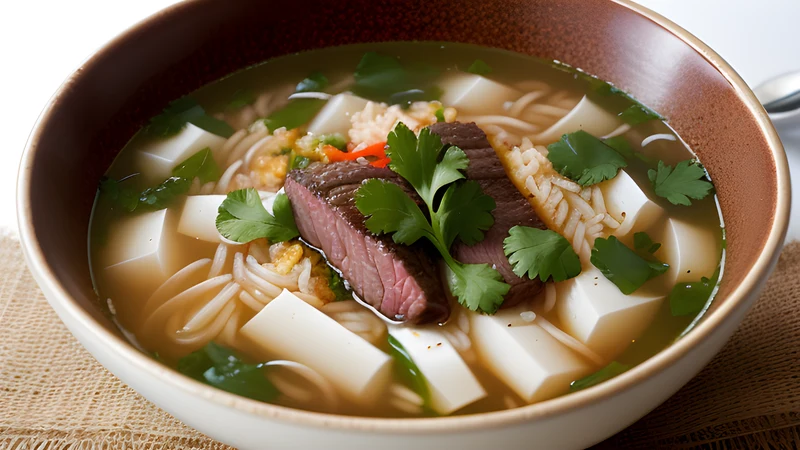
↓ Jump to recipeSharba is the soup that opens the fast across Libya during Ramadan, ladled out the moment the sun goes down after a full day without food or water, and its whole character is built for that exact moment. It is rust-red from tomato and paprika, thick enough to be genuinely sustaining without being heavy, sharp with dried mint and a squeeze of lime, and built around small pieces of lamb and orzo that cook down into something closer to a thick, restorative broth than a delicate starter soup. Outside Ramadan it is eaten year-round as a first course or a light meal in its own right, but it is at iftar that sharba does its most important work.
Sharba Libiya: Lamb, Orzo and Dried Mint
Ingredients
- 500g lamb neck or shoulder, cut into small 2cm pieces
- 2 tbsp olive oil
- 1 onion, finely chopped
- 4 garlic cloves, crushed
- 2 tbsp tomato purée
- 3 tomatoes, grated
- 1 tbsp sweet paprika
- 1 tsp ground turmeric
- 1/2 tsp ground cinnamon
- 1/2 tsp chilli flakes, or to taste
- 1.8 litres lamb or chicken stock
- 1 x 400g tin chickpeas, drained
- 100g orzo pasta
- 2 tbsp tomato paste dissolved in 100ml water (for extra colour, optional)
- 2 tsp salt, plus more to taste
- 2 tbsp dried mint, crushed between your fingers
- 1 lime, cut into wedges, to serve
- Small bunch coriander, chopped, to serve
Method
- Heat the olive oil in a heavy pot over medium-high heat. Brown the lamb pieces in batches until well coloured, then remove.
- Add the onion to the same pot and cook 8 minutes until soft. Add the garlic and cook 1 minute more.
- Stir in the tomato purée, grated tomato, paprika, turmeric, cinnamon and chilli flakes. Cook 3-4 minutes until darkened and fragrant.
- Return the lamb to the pot, add the stock and salt, bring to a simmer, cover and cook 40 minutes until the lamb is tender.
- Add the chickpeas and orzo, and simmer uncovered for a further 10-12 minutes, stirring occasionally, until the orzo is tender and the soup has thickened slightly.
- Taste and adjust salt and chilli. The soup should be a deep rust-red and lightly thickened, not watery.
- Stir most of the crushed dried mint through the pot in the final 2 minutes, reserving a little for garnish.
- Ladle into bowls, scatter with the remaining dried mint and chopped coriander, and serve with lime wedges to squeeze in at the table.
The soup that breaks the fast
There is a practical logic behind sharba’s popularity as an iftar opener that goes beyond tradition. After a full day without food, a heavy, rich dish arriving first can genuinely upset a stomach that has had nothing in it for many hours. Sharba is warm, mildly spiced, and easy to digest, built from familiar, gentle ingredients — lamb broth, tomato, small pasta, chickpeas — that ease the body back into eating rather than shocking it. It is traditionally the very first thing served, often alongside a date, before the rest of an iftar spread of heavier dishes follows. That role, as the soup that comes before everything else, has made it one of the most consistently cooked dishes in Libyan homes during the month, appearing on tables that might otherwise vary wildly night to night.
Sharba shares this opening-course role with soups across the Maghreb during Ramadan — Algeria’s chorba and Tunisia’s own soups play a near-identical part at their own iftar tables — and the family resemblance between chorba frik and sharba is obvious in the shared reliance on tomato, warm spice and a starchy thickener, even though frik leans on cracked young wheat where Libya’s version leans on orzo.
Building the red base
Sharba’s colour and depth come from browning lamb hard before anything else goes into the pot, then building a tomato base thick with paprika, turmeric and a whisper of cinnamon that sits underneath the dish without announcing itself. This is a subtler spice profile than the caraway-forward sauce that surrounds bazin, Libya’s other great lamb dish — sharba leans warmer and sweeter thanks to that touch of cinnamon, which is easy to overdo and should stay firmly in the background, there to round out the tomato rather than to taste distinctly of itself.
Small pieces of lamb, cut down to around two centimetres rather than left in large stewing chunks, cook through in the same time it takes the broth to develop real depth, which keeps the whole dish moving at a soup’s pace rather than a stew’s. Grated fresh tomato alongside tomato purée gives both immediate acidity and a slow-building richness as the purée cooks down and darkens in the pot before the liquid goes in.
Orzo and chickpeas: the body of the soup
Orzo is what gives sharba its characteristic thick, almost porridge-like body, and it needs careful timing. Add it too early and it overcooks into mush by the time the soup is ready to serve; add it in the last ten to twelve minutes, as this recipe does, and it cooks through properly while still holding a little bite, releasing just enough starch into the broth to thicken it without turning it gluey. Chickpeas go in alongside the orzo, adding bulk and a mild nuttiness that plays well against the tomato and spice without competing with the lamb for attention.
Because orzo continues to absorb liquid even after the pot comes off the heat, sharba tends to thicken further on standing, which is expected rather than a fault — a pot that looks perfectly soupy when it comes off the stove can turn considerably thicker within twenty minutes. If you are not serving immediately, keep a little extra hot stock on hand to loosen it back to the right consistency.
Dried mint, not fresh, and why
The mint in sharba is dried, crushed between the fingers just before it goes into the pot, and this is a deliberate choice rather than a matter of convenience. Dried mint has a concentrated, slightly musty, almost tea-like flavour that is quite different from the bright, sharp freshness of fresh mint leaves, and it is that particular dried character — closer to the mint used in Moroccan tea than to a garden herb — that sharba is built around. Fresh mint stirred in at the same quantity produces a soup that tastes merely herby rather than distinctly Libyan; the dried version carries a warmth and depth that fresh mint simply does not have.
Crushing the dried mint between your fingers just before it goes in, rather than adding it straight from a jar, releases more of its aroma and avoids the slightly stale, dusty taste that pre-crushed dried herbs can develop in storage. A squeeze of lime at the table is the other essential finishing touch, and it should genuinely be added at the table rather than during cooking — lime added early loses its brightness over the simmer, while a fresh squeeze right before eating cuts through the richness of the lamb and lifts the whole bowl noticeably.
Serving and what goes with it
Sharba is traditionally served with a scatter of fresh coriander on top and lime wedges on the side, plus bread for anyone who wants to eat it more substantially. At iftar it is often accompanied by dates and a savoury pastry, but on any other day it stands perfectly well on its own as a light lunch or a starter before a bigger meal. A bowl reheated the next day, once the orzo has fully absorbed into the broth, edges closer to a thick lamb-and-tomato porridge than a soup, and many Libyans consider that second-day version, loosened with a little extra stock, just as good as the first.
A soup with Ottoman and Italian fingerprints
Sharba’s name gives away part of its history. The word traces back through Turkish çorba to a wider family of soup names found from the Balkans through the Middle East, a legacy of the centuries Libya spent as part of the Ottoman Empire, when Turkish administrators, garrisons and traders left their mark on the local kitchen alongside the political record. That word travelled further still, turning into chorba in Algeria and Tunisia, each country’s version diverging over time while keeping the shared root.
Libya’s twentieth-century experience under Italian colonial rule left its own smaller mark on the country’s food, mostly visible in the widespread use of pasta shapes like orzo, which slotted into existing soup traditions more easily than it displaced them. Orzo in sharba is not a foreign import bolted onto a local dish so much as a genuine synthesis: a small pasta shape, adopted and treated exactly the way rice or cracked wheat would be treated in a neighbouring country’s soup, thickening the broth and adding bulk in a way that has come to feel entirely native to the dish rather than borrowed.
Family versions and how they diverge
As with most dishes cooked daily across an entire country for a month straight during Ramadan, sharba varies significantly from household to household even while staying recognisably the same soup. Some families prefer it thinner, closer to a proper broth than a porridge, and add less orzo or serve it before the pasta has fully had time to thicken things. Others go the opposite direction, treating a thick, almost stew-like sharba as the correct version and adding extra orzo or a spoon of flour paste to guarantee it. The warmth from cinnamon and the sourness from lime are both adjusted to taste across different households too, with some families leaning the soup noticeably sweeter and others keeping it sharper and more savoury. What almost never changes is the tomato base and the dried mint finish — those two elements are close to universal across every version of sharba you will find, from a home kitchen in Tripoli to one in Benghazi.
Tips and common mistakes
The most common mistake is adding the orzo too early, which leaves it soft and bloated by serving time and thickens the soup unpredictably. Stick to the final ten to twelve minutes and taste a piece of orzo before deciding it is done — it should have a slight bite left, since it will continue softening off the heat.
The second is skimping on the tomato-cooking stage at the start. Rushing past the few minutes needed to properly cook down the tomato purée and grated tomato before adding liquid leaves the finished soup tasting thin and raw rather than deep and rounded; that early cooking stage is where much of the dish’s flavour actually develops.
Substitutions and variations
Beef can replace lamb with a slightly less rich but still satisfying result, and some households use chicken for a lighter version, particularly outside Ramadan. Rice is a reasonable substitute for orzo in a pinch, though it changes the texture noticeably, turning the soup closer to a thick rice porridge rather than the pasta-thickened broth orzo produces. For a vegetarian version, omit the lamb, use vegetable stock, and lean a little harder on the chickpeas and a knob of butter stirred through at the end for richness.
Storage
Sharba keeps well in the fridge for up to three days, though expect it to thicken considerably as it sits — loosen with a splash of stock or water when reheating, and taste again for salt and lime, since both dull slightly on standing. It freezes reasonably well for up to two months, though the orzo’s texture softens further after freezing and thawing, so a fresh batch of orzo stirred through a thawed pot of broth, rather than freezing the orzo in it, gives a better result if you are planning ahead.
It is a soup built with real intention behind every choice — the dried mint, the late-added orzo, the lime saved for the table — and that intention is exactly what makes it work as well as it does at the exact moment, every evening for a month, when a Libyan household needs it most.
Related Content