Sarmale: Romanian Cabbage Rolls
sour cabbage, pork and rice, cooked low for half a day
Contents
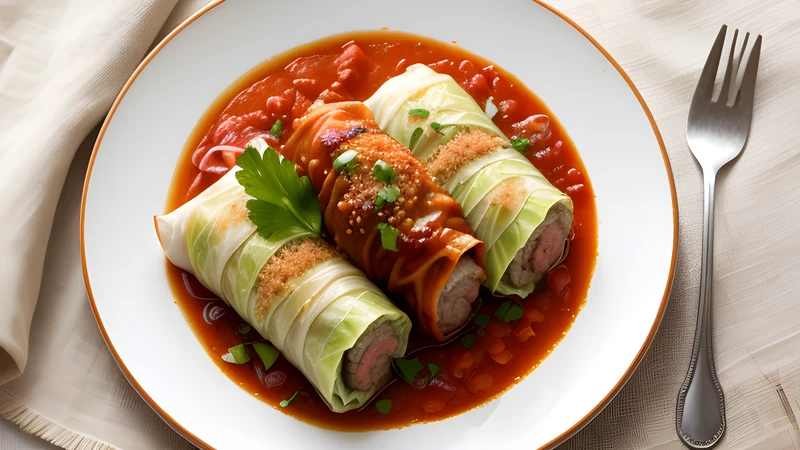
↓ Jump to recipeEvery Romanian family has a sarmale opinion, and most of them disagree. How tight to roll them, whether to use rice alone or rice and a little bulgur, whether the cabbage should be sour from a barrel or fresh and blanched, how much smoke to build in, whether a splash of tomato belongs in the pot at all. What almost nobody disagrees on is that sarmale are a special-occasion dish, the centre of the Christmas and Easter table, cooked in enormous batches and left to cook so slowly that the house smells of it for the whole of the day before. This is a weekend project, and it is one of the great rewards of Romanian home cooking.
Sarmale belong to a huge family of stuffed-leaf dishes that spread across the former Ottoman world, from Turkish dolma and sarma through the Balkans and up into Romania and Moldova. The word itself comes from the Turkish sarmak, to wrap. What makes the Romanian version its own thing is the souring of the cabbage and the deep smoky-porky background note. Where a Turkish sarma might be small, olive-oil-based and served cool, Romanian sarmale are hearty, hot, meaty and paired without exception with a dollop of soured cream and a slab of mămăligă, the cornmeal alongside brânză and smântână. That trio, sarmale, mămăligă and smântână, is the plate you picture when you picture Romanian food.
Sarmale: Romanian Cabbage Rolls
Ingredients
- 1 large whole soured (pickled) cabbage, or 1 large fresh green cabbage plus brine (see note)
- 600g minced pork (about 20% fat)
- 150g long-grain rice, uncooked
- 2 onions, finely diced
- 3 tbsp sunflower oil or lard
- 1 tbsp sweet paprika
- 1 tsp dried thyme
- 2 tbsp tomato paste
- 150g smoked bacon or smoked pork ribs, chopped
- 1 tsp black pepper
- 1 tsp salt (less if the cabbage is very salty)
- 2 bay leaves
- A few sprigs of fresh dill, plus more to serve
- 500ml tomato passata or 400g tinned chopped tomatoes
- Smântână or soured cream and mămăligă, to serve
Method
- Prepare the cabbage: separate leaves from a whole soured cabbage, or core and blanch a fresh head, peeling off leaves as they soften. Trim the thick central rib of each leaf flat.
- Fry the diced onion in oil until soft and golden, stir in the paprika and tomato paste off high heat, then let it cool completely.
- Mix the cooled onion into the minced pork with the raw rice, thyme, salt and pepper until well combined.
- Place a heaped tablespoon of filling near the stem of each leaf, fold the sides in and roll into a snug parcel about thumb-sized. Do not overfill; the rice needs room to expand.
- Line a heavy pot with shredded cabbage. Pack the rolls in seam-side down in tight layers, tucking chopped smoked bacon, bay leaves, dill and more shredded cabbage between them.
- Pour over the passata loosened with water to almost cover, weight with a heatproof plate, bring to a gentle simmer, then cook covered in a 150C oven for at least 3 hours (longer is better).
- Rest, then serve hot with cold smântână and a wedge of mămăligă. They improve reheated the next day.
The dish at the centre of the year
To understand sarmale you have to understand where they sit in the Romanian calendar. These are the food of celebration and of grief alike, cooked for Christmas, Easter, weddings, baptisms and funeral meals, the pomana. At Christmas especially they are inseparable from the pig, because rural Romania traditionally slaughters a pig in December, the tăierea porcului, and the fresh pork and the smoked cuts that come from it are exactly what fills and flavours the sarmale on the holiday table. A batch is rarely small. Families cook fifty, eighty, a hundred rolls at a time in the biggest pot in the house, because they will feed a crowd over several days and because sarmale genuinely improve with reheating.
There is a rhythm to it that is almost ceremonial. The women of a household, often across two or three generations, sit around a table the day before the feast and roll together, and the technique is passed down hand to hand rather than written. A grandmother will pick up a granddaughter’s roll, judge it too large, and demonstrate again. The size of a family’s sarmale becomes a small point of identity: some make them thumb-sized and dainty, some fist-sized and rustic, and each is certain theirs is the correct way.
Sour cabbage is the soul of it
The defining flavour of proper sarmale is the sourness of the cabbage. In Romania whole cabbages are pickled in brine in barrels through autumn, producing varză murată, and the leaves come off soft, tangy and pliable, ready to wrap. If you have access to a Romanian, Polish or Balkan shop, buy a whole soured cabbage; it is the authentic route and by far the easiest, because the leaves are already supple.
If you cannot get soured cabbage, you have two options. The quick route is to blanch a fresh green cabbage: core it, lower the whole head into boiling water, and peel off leaves as they soften, a couple of minutes each, then add a good splash of the cooking with sauerkraut brine or a few tablespoons of lemon juice to the cooking liquid later to build back the sourness. The proper route is to sour a fresh cabbage yourself over a couple of weeks in salted water, which is a lovely thing to do if you plan ahead but demands foresight most of us do not have on a Tuesday. Trim the thick central rib of each leaf flat with a knife so it rolls neatly.
The filling, and why the rice stays raw
The filling is minced pork, raw rice, softened onion, paprika, thyme and plenty of black pepper. Use pork with a decent fat content, around 20 percent, because lean pork gives dry, tight rolls. Some cooks add a little minced beef or smoked bacon into the mix for depth; I keep a portion of chopped smoked bacon for layering in the pot instead, which threads smoke through the whole dish.
The rice goes in uncooked. This is the point beginners worry about, but it is deliberate: the rice swells as it absorbs the pork juices and cooking liquid over the long braise, which both cooks it perfectly and keeps the rolls juicy from the inside. Use only about a quarter to a third the volume of rice to meat, because rice roughly triples in size and too much turns the filling stodgy. Fry the onion soft and golden first, stir in the paprika and tomato paste off direct high heat so the paprika does not scorch and turn bitter, then let it cool before mixing into the raw pork and rice. Mixing hot onion into raw meat starts to cook it and makes the filling greasy.
Rolling and layering
Take a cabbage leaf, put a heaped tablespoon of filling near the stem end, fold the sides in and roll into a neat parcel about the size of your thumb. Romanian sarmale are traditionally small and tight; the smaller the roll, the more prized it is thought to be, and small rolls also cook more evenly. Do not overfill; the rice needs room to expand or the rolls burst.
Line the base of a heavy pot with a layer of shredded leftover cabbage or a few outer leaves; this cushion stops the bottom rolls scorching. Pack the rolls in seam-side down, snugly, in tight circles, tucking chopped smoked bacon, bay leaves and a little more shredded cabbage between the layers. Build up in tiers. Slide a couple of smoked pork ribs in among them if you have them. The tight packing keeps the rolls from unravelling as they cook.
The long, slow cook
Pour over the tomato passata mixed with enough water to almost cover, tuck in the dill sprigs, and weight the top with a heatproof plate to keep everything submerged and compact. Bring to a gentle simmer on the hob, then move to a low oven, around 150°C, and cook for at least three hours, ideally longer. Some families cook them for five or six hours, or overnight in a very low oven, and the sarmale only get better. Check now and then that there is still liquid, topping up with a little hot water if needed.
The transformation over those hours is the whole magic: the cabbage goes silky, the pork tenderises, the rice drinks up the smoky tomato liquor, and the flavours meld into something far greater than the raw ingredients suggest. Sarmale are one of those dishes that taste noticeably better the next day, so making them a day ahead and reheating gently genuinely improves them. That is why they are cooked in vast batches for holidays.
Choosing your pot and your fat
The vessel matters more than most recipes admit. Sarmale want a heavy pot, traditionally an earthenware or cast-iron one, deep enough to stack the rolls in several tiers so the weight of the upper layers keeps the lower ones packed. A wide, shallow pan lets the rolls float and unravel. The classic Romanian vessel is the oală, a tall glazed clay pot, and if you own a deep casserole with a tight lid you have the modern equivalent.
Fat is the other quiet decision. Lard, untură, is the authentic cooking fat and gives the most traditional flavour, carrying the smoke and paprika through the dish. Sunflower oil is the everyday substitute and works well. Some cooks lay strips of smoked bacon or a rind of pork fat over the very top of the pot before it goes in the oven, which bastes the surface rolls and adds a final layer of richness as it renders down. Whatever fat you choose, do not stint; sarmale are not a lean dish, and the fat is what makes the long braise taste round rather than thin.
Serving, storing, and getting ahead
Serve sarmale hot, two or three per person, with a generous spoon of cold smântână or soured cream cutting the richness, a wedge of mămăligă to soak up the sauce, and a fresh grind of pepper. A hot green or pickled chilli on the side is traditional and welcome. They keep in the fridge for up to four days and reheat beautifully, and they freeze well too, so a big pot is never wasted. If anything, freeze them; the texture survives the freezer remarkably well.
Variations across the regions
In Moldova and parts of the north, cooks wrap smaller rolls in vine leaves in summer when cabbage is out of season, giving a lighter, more herbal version. Transylvanian versions lean heavier on smoked meat and sauerkraut. A vegetarian sarmale for fasting periods swaps the pork for rice cooked with mushrooms, carrot and plenty of onion and dill, which is genuinely good and standard on Orthodox fasting tables. Some cooks add a spoon of the cabbage brine to the pot for extra sourness; taste and judge, because barrel cabbage is already tangy.
If you are building a full Romanian meal around these, a sour soup makes a fine opener; the tangy, dill-scented ciorbă de perișoare, the sour meatball soup, plays beautifully against the richness to come. And for the wider Central European tradition of pork cooked long with sour cabbage, the Polish bigos, the hunter’s stew, is sarmale’s spiritual cousin from the next country over.
One more practical note before you start: sarmale scale up far more easily than they scale down, so if you are going to spend a day rolling, make a double batch and freeze half. Cook them fully, cool, and freeze in their sauce in portions; they reheat from frozen in a low oven with a splash of water and taste, if anything, better for the rest. A pot made in February will pull you through several dark evenings, and there is real comfort in opening the freezer on a tired night to find a meal that already took its slow time months ago.
Set aside a slow day, put the radio on, and roll. Sarmale reward patience more honestly than almost anything I cook, and the pot that smells up the house all afternoon is the whole point.
Related Content