Sambal Matah: Raw Shallot and Lemongrass Relish
Bali's uncooked sambal, sharp with shallot and bright with lemongrass and lime
Contents
↓ Jump to recipeMost sambals in Indonesia are cooked — pounded, fried in oil, sometimes simmered down until the paste turns glossy and dark. Sambal matah does none of that. Its name means, roughly, “raw sambal,” and it’s the one major exception to the rule that Indonesian chilli condiments need heat to come together. Everything in it — shallot, lemongrass, chilli, kaffir lime leaf — stays raw and sliced, dressed only in hot oil poured over at the very last moment. The result tastes sharper, greener and considerably more aggressive than a cooked sambal, and it’s built to sit on top of rich, slow-cooked dishes rather than to be a dish in its own right.
Sambal Matah: Raw Shallot and Lemongrass Relish
Ingredients
- 10 shallots, peeled
- 3 stalks lemongrass, tender inner core only
- 8 bird's eye chillies, thinly sliced (more or fewer to taste)
- 2 kaffir lime leaves, very finely shredded, tough centre rib removed
- 1 tsp shrimp paste (terasi), toasted or dry-fried
- 1 tsp salt
- 1/2 tsp sugar
- 2 tbsp lime juice
- 4 tbsp vegetable or coconut oil
- 2 cloves garlic, very thinly sliced
Method
- Slice the shallots as thinly as you can manage, ideally with a mandoline, and place in a bowl.
- Trim the lemongrass to the pale, tender inner core, bruise lightly, then slice into the thinnest possible rounds.
- Add the sliced lemongrass, chilli and shredded kaffir lime leaf to the shallots.
- Toast the shrimp paste in a dry pan for a minute, or wrap in foil and toast, until fragrant, then crumble it into the bowl.
- Add salt, sugar and lime juice, and toss everything together with your hands, scrunching gently to bruise the shallot and release its juices.
- Heat the oil in a small pan with the sliced garlic until the garlic turns light golden and the oil is very hot but not smoking, about 2 minutes.
- Pour the hot oil and garlic over the shallot mixture immediately, and stir well — the sizzle should be audible.
- Taste and adjust salt, lime and chilli, then let the sambal sit for 10 minutes before serving so the flavours settle.
Why raw, when almost everything else in the region is pounded
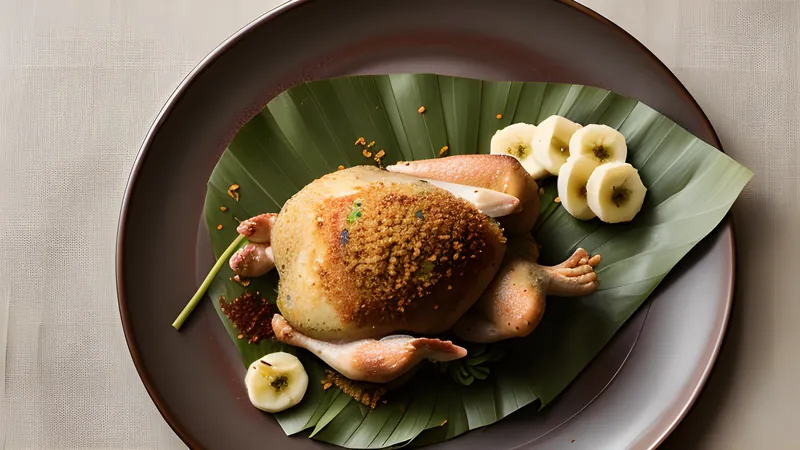
Bali’s food culture leans heavily on long-cooked, deeply spiced dishes — ayam betutu rubbed with paste and slow-roasted for hours, sate lilit packed onto lemongrass stalks and grilled. Sambal matah exists as the counterweight to all of it: a bright, uncooked, texturally crunchy condiment designed to cut through richness rather than add to it. Where a cooked sambal brings depth and a kind of settled, fried-down sweetness, sambal matah brings acidity, raw pungency and a genuine crunch from the shallot and lemongrass that a cooked chilli paste simply cannot replicate, because heat softens exactly the textures this sambal depends on.
The dish is originally associated with Balinese home cooking rather than restaurant menus, made fresh for each meal rather than kept as a jarred condiment, because raw shallot and lemongrass lose their crispness and sharpness within a day or two. That’s a real constraint worth respecting rather than working around — sambal matah made a day ahead is a noticeably lesser thing than sambal matah made twenty minutes before it hits the table.
Bali’s proximity to the sea and its history of trade also shaped the sambal in a quieter way: shrimp paste, an ingredient found right across the Indonesian archipelago and much of maritime Southeast Asia, threads through sambal matah as it does through countless other sambals, tying this specific Balinese relish back to a shared regional pantry rather than treating it as an isolated invention. What makes sambal matah distinct within that shared pantry isn’t the ingredients so much as the decision to leave nearly everything raw, at a time and in a place where pounding a paste in a stone mortar is the default technique for almost every other condiment on the table.
Slicing technique matters more than in almost any other recipe here
There is no blending, pounding or chopping shortcut for sambal matah, because the entire texture of the dish depends on every ingredient being cut into genuinely fine, even slices. Shallot cut in thick wedges will taste harsh and overwhelming, releasing a sharp raw pungency without the surface area that lets it also carry sweetness and juice into the mix. Aim for slices thin enough to see light through — a mandoline makes this considerably easier and more consistent than a knife, and it’s worth using one here even if you’d normally skip it for a recipe this simple.
Lemongrass needs the same treatment but starts from tougher material. Trim right down to the pale, tender core — the outer two or three layers are too fibrous to eat raw regardless of how finely you slice them — then slice the core into rounds as thin as you can manage. Even the tender core has some fibrousness to it, which is part of the point: sambal matah is meant to have a little resistance and chew running through the fine shallot and chilli.
Kaffir lime leaf, meanwhile, needs the opposite caution: too much, or cut too thick, and its intensely perfumed oil will dominate the whole sambal. Remove the tough centre rib first — it won’t soften no matter how finely you shred the rest of the leaf — then roll the leaf tightly and slice across it into hair-thin ribbons.
The hot oil pour: the one cooking step that isn’t optional
Sambal matah is raw, but it isn’t dressed with cold oil, and this distinction is what separates a good version from a flat one. Heating oil with a few slices of garlic until the garlic just turns golden, then pouring that hot oil directly over the raw shallot mixture, does something a cold dressing can’t: the heat very briefly wilts the outermost layer of the shallot and lemongrass, taking the rawest edge off their pungency while the interior stays crisp and genuinely raw. You should hear an audible sizzle when the hot oil hits the bowl — that sound is the sign the oil was actually hot enough to do this job, rather than merely warm.
Don’t let the oil go past light gold on the garlic, and don’t let it smoke; overheated oil brings a bitter, burnt garlic note into a condiment that’s otherwise built entirely around clean, bright flavours. Pour it on immediately once the garlic reaches colour, since the oil continues cooking the garlic even off the heat and can tip past golden into brown within moments.
Shrimp paste: small amount, real difference
A single teaspoon of toasted shrimp paste, crumbled into the shallot mixture before the oil goes in, adds a savoury backbone that raw shallot and chilli alone don’t have. It reads less as “seafood flavour” in the finished sambal and more as a general depth and umami lift — most people who haven’t cooked with terasi before are surprised by how little of its distinct smell survives into the final dressed sambal once it’s balanced against lime, salt and sugar. Toast it first, either in a dry pan for a minute or wrapped in foil and pressed against a hot pan — raw shrimp paste has a genuinely unpleasant sharp smell that cooking mellows considerably.
If shrimp paste isn’t available or you’d rather skip it, the sambal still works, losing some savoury depth but keeping its core identity as a bright, sharp shallot-and-lemongrass relish.
Balancing salt, sugar and lime
Sambal matah’s flavour sits on four points that all need checking at the end, not just at the start: salt for savouriness, a small amount of sugar to round the sharper edges off the raw shallot and lime, lime juice for acidity, and chilli for heat. Taste after mixing and again after the hot oil goes in, since the oil itself mellows some of the rawness and can shift how salty or sharp the mixture tastes relative to when it was purely raw ingredients in a bowl. It’s much easier to add a little more lime or salt at the end than to fix an oversalted or over-limed batch, so build up gradually on the first attempt rather than adding everything at once.
Let the finished sambal rest for ten minutes before serving. This isn’t about melding flavours the way a longer marinade would — it’s simply giving the salt time to draw a little moisture out of the shallot, which softens the very sharpest edge of its rawness without losing the crunch.
What can go wrong
The most common mistake is cutting the shallot too coarsely, which leaves the sambal tasting sharp and one-note rather than balanced — thick pieces of raw shallot carry all of the pungency and none of the sweetness that thin slicing releases. If your knife work isn’t consistently fine, it really is worth using a mandoline for this one recipe even if you’d normally avoid the extra washing-up; the difference in the finished texture is larger here than in almost any other dish that calls for sliced vegetables.
Oil that’s under-heated before the pour is the second common failure. If the garlic hasn’t properly coloured and the oil isn’t audibly sizzling on contact with the bowl, the whole point of the hot-oil step is lost — the shallot stays fully raw and harsh rather than having its outer edge gently wilted, and the garlic itself will taste flat and raw rather than nutty. Give the oil the full two minutes it needs, watching the garlic rather than the clock, since stove strength varies enough between hobs that timing alone isn’t a reliable guide.
Making the sambal too far ahead is the third pitfall, and it’s less forgiving than most people expect. Even an hour or two in the fridge changes the texture noticeably as the salted shallot continues to release liquid, turning a bright, crunchy condiment into something closer to a wet, softened relish. If you must prepare components ahead, slice the shallot, lemongrass and chilli and keep them separately, dry, in the fridge, then do the salting, lime and hot oil step just before serving.
Variations worth trying
Some versions include a small amount of finely diced ripe tomato for extra juiciness and a mild sweetness that plays well against the raw shallot’s sharpness — a variation that turns up often enough in Balinese home kitchens to count as a legitimate option rather than a foreign addition. A squeeze of extra lime just before serving, beyond what the recipe already calls for, is worth doing if your limes are on the milder side, since the sambal’s whole balance depends on genuine acidity rather than a token amount. Coconut oil in place of a neutral vegetable oil for the hot pour brings a faint sweetness of its own and is the more traditional choice in Bali, where coconut oil is the everyday cooking fat; either works, but they do taste subtly different, and it’s worth trying both to see which you prefer.
Serving
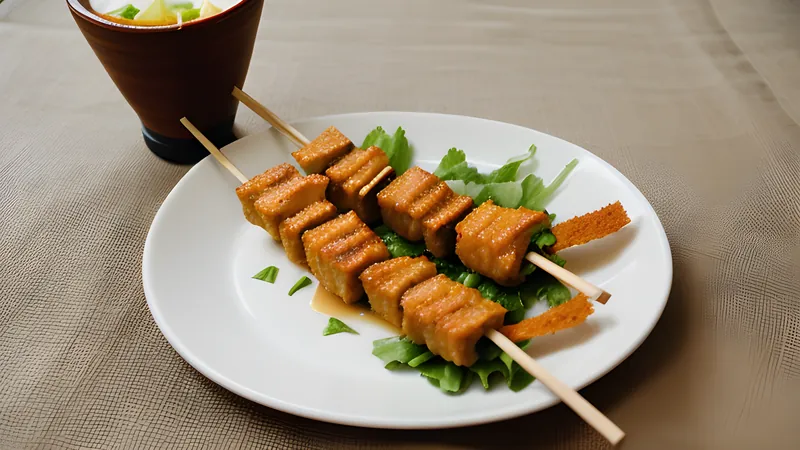
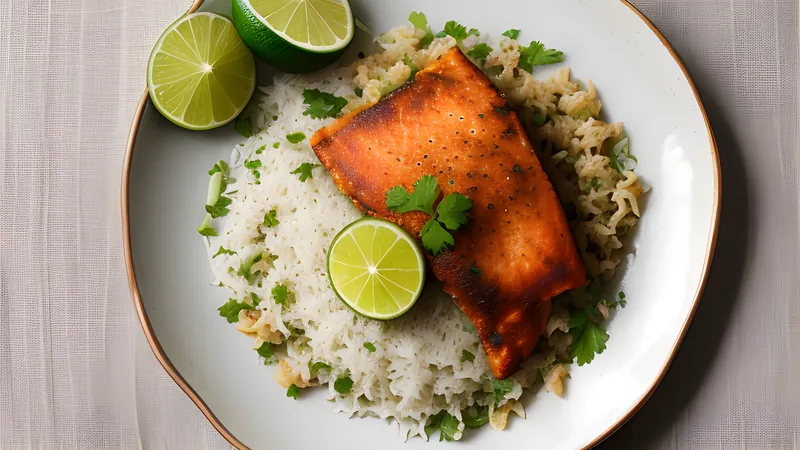
Sambal matah’s job is to sit on top of something rich rather than to be eaten alone. Spoon it generously over grilled fish or chicken, stir a spoonful through warm rice, or serve it alongside ayam betutu or any long-cooked, deeply spiced main for anyone who wants a sharper, fresher layer of chilli and acid on top of the dish’s built-in richness. It’s equally at home spooned over grilled meat from any Southeast Asian repertoire, including alongside satay skewers, where its raw crunch contrasts usefully against a peanut sauce’s sweetness.
Because it’s raw, sambal matah genuinely does not keep well — the shallot turns soft and the whole mixture starts to weep liquid within a matter of hours once dressed with salt and lime. Make it as close to serving time as you reasonably can, and treat any leftovers as good only for the same day, kept covered in the fridge, rather than something to plan on having again a few days later.
Related Content