Salsa Macha: The Chilli-Oil Salsa Worth Making
Veracruz's dark, nutty, keeps-for-months chilli oil
Contents
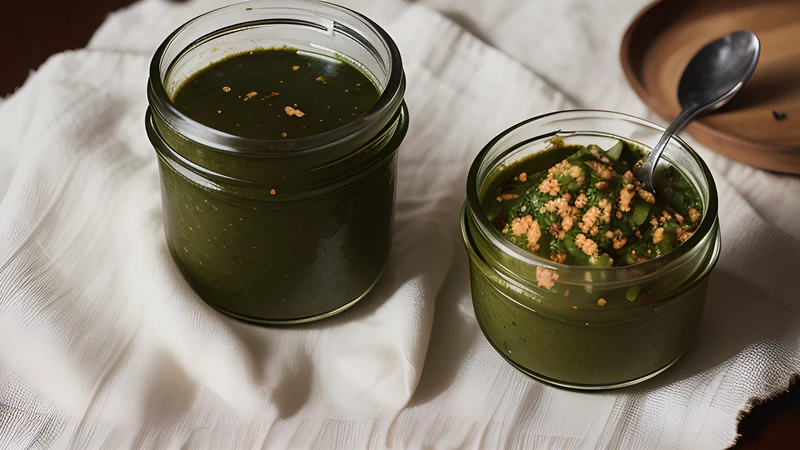
↓ Jump to recipeSalsa macha is the condiment I would save from a burning kitchen. It comes from Veracruz, on Mexico’s Gulf coast, and it is unlike the fresh, wet salsas most people picture when they hear the word. There is no tomato, no lime, no chopped raw onion. Instead it is dried chillies, garlic, seeds and nuts fried in oil and blended coarse — a dark, glossy, faintly smoky chilli oil with crunch suspended in it, closer in spirit to a Sichuan chilli crisp than to pico de gallo. It keeps for months, it improves almost everything it touches, and it takes twenty-five minutes to make.
The name is the interesting part. Macha comes from the same root as macho; the salsa is “brave” or “bold”, a nod to its heat. But the heat is only half the story. What makes salsa macha addictive is the depth: toasted nuts and seeds, sweet fried garlic, the fruity leather of dried chillies, all carried in oil that has drawn out their flavour. Spoon it over eggs, tacos, grilled meat, roasted vegetables, cheese, avocado toast, even vanilla ice cream if you are brave, and it lifts the plate.
Salsa Macha: The Chilli-Oil Salsa Worth Making
Ingredients
- 250ml neutral oil (grapeseed, sunflower or light olive)
- 6 dried guajillo chillies, stems and most seeds removed, torn into pieces
- 4 dried chiles de arbol, stems removed (more for extra heat)
- 2 dried morita or chipotle chillies, torn (optional, for smoke)
- 6 garlic cloves, peeled and left whole
- 3 tbsp raw peanuts
- 2 tbsp sesame seeds
- 1 tbsp pumpkin seeds (pepitas), optional
- 1 tsp fine salt, plus more to taste
- 1 tsp light brown sugar
- 1 tbsp cider or sherry vinegar
Method
- Wipe the dried chillies clean. Remove stems; shake out most of the seeds for a smoother, less bitter salsa. Tear the flesh into pieces.
- Heat the oil in a small saucepan over medium until it shimmers (about 150C). Add the garlic and peanuts and fry 2 to 3 minutes until pale gold, then scoop out with a slotted spoon into a blender.
- Turn the heat to low. Add the sesame and pumpkin seeds and fry 30 seconds until they smell toasty; scoop into the blender.
- Still on low, add all the chillies and fry gently for 30 to 60 seconds only, stirring, until they darken a shade and smell fragrant. Do not let them blacken or the salsa turns bitter. Immediately pour the oil and chillies over the contents of the blender.
- Add the salt, sugar and vinegar. Let it cool 5 minutes, then pulse to a coarse, spoonable texture with visible bits of chilli and nut. Do not over-blend to a smooth paste.
- Taste and adjust salt and vinegar. Cool completely, then decant into a clean jar. Keep the oil covering the solids.
A condiment from Veracruz
Veracruz is Mexico’s oldest colonial port, the point where Spanish, indigenous and later African and Caribbean influences met, and its cooking carries all of them. Salsa macha grew out of the region’s rural coffee-and-chilli country, particularly around Orizaba and the Sierra de Zongolica, where families made it to preserve the flavour of a chilli harvest in oil. It is a salsa de mesa, a table sauce, kept in a jar and reached for at every meal.
Unlike the pounded, water-loosened salsas of central Mexico, salsa macha is a preserving technique as much as a recipe. Frying the aromatics in oil and then storing them submerged keeps everything shelf-stable for a long time, in the same way confit or an Italian sott’olio does. That is why it made sense in a hot, humid climate before refrigeration, and why a jar in your fridge today will happily last two or three months.
Every family has its own formula. Some go heavy on peanuts, some use almonds or pecans, some add a little Mexican chocolate or a splash of the local coffee. The chillies vary by what grows nearby. What I give here is a reliable, balanced version built on guajillo for body and colour, chile de árbol for clean heat, and a little morita for smoke. Once you have made it once, treat the recipe as a frame and start bending it. There is a smoother, darker cousin from Oaxaca sometimes sold under the same name, closer to a paste, and a chunkier Veracruz style that leans on whole toasted peanuts. Mine sits between the two.
You will also see salsa macha compared to chilli crisp from China and to Calabrian chilli oil from southern Italy, and the comparison is fair — all three are the same clever idea of preserving chillies and aromatics in fat. What sets the Mexican version apart is the nuts and seeds, which give it a savoury, almost praline depth the others do not have, and the specific fruity-leather character of dried Mexican chillies.
Choosing and treating the chillies
Dried Mexican chillies are the soul of this salsa, and understanding a few of them pays off across a lot of cooking.
Guajillo is the workhorse: long, burgundy, leathery, with a mild fruity heat and a lot of colour. It gives salsa macha its deep red and its body. Chile de árbol is small, thin and fierce, the source of most of the heat. Morita (a smoked, ripened jalapeño, kin to chipotle) brings a bacony smoke; leave it out if you want a brighter salsa. If you cannot find these exact chillies, aim for the same roles: one mild fruity chilli for body, one hot chilli for kick, one smoked chilli if you want depth.
Two things matter in the prep. Remove most of the seeds, because they carry bitterness and a raw, dusty heat; shaking them out gives a rounder, more pleasant result. And wipe the chillies with a dry cloth rather than washing them — water makes them spit dangerously in hot oil. Old, brittle chillies that snap like crisps have lost their aromatic oils and will taste dusty however carefully you fry them, so buy from a shop with turnover and look for pods that are still slightly pliable, with a glossy rather than a faded, greying skin.
The oil is half the flavour
People rush past the oil and it is a mistake, because in salsa macha the oil is half of what you are eating and deserves as much care as the chillies — it carries the flavour, it seals the jar, and you will end up drizzling it over food long after the solids are gone. Use a neutral oil with a decently high smoke point: grapeseed, sunflower, rapeseed or a light (not extra-virgin) olive oil all work. Avoid a strong extra-virgin olive oil, whose grassy bitterness fights the chillies, and avoid anything with a low smoke point that will scorch at frying temperature.
Temperature control is the quiet skill here. You want the oil hot enough to fry and infuse — a shimmer, around 150°C — but never smoking. Too cool and the aromatics stew rather than fry, giving a flat, greasy result; too hot and the garlic and chillies burn in seconds. If you have a thermometer, use it the first time so you learn what the right shimmer looks like. The oil keeps working as an extractor for as long as the solids sit in it, which is another reason the salsa deepens over its first few days in the jar.
The one step that ruins it
The whole recipe hinges on a single risky moment: frying the chillies. They need only thirty to sixty seconds in the hot oil, just long enough to darken a shade and release their aroma. Go past that and they scorch, and burnt dried chilli tastes acrid and bitter in a way you cannot rescue. It will ruin the entire jar.
So set yourself up before you start. Have the blender open with the garlic, peanuts and seeds already in it. Have the salt, sugar and vinegar to hand. Keep the heat low when the chillies go in, watch them constantly, and the instant they smell fragrant and shift colour, pour everything — oil and all — over the contents of the blender. Moving them out of the pan stops the cooking immediately. If in doubt, err on the side of underdone; the residual heat of the oil finishes the job.
The other components are more forgiving. Garlic and peanuts want a gentle gold; pull them while they are still pale because they keep cooking off the heat and will turn bitter if browned hard. Sesame and pumpkin seeds need only half a minute to turn toasty and fragrant.
Getting the texture and balance right
Salsa macha should be spoonable and coarse, with visible flecks of chilli and chopped nut suspended in a generous slick of oil. Pulse the blender in short bursts and stop while there is still texture; if you run it to a smooth paste you lose the crunch that makes it special, and it stiffens into a thick sludge. Somewhere between chunky and rough-blended is the target.
Balance comes from three correctives. Salt makes it savoury and brings the flavours forward. Sugar — just a teaspoon — rounds the sharpness of the chillies and echoes their natural fruitiness. Vinegar adds a quiet brightness that stops the whole thing tasting flat and greasy; it also helps preservation. Add them, taste, and nudge until it is savoury, gently sweet, faintly tangy and hot. The heat should build rather than slap.
Make sure the finished salsa is covered by its oil in the jar. That oil seal is what keeps it, and it becomes gorgeously flavoured in its own right — drizzle it over anything.
Using it, and how long it keeps
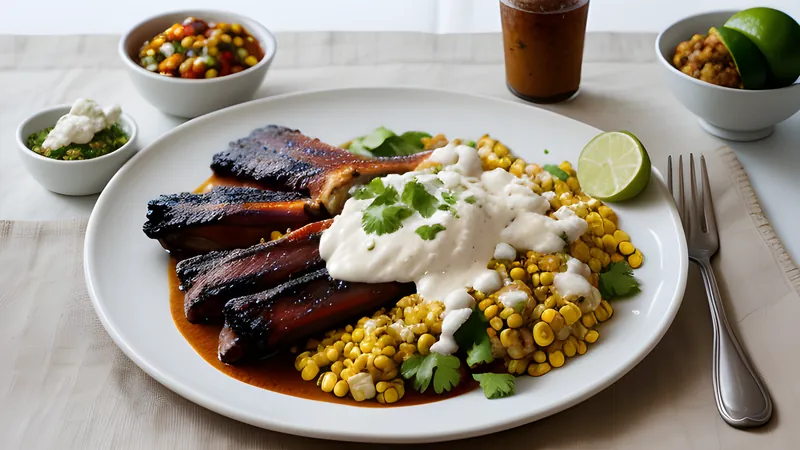
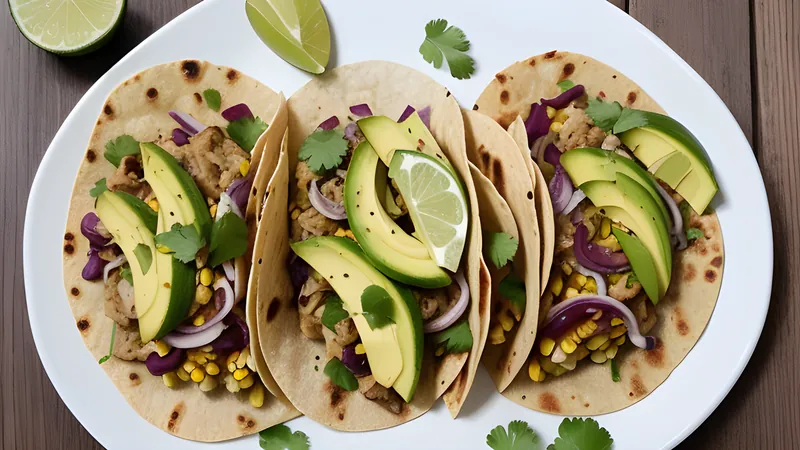
This is one of the most useful things you can have in the fridge. Spoon salsa macha over fried or scrambled eggs, grilled steak, roast chicken, or a bowl of beans. Stir a spoonful through mayonnaise for a chilli-oil aioli, or into a vinaigrette. It is superb over roasted cauliflower or squash, and it turns a plain quesadilla into a feast. It belongs on the table with tinga de pollo tostadas and a cup of esquites, where people can spoon it over as they like, and a spoonful stirred into the beans of a tlayuda is one of the best things you can do to it.
Nut swaps. Peanuts are traditional and cheap, but almonds, pecans or cashews all work; toast whichever you use in the oil the same way. For a nut-free version, double the seeds — sesame and pumpkin — for crunch.
Storage. Kept in a clean jar with the solids submerged in oil, salsa macha lasts two to three months in the fridge. The oil may thicken and cloud when cold; leave the jar at room temperature for ten minutes and it loosens. Always use a clean, dry spoon, because a wet spoon introduces the moisture that spoilage needs.
Faults and fixes
It tastes bitter and harsh. The chillies caught, almost always. There is no rescue once they are scorched, so next time keep the heat lower and pull them the moment they shift colour. A bitterness that is milder and more astringent usually means you left too many seeds in.
It is greasy and dull. The oil was too cool, so the aromatics stewed instead of frying. It also needs more salt and a touch more vinegar to cut the fat and wake it up.
It set into a stiff paste. You over-blended. Loosen it with a few tablespoons of warm oil and pulse once to combine; keep the ratio generous on oil next time.
It is fiercer than expected. Chilli heat varies wildly batch to batch. Stir in more oil and a few extra toasted peanuts to dilute it, and go easier on the árbol next time.
Salsa macha is the rare condiment that costs little, keeps for months, and makes almost every savoury thing you own taste better. Fry the aromatics patiently, treat the chillies with respect in their thirty seconds of danger, and blend it coarse — a jar of it will change how you cook.
Related Content