Ribollita: Tuscan Bread Soup That's Better the Next Day
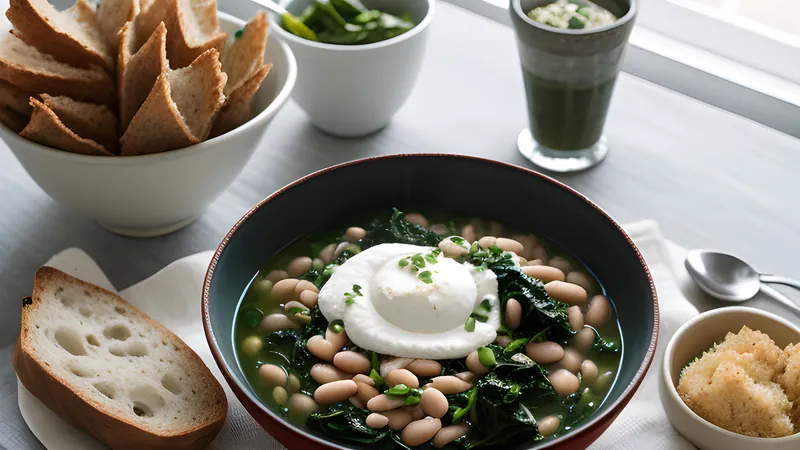
Thrift, bread and cavolo nero in a bowl
Contents
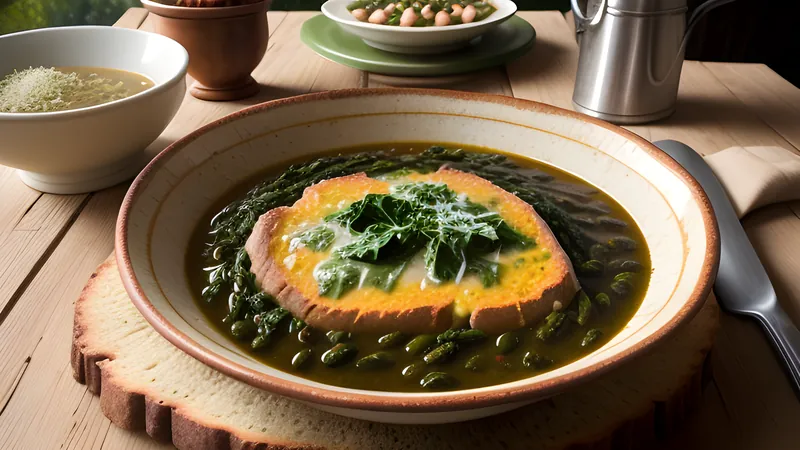
↓ Jump to recipeRibollita is not a soup you cook so much as one you assemble, simmer, and then, ideally, forget about overnight. The name literally means reboiled, and that is the whole secret: this is a dish designed to be made one day and eaten the next, when the bread has melted into the broth and the flavours have knitted together into something far greater than the sum of its very cheap parts. It is the most honest food I know, born of thrift, and it is genuinely one of my favourite things to eat all winter.
Ribollita: Tuscan Bread Soup That's Better the Next Day
Ingredients
- 4 tbsp extra virgin olive oil, plus more to serve
- 1 onion, finely chopped
- 2 carrots, finely chopped
- 2 celery sticks, finely chopped
- 4 garlic cloves, sliced
- 1 tbsp tomato purée
- 1 x 400g tin chopped tomatoes
- 2 x 400g tins cannellini beans, drained
- 200g cavolo nero, stalks removed and leaves shredded
- ½ head of Savoy cabbage, shredded
- 1.2 litres vegetable stock
- 1 Parmesan rind (optional but worth it)
- 2 sprigs rosemary
- 250g stale sourdough or ciabatta, torn into chunks
- Salt and black pepper, to taste
- Grated Parmesan, to serve
Method
- Heat the olive oil in a large heavy pot and cook the onion, carrot and celery gently for 12 to 15 minutes until soft and sweet.
- Add the garlic and cook for 2 minutes, then stir in the tomato purée for a further minute.
- Add the chopped tomatoes and let them cook down for 5 minutes.
- Tip in one tin of beans whole. Blitz the second tin with a little stock to a purée and add that too, for body.
- Pour in the stock and add the Parmesan rind and rosemary. Simmer gently for 20 minutes.
- Add the cavolo nero and Savoy cabbage and cook for another 20 minutes until the greens are silky and tender.
- Stir in the torn stale bread and cook for 10 minutes, stirring, until it dissolves and thickens the soup to a porridge.
- Season well, fish out the rosemary stalks and Parmesan rind, and rest off the heat for 10 minutes. Serve with a generous pour of olive oil and grated Parmesan.
A soup built on leftovers
Ribollita comes from Tuscany, specifically the countryside around Florence, and like most of the great peasant dishes of Italy it was invented to use things up. The cucina povera, the cooking of the poor, treated nothing as waste, and stale bread in particular was far too precious to throw away in a culture that traditionally baked its loaves without salt. So the bread went into the pot. Servants in grand houses are said to have reboiled the leftover minestrone from the masters’ tables, padding it out with bread to make a second meal, and from that frugal habit a classic was born.
The name is first recorded in Tuscan cookery in the nineteenth century, though the practice it describes is far older. The logic of cucina povera was to cook once and eat several times: a big pot of minestrone di pane, vegetable soup thickened with bread, would be made, then reheated over the following days, and each reheating, each ribollire, concentrated and improved it. What began as a way to stretch a meal became prized in its own right, and today Tuscan restaurants that would once have been embarrassed to serve leftovers put ribollita on the menu with pride.
What sets ribollita apart from a regular minestrone is precisely this bread, and the fact that it is meant to be thick enough to stand a spoon up in. This is not a delicate brothy soup. It is dense, almost a savoury bread pudding, and that heartiness is the point. The traditional version leans on three local staples: cannellini beans, cavolo nero, and unsalted Tuscan bread, and if you have those three things you are most of the way home. That saltless bread, pane sciocco, is itself a Tuscan quirk, said to date from a medieval salt dispute with Pisa; it goes stale hard rather than soft, which is exactly what you want in a soup where the bread must hold its shape long enough to drink up the broth before dissolving.
The clever twist: a Parmesan rind and a bean purée
I make two small moves that aren’t strictly orthodox but that I would never now go without. The first is the Parmesan rind. Rather than throwing away the hard ends of a wedge of Parmesan, I keep a stash in the freezer and drop one into soups like this. As it simmers it releases a deep, savoury, almost meaty umami into the broth, which is exactly what a vegetarian soup of beans and greens needs to feel substantial. It costs nothing, it uses up something you would otherwise bin, and it is the single biggest upgrade you can make here.
The second is to blitz one of the two tins of beans into a purée before adding it. The whole beans give you texture and bite, but the puréed tin melts invisibly into the liquid and thickens the whole soup into something creamy and cohesive, so the broth clings to the bread and greens rather than sitting separately at the bottom of the bowl. It is the difference between a watery vegetable soup and a proper, lush ribollita.
Neither move is strictly traditional, and a Tuscan grandmother might raise an eyebrow, but both solve real problems that come from cooking with tinned beans and supermarket bread rather than a lifetime’s worth of dried beans slow-cooked in a flask and proper pane sciocco. If you do want to go the classic route, soak and simmer 250g of dried cannellini beans until tender and use their cooking liquid as part of the stock; the flavour is deeper and the starchy bean water thickens the soup for you. It is more work for a modest gain, and on a Tuesday the tins win.
On the greens and the bread
Cavolo nero, the dark, dimpled Tuscan kale also sold as black cabbage or lacinato kale, is non-negotiable for the authentic flavour. It has a deep, mineral, slightly bitter character that holds up to long cooking, going silky rather than slimy. Strip the leaves from their tough central stalks before shredding; those stalks stay stringy no matter how long you cook them. I bulk it out with Savoy cabbage, which sweetens as it cooks and stretches the dish further, but the cavolo nero should lead. If you genuinely cannot find it, curly kale is the nearest substitute, though it is milder and needs a touch longer to soften; ordinary green cabbage alone will make a pleasant soup but not really a ribollita, which depends on that dark, iron-rich note.
Traditionally the greens want a good long cook, twenty minutes or more, far past the point where you would stop with kale in a stir-fry. This is not the moment for bright, crunchy vegetables. The cabbage should collapse and turn glossy and tender, its bitterness mellowing into something sweet and deep, and it is that long-cooked softness that lets it merge with the beans and bread rather than sitting apart in the bowl.
Use good stale bread, the chewier and more rustic the better. A proper sourdough or ciabatta that has gone dry will drink up the broth and dissolve into creamy threads, whereas soft sliced white just turns to paste. If your bread is fresh, dry it in a low oven at 150C for ten minutes first. Tear it rather than cut it, and stir it in towards the end, then let the soup sit so the bread can do its work.
What can go wrong
The two most common failures both come down to liquid. Too thin, and it is a bread-flecked minestrone rather than ribollita; the fix is more bread, or a longer rest so what is already in there swells and thickens, and remember it will set considerably as it cools. Too thick and gluey is harder to reverse, so hold back a little of the bread at first and add more only once you see how it drinks. When you reheat leftovers it will have set almost solid, and you loosen it with a splash of water or stock, never so much that you dilute the flavour back to soup.
The other thing worth getting right is the soffritto, the base of onion, carrot and celery. Cook it slowly, a full twelve to fifteen minutes, until it is soft, sweet and just beginning to colour. This is not a step to rush; almost every good Italian soup and braise is built on a properly cooked soffritto, and hurrying it leaves a raw, sharp edge under everything else. As with a Tuscan white bean and cavolo nero soup, the sweetness you coax out here is what stops a dish of beans and dark greens tasting austere.
Why the next day matters
You can absolutely eat ribollita the day you make it, and it will be lovely. But the dish is named for what happens next. Cool it, refrigerate it overnight, and the following day reheat it slowly, adding a splash of water if needed, because it will have set almost solid. Overnight the bread fully surrenders, the beans deepen, the Parmesan and rosemary settle in, and everything turns mellow and unified in a way it simply cannot be while still fresh from the pot.
Serve it the proper Tuscan way: not screaming hot but warm, in a wide bowl, with a coil of your very best extra virgin olive oil poured over the top at the table and a snowfall of Parmesan. Some cooks press it into a pan and fry slices of the leftovers until crisp, which is a glorious thing to do with the very last of it. Either way, this is humble food that asks for patience and rewards it generously, the rare soup that gets better the longer you leave it alone.
If this style of thrifty, vegetable-led cooking appeals, it shares a spirit with something like a spiced carrot and ginger soup: cheap ingredients, a little patience, and a finish that lifts the whole bowl. Ribollita just takes the idea to its logical end, where yesterday’s dinner becomes today’s, better than before. Make a big pot on a Sunday and you will be glad of it all week, each bowl a little more settled and delicious than the last, and the last few slices, pressed and crisped in a hot pan with a little oil, may well be the best of all.
Related Content