Rasgulla: Chhena Balls in Light Syrup
Spongy cheese balls that owe everything to how the milk is split
Contents
↓ Jump to recipeRasgulla is a small miracle of dairy chemistry disguised as a simple dessert, and nearly every mistake anyone makes with it traces back to a single stage: the moment the milk splits. Everything that happens afterwards, the kneading, the shaping, the boiling in syrup, depends on getting fresh curdled milk cheese, called chhena, into exactly the right texture before it ever touches the pan. Get that part right and the dish more or less makes itself. Get it wrong and no amount of careful boiling afterward will save it. This puts rasgulla in an unusual category of dessert: the actual cooking, boiling shaped balls in syrup, is almost the easy part, while the real skill lives earlier, in a stage that looks, to anyone watching, like curdling milk by accident rather than on purpose.
Rasgulla: Chhena Balls in Light Syrup
Ingredients
- 2 litres whole milk
- 3 tbsp white vinegar or lemon juice, mixed with 3 tbsp water
- 2 tbsp plain flour (maida) or fine semolina
- 500g caster sugar
- 1.5 litres water, for the syrup
- 4 green cardamom pods, lightly crushed
- 1 tsp rose water (optional)
Method
- Bring the milk to a rolling boil in a heavy pot, then reduce the heat slightly and add the diluted vinegar or lemon juice a tablespoon at a time, stirring gently, until the milk fully curdles and a clear, faintly green-tinged whey separates from the white curds.
- Pour through a muslin-lined sieve, then rinse the curds under cold running water for 30 seconds to wash away the acid taste.
- Gather the muslin into a bundle, squeeze out as much whey as possible, then hang it over a bowl or tap for 30 minutes to drain further, until the chhena is moist but not wet.
- Turn the chhena onto a clean work surface and knead firmly with the heel of your hand for 8–10 minutes, until it comes together into a smooth, slightly greasy, lump-free paste.
- Add the flour or semolina and knead for a further 2 minutes to incorporate.
- Divide into 16 equal pieces and roll each into a smooth ball with no visible cracks, keeping your palms slightly damp.
- Bring the sugar, water and crushed cardamom to a boil in a wide, deep pot to make a thin syrup, then reduce to a steady rolling simmer.
- Gently drop the chhena balls into the simmering syrup, cover, and cook for 15–18 minutes at a steady boil, resisting the urge to lift the lid in the first 10 minutes, until the balls have roughly doubled in size and feel spongy when pressed.
- Stir in the rose water if using, then let the rasgulla cool in the syrup to room temperature before refrigerating for at least 3 hours.
The Fight Over Where It Was Invented
Few Indian desserts carry as loaded a history as rasgulla. Odisha and West Bengal have argued for decades, sometimes formally, over which region invented it, a dispute serious enough that both states pursued official Geographical Indication recognition for their own versions, Odisha for its temple-tradition rasgulla tied to the Jagannath temple at Puri, and West Bengal for the version associated with the Kolkata confectioner Nobin Chandra Das, credited by many Bengali accounts with popularising, if not inventing, the syrup-soaked chhena ball in the mid-nineteenth century. Both regions were eventually granted separate GI tags for their own distinct versions rather than one side winning outright, which is as diplomatic an outcome as a decades-long dessert argument is ever likely to reach. The dispute reached the Geographical Indications Registry in India formally in the 2010s, with both states submitting detailed historical evidence, and the eventual dual recognition, Odisha Rasagola and Banglar Rasogolla as separate protected names, is now cited as a rare example of a food dispute settled through paperwork rather than lingering resentment, even if dinner-table arguments between Bengali and Odia families continue regardless of what the registry decided. Historians on the Odisha side point to temple records describing a chhena sweet offered to the deity Jagannath centuries before Nobin Chandra Das opened his Kolkata shop in 1868; Bengali accounts counter that the syrup-soaked, spongy version most people recognise today, as opposed to a firmer, drier temple sweet, is a distinctly nineteenth-century Kolkata refinement, and both points are, on the available evidence, probably true at once. The two versions do differ in real, tasteable ways: Odisha’s tends to use a caramelised, slightly darker sugar and a firmer texture, while the Bengali version most people outside India recognise is paler, spongier, and soaked in a thinner, clearer syrup.
Splitting the Milk Properly
Getting the curdling stage right is the single technique that determines whether your rasgulla will work at all. Bring the milk to a full rolling boil first; adding acid to milk that is merely warm gives you a soft, incomplete curdle that never firms up properly. Add the diluted vinegar or lemon juice gradually, a tablespoon at a time, watching for the exact moment the milk splits cleanly, a clear, faintly greenish whey separating from white curds — this usually happens well before you have added all the acid, and adding more than necessary makes the finished chhena tough and slightly sour rather than sweet and pliable. Stop the moment you see clean separation. Lemon juice and vinegar both work, though vinegar splits the milk slightly faster and more decisively, which makes it the more forgiving choice for a first attempt; lemon juice gives a marginally cleaner flavour but is easier to under- or overdose since its acidity varies more from fruit to fruit than bottled vinegar’s does.
Rinsing the curds under cold water immediately afterward is not optional. It washes away the residual acid taste and, just as importantly, stops the curdling process from continuing and toughening the curds further. Hang the muslin bundle to drain rather than squeezing it hard by hand; too much pressure forces out fat along with the whey, and fat loss here makes the finished chhena crumbly rather than smooth. The whey itself is not waste — many Bengali kitchens keep it for kneading dough or thinning a dal later in the week, since it carries a mild tang and a decent hit of residual protein that plain water does not.
Kneading: The Step Everyone Underestimates
The eight to ten minutes of kneading after draining is the part most first-time cooks rush, and it is the part that actually makes a rasgulla spongy rather than dense. Kneading develops the chhena’s proteins and works out the last of its excess moisture, and the paste transforms visibly partway through, going from a slightly grainy, damp curd to a smooth, faintly greasy dough that holds together cleanly when rolled. If your chhena still feels grainy after ten minutes of kneading, it usually means the draining stage left too much moisture behind; keep kneading a few minutes longer rather than adding more flour to compensate, since extra flour changes the texture of the finished ball more than a little extra kneading time will. The flour or semolina addition itself is a small piece of insurance rather than a core ingredient; it helps bind any remaining looseness in the chhena and reduces the risk of the balls disintegrating in the boiling syrup, but a well-kneaded, properly drained chhena needs very little of it to hold together.
The Boil, and Why the Lid Matters
Rasgulla balls need a steady, rolling boil in the syrup, not a gentle simmer, to expand and take on their characteristic spongy texture; the vigorous bubbling agitates and works the balls the way steam works a choux bun, forcing them to puff up and develop their airy interior. Covering the pot for the first ten minutes traps steam and heat around the balls consistently; lifting the lid too early lets heat escape and the balls can collapse and turn dense before they have finished expanding, a genuinely common and disappointing failure. Bengali confectioners describe a good rasgulla as one that, when gently squeezed between two fingers, springs back to its original shape rather than staying dented, the same test you might apply to a well-made choux bun to check whether it has actually puffed all the way through rather than staying gummy in the centre. Use a wide pot with the syrup at least several centimetres deep, since the balls roughly double in size during cooking and need room to expand freely without crowding each other against the sides.
Troubleshooting
Rasgulla that come out dense and heavy rather than spongy almost always trace back to one of two causes: undercooked chhena that was not kneaded long enough, or a syrup that was simmering rather than at a full rolling boil during the cooking stage. Rasgulla that crack or fall apart in the syrup usually had cracks already present in the shaped balls before they went in; smooth every seam with damp palms before dropping them into the pot, since any crack tends to widen dramatically once the ball starts expanding. A syrup that tastes thin and characterless rather than fragrant is missing its cardamom, or the pods were added too late to properly infuse; crush them and add them at the start, alongside the sugar and water, rather than stirring them in partway through. A syrup that turns cloudy rather than staying clear usually means impurities from the chhena, small stray curds that broke off during shaping, dissolved into the liquid during boiling; straining the syrup through a fine sieve after cooking and before storing fixes the appearance without affecting the flavour.
Storage
Rasgulla keep for four to five days refrigerated in their syrup, in a sealed container, and the flavour deepens slightly as the balls continue absorbing syrup over the first day or so. They freeze reasonably well for up to a month, syrup and all, though the texture softens a touch on thawing; thaw in the fridge overnight rather than at room temperature. Bring refrigerated rasgulla back to a gentle room temperature for twenty minutes or so before serving if you prefer them less cold; straight from the fridge they are firmer and the syrup thicker, while a short rest softens both slightly and lets more of the cardamom aroma come through. Always store rasgulla submerged in their syrup rather than drained; drained, they dry out and toughen within hours.
Serving and Pairing
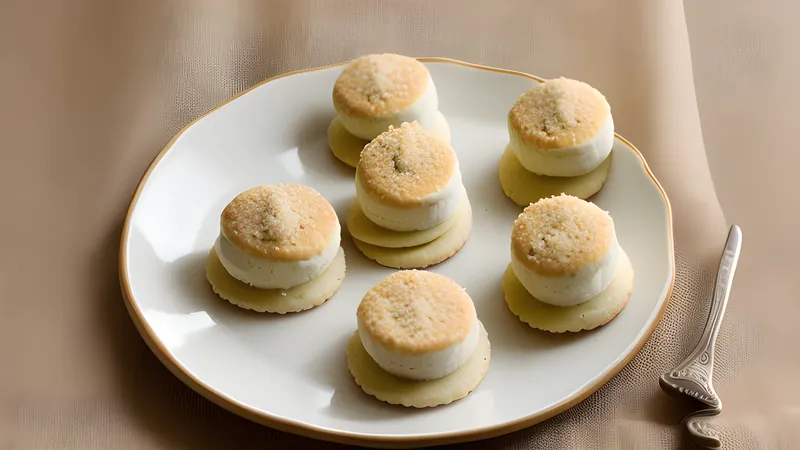
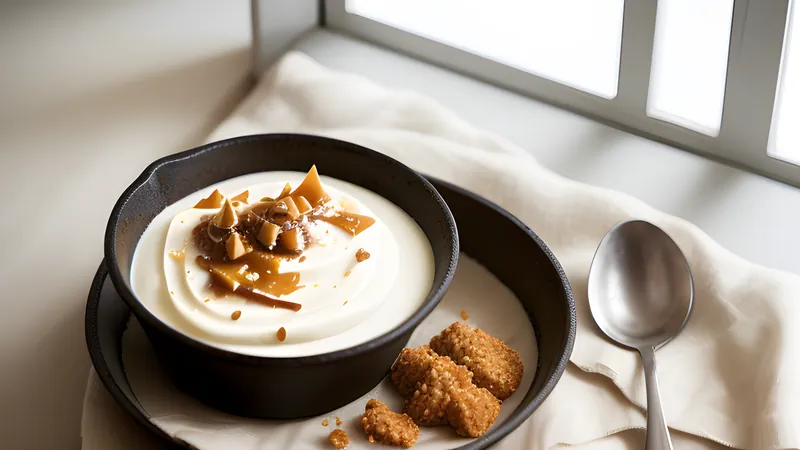
Serve rasgulla chilled, in a small bowl with a little of their own syrup spooned over. They make a lighter, cooler counterpart to mishti doi if you want to offer two desserts at a celebration, and they are the traditional closer after a rich meal built around something like kosha mangsho, where their lightness and clean sweetness reset the palate rather than adding to the meal’s density. At weddings and religious festivals across Bengal and Odisha, rasgulla often appear alongside several other sweets on the same tray, and their pale colour and clear syrup are usually a deliberate visual contrast against darker, denser sweets like sandesh or pantua sitting next to them.
Variations
Kanika Bora, and various regional confectioners across Odisha and West Bengal, sell versions flavoured with saffron, or coloured a pale pink with a touch of natural dye for festival occasions, though the plain, cardamom-scented white version remains the everyday standard. A firmer-textured relative called rasgulla with khoya, enriched with a small amount of reduced milk solids kneaded into the chhena, gives a denser, richer bite closer to the Odisha style. There is also a baked, canned commercial variety produced at industrial scale for export, which has introduced rasgulla to diners far outside South Asia who will likely never taste the fresh, home-kneaded version; it is a perfectly pleasant dessert in its own right, but it is worth knowing that the tinned version and a rasgulla made an hour before serving are, in practice, two fairly different experiences of the same name. Whichever direction you take it, the fundamentals do not change: split the milk cleanly, knead it properly, and give the syrup a real rolling boil. None of those variations are shortcuts around the basics, and every confectioner who has made thousands of these will tell a beginner the same thing: master the plain white cardamom version first, and the flavoured and enriched versions become straightforward extensions rather than separate techniques to learn from scratch.
Related Content