Rajas con Crema
Charred poblano strips braised soft in cream and onion
Contents
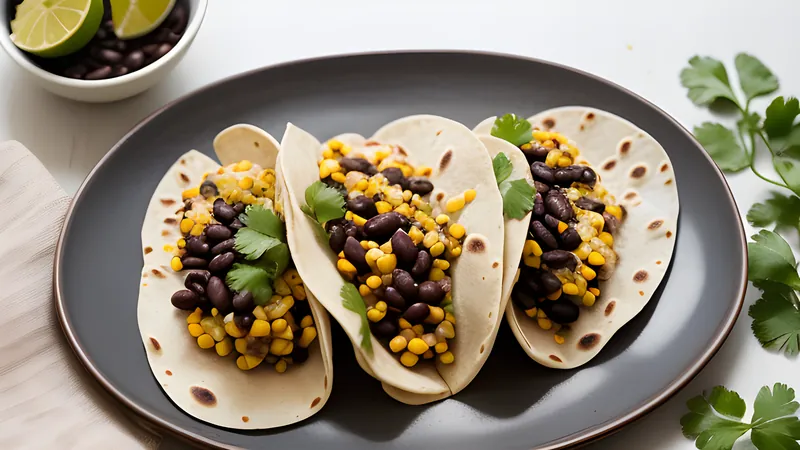
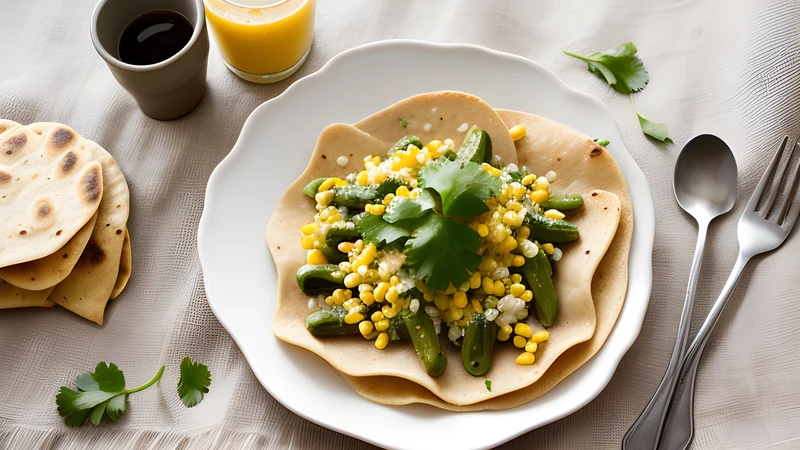
↓ Jump to recipeRajas con crema is the dish that converts people who think they do not like vegetarian food. Strips of roasted poblano chilli, sweet slow-cooked onion, a little corn and a slick of cream, cooked down into a silky, gently spicy tangle that you spoon into warm tortillas. It is soft, rich, savoury and just warm enough with chilli to keep you interested. There is no meat in it and nobody misses any. In central Mexico it is a staple of home cooking and market fondas, and it is one of the great taco fillings.
The word rajas simply means strips or slashes, and here it refers to the strips of roasted poblano that are the backbone of the dish. Everything depends on those chillies being properly charred and peeled, which is the one bit of real technique involved. Do that well and the rest is gentle, forgiving cooking. It is my go-to when I have a glut of poblanos, when I want a meat-free supper that still feels like a treat, or when I need a filling for a taco night that vegetarians and everyone else will fight over.
Rajas con Crema
Ingredients
- 6 poblano chillies (about 600g)
- 2 tbsp neutral oil or butter
- 2 white onions, halved and thinly sliced
- 2 garlic cloves, finely chopped
- 150g corn kernels (fresh or frozen), optional
- 150ml Mexican crema or double cream
- 80g crumbled queso fresco or grated Oaxaca/mozzarella
- 1/2 tsp dried oregano
- Salt to taste
- To serve: warm corn tortillas, coriander, lime
Method
- Char the poblanos directly over a gas flame, under a hot grill or in a dry cast-iron pan, turning, until the skins are blackened and blistered all over, 8 to 12 minutes.
- Put them in a bowl, cover with a plate or cling film and steam for 10 minutes. This loosens the skins.
- Rub off the blackened skins (do not rinse under water, you will wash away flavour). Slit each chilli, remove the stem, seeds and veins, and cut the flesh into strips about 1cm wide. These strips are the rajas.
- Heat the oil or butter in a wide pan over medium. Add the onions and a pinch of salt and cook slowly for 12 to 15 minutes until soft, sweet and lightly golden.
- Add the garlic and cook 1 minute, then the poblano strips, corn and oregano. Cook 5 minutes to bring everything together.
- Lower the heat, stir in the crema and warm through for 3 to 4 minutes without boiling hard, until silky. Stir in most of the cheese so it half-melts. Season with salt.
- Serve spooned into warm tortillas, topped with the remaining cheese, coriander and a squeeze of lime.
A dish born of the harvest
Rajas con crema belongs to the cooking of central Mexico, and it carries the rhythm of the poblano harvest in it. Poblanos come into their season in the late summer and autumn, and when a household or a market has a glut of them, roasting and slicing a big batch into rajas is the natural way to use them up. The dish sits within a wider family of rajas preparations: rajas can go into quesadillas, into soups, folded through rice, or cooked with just onion and no cream at all. The creamy version here, enriched with dairy and often corn, is the comforting home-and-fonda staple, the one that turns a cheap seasonal chilli into something that feels indulgent.
It also speaks to the deep Mexican habit of charring. From the smoky salsas of the comal to the blackened tomatoes in a good salsa macha, Mexican cooking treats direct fire as a seasoning in its own right, and rajas is one of its gentlest, most crowd-pleasing expressions. The char on the poblano is doing the same work here that it does on a chilli for a table salsa: adding a savoury, smoky depth that raw cooking can never reach.
The poblano, and what roasting does to it
The poblano is a large, dark green, heart-shaped chilli from the state of Puebla — the same region that gives us chiles en nogada and much of Mexico’s classic cooking. Fresh, it is mild, grassy and only occasionally sharp with heat; dried and ripened it becomes the ancho, one of the foundational chillies of Mexican sauces. In rajas we want it fresh and green, for its vegetal sweetness and its size.
Roasting transforms it. Charring the skin does two jobs: it lets you peel off the tough, slightly bitter outer skin, and it cooks the flesh to a soft, smoky, silky texture that no amount of frying raw would achieve. A raw poblano is firm and a little squeaky; a roasted and peeled one is meltingly tender with a deep, faintly smoky sweetness. That smoke is the character of the whole dish. It is the same principle that makes a roasted red pepper so much sweeter and softer than a raw one, taken a step further by the poblano’s darker, more savoury flesh.
A word on heat, because poblanos are unpredictable. Most are gentle, but the occasional one comes through with a real kick, and there is no way to tell from the outside. If you are cooking for people who are heat-shy, taste a sliver of each roasted chilli before it goes in; if you land a fiery one, balance the pan with an extra splash of cream. This natural variability is part of why rajas is always seasoned and tasted at the end rather than by a fixed rule.
If you cannot find poblanos, the nearest substitute is a mix of green (bell) pepper for body plus a mild green chilli such as Anaheim for character — roast and peel them the same way. It will not be identical, because nothing has quite the poblano’s grassy depth, but it makes a good dish. Do not reach for a hot chilli; rajas is meant to be mild and creamy, with a gentle background warmth.
Charring and peeling, step by step
This is the part worth getting right. You want the skins genuinely blackened and blistered all over — pale, patchy charring is not enough, because the skin will not lift cleanly. Over a gas flame, sit the chillies right on the burner and turn them with tongs until every surface is blistered and black, eight to twelve minutes. Under a grill, put them close to the element and turn as they blacken. In a dry cast-iron pan, press them down and rotate; this is slower but works on an electric hob.
Then comes the crucial rest. Pile the charred chillies into a bowl, cover it tightly, and leave them to steam in their own heat for ten minutes. The trapped steam loosens the skin from the flesh, and after this the blackened skin rubs away with your fingers or the back of a knife. Resist the urge to hold them under a running tap to speed it up — water washes away the smoky flavour you just built and leaves the rajas watery. A little clinging black char is fine and even good.
Slit each chilli, pull out the stem, seeds and the pale inner veins, and cut the flesh lengthways into strips a centimetre or so wide. Those are your rajas. Work over a plate rather than the sink so you keep the flavourful juices that run out, and tip any that collect straight into the pan later.
If you are roasting a large batch, the peeled strips will keep in the fridge for a few days under a film of oil, ready to drop into eggs, soups or a quick quesadilla. Roasted poblano is a genuinely useful thing to have on hand.
Building the cream and onion base
The onions matter almost as much as the chillies. Rajas wants a proper amount of white onion, sliced and cooked slowly until soft, sweet and just golden — a good twelve to fifteen minutes over medium heat. This sweetness is the counterweight to the smoky chilli and it gives the dish its background depth. Do not rush it to a raw, sharp crunch; let it collapse and mellow.
Corn is a common and lovely addition, adding pops of sweetness and texture, though some cooks leave it out for a purer rajas. Use it if you like; char it first for extra flavour, in the same way I do for esquites.
The cream goes in near the end and must be treated gently. Mexican crema is thinner and slightly tangy, closer to crème fraîche than to double cream; if you use double cream, add a squeeze of lime or a spoon of soured cream to bring a little acidity. Warm it through on a low heat and do not let it boil hard, or it can split and turn greasy. You are after a silky sauce that coats the strips, loose enough to spoon and thick enough to cling. Stirring in cheese at the end — queso fresco for saltiness, or a melting cheese like Oaxaca or mozzarella for stretch — thickens and enriches it.
The corn deserves its own moment, because it is more than a garnish when you use it well. Fresh corn cut from the cob and charred in a dry pan until it takes on brown spots brings a smoky sweetness that echoes the poblano; frozen corn works too, though it wants a hot, dry pan and a little patience to colour. Either way, the little bursts of sweetness against the creamy, gently spicy strips are what make the dish sing for many people, and it is the same trick that carries esquites, where charred corn is the whole point. Leave it out for a purer, more chilli-forward rajas if you prefer; both are traditional and both are good.
Serving, variations and storage
Serve rajas con crema hot, spooned into warm corn tortillas, with coriander and lime. It also makes a superb filling for quesadillas — pile it onto a tortilla with extra melting cheese and griddle until crisp and oozing. Spooned over rice, folded into scrambled eggs, or used to top a baked potato, it earns its keep well beyond tacos. On a spread it sits happily next to tinga de pollo and a bowl of salsa macha for those who want heat.
Make it richer or lighter. For a more indulgent version, use butter to cook the onions and finish with a handful of grated Oaxaca cheese for stretch. For a lighter one, use crème fraîche loosened with a little of the tortilla-warming pan, and skip the added cheese.
Vegan route. Swap the crema for a cashew cream (blended soaked cashews with water, lime and salt) or a good oat crème fraîche, and leave out the cheese or use a vegan melting cheese. The charred poblano and sweet onion carry the dish, so it stays satisfying.
Make ahead. Rajas keeps in the fridge for three days and reheats gently — add a splash of cream or water to loosen, and warm it slowly so the cream does not split. It freezes poorly once the cream is in, but the charred, peeled poblano strips freeze perfectly on their own, so roast a big batch when poblanos are cheap and pull out a handful whenever you want the dish.
Rajas con crema is proof that a mild green chilli, some patient onions and a little cream can become one of the most moreish things on a Mexican table. Char the poblanos properly, cook the onions slow, keep the cream gentle, and you have a taco filling that no one at the table will believe is meatless.
Related Content