Quindim: The Coconut and Egg Yolk Jewel
A glossy, egg-yolk-heavy coconut custard baked in a water bath until it turns a startling, unmistakable shade of yellow
Contents
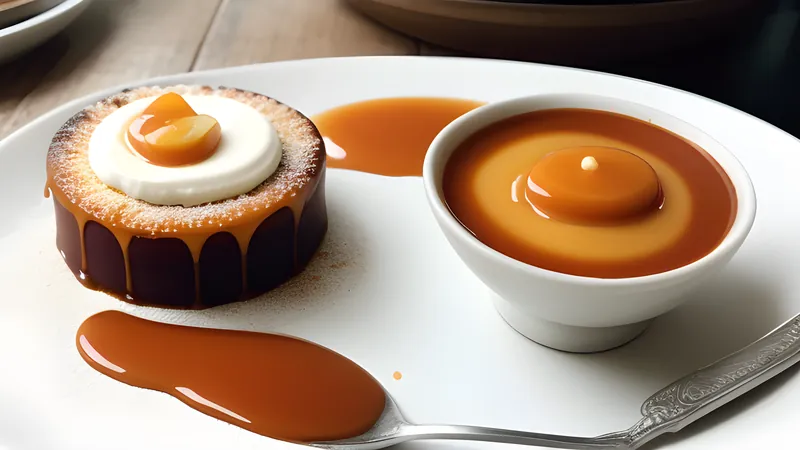
↓ Jump to recipeQuindim is a small, intensely yellow coconut custard, built almost entirely from egg yolks, sugar and desiccated coconut, baked in a water bath until it sets into something between a custard and a very dense sponge, with a glossy, faintly caramelised surface once turned out of its mould. The colour is the first thing anyone notices, a deep, saturated egg-yolk yellow that looks closer to a dye job than a natural result of baking, and it comes entirely from the sheer quantity of yolks the recipe demands.
Quindim: The Coconut and Egg Yolk Jewel
Ingredients
- Softened butter, for greasing
- 2 tbsp caster sugar, for coating the moulds
- 12 large egg yolks
- 250g caster sugar
- 100g desiccated coconut (unsweetened)
- 50g unsalted butter, melted
- 1 tbsp cornflour
- Pinch of fine salt
Method
- Preheat the oven to 180C fan (200C conventional, Gas 6) and put a kettle on to boil.
- Grease 8 small individual moulds or ramekins generously with softened butter, then coat the inside of each with a dusting of caster sugar, tipping out the excess.
- Whisk the egg yolks and sugar together in a large bowl until pale and well combined, but not aerated into a foam.
- Stir in the desiccated coconut, melted butter, cornflour and salt, mixing until fully combined; the batter will be thick and grainy with coconut.
- Pass the mixture through a coarse sieve if you want a smoother, more traditional finish, pressing through with a spatula; this step is optional but gives a glossier surface.
- Divide the mixture evenly between the prepared moulds.
- Place the moulds in a deep roasting tin and pour boiling water into the tin until it comes halfway up the sides of the moulds.
- Bake for 40-45 minutes, until the tops are deep golden and just set, with a slight wobble remaining in the very centre.
- Remove from the water bath and cool the custards in their moulds for at least 30 minutes, then chill in the fridge for a further hour.
- Run a thin knife around the edge of each custard and invert onto a serving plate; the glossy caramelised sugar coating should form the top surface once unmoulded.
A dessert built on convent economics
Quindim’s origins sit in Brazil’s colonial-era convent kitchens, part of the same broader tradition that produced Portugal’s own yolk-heavy sweets, doces conventuais, made by nuns across the Portuguese empire from the 16th century onward. The logic behind these desserts is almost always the same: convents and monasteries used enormous quantities of egg whites to starch and stiffen habits and clerical linens, and often sold whites separately to wineries and breweries that used them to clarify wine and beer, leaving convent kitchens with a surplus of yolks that needed using rather than wasting. Sugar, imported in vast quantities during Brazil’s colonial sugar-plantation economy, was similarly abundant and cheap relative to Europe. Put a glut of yolks together with a glut of sugar and you get an entire family of Luso-Brazilian desserts almost defined by their yolk content, of which quindim, with coconut folded in as a distinctly Brazilian addition reflecting the coconut palm’s presence along the country’s tropical coastline, is one of the best known.
The name itself likely derives from a Kimbundu word, brought to Brazil via the Angolan slave trade, for a small, valued or ornamental object, an etymology that fits a dessert whose defining feature really is its jewel-like colour and its small, individually moulded presentation. A larger version, baked in a single bigger dish rather than individual moulds, is called quindão, and functions as a slicing cake version of the same base recipe.
Why so many yolks, and what they’re doing
Twelve egg yolks against very little else by volume is not a typo or an old-fashioned excess; it’s the entire structural basis of the custard. Egg yolks set on baking through the coagulation of their proteins, and a mixture this concentrated in yolk, once baked slowly in a gentle water bath, sets into something considerably denser and more velvety than a standard crème caramel made with whole eggs, which relies on egg white protein for a looser set. The coconut adds body and a faint textural bite without diluting that yolk-forward richness, and the small amount of cornflour helps the custard hold together cleanly when unmoulded rather than being purely reliant on egg protein alone.
Leftover egg whites from this recipe are worth keeping rather than discarding; they freeze well for months in an airtight container and work in meringues, a pavlova base, or brigadeiros rolled in a meringue-based coating, another Brazilian sweet built on a similarly small, concentrated set of ingredients treated with real technical care.
The water bath, and why it can’t be skipped
Baking quindim directly in a hot oven without a water bath scorches the sugar-lined moulds and overcooks the custard’s edges long before the centre sets, producing a rubbery, overcooked ring around a still-liquid middle. The water bath moderates the heat reaching the custard, keeping the cooking gentle and even enough that the yolks set into a smooth, sliceable texture rather than curdling. Use boiling water straight from the kettle when you fill the roasting tin, since starting with cold water means the oven has to spend its first many minutes just heating the bath rather than cooking the custard, throwing off the timing significantly.
Check doneness by the slight wobble remaining at the very centre when you gently shake the tin, similar to testing a cheesecake; the custards will continue to firm up considerably as they cool, both at room temperature and then in the fridge, so pulling them from the oven while there’s still a small wobble prevents overcooking into a tough, rubbery result once fully chilled.
Unmoulding cleanly and getting the glossy top
The sugar dusted into the moulds before baking is what caramelises against the hot mould surface and becomes the glossy, faintly toffee-like top once the custard is turned out; skipping this step, or using too little sugar, gives you a duller, stickier surface that doesn’t release from the mould as cleanly. Butter the moulds generously first so the sugar has something to cling to evenly rather than sliding to the bottom, and don’t skip chilling the custards for at least an hour before attempting to unmould them; a still-warm quindim is far more likely to tear or stick than one that’s had time to firm up fully in the fridge.
If a custard sticks despite the greasing and sugar, dip the base of the mould briefly in a bowl of hot water for a few seconds before inverting again; this loosens the set sugar at the edges without needing to run a knife around the whole rim, which can tear the delicate surface if the custard is still slightly soft.
Reading a quindim that’s gone wrong
A custard that comes out rubbery and slightly tough rather than smooth and velvety has almost always been overbaked, or baked at too fierce a heat without the water bath doing its moderating job properly; check that the water genuinely comes halfway up the mould sides, not just a shallow puddle at the bottom of the tin, and pull the custards the moment the centre still holds a slight wobble rather than waiting for a completely still surface. A quindim that weeps liquid once unmoulded, leaving a thin puddle around the base, generally means it needed longer in the fridge before turning out; the custard firms up considerably during chilling, and rushing that stage leaves it too soft-set to hold its own liquid in. If the coconut sinks to the bottom during baking rather than staying distributed through the custard, the batter was likely too thin when it went into the moulds, often from using fresh grated coconut instead of desiccated, which carries far more of its own moisture and behaves differently in the mix.
Serving and keeping
Quindim is traditionally served on its own, at room temperature or lightly chilled, without cream or additional garnish, since the dessert’s richness and colour are the entire point and don’t need dressing up further. It’s a fixture of Brazilian festa junina (June festival) spreads and birthday tables alongside other convent-derived sweets like pão de queijo, the tapioca-and-cheese bread that, unlike quindim, carries no sugar at all but shares the same instinct for turning a handful of concentrated ingredients into something distinctive through technique rather than variety.
Quindim keeps well covered in the fridge for up to four days, and many people prefer it a day after baking, once it’s had time to firm up fully and the coconut has had longer to soften into the custard. It doesn’t freeze successfully; the egg-yolk custard separates and turns watery on thawing, losing the dense, velvety texture that makes it worth making in the first place.
Choosing coconut and getting the texture consistent
Use fine, unsweetened desiccated coconut rather than sweetened flaked coconut or fresh grated coconut for this recipe; the desiccated form absorbs moisture from the egg mixture evenly and gives a consistent, fine-grained texture through the whole custard, where fresh grated coconut carries too much of its own moisture and can make the batter loose and unpredictable in how it sets. Sweetened coconut, meanwhile, throws off the sugar balance of the whole recipe and tends to brown too fast on top before the custard has finished setting underneath.
Passing the batter through a sieve before dividing it between the moulds is a step worth taking seriously if you want the glassy, refined surface associated with quindim served in Brazilian bakeries and at festa junina stalls, since it catches any small lumps of coconut or undissolved sugar that would otherwise show as flecks or slight bumps on the finished custard’s surface. It’s genuinely optional if you’re after a more rustic, home-style result with a slightly coarser texture, which is just as authentic a way of making this dessert as the smoother bakery version.
Make-ahead timing and a note on eggs
Quindim is, if anything, a better make-ahead dessert than a same-day one, since the flavour and texture both improve with a full day’s rest in the fridge after baking, making it a genuinely useful choice if you’re cooking for a gathering and want one component done well in advance. Bring the individual custards out of the fridge about 20 minutes before serving if you prefer them closer to room temperature, where the coconut’s flavour comes through slightly more than served ice-cold. Use the freshest eggs you can for this recipe; because the yolks are doing almost all of the structural and flavour work with very little else to hide behind, an older egg’s flatter yolk flavour is much more noticeable here than it would be in a recipe using whole eggs or a smaller proportion of yolks relative to other ingredients.
Scaling the recipe and choosing your moulds
This recipe divides comfortably into eight small ramekins or dariole moulds of around 150ml capacity each, but it also works baked as a single larger quindão in a 20cm round cake tin or ring mould, in which case increase the baking time to around 55-60 minutes and check doneness the same way, by looking for a slight residual wobble at the centre. Metal moulds conduct heat more evenly than ceramic and are generally easier to unmould cleanly once the sugar has caramelised against the surface, so if you’re buying moulds specifically for this recipe, small metal dariole moulds are a better investment than ceramic ramekins, which tend to grip the caramelised sugar more stubbornly. Silicone moulds are worth avoiding for this particular recipe despite their reputation for easy release elsewhere; they don’t hold heat the way metal does, so the custard’s edges set more slowly and unevenly, and the caramelised sugar coating, which relies on direct contact with a properly hot surface, never develops quite the same glossy finish against silicone as it does against metal.
Related Content