Piri-Piri Chicken the Mozambican Way
The African bird's-eye chilli, a spatchcocked bird, and a proper charred marinade
Contents
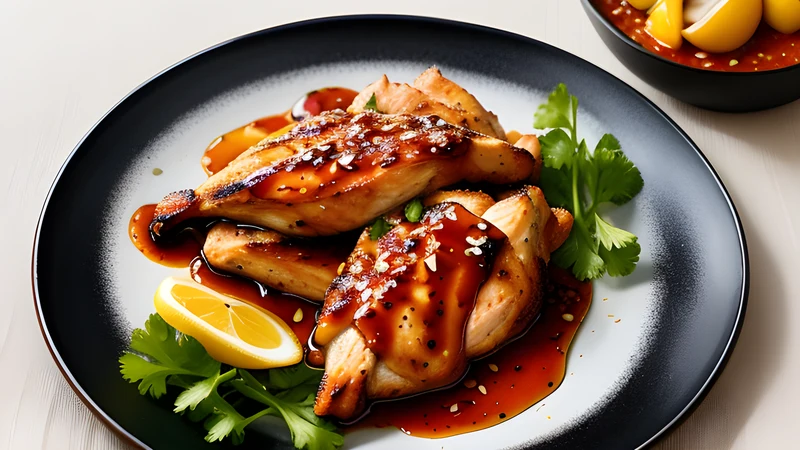
↓ Jump to recipePiri-piri chicken is one of those dishes that has been so thoroughly commercialised that many people no longer know it is a real, specific, glorious thing with a home. It comes from the Portuguese-speaking world of southern Africa, above all Mozambique and Angola, where the small, ferocious African bird’s-eye chilli grows, and where cooks learned to turn it into a marinade of extraordinary depth: hot, yes, but also garlicky, tangy, smoky and bright with lemon. Made properly, with a whole spatchcocked bird charred over fire and basted until glossy, it is a world away from the tame, sweet versions sold in a hurry.
Piri-Piri Chicken the Mozambican Way
Ingredients
- 1 whole chicken (about 1.5kg), spatchcocked
- For the piri-piri marinade and sauce:
- 8–12 African bird's-eye chillies (piri-piri), stalks removed (or 6 red chillies plus 1 tsp cayenne)
- 6 garlic cloves
- 1 red pepper, roasted and peeled
- Juice and zest of 2 lemons
- 3 tbsp red wine vinegar
- 5 tbsp olive oil
- 1 tbsp smoked paprika
- 1 tbsp sweet paprika
- 1 tsp dried oregano
- 2 bay leaves
- 1.5 tsp salt
- 1 tsp sugar
Method
- Blend the chillies, garlic, roasted red pepper, lemon juice and zest, vinegar, olive oil, both paprikas, oregano, salt and sugar into a smooth marinade.
- Reserve one third of the marinade in a jar for basting and serving; keep it refrigerated separately from the raw chicken.
- Slash the chicken thighs and breast to the bone and rub the remaining marinade all over and under the skin. Marinate at least 3 hours, ideally overnight.
- Heat a grill, barbecue or oven to medium-high (200C fan). Tuck the bay leaves under the bird.
- Cook the chicken skin-side up first if roasting, or start skin-side down on a barbecue over indirect heat, for about 25 minutes.
- Turn and continue cooking 15–20 minutes, basting with the reserved marinade every few minutes, until charred, glossy and cooked through (juices run clear, 75C at the thickest part).
- Rest 10 minutes, then cut into pieces and spoon over the reserved fresh piri-piri sauce and extra lemon.
What piri-piri actually means
Piri-piri (also written peri-peri or pili-pili) is a Swahili-derived word meaning simply “pepper-pepper”, and it refers both to the chilli, a small, thin, intensely hot variety of Capsicum frutescens that grows wild and cultivated across southern and eastern Africa, and to the sauce made from it. The chilli is not native to Africa; like all chillies it came from the Americas, carried across the Atlantic by Portuguese traders in the sixteenth century. But it took root spectacularly in the Portuguese colonial territories of Mozambique and Angola, where the climate suited it and local cooks embraced it, and it was there, in the meeting of African chillies with Portuguese garlic, olive oil, lemon and wine vinegar, that piri-piri chicken as we know it was born.
The dish is a genuine hybrid, a product of the long and often brutal Portuguese colonial presence in Africa, and it travelled back along those same routes: to Portugal, where frango piri-piri is a beloved grill-house staple, and eventually around the world. The Mozambican and Angolan versions remain the fiercest and the most direct, all about the char, the chilli and the garlic, and this recipe leans that way. It belongs in the company of Africa’s other great marinated grilled birds, cooked over fire and basted with something punchy; the char-then-baste logic here is a close relative of what makes yassa poulet, Senegal’s onion-and-lemon chicken so good, worked out independently on opposite sides of the continent.
The chilli, and what to do if you cannot find it
The authentic ingredient is the African bird’s-eye chilli, small, red and blisteringly hot, with a clean bright heat and a distinct fruity flavour. Good African, Portuguese or specialist grocers sell them fresh, dried or as a paste, and they are worth seeking out. If you genuinely cannot find them, use another hot red chilli, such as Thai bird’s-eye, which is close in heat though slightly different in flavour, or a mix of milder red chillies with a teaspoon of cayenne to push up the heat. The point is real chilli heat balanced by everything else; a dish that is all fire and no depth has missed the mark, and one that is timid has missed it in the other direction.
The roasted red pepper in the marinade is a small but important trick. It adds body, a touch of sweetness and a smoky roundness that softens the raw aggression of the chilli and helps the sauce cling to the chicken. Roast and peel your own, or use a good jarred piquillo or roasted pepper; either works.
Spatchcock, slash, and marinate
Two techniques make the chicken worth eating. First, spatchcock it: remove the backbone with kitchen scissors and press the bird flat. A flat bird cooks evenly and quickly, exposes far more skin to the fire for charring, and is easy to baste. Ask your butcher to do it, or manage it yourself in two minutes with sturdy scissors. Second, slash the thick parts, the thighs and the breast, down to the bone, so the marinade penetrates deep and the heat reaches the interior faster. These two moves are the difference between a chicken that is charred outside and raw at the joint and one that is cooked evenly through with flavour all the way in.
Then marinate, and marinate properly. Rub the piri-piri all over and under the skin, into the slashes, and leave it at least three hours, ideally overnight. The acid in the lemon and vinegar tenderises and flavours the meat while the chilli and garlic work their way in. Crucially, reserve a third of the marinade before it ever touches raw chicken, kept separately in the fridge, to use for basting and for spooning over at the end. Never baste with marinade that has been in contact with raw chicken unless it is cooked hard afterward; keeping a clean batch back is safer and gives you a fresh, vivid hit of sauce for the finish.
Cooking it: fire is best, oven is fine
The ideal is a barbecue, where the chicken picks up real smoke and char. Start it skin-side down over indirect heat so the fat renders and the skin crisps without the flare-ups scorching it, then move it over direct heat to char at the end, turning and basting with the reserved sauce every few minutes. The basting builds up layers of glaze, each one caramelising slightly, until the skin is deep red, glossy and lacquered.
If you have no barbecue, the oven does an excellent job. Roast the spatchcocked bird at 200C fan, skin-side up, basting through the second half of cooking, and finish under a hot grill for a few minutes to blister and char the skin. Either way, cook until the juices run clear and the thickest part of the thigh reaches 75C, then rest the bird for a full ten minutes so the juices redistribute before you cut it. Spoon the reserved fresh piri-piri sauce over the cut pieces and add a squeeze more lemon; that final hit of uncooked sauce is where the brightest chilli and garlic flavour lives.
The oil and the acid, working together
The marinade is an emulsion held together by olive oil, and that oil does more than carry flavour. It coats the chicken, helps the spices and chilli cling to the skin, and conducts heat evenly so the surface chars rather than dries. The acid, from lemon and vinegar, does the opposite and complementary job, tenderising the meat and cutting the richness so the finished bird tastes bright rather than heavy. Getting the ratio right is what makes a great piri-piri: too much oil and it feels greasy, too much acid and it turns harsh and can make the meat mushy if left too long. Roughly two parts oil to one part combined acid is a reliable balance, adjusted to taste. This interplay of fat and acid is the quiet engine of the whole dish, and once you feel how they work against each other you can season by instinct.
Balancing the heat and the char
The two things people get wrong are heat and char. On heat, remember that the sauce should be layered, not merely hot: the lemon, vinegar, garlic, paprika and roasted pepper all have to register alongside the chilli, so taste the marinade before it goes on and adjust. It should make you sit up, then want more. On char, remember that charred is the goal but burnt is the enemy; the sugars in the marinade and the natural fat make the skin catch quickly, so control the heat, move the bird around, and accept that a good piri-piri chicken has dark, almost-black edges that are bitter-sweet and delicious rather than acrid. Indirect heat with a hot finish is the safest route to that line.
The rest is not optional
The step most home cooks skip, and the one that matters most after the marinade, is the rest. When chicken comes off fierce heat, its juices are driven to the centre and the muscle fibres are tense; cut into it straight away and those juices run out onto the board, leaving the meat dry. Give a spatchcocked bird a full ten minutes, loosely tented with foil, and the juices redistribute through the meat and the fibres relax, so that when you finally cut it every piece is moist. This is true of any roast bird, but it matters even more here because the high heat and the sugary marinade push the surface hard, and the contrast between a charred exterior and a juicy interior is the whole pleasure of the dish. Use the resting time to make your final sauce hit: warm the reserved piri-piri gently, adjust it with extra lemon and a pinch of salt, and have it ready to spoon over the moment you carve. Carve into clear pieces, drumstick, thigh, wing, and breast halved across the bone, so everyone gets some skin, and pour any resting juices from the board back over the meat, because they are pure concentrated flavour. Ten patient minutes is the difference between a chicken that looks the part and one that eats as well as it looks, and it costs nothing but the discipline to wait.
Serving, sides and storage
In Mozambique, piri-piri chicken comes with chips, a simple salad, and more piri-piri sauce on the table for the brave. Rice, grilled corn, or a fresh tomato-and-onion salad all suit it, and a cold beer is the traditional partner. Extra piri-piri sauce should always be on the table; make a double batch of the reserved sauce, because people will want to drown everything in it.
The marinade keeps for a week in the fridge and freezes well, so it is worth making a big jar; it is superb on prawns, on grilled fish, stirred into mayonnaise, or splashed over roast potatoes. Cooked chicken keeps three days and is excellent cold, the flavours if anything deeper the next day. For a whole spread with a Southern African accent, serve it alongside chakalaka and pap; the spicy bean relish and stiff maize porridge are the natural companions to a charred, chilli-lacquered bird, and between them you have a plate that tastes of the region’s love affair with fire, chilli and generosity.
The faults to avoid are timid seasoning, burnt rather than charred skin, and, worst of all, undercooked meat at the bone, which is why the slashing and the spatchcocking matter so much. Get a fierce, layered marinade onto a flat, slashed bird, cook it with real heat but a watchful eye, and finish it with fresh sauce and lemon, and you will taste why this dish escaped the grill-houses of Maputo and Lisbon to be loved around the world.
Related Content