Pique Macho: The Cochabamba Pile
Beef, sausage and chips built into one shareable, fork-optional tray
Contents
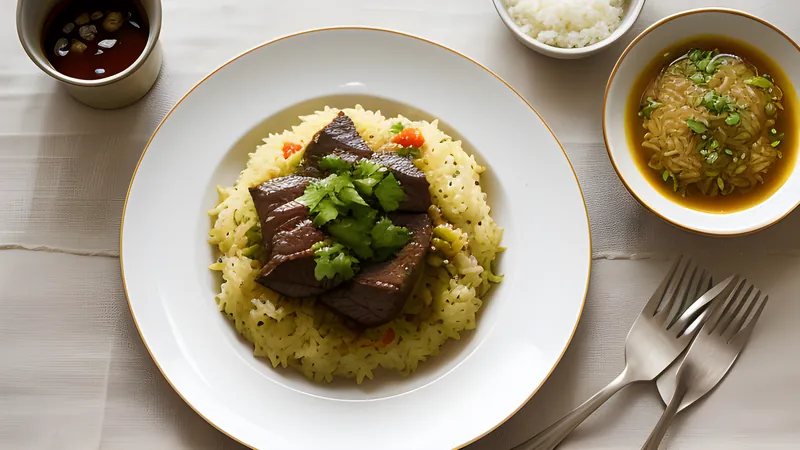
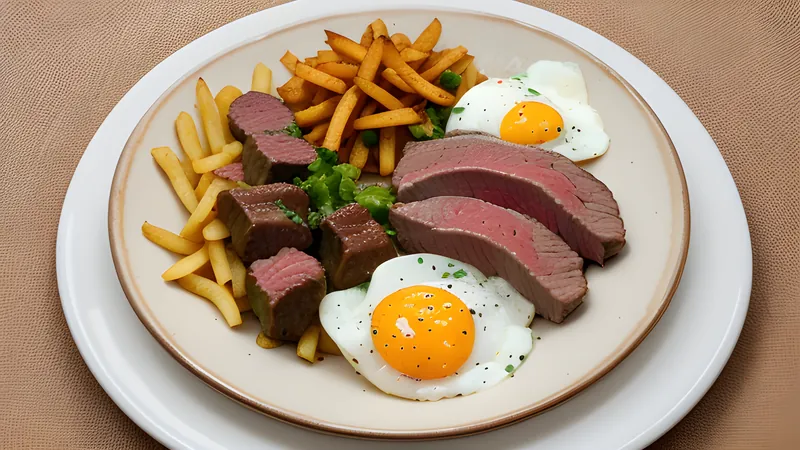
↓ Jump to recipePique macho is built for a shared table: a mountain of crisp chips buried under seared beef, sliced sausage, a sharp tomato and chilli sauce, raw onion, and a fried egg or four scattered across the top so everyone can claim their own. It began in Cochabamba’s beer halls as an order for the table rather than the individual, and it still works best that way, forks optional, fingers doing most of the real work.
Pique Macho: The Cochabamba Pile
Ingredients
- 800g floury potatoes, cut into thick chips
- Vegetable oil, for deep-frying
- 600g beef rump or sirloin, cut into thick strips
- 3 chorizo or spicy pork sausages, sliced into thick rounds
- 1 onion, sliced into wedges
- 3 garlic cloves, crushed
- 2 tomatoes, chopped
- 1 tbsp ají amarillo or ají panca paste
- 1 tsp ground cumin
- 1 tbsp Worcestershire sauce
- 1 red onion, thinly sliced
- 2 tomatoes, sliced, to garnish
- 1 locoto or red chilli, thinly sliced
- 4 eggs
- 1 tbsp chopped parsley
- Salt and black pepper
Method
- Rinse the chips in cold water and pat completely dry. Heat the oil to 160C and blanch the chips for 5-6 minutes until soft but pale. Drain.
- Increase the oil to 190C and fry the chips again for 3-4 minutes until deep golden and crisp. Drain on kitchen paper and season with salt.
- Season the beef strips generously with salt and black pepper.
- Heat 2 tbsp oil in a large hot pan and sear the beef strips in batches for 2-3 minutes, until well browned but still pink in the centre. Set aside.
- In the same pan, fry the sliced sausage for 4-5 minutes until browned and cooked through. Set aside with the beef.
- Add the onion wedges to the pan and cook for 4 minutes until softened and lightly charred at the edges.
- Add the garlic, chopped tomatoes, ají paste and cumin, and cook for 5 minutes until the tomatoes break down into a thick sauce.
- Stir in the Worcestershire sauce, season, and return the beef and sausage to the pan just to reheat through, about 1-2 minutes.
- Fry the eggs in a separate pan until the whites are set and the yolks still soft.
- Pile the chips onto a large shared tray or platter.
- Spoon the beef, sausage and sauce over the chips.
- Scatter over the sliced red onion, sliced tomato and locoto, top with the fried eggs, and finish with chopped parsley.
The story
Cochabamba, Bolivia’s fourth-largest city and its unofficial food capital, produces enormous portions as a point of civic pride, and pique macho, invented in a local chichería in the 1970s, sits at the top of that tradition. The story most commonly told credits a bar called El Aguayo, whose owner is said to have combined leftover cuts of beef, sausage and chips into a single dish for a customer who wanted something substantial and cheap; whatever the precise origin, the dish spread quickly through Cochabamba’s beer halls, where it remains the classic order to accompany a jug of chicha or a round of beer.
The name translates roughly as “spicy male”, a nod to the amount of chilli in the sauce and the sheer scale of the portion, both markers of bravado in the context it was invented for. A genuine order of pique macho comes on a tray big enough for three or four to share, and part of the appeal is the informal, hands-in-the-middle way it’s eaten, closer to a plate of nachos passed around a table than a plated main course served to an individual.
Cochabamba’s food culture generally runs towards abundance, and pique macho fits a pattern that also produces silpancho, a similarly enormous plate of flattened beef, rice and chips, and the city’s famously oversized portions of anything involving meat. Regional variants exist across Bolivia, some swapping in llama meat, some leaning more heavily on the locoto chilli for heat, but the core structure, beef and sausage over chips, sauced and topped with egg and raw onion, stays recognisable everywhere the dish travels.
Getting the chips properly crisp
A double-fried chip is the backbone of pique macho, and skipping either stage produces a soggy pile that can’t hold up under the weight of the beef and sauce. The first fry, at a lower temperature, cooks the potato through to the centre without colouring the outside; the second, hotter fry is purely about building a crisp shell. Rinsing the cut potatoes before frying removes surface starch that would otherwise make them stick together and fry unevenly, and drying them thoroughly afterwards matters just as much, since wet potato dropped into hot oil spits violently and cools the oil faster than it should.
Give the chips room in the fryer or pan; overcrowding drops the oil temperature and steams rather than fries the potato, leaving a pale, limp result no matter how long you leave them in. If you’re working in a domestic kitchen without a deep-fat fryer, a heavy pot with several centimetres of oil and a thermometer does the job fine, just fry in smaller batches than you think you need to keep the temperature steady.
Searing the beef without overcooking it
The beef strips need real heat and very little time, since the whole point of the dish is a good sear on the outside with the centre still rosy. Get the pan properly hot before the beef goes in, and work in batches rather than crowding the pan, because too much meat at once drops the temperature and the beef steams in its own juices instead of browning. Two to three minutes is usually enough for strips cut about 2cm thick; press one with a finger, and if it still gives readily, it’s still pink inside, which is what you want, since the beef will get a brief second turn in the hot pan with the sauce later and doesn’t want to be fully cooked through at this stage.
Resting isn’t strictly necessary here the way it would be for a whole steak, since the beef is cut into strips and returned to the pan briefly with the sauce, but letting it sit on a warm plate for even a couple of minutes while you finish the sauce lets the juices settle rather than run straight out onto the chips the moment it’s plated. If you enjoy this kind of hearty, beer-hall sharing plate, the same generous instinct runs through chivito, Uruguay’s loaded steak sandwich, and salteñas makes a fitting starter from the same Bolivian repertoire if you’re building out a full spread.
Building the sauce so it clings rather than pools
The tomato base sits somewhere between a chunky salsa and a thin gravy, and getting that balance right determines whether the finished tray holds together or turns into a soup with chips floating in it. Cook the tomatoes down properly, a full five minutes at a decent simmer, so the water content reduces and the sauce thickens enough to coat the beef rather than run straight off it onto the plate. If your tomatoes are watery, out of season ones especially, give the sauce an extra few minutes; a thin sauce is the single most common reason a homemade pique macho ends up soggy rather than properly piled.
Worcestershire sauce is not traditional in every household version, but it has become common in Cochabamba kitchens for the savoury depth it adds, and a tablespoon stirred in near the end rounds out the ají paste’s fruitiness with something closer to a proper umami backbone. Taste before adding salt, since both the sausage and the Worcestershire sauce carry their own seasoning, and it is easy to oversalt a dish built from several already-seasoned components.
Assembling the tray
Presentation matters more than it might seem for a dish this rustic, because the tray is meant to be dug into communally, and a good pile makes that easy rather than awkward. Spread the chips out across a wide platter rather than mounding them into a narrow tower; a flatter, broader base means the toppings distribute more evenly and nobody at the far end of the table is left digging through bare chips. Spoon the beef and sauce over generously but not so heavily that the chips beneath turn instantly soggy, saving a portion of the crispest chips to scatter over the top at the very end for a contrast in texture.
Set the fried eggs down last, spaced across the tray rather than clustered in the centre, so a soft yolk is within reach of the plate no matter where a diner starts eating. Bring the tray straight to the table while the chips are still audibly crisp; pique macho left to sit for even ten minutes loses a good deal of what makes it worth ordering in the first place. A cold beer alongside is close to mandatory in Cochabamba, cutting through the richness of the beef fat and the sauce’s chilli heat between mouthfuls, and it’s part of why the dish belongs so firmly to the beer-hall setting it grew up in rather than a formal dinner table.
Substitutions, storage and make-ahead
Any well-marbled steak cut works in place of rump or sirloin; even a good stewing cut, sliced thin against the grain, sears up reasonably well given the short cooking time here. Chorizo brings the closest flavour to the Bolivian original, but any spicy sausage, or a mild one with a little extra chilli added to the sauce, will do the job. Locoto, a fruity, very hot Andean chilli, is hard to find outside South America; a fresh red chilli or a spoonful of chilli flakes stirred into the sauce gets close enough in heat without matching its particular fruitiness.
Pique macho really doesn’t survive being made ahead and reheated, since the whole appeal rests on crisp chips and a fresh sear on the beef; both turn soggy and grey with time. What you can do ahead is the sauce base, the tomato, onion, garlic and ají mixture, which keeps for two days in the fridge and speeds up the final assembly considerably. Chip the potatoes and blanch them in the first fry ahead of time too if you like, storing them in the fridge until you’re ready for the final hot fry, sear and plate.
Related Content