Pikliz: The Fiery Haitian Slaw
The pickled cabbage that sits on every Haitian table
Contents
↓ Jump to recipeThere is a jar on the counter in most Haitian kitchens, and it is always half empty. Cloudy vinegar, a raft of pale cabbage pressed under the surface, flecks of orange carrot and, if you look closely, the crumpled lantern shapes of sliced scotch bonnet. This is pikliz, and its job is to be there when you need it: a forkful dragged onto the side of a plate to cut through anything rich, fried or heavy. It is Haiti’s answer to the question every cuisine with a lot of fried food eventually has to answer, which is what stops the plate feeling like a brick.
I keep a jar going more or less permanently. It costs almost nothing, takes twenty minutes of chopping, and improves for weeks in the fridge. Once you have made it a couple of times you stop measuring the vinegar and just pour until the cabbage drowns.
Pikliz: The Fiery Haitian Slaw
Ingredients
- 400g white cabbage, very finely shredded
- 2 medium carrots, coarsely grated
- 1 medium onion, halved and thinly sliced
- 4 spring onions, cut into 2cm lengths
- 2–4 scotch bonnet peppers, thinly sliced (seeds in for full heat)
- 6 cloves garlic, sliced
- 8 whole black peppercorns
- 4 whole cloves
- 1 tbsp fine salt
- Juice of 2 limes
- About 500ml white vinegar (5% acidity)
Method
- Combine the cabbage, carrot, onion, spring onion, scotch bonnet and garlic in a large bowl. Add the salt and lime juice and toss thoroughly with clean hands for a full minute so everything is coated.
- Pack the vegetables tightly into a clean 1-litre jar, pressing down as you go. Drop in the peppercorns and cloves.
- Pour in white vinegar until the vegetables are fully submerged, leaving 1cm headspace. Press down again so no cabbage floats above the liquid.
- Seal and leave at room temperature for 24 hours, then refrigerate. It is sharp and usable at 3 days and hits its stride at a week. Keeps 4–6 weeks chilled.
What pikliz actually is
The word comes from the French piccalilli, but the two dishes parted ways long ago. English piccalilli is cooked, thickened with mustard and turmeric, sweetened into a chutney. Pikliz is raw, unsweetened and built almost entirely around acid and heat. Nothing is cooked. The vinegar does all the work, softening the cabbage just enough while keeping it crisp, drawing the fire out of the scotch bonnets and spreading it evenly through the jar.
The scotch bonnet is the point. This is not a chilli you can swap out casually. It carries a fruity, almost floral heat that defines Caribbean cooking from Kingston to Port-au-Prince, and in pikliz it is used with real conviction. Two peppers make a slaw with a warm background hum. Four makes something that clears your sinuses and gets respect. The vinegar tames the raw aggression of the pepper without touching its flavour, which is why pikliz can be genuinely hot and still pleasant to eat by the forkful.
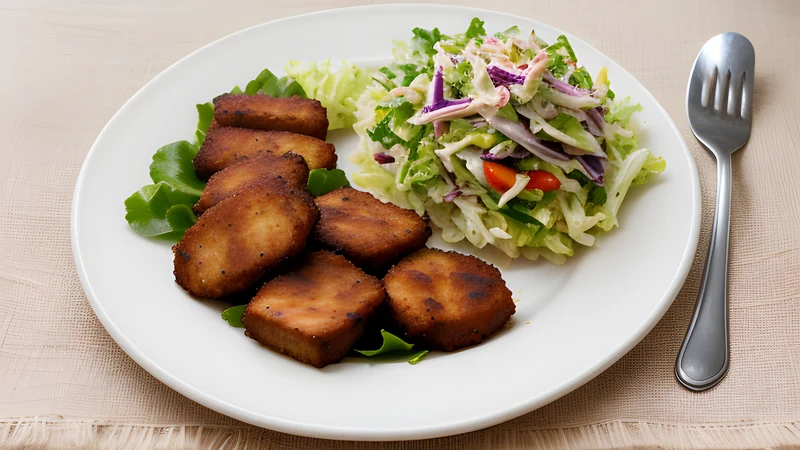
It belongs beside fried food above all. On a Haitian plate you will find it next to griot, the twice-cooked pork that is Haiti’s great weekend dish, where the sharp slaw cuts straight through the fried fat. It goes on fried plantain, on grilled fish, on rice and beans, on anything that needs a bright, acidic, spicy counterpoint. The same logic drives pickled slaws across the region, from Jamaica’s escovitch topping of pickled peppers to the sharp cabbage that tops street food everywhere the scotch bonnet grows.
A condiment with a long memory
Pikliz did not appear from nowhere. Preserving vegetables in vinegar and salt is one of the oldest kitchen skills there is, a way of keeping a glut of cabbage or carrot edible through a lean stretch, and every culture that lived through hurricane seasons and uncertain markets learned some version of it. Haiti’s version absorbed the French pickling tradition of its colonial period, the West African taste for serious chilli heat that came across the Atlantic with enslaved people, and the scotch bonnet that thrives in the Caribbean climate. The result is a condiment that reads as unmistakably Haitian while carrying three histories in the same jar.
It also earns its keep economically. Cabbage is one of the cheapest vegetables in any market, it stores well, and a single head stretched with a couple of carrots and an onion fills a large jar that lasts a household weeks. In a cuisine where nothing is wasted, a pickle that turns bulk cabbage into something everyone reaches for at every meal is a genuinely clever piece of household engineering. Street vendors selling fried griot and plantain almost always have a tub of it, spooned over the top for a few gourdes, and the quality of a vendor’s pikliz is a real part of their reputation.
The heat is cultural as much as culinary. Haitian cooking is not shy, and pikliz is where a cook can show a bit of nerve. A milder jar is welcoming; a fierce one is a small point of pride. Nobody apologises for it.
Getting the cut right
Everything here comes down to how you cut the vegetables, because none of it gets cooked. The cabbage must be shredded finely, thinner than you would for a mayonnaise coleslaw. Thick ribbons stay tough and never take on the vinegar properly; fine shreds go silky at the edges while keeping a crunch at the core. A sharp knife and patience beat a food processor, which tends to bruise cabbage and throw out uneven pieces. Quarter the cabbage, cut out the hard core, then slice each quarter across as thinly as you can manage.
Grate the carrot on the coarse side of a box grater rather than the fine side. You want distinct orange threads with some body, not a wet mush that clouds the jar and turns to paste. The onion should be sliced thin enough to go translucent in the vinegar within a day.
The scotch bonnets need care. Slice them thin, and decide before you start whether you want the seeds. Seeds in, all four peppers, and you have something serious. If you are unsure, start with two seeded peppers this time and note how it lands; you can always be braver next batch. Wear gloves if your skin is sensitive, and keep your hands away from your eyes for a good while afterward. I once rubbed an eye an hour after slicing bonnets and regretted it for the rest of the evening.
The salt-and-lime rub matters
The single step people skip is the salting. Before anything goes in the jar, the shredded vegetables get tossed hard with salt and lime juice and left for a minute. This does two things. The salt begins to draw water out of the cabbage, which is what stops the finished pikliz being waterlogged and lets it stay crisp for weeks. The lime seasons the vegetables directly rather than leaving all the acid work to the vinegar, and it brightens the whole jar with a citrus edge the vinegar alone cannot give.
Toss it properly, with your hands, squeezing gently so the salt makes contact everywhere. You will feel the cabbage soften slightly and go glossy. Only then does it go into the jar.
Packing and patience
Pack tightly. Pikliz works best when the vegetables are pressed down hard so the vinegar can reach every shred and nothing floats above the surface. Anything sticking out of the liquid can spoil, so keep pressing as you fill the jar, and top up with vinegar until everything is submerged with a centimetre to spare.
Use plain white vinegar at 5% acidity. It is cheap, sharp and neutral, which is exactly what you want; a fancy wine vinegar muddies the clean acidic snap. Some cooks add a splash of the vegetables’ own lime-salt liquid too, which is fine.
Then wait. A day at room temperature gets the pickling going quickly, after which it lives in the fridge. It is edible after 24 hours but thin and one-dimensional. At three days the flavours have married. At a week it is exactly right: the heat evenly distributed, the cabbage crisp-tender, the vinegar rounded rather than raw. It keeps improving for a fortnight and stays good for a month or more, slowly getting hotter as the scotch bonnet leaches into the brine.
Tips, faults and variations
If your pikliz tastes harshly of raw vinegar, it is simply young. Give it more time. If it goes soft and dull, the cabbage was cut too thick or the salting was skipped, so the vegetables never firmed up. If it is not hot enough, you were timid with the bonnets or left them whole rather than sliced; slicing releases far more heat into the brine.
The classic version is cabbage, carrot, onion and scotch bonnet, and I would make that first. Once it is familiar, the additions are worth playing with. Thinly sliced bell pepper adds sweetness and colour. A shredded green mango brings a sour, resinous note that is popular in some households. A little sliced shallot in place of the onion is milder and cleaner. Cloves and peppercorns are traditional and I would keep them; a couple of allspice berries would not be out of place given the Caribbean pantry.
What you should not do is add sugar. Pikliz is defined by its lack of sweetness, and a sweetened version drifts back toward the piccalilli it broke away from generations ago. Keep it sharp, keep it hot, keep it raw.
On storage: keep it submerged and it will outlast your expectations. As the jar empties, press the remaining vegetables back under the brine each time so nothing sits exposed. If you find you go through it fast, scale the recipe up freely, since the method is identical whether you make one jar or three, and the vinegar and salt are effectively free. I usually make a double batch and give half to whoever is nearby, because a jar of homemade pikliz is a better gift than most people expect. Just warn them about the four-pepper version before they take a confident forkful.
Living with a jar of pikliz
The real pleasure of pikliz is how it changes your cooking without any effort. A plain grilled chicken thigh and a scoop of rice becomes a proper meal with a forkful on the side. Leftover roast pork, a fried egg on toast, a bowl of beans, a piece of fish that came out slightly dull, all of it lifts the moment the sharp, hot cabbage lands next to it. It is the same trick that a good Sunday sancocho relies on when it arrives with hot sauce and lime alongside: the rich thing and the sharp thing on the same plate, each making the other better.
Make a jar this week. By next weekend it will be exactly right, and by the weekend after you will already be planning the next batch, hotter this time.
Related Content