Pierogi Ruskie From Scratch
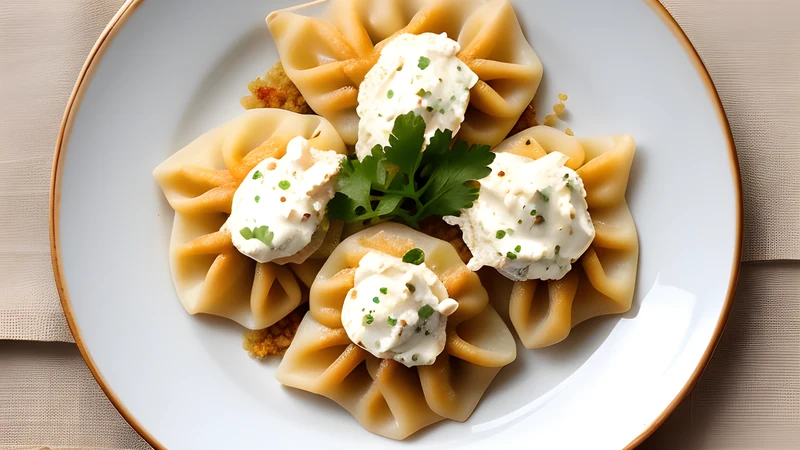
Potato-and-cheese dumplings with browned butter and burnt onions
Contents
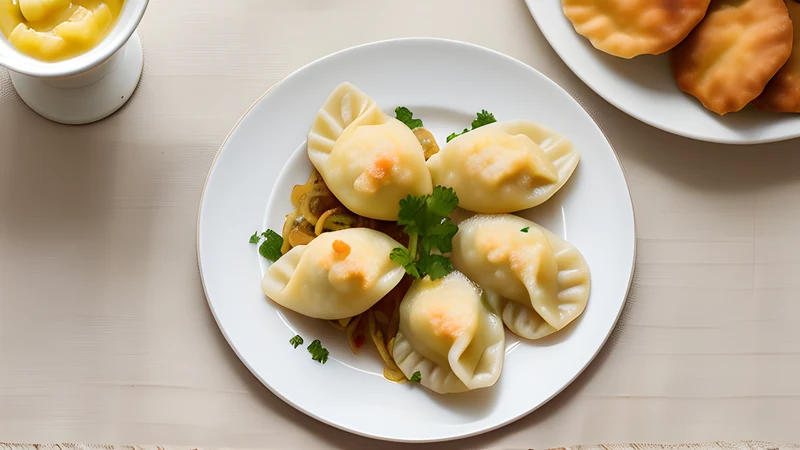
↓ Jump to recipePierogi ruskie are the ones people mean when they say pierogi without qualifying it: soft half-moons of dough filled with mashed potato and tangy fresh cheese, boiled until they float, then bathed in butter and burnt onions. They are humble, endlessly comforting, and a genuine test of feel that no recipe fully captures. Nobody learns pierogi from a book alone. But a good book gets you most of the way, and this is that.
Pierogi Ruskie From Scratch
Ingredients
- 400g plain flour, plus more for dusting
- 1 large egg
- 3 tbsp soured cream
- 180ml warm water
- 1/2 tsp salt
- 1 tbsp neutral oil
- 500g floury potatoes (Maris Piper), peeled
- 250g twaróg or dry curd cheese (or well-drained ricotta)
- 2 large onions, finely diced
- 60g butter
- 1/2 tsp white pepper
- 1 tsp salt, for the filling
- Soured cream, to serve
Method
- Boil the potatoes in salted water until fully tender, about 18 minutes. Drain very well and let the steam escape for 5 minutes.
- Fry half the diced onion in 20g butter over medium heat until deep gold and soft, 8 to 10 minutes. Reserve.
- Mash the potatoes smooth, then beat in the twaróg, cooked onion, salt and white pepper. Cool completely.
- Make the dough: mix flour and salt, add egg, soured cream, oil and most of the warm water. Knead 8 minutes to a soft, smooth, slightly tacky dough. Rest covered 30 minutes.
- Roll the dough 2mm thin on a floured surface. Cut 8cm rounds with a glass or cutter.
- Place a heaped teaspoon of filling on each round. Fold into a half-moon and pinch the edge firmly, sealing with no air trapped inside. Crimp if you like.
- Boil in batches in a wide pan of salted water. They are done 90 seconds after they float, about 3 minutes total.
- Lift out with a slotted spoon. Meanwhile fry the remaining onion in the rest of the butter until browned. Toss the pierogi through the browned butter and onions and serve with soured cream.
What Ruskie actually means
The name causes endless confusion, so let us clear it up first. Ruskie here refers to Ruthenia, the historic region straddling what is now western Ukraine and south-eastern Poland; it has nothing to do with Russia. The dumplings are named for the Rusyn people of those borderlands, and they travelled west with populations displaced across the twentieth century until they became one of the defining dishes of the Polish table. In Ukraine the same dumpling is a varenyky, and cooks on both sides of the border will argue happily about whose grandmother did it better.
What unites them is the filling: floury potato and twaróg, the fresh curd cheese that sits at the heart of Central European cooking. Twaróg is drier and more acidic than cottage cheese and gives the filling its characteristic gentle tang. If you cannot find it, well-drained ricotta or a dry curd cheese will do, though the flavour softens. Some Polish delis sell it as farmer’s cheese; buy the firmest, driest block you can.
Why potato and cheese belong together here
The pairing of floury potato with tangy fresh curd is doing more than filling the dough. The potato brings starch, weight and a neutral, comforting base; the twaróg brings acidity, a little protein structure and the faint sourness that keeps the filling from tasting flat and stodgy. Get the ratio right — roughly two parts potato to one part cheese by weight, though every family tilts it — and the filling holds together when you seal it yet stays soft and yielding after boiling. Season it more assertively than feels right while it is warm, with salt and white pepper, because a cold potato filling mutes seasoning and an under-salted pierog is a sad thing. The cooked onion folded through is essential to a proper ruskie, threading sweetness all the way through the filling so every bite carries it.
Let the filling cool completely before you fill the dough. A warm filling softens the dough, makes it sticky to handle and can steam inside the dumpling as it seals, weakening the seam. Make the filling first, even the day before, and keep it in the fridge so it is firm and easy to portion when you come to shape.
The dough is soft, and that is the point
A pierogi dough should feel like a supple earlobe, soft and slightly tacky rather than firm like pasta. The soured cream in mine does two jobs: it enriches the dough so it stays tender after boiling, and its acidity relaxes the gluten so the dough rolls thin without fighting back. Knead for a full eight minutes so the gluten develops enough to be strong yet elastic, then rest it covered for at least half an hour. That rest is non-negotiable; an unrested dough springs back the moment you roll it and you will never get it thin.
Roll to about 2mm. Too thick and the boiled dumpling is stodgy; too thin and it splits under the filling. Keep the dough you are not using covered with a cloth, because exposed edges dry out in minutes and then refuse to seal.
Sealing, the make-or-break step
A pierog that opens in the water is a lost pierog, spilling its filling and leaving you with a bald flap of dough. Two things prevent it. First, keep the edges of your rounds clean; any smear of filling on the rim stops it sticking. Second, press the air out as you seal. Trapped air expands in the boiling water and pops the seam. Fold to a half-moon, press the centre closed first, then work outward, squeezing gently to force the air toward the ends before you finish the seal.
If your dough has dried and will not stick, run a barely damp fingertip along the rim before folding. A decorative crimp, pinching the sealed edge into little pleats, is traditional and also adds a second line of defence at the seam.
The browned butter and the burnt onions
Here is where pierogi ruskie earn their reputation. Boiled and drained, they are pleasant but plain. Tossed through butter that has been cooked until it smells of hazelnuts, with onions fried past golden to the edge of caramel, they become something you will think about for days. This is my one clever addition to a strictly traditional recipe, and it is barely an addition at all: I simply push both the butter and the onions further than most cooks dare, to the deep amber point just before bitterness, because that is where the flavour lives.
Fry one batch of onion soft and sweet for the filling, and a second batch harder and darker for the topping. Watch them closely once they colour; the gap between beautifully browned and acrid is about ninety seconds. When the butter foams, subsides and turns the colour of weak tea, tip the drained pierogi in and turn them gently so every one is glossed.
Do not crowd the finished dumplings on the plate while the rest cook, or they will stick to one another and tear when you pull them apart. Keep them loose, gloss them with the browned butter as each batch comes out of the water, and they will sit happily until the whole lot is ready to carry to the table.
Getting the boil right
Use your widest pan and plenty of well-salted water, and cook in batches so the dumplings are not crowded. They sink, then rise; count ninety seconds from the moment they float and lift them out. Overcooked pierogi go slack and the dough loses its bite. A slotted spoon is gentler than a colander, which can pile them up and burst the delicate ones.
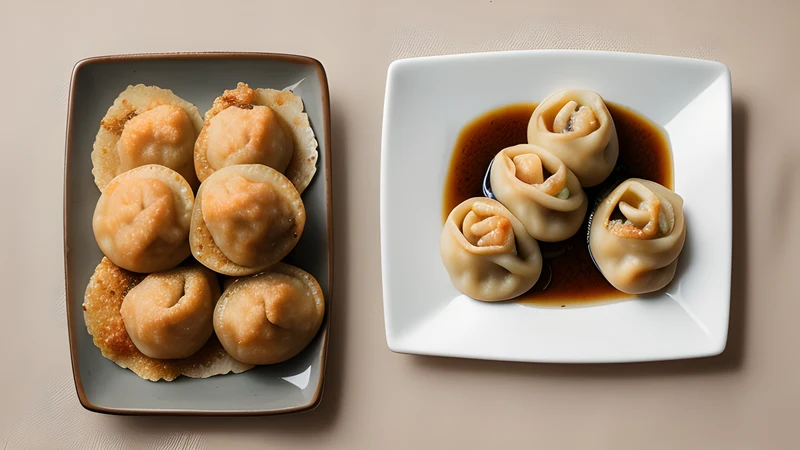
If you want them crisp, and many Poles do for leftovers, fry the boiled pierogi in butter until one side is golden. This is the classic second life of yesterday’s batch, and it is arguably better than the first.
Make-ahead, freezing and the wider table
Pierogi freeze beautifully raw. Lay the sealed, unboiled dumplings on a floured tray so they do not touch, freeze until solid, then bag them. Boil straight from frozen, adding two minutes. This is how Polish households survive Christmas Eve, when a wigilia table might demand hundreds of them alongside the meatless dishes.
Made this way, pierogi ruskie anchor a whole style of eating. They sit naturally beside a crisp kotlet schabowy done properly for a full Sunday spread, and they share their potato-and-butter soul with Lithuania’s mighty cepelinai, the potato zeppelin and Russia’s dainty pelmeni with black vinegar and smetana. If the folding bug bites, you will find yourself deep in the vast world of the international dumpling day before long.
A note on scale, because pierogi reward it. Forty dumplings is a comfortable batch for a first go, but the same afternoon’s work makes eighty or a hundred just as easily, and the marginal effort of doubling the filling and dough is small against the reward of a freezer stocked for weeks. This is exactly why pierogi are a communal, make-a-mountain kind of food in Poland: a wigilia or a name-day might call for hundreds, and the folding becomes a table full of hands and gossip. If you are going to dirty the flour and the rolling pin, dirty them properly and freeze the surplus raw.
Pierogi through the Polish year
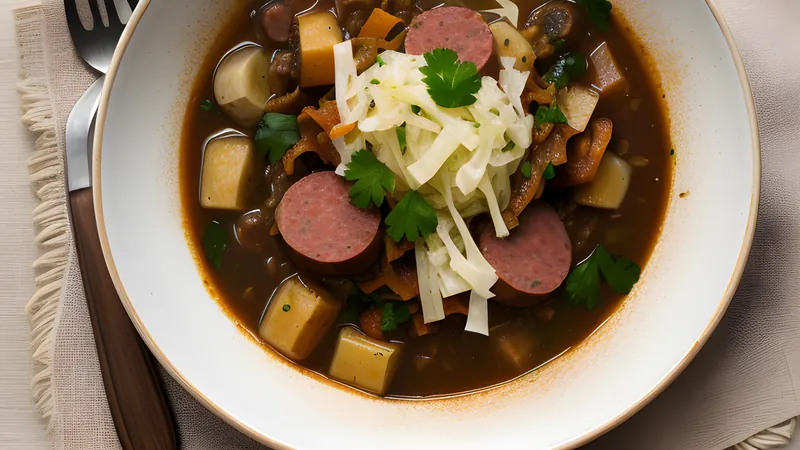
Pierogi are everyday food and ceremonial food at once, and knowing where they sit in the calendar tells you a lot about the dish. On Christmas Eve, the meatless wigilia supper leans on pierogi z kapustą i grzybami, filled with sauerkraut and dried wild mushrooms, because the fast forbids meat but demands generosity. At Easter and for name-days, the ruskie potato-and-cheese kind appear by the platterful. There is a patron saint of the things in folk memory, Saint Hyacinth — Święty Jacek z pierogami, “Saint Hyacinth and his pierogi” — a Polish expression of pleased surprise, supposedly dating to a famine when the friar fed the hungry on dumplings. Whether or not the legend holds, it tells you how far back the affection runs.
That long history is why the technique is passed hand to hand rather than written down. A Polish grandmother judges the dough by how it feels against her palm and the filling by taste, and she folds a hundred while barely looking. You will not match that on a first afternoon, and you do not need to; but each batch teaches your hands the feel of a dough thin enough and a seal firm enough, and after three or four sessions you will find you have stopped measuring and started judging, which is the whole point.
Variations across the region
Once the technique is in your hands, the fillings open up. Sweet pierogi with sweetened twaróg and a little vanilla are a summer treat, served with more soured cream and sugar. Pierogi z kapustą i grzybami, cabbage and wild mushroom, are the meatless Christmas Eve standard. A savoury spinach-and-feta filling is a modern favourite that respects the method while nodding elsewhere.
Whatever you fill them with, the ruskie template teaches you everything: a tender dough, a well-seasoned filling that is not too wet, a firm seal, a gentle boil and a generous, browned, buttery finish. Master these and you will never buy the frozen supermarket kind again, and you will understand why a plate of them can make a grown Pole go quiet with homesickness.
Related Content