Pernil With Crackling Skin
Garlic-and-oregano marinated pork shoulder, slow-roasted to shreds under blistered skin
Contents
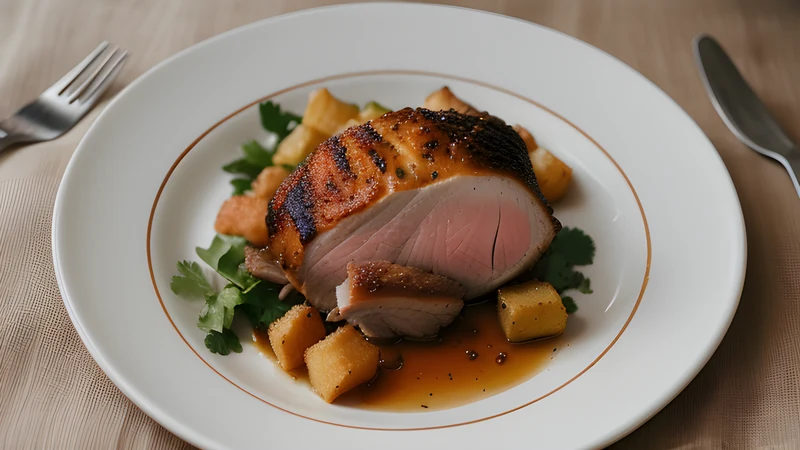
↓ Jump to recipePernil is the centrepiece pork of the Puerto Rican table — a whole bone-in shoulder marinated hard with garlic, oregano and citrus, then roasted low and slow until the meat surrenders into juicy shreds beneath a lid of blistered, glass-shattering crackling. It is the smell of Christmas and Sunday and any celebration worth the name in Puerto Rican homes, and it asks almost nothing of you on the day beyond patience and a reliable oven.
The work is front-loaded and mostly hands-off: a proper adobo paste worked deep into the meat, a long overnight rest, and then hours of slow roasting while you get on with everything else. The only moment that needs your attention is the end, when the oven goes hot and the skin transforms. Get that right and you have both the tender pull-apart pork and the cuero — the crackling — that people quietly fight over.
Pernil With Crackling Skin
Ingredients
- 1 bone-in pork shoulder with skin on, about 3.5 kg
- 12 garlic cloves
- 2 tbsp dried oregano
- 2 tbsp fine salt
- 1 tbsp black peppercorns
- 1 tbsp ground cumin
- 4 tbsp olive oil
- 3 tbsp white wine vinegar
- Juice of 2 limes
- 1 tbsp sofrito or 1 grated onion (optional, for the paste)
Method
- Make the adobo: pound or blend the garlic, oregano, salt, peppercorns and cumin with the olive oil, vinegar and lime juice into a thick, wet paste.
- Prepare the pork: pat it dry. Carefully separate the skin from the meat on one side to make a pocket, keeping the skin attached along the edges. Stab the meat all over with a knife, making deep incisions.
- Rub the adobo paste deep into every incision and all over the flesh, and under the loosened skin. Do not season the top of the skin itself with the wet paste; keep the skin dry.
- Cover and refrigerate at least overnight, ideally 24 to 48 hours, so the marinade penetrates.
- Bring the pork to room temperature. Rub the skin with a little salt and dry it well. Roast at 150°C (fan 135°C), skin-side up, uncovered, for about 4.5 hours, until the meat is fork-tender and pulls apart easily.
- Increase the oven to 220°C (fan 200°C). Roast a further 25 to 40 minutes, watching closely, until the skin puffs, blisters and shatters into crackling (cuero). Turn the tray for even blistering.
- Rest the pork, loosely tented, for 20 to 30 minutes.
- Pull or carve the meat, break the crackling into shards, and serve together with the pan juices spooned over.
The pork at the heart of the celebration
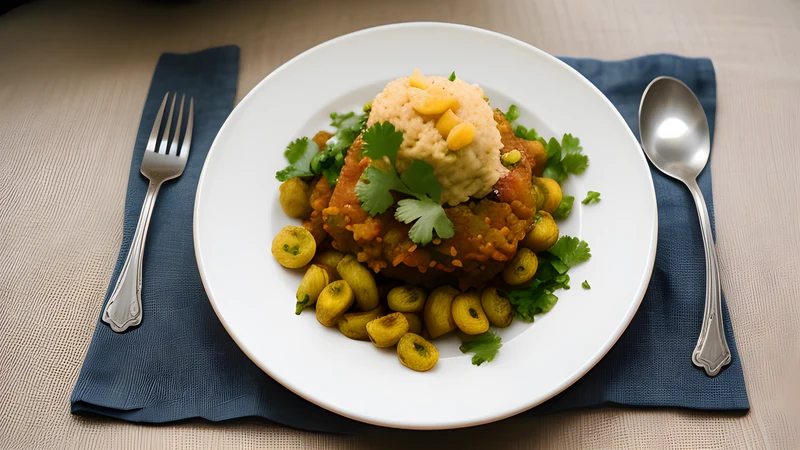
Pernil simply means the leg or shoulder cut in Spanish, and the dish belongs to a broad Spanish and Latin American tradition of marinating and slow-roasting a large joint of pork for a feast. In Puerto Rico it is the anchor of the Christmas table, served with arroz con gandules (rice with pigeon peas) and, very often, mofongo with garlic and chicharrón — the crisp skin from the pernil making a superb chicharrón to pound into the plantain. It appears at Thanksgiving, at parties, at any gathering large enough to justify roasting several kilos of pork.
The seasoning is pure Caribbean adobo: garlic, oregano and citrus, the same trio of flavours that runs through so much of the region’s cooking. It shares a marinating logic and a festive role with the Caribbean’s other great meats and stews, from sancocho, the Sunday stew of the Caribbean to the shredded-beef plates further south. What sets pernil apart is the crackling, and the sheer generosity of a whole shoulder feeding a crowd.
Adobo, and getting it into the meat
A pernil is only as good as its seasoning, and the mistake people make is treating the adobo as a surface rub. It has to get inside. The paste — garlic pounded with dried oregano, salt, pepper, cumin, olive oil, vinegar and lime — is worked deep into the flesh through incisions you cut all over the joint, and pushed under the skin into the layer of fat and meat beneath. This is what seasons the pork all the way through rather than just on the outside.
Two details make the difference:
- Stab it deeply. Make deep incisions across the meat with the tip of a knife and press the paste right down into each one with your fingers. The more incisions, the more evenly the garlic and salt penetrate.
- Get under the skin. Slide your fingers between the skin and the flesh to lift it into a pocket (keeping it attached at the edges), and rub adobo directly onto the meat under the skin. The skin itself stays dry on top — you want it dry so it can crackle later.
Then time does the rest. Marinate at least overnight; a full 24 to 48 hours is better, and the salt in the paste acts as a dry-brine, seasoning deep and keeping the meat juicy. This long rest is the single biggest factor in a pernil that tastes seasoned to the bone.
The slow roast
Roast the pernil low and slow, skin-side up, uncovered, at around 150°C. A shoulder of this size wants roughly four and a half hours at this temperature, though go by feel rather than the clock: it is done when a fork twisted into the thickest part meets no resistance and the meat pulls into shreds. Collagen in the shoulder needs those long hours at gentle heat to melt into gelatine, which is what makes the meat succulent and pull-apart rather than tough. Rushing it at high heat leaves it chewy.
You do not need to baste obsessively — the fat cap and skin protect the meat and self-baste as they render. A little liquid in the base of the tray (water or stock) stops the drips catching and gives you the beginnings of a jus. Keep the skin above the liquid line and dry.
Choosing the joint
The cut you buy decides a lot before any seasoning goes near it. You want a bone-in shoulder with the skin left on — in the UK this is often sold as pork shoulder or hand of pork, and you may need to ask the butcher to leave the rind on and not to score it too deeply, or to keep it whole rather than rolled. The bone conducts heat into the centre and adds flavour, and it makes the joint easier to judge for doneness: when the meat is ready, it starts to loosen around the bone and you can wobble it. The skin, of course, is where the crackling comes from, so a skinless supermarket shoulder simply cannot make a proper pernil.
Fat is your friend here. A generous fat cap under the skin bastes the meat from within over the long roast and keeps a lean-cut prone shoulder from drying out. Do not trim it away. A shoulder around 3.5 kg feeds eight generously with leftovers; scale the marinade and the timing up or down proportionally if your joint is larger or smaller, always cooking to tenderness rather than to a fixed clock.
Why low and slow works
It is worth understanding what those hours are doing, because it stops you panicking and turning the heat up too soon. A pork shoulder is a hard-working muscle laced with connective tissue and collagen. At a gentle 150°C, that collagen slowly dissolves into gelatine, which lubricates the meat fibres and gives pernil its characteristic moist, silky, pull-apart texture. This transformation happens over time at a moderate temperature; it cannot be hurried with more heat, which instead squeezes the fibres tight and drives out moisture, leaving you with a dry, stringy joint. The internal temperature climbs slowly through the roast and the meat is at its best well past the point most people think of pork as merely cooked — you are aiming for tender, not just safe. Trust the low oven and the long clock, and only bring on the fierce heat right at the end for the skin.
Cuero: the crackling finish
The crackling is the crown, and it is made in the final stretch by a blast of high heat. Once the meat is tender, crank the oven up to 220°C and roast for another 25 to 40 minutes, watching it closely, until the skin puffs, bubbles and blisters into shatteringly crisp cuero. The moisture in the skin steams out and the surface crisps and pops into golden domes.
A few things help it along:
- Dry skin is everything. Pat the skin bone dry before roasting and keep the wet marinade off the top of it. A rub of plain salt on the skin draws out moisture and helps it crisp.
- Score if it hasn’t been. If your skin is thick and not already scored, cut a shallow diamond pattern through the skin and fat (not into the meat) to help it blister evenly.
- Watch it like a hawk. The line between perfect crackling and burnt is short at 220°C. Turn the tray for even colour, and if one area blisters faster, shield it loosely with foil.
If the skin stubbornly refuses to crisp evenly, you can cut it off in one piece and finish it separately on a tray at high heat while the meat rests — a reliable rescue that also makes the skin easy to break into shards.
Resting, serving and leftovers
Rest the finished pernil, loosely tented so the crackling stays crisp, for twenty to thirty minutes. This lets the juices redistribute so they stay in the meat rather than running out onto the board.
To serve, pull the meat into rough shreds or carve it in thick slices, break the crackling into shards, and spoon over the garlicky pan juices. The traditional partners are arroz con gandules and a squeeze of fresh lime; a sharp pickled onion or a fresh chilli sauce cuts the richness.
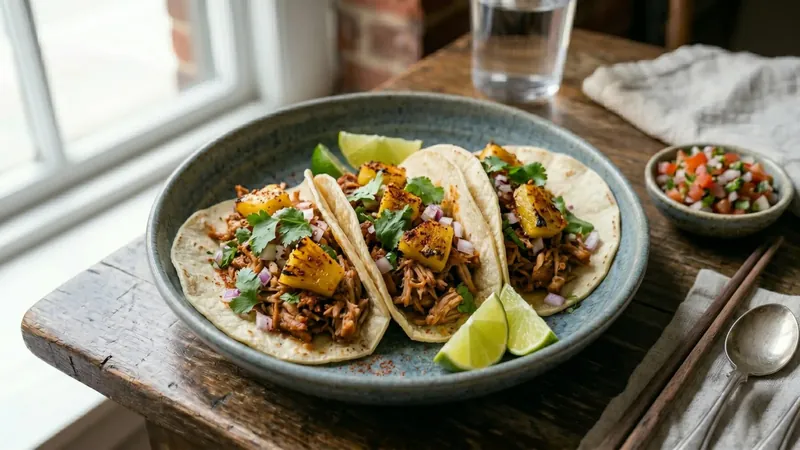
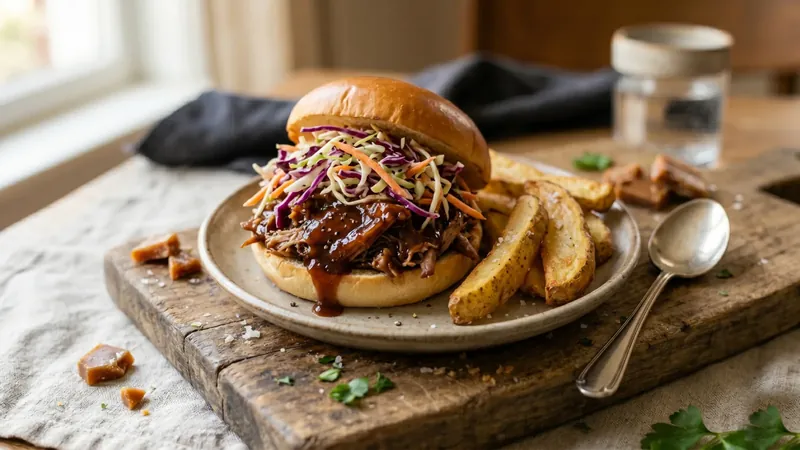
- Leftovers. Pernil leftovers are a gift. Pile the shredded pork into sandwiches (the classic pernil sandwich with a smear of garlic mayo), fold it into rice, or crisp it up in a hot pan and use it to fill tacos or arepas.
- Chicharrón for mofongo. Save the crackling — broken into pieces, it is the ideal chicharrón to pound into mofongo the next day.
- Smaller joint. A boneless shoulder of 2 kg works on the same method; reduce the slow roast to about 3 hours and check for tenderness.
- Make-ahead. The pork reheats beautifully. Roast it a day ahead, shred it, and warm it through in its juices; crisp fresh crackling separately under a hot grill to serve.
Front-load the work, give it the marinade time and the low hours it needs, then finish hot for that shattering skin. A whole pernil coming out of the oven, crackling popping as it cools, is one of the great celebratory sights in the kitchen — and there is enough of it to feed everyone who shows up.
Related Content