Pempek: Palembang Fishcakes in Dark Vinegar
bouncy fish-and-sago dumplings dunked in a sour, garlicky, palm-sugar-dark cuko
Contents
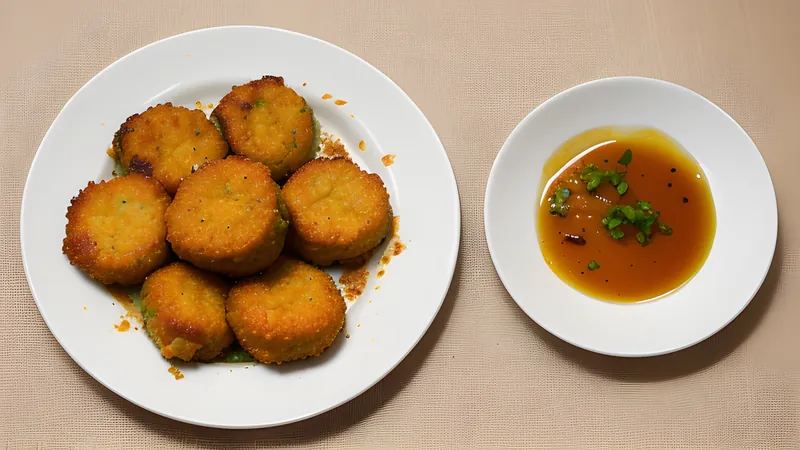
↓ Jump to recipePempek is the rare fishcake that gets more interesting the longer you look at it. The outside, once fried, is dark gold and cracked like a dry riverbed. Cut into it and the inside is pale, dense and faintly springy — closer in texture to a fish sausage than to anything you’d call a cake. Then there’s the sauce, which does something most dipping sauces don’t attempt: it’s the loudest element on the plate, sour and dark and sweet all at once, built from tamarind and palm sugar and enough garlic and chilli that it stains whatever it touches. In Palembang, where pempek comes from, people drink the leftover cuko from the bowl once the fishcakes are gone. That tells you which half of the dish is actually in charge.
Pempek: Palembang Fishcakes in Dark Vinegar
Ingredients
- 500g skinless white fish fillet (mackerel, wahoo or pollock all work), very cold
- 250-300g tapioca starch, plus extra for dusting
- 1 egg
- 2 cloves garlic, finely grated
- 1 tsp salt
- 1/2 tsp sugar
- 100ml ice-cold water
- Vegetable oil, for shallow-frying
- For the cuko: 200g palm sugar, chopped
- 60g tamarind pulp, soaked in 200ml hot water and strained
- 6 cloves garlic, roughly chopped
- 15 bird's eye chillies, or fewer to taste
- 2 tsp salt
- 500ml water
- To serve: fine rice vermicelli, cucumber matchsticks, extra chilli
Method
- Chill the fish in the freezer for 20 minutes so it's very cold before blending, which keeps the paste from turning gummy.
- Blitz the fish, garlic, egg, salt and sugar in a food processor with the ice water until you have a smooth, almost mousse-like paste.
- Tip into a bowl and work in the tapioca starch by hand, a third at a time, until you have a soft, slightly sticky dough that holds its shape when rolled — you may not need all the starch.
- Dust your hands with tapioca starch and shape the dough into cylinders about 15cm long and 3cm thick for lenjer, or flatten portions around a spoonful of hard-boiled egg for kapal selam.
- Bring a large pot of water to a gentle simmer (not a rolling boil) and poach the pempek in batches for 12-15 minutes, until they float and firm up. Lift out and drain.
- For the cuko, blend garlic and chillies to a rough paste. Combine with palm sugar, tamarind water, salt and the measured water in a saucepan.
- Simmer the cuko for 15-20 minutes until it darkens and reduces slightly, then strain if you prefer it smooth, or leave the garlic and chilli in for texture.
- Slice the poached pempek and shallow-fry in hot oil for 3-4 minutes per side until the crust is deep golden and cracked.
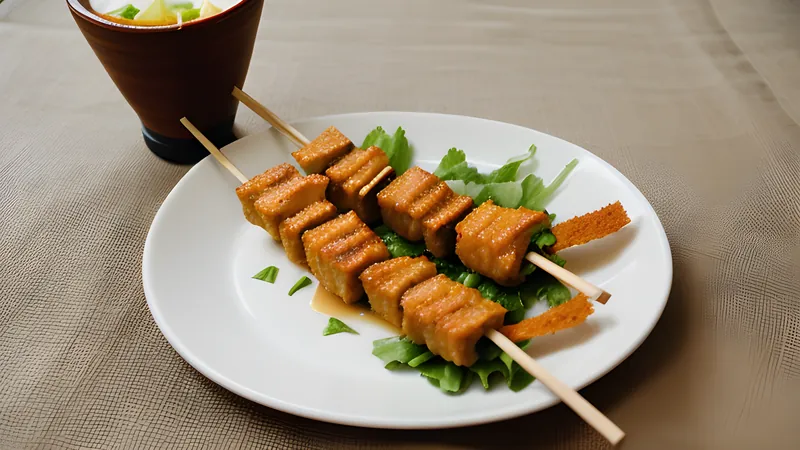
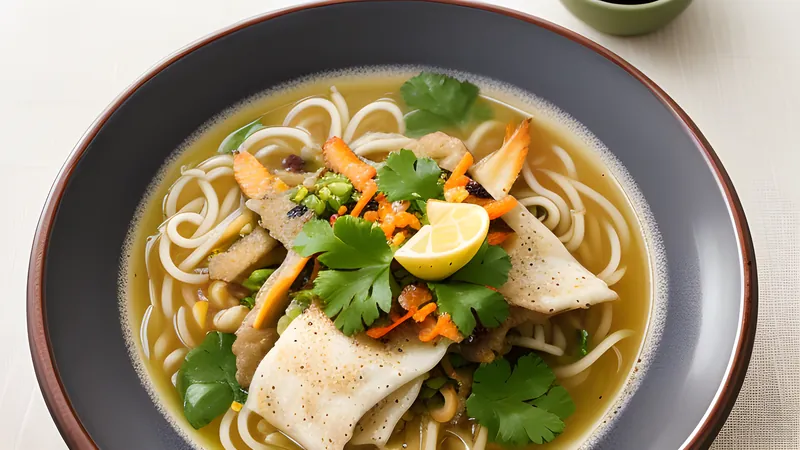
- Serve hot, cut into pieces, over a small nest of rice vermicelli and cucumber, with the cuko poured over or served alongside for dipping.
A dish from South Sumatra with a name that gives away its history
Pempek belongs to Palembang, the capital of South Sumatra, a river city built along the wide brown water of the Musi. The most common explanation for the name traces it to pek-pek or apek, a term once used locally for older Chinese men, because the dish is widely believed to have been invented or popularised by Chinese immigrant fishmongers who combined the abundant local river fish with the starch-thickening techniques familiar from Chinese fish-ball and fish-cake cookery. Palembang sits on a river with a long history of Chinese trading settlement, and pempek’s texture — bouncy, starch-bound, poached before it’s ever fried — has more in common with a Chinese fish ball than with anything else in Indonesian cooking. The cuko, on the other hand, with its tamarind sourness and chilli heat, is entirely Sumatran, and it’s the combination of the two traditions in one dish that makes pempek genuinely distinct rather than a copy of either.
Traditionally the fish used was ikan belida, a Sumatran river fish now protected in much of Indonesia, which is why most pempek today — in Palembang as much as abroad — is made with wahoo (tenggiri), mackerel, or increasingly whatever firm white-fleshed fish is available. The dish survived the disappearance of its founding ingredient because the technique, not the specific fish, was always the point: any firm, low-oil white fish blended cold with tapioca starch will give you the same bounce.
Why the fish has to be cold and the water has to be ice
The single most common way pempek goes wrong at home is turning gummy rather than bouncy, and almost always the cause is warm fish. Blending fish flesh generates friction heat, and if the fish starts out at room temperature the proteins begin to break down and the paste turns pasty rather than smooth — you lose the clean, springy bite that defines good pempek. Chilling the fillet in the freezer for twenty minutes before you blend it, and using genuinely ice-cold water in the paste itself, keeps the temperature down through the whole process and gives you a paste that binds properly with the starch rather than turning to mush.
The tapioca-to-fish ratio is worth taking seriously rather than eyeballing. Too little starch and the pempek won’t hold together in the poaching water; too much and you get something closer to a dense dumpling with barely any fish flavour left, which defeats the point of the dish. Work the starch in gradually, checking the texture as you go — you’re looking for a dough that’s soft enough to shape easily but firm enough to hold a cylinder shape without slumping. Every fish and every brand of tapioca behaves slightly differently, which is why the ingredient list gives a range rather than a fixed number.
The two-stage cook: poach, then fry
Pempek is always cooked twice, and skipping either stage changes the dish into something else. The first stage — a gentle poach in barely simmering water — sets the outer layer of starch and cooks the fish through without agitating the delicate paste apart, the way a rolling boil would. Poach too hard and the pempek can split or fray at the edges; keep the water at a bare simmer, just below boiling, with only the occasional bubble breaking the surface. The pempek are done poaching once they rise and float, usually after ten to fifteen minutes depending on their thickness, and at this stage they can be cooled and refrigerated for up to two days before the second stage, which makes pempek a genuinely good make-ahead dish for a gathering.
The second stage is the fry, and this is where pempek gets its identity — the deep gold, faintly blistered crust that contrasts against the pale, dense interior. Shallow-fry in oil hot enough to bubble immediately around the pempek but not so hot that it scorches before the inside warms through; three to four minutes a side is usually enough once the pieces have already been fully cooked by the poach. Slice the pempek into rounds or diagonal pieces before frying if you want maximum crust surface per piece, since the fry is really about texture and colour rather than further cooking.
Shapes worth knowing
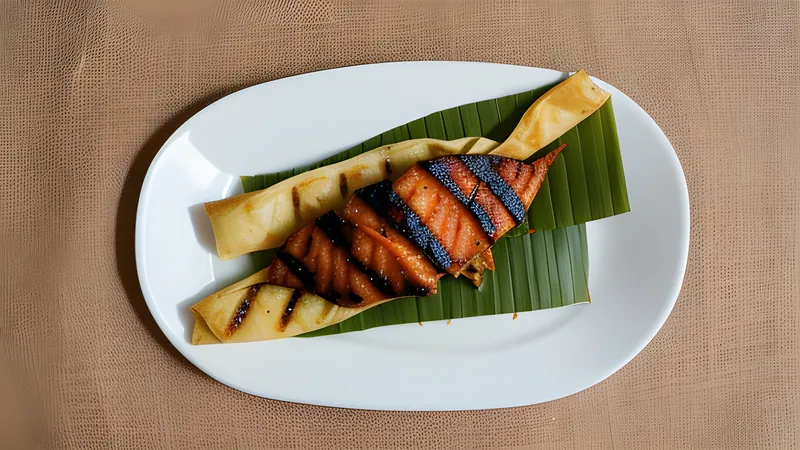
Pempek comes in more forms than most people outside Palembang realise. Lenjer are the plain cylinders described in the method above, sliced into rounds before frying — the standard, most common shape and the easiest to make at home. Kapal selam, meaning “submarine,” wraps the fish dough around a whole or halved hard-boiled egg, so that cutting into the fried piece reveals a yolk at the centre; these are the most requested version at any pempek stall and worth the slightly fiddlier shaping. Adaan is a rounder, deep-fried-only version, often mixed with extra egg and no poaching stage, giving a softer, more fritter-like texture. Keriting, meaning “curly,” is piped through a fine nozzle into hot water so it forms tangled noodle-like strands, prized for having the highest crust-to-interior ratio once fried. If you’re making a single batch at home, lenjer and kapal selam are the two worth starting with — kapal selam in particular is dramatic enough to be worth the extra ten minutes it takes to core out space for the egg. Pempek belongs to a wider Indonesian and Malay family of fish-paste preparations built on the same principle of binding blended fish with starch or egg before cooking it through — otak-otak, the spiced fish paste grilled in banana leaf found across Malaysia, Singapore and parts of Sumatra, uses a similar cold fish paste but seasons it with a wet spice base and cooks it by grilling rather than the poach-then-fry method here. Where pempek stays plain in the paste itself and puts all its seasoning into the cuko served alongside, otak-otak builds the spice directly into the fish mixture, which tells you something about how differently two closely related fish-paste traditions can end up on the plate.
The cuko is not an afterthought
Cuko is built on the same sour-sweet-hot triangle you’ll find running through a lot of Sumatran cooking — the same instinct that shows up in asam pedas, where tamarind sourness cuts against chilli heat in a fish stew rather than a dipping sauce. Getting cuko right depends on giving it enough time on the heat to actually reduce and darken; a cuko that’s only been warmed through, rather than properly simmered for fifteen to twenty minutes, will taste thin and one-dimensional, all sharp tamarind with none of the rounded, almost molasses-like depth that a proper reduction develops. Palm sugar is not optional here — white sugar will sweeten the sauce but won’t give it the same colour or the faint smokiness palm sugar carries.
Garlic quantity in cuko is genuinely aggressive by most standards, and that’s deliberate — raw or barely-cooked garlic blended straight into the sauce gives cuko its characteristic sharp bite alongside the sourness. If you’re nervous about the quantity, halve it for a first attempt, but know that most Palembang versions use even more garlic than this recipe calls for. Chilli quantity is more flexible; fifteen bird’s eye chillies makes a properly hot cuko by most standards, but you can drop to five or six for a milder version without losing the sauce’s structural sourness and sweetness.
What can go wrong
Pempek that disintegrates in the poaching water almost always comes down to insufficient starch or fish that was too warm going into the blender, both of which weaken the protein-starch bond that holds the dumpling together under heat. If a test piece falls apart within the first minute of poaching, work another spoonful of tapioca starch into the remaining dough before continuing, and check your fish was properly chilled — this is a case where fixing the batch mid-way through is entirely possible, unlike a lot of doughs that need to be right from the start.
A crust that won’t crisp or blisters unevenly usually means the oil wasn’t hot enough when the pieces went in, so the surface starch never seared properly and just slowly absorbed oil instead of frying. Test the oil with a small offcut of dough before committing a full batch — it should sizzle and bubble immediately on contact, not sit quietly before slowly starting to fry.
A flat, thin-tasting cuko despite following the recipe usually means it was pulled off the heat too early. The sauce needs the full fifteen to twenty minutes to actually reduce and concentrate; a cuko that still looks watery and pale rather than dark and slightly syrupy at the fifteen-minute mark just needs more time on a gentle simmer, not a change of ingredients.
Serving and storage
Pempek is always served hot, cut into pieces, over a small tangle of thin rice vermicelli with cucumber matchsticks, doused generously in cuko rather than served with a small dipping bowl on the side — the sauce is meant to soak into the noodles as much as coat the fishcake. Extra sliced chilli on top is standard for anyone who wants more heat than the cuko alone provides.
Cuko keeps for up to two weeks refrigerated in a sealed jar and, if anything, improves after a day or two as the flavours settle — make it well ahead if you’re planning to serve pempek for a gathering. Poached, unfried pempek freezes well for up to a month; thaw fully before the final fry so the crust develops properly rather than releasing water into the oil. Fried pempek is best eaten the day it’s made, though leftovers can be revived under a hot grill rather than a second fry, which tends to make the exterior tough.
Related Content