Peka: Croatian Meat and Vegetables Under the Bell
An iron dome, a heap of embers, and two hours you are forbidden to interfere with
Contents
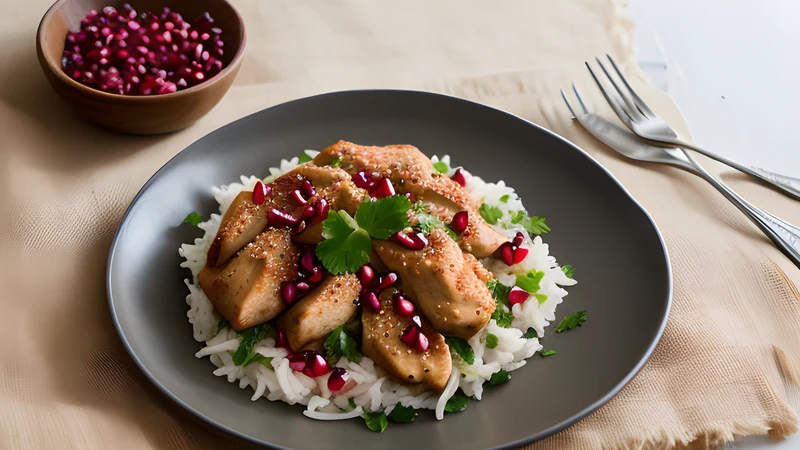
↓ Jump to recipeThe first peka I ever ate was on a terrace above Ston, on the Pelješac peninsula, and I had ordered it twenty-four hours in advance because that is the rule. When it arrived it was a cast-iron pan of lamb and potatoes and nothing else, and the potatoes were the best I have eaten in my life. They had absorbed lamb fat and wine and rosemary smoke, gone glassy at the edges and floury in the middle, and they tasted more of lamb than the lamb did. I asked the owner what he had done to them. He looked genuinely puzzled and said: nothing. They were under the bell.
That is the honest answer, and it took me a while to understand why it is a complete one.
Peka: Croatian Meat and Vegetables Under the Bell
Ingredients
- 1.5kg lamb shoulder, on the bone, cut into 6-8 large pieces
- 1.2kg waxy potatoes, peeled and cut into 4cm wedges
- 3 medium onions, quartered through the root
- 2 red peppers, deseeded and cut into thick strips
- 2 carrots, cut into 4cm batons
- 1 whole head of garlic, cloves separated and unpeeled
- 4 sprigs rosemary
- 3 bay leaves
- 100ml extra virgin olive oil
- 150ml dry white wine
- 100ml water
- 2 tsp fine sea salt
- 1.5 tsp coarsely ground black pepper
- 1 tbsp red wine vinegar
- 1 tsp fennel seeds, lightly crushed
Method
- Season the lamb pieces all over with 1 tsp of the salt and 1 tsp of the pepper. Leave at room temperature for 30 minutes.
- Heat the oven to 220C fan with a large heavy roasting tin or wide cast-iron pan inside it for 15 minutes.
- Toss the potatoes, onions, peppers, carrots and unpeeled garlic in a bowl with the olive oil, the remaining 1 tsp salt, the remaining pepper and the fennel seeds.
- Put the lamb pieces into the hot tin, fat side down, and roast uncovered for 20 minutes until they have taken colour.
- Take the tin out. Tip the vegetables in around and over the lamb. Tuck in the rosemary and bay.
- Pour the wine and water down the side of the tin, avoiding the browned surfaces.
- Cover the tin tightly with a double layer of foil, crimped hard onto every edge, or with a heavy lid.
- Drop the oven to 170C fan and cook, sealed and undisturbed, for 75 minutes. Do not lift the foil.
- Remove the foil. Turn the potatoes and lamb over in the juices with a spoon, spooning the fat over the top.
- Raise the oven to 220C fan and cook uncovered for 20-25 minutes, until the potato edges are dark gold and the lamb is falling from the bone.
- Stir the vinegar through the pan juices. Rest for 10 minutes and serve directly from the tin.
The bell, and the physics under it
Peka — also sač or ispod čripnje — names both the dish and the object. The object is a heavy iron or ceramic dome, like an upturned bowl with a handle, thirty to fifty centimetres across. The food goes in a shallow pan on the hearth, the bell goes over it, and then embers are heaped on top of and around the bell. It cooks for two hours and nobody touches it.
What makes it work is a set of conditions a normal oven cannot easily produce simultaneously. The bell radiates heat downward from a mass of iron at maybe 250C, so the top surfaces brown. The seal against the hearth is close, so the moisture coming out of the meat and vegetables cannot escape — the space under the bell saturates with steam within minutes and stays there. And the pan is shallow and crowded, so everything sits in a thin layer of rendered fat and wine and vegetable juice.
The result is a cooking environment that is simultaneously roasting and steaming, which sounds contradictory and is the entire point. The steam keeps everything from drying out and moves flavour aggressively between ingredients — this is why the potatoes taste of lamb, because they are being basted continuously by lamb-scented condensate dripping off the inside of the iron. Meanwhile the radiant heat from above browns whatever breaks the surface. You get braise texture and roast flavour in the same pan.
The embers on top matter too. They go on the bell and around it, and they are replenished once, roughly halfway. The bell is the reason nobody stirs it: lifting it drops the steam, cools everything by fifty degrees, and dumps ash into your dinner. Two hours of not looking is a technique.
Where it comes from
Cooking under a bell is old — genuinely old, older than Croatia, older than Slavs in the Adriatic. Clay baking bells have been excavated from Illyrian sites in Dalmatia and Bosnia, and the Roman testum, a portable earthenware dome for baking bread in ashes, is the same object under a different name and is described by Cato in the second century BC. The technique survived along the whole Adriatic littoral and into the Balkan interior largely because it needed no oven: a hearth, a dome, a fire. A house with no chimney could still roast.
Bread came first. The clay bell was a bread oven you could carry, and in parts of Dalmatia and Herzegovina it still is — kruh ispod peke, bread under the bell, is a living thing. Meat under the bell is the later, richer application, and lamb and octopus are its two great expressions, joined more recently by veal and by chicken for people in a hurry.
It matters that this is Adriatic cooking rather than continental. The ingredient list is olive oil, rosemary, garlic, white wine, potatoes: the Mediterranean shopping list, running down the coast from Istria to Dubrovnik and out to the islands. Move inland into Slavonia and the fat becomes lard, the herb becomes paprika, and you are in a different country’s kitchen. The same coast produces črni rižot, and the two dishes share a pantry almost exactly.
The twist: crushed fennel seed
One teaspoon of fennel seed, crushed, tossed with the vegetables. This is my addition and it is a small one.
Lamb, rosemary and garlic under two hours of trapped steam produce something deep and resinous and slightly monotone by the end — the steam intensifies everything and blurs it at the same time. Fennel’s anethole is volatile enough to move around in that steam and lands as a sweet aniseed note that lifts the fat. It is the same logic as fennel in a pork sausage or in a Tuscan porchetta, applied to a dish that has the same problem.
A teaspoon across nearly three kilos of food is nothing. Nobody will say “fennel”. They will say the lamb tastes less heavy than it should.
Crush the seeds lightly first. Whole fennel seeds survive two hours intact and you bite one and get a shock.
The domestic version, honestly
I do not own a bell. Almost nobody outside Dalmatia does, and the good ones weigh fifteen kilos and want an open hearth you also do not have. So the question is how close an oven gets, and the answer is closer than I expected once I stopped trying to replicate the object and started replicating the conditions.
Three things do the work.
A hot start, uncovered. Twenty minutes at 220C in a preheated tin gets colour onto the lamb before any moisture arrives. Under a real bell the radiant iron does this throughout; in an oven, once you seal it, browning stops entirely. So you front-load it.
A hard seal. A double layer of foil crimped onto every edge, or a genuinely heavy lid. This is the bell’s actual function and it is the step people do sloppily. A loose seal lets steam out, the liquid reduces, the potatoes fry rather than absorb, and you have made a roast dinner. Crimp it properly and do not open it — every peek costs you five minutes and some of the effect.
A hot finish, uncovered. Twenty-five minutes at 220C after the foil comes off, having turned everything through the fat. This is where the dark edges come from.
What you lose is smoke, and there is no honest way around that. If you have a kettle barbecue, you can get most of it: build a ring of coals, put the covered tin in the middle, lid down, vents half open, and use the same timings. It falls short of a bell, and it beats a fan oven comfortably.
The twenty-four hours’ notice
Every konoba on the Dalmatian coast that serves peka makes you order it a day ahead, and tourists find this charming and slightly annoying. The reason is logistical and worth knowing, because it tells you something about the dish.
A restaurant hearth has a fixed number of bells and a fixed amount of fire. Each peka occupies one bell for two hours and needs a bed of embers that took an hour to establish. The kitchen cannot run peka to order the way it runs grilled fish, so it builds the fire once, in the afternoon, and cooks the number of pekas it has orders for. If you turn up at eight and ask for one, the answer is no, and the answer is no for the same reason a bakery cannot sell you a loaf at four in the afternoon.
The knock-on effect at home is that peka is a dish you plan around rather than decide on. The oven version above takes just over two hours from cold, which is a Sunday rather than a Tuesday. You can do most of the prep the night before — the lamb is better for being salted twelve hours ahead, and the vegetables can sit cut and oiled in the fridge — but the cook itself is not compressible.
The upside of the enforced notice is that peka is a social dish by construction. Nobody makes it for one. The bell is sized for a table, the ordering is done for a group, and the two hours of not being allowed to interfere are two hours of sitting outside with a drink. Some of what made those potatoes in Ston taste extraordinary was almost certainly the terrace, the hour, and having had nothing to do since lunch.
Getting the details right
Lamb on the bone, in big pieces. Shoulder, cut into six or eight. The bone and connective tissue are supplying the gelatine that thickens the pan juice, and a boneless leg gives you dry meat in a thin liquid. Big pieces because two hours will reduce small ones to threads.
Waxy potatoes, cut large. Four-centimetre wedges of something like Charlotte or Desiree. Floury potatoes disintegrate under this much moisture and you end up with lamb in mashed potato, which I have done, and which is edible and wrong.
Not much liquid. A hundred and fifty millilitres of wine and a hundred of water, into a sealed tin holding three kilos of food that is about to release its own. That is enough. Add half a litre of stock and you have made a stew.
Garlic unpeeled, whole cloves. The skins stop them burning and turn them to sweet paste. Squeeze them out at the table.
Do not stir. The layering is deliberate: lamb underneath, vegetables over the top, fat rendering down through everything. Stirring redistributes it into uniformity, and uniformity is the opposite of what the bell produces.
Failures, variations and what to serve
Watery, pale, boiled-tasting. Too much liquid, or you skipped the browning start, or the finish was too short.
Dry lamb. Seal leaked, or you used a lean cut.
Potatoes fell apart. Wrong variety, or cut too small.
Burnt base, raw middle. Tin too thin. This wants cast iron or heavy steel; a supermarket roasting tray buckles and scorches.
Octopus peka is the other classic and it is spectacular — swap the lamb for 1.5kg of octopus, cut the covered time to 50 minutes, and skip the browning start entirely, since octopus browns at the end. Veal shin works with the lamb timings. Chicken thighs need 45 minutes covered and 20 uncovered.
Serve it out of the tin with bread and nothing else. A green salad if you insist. A spoonful of ajvar on the side is not Dalmatian and is very good anyway, and a plate of pljeskavica the following night uses up the same bag of charcoal. Leftovers keep three days and the potatoes reheat better than they have any right to.
Related Content