Pastelón: The Plantain Lasagne
Sweet fried plantain standing in for pasta, layered with seasoned beef
Contents
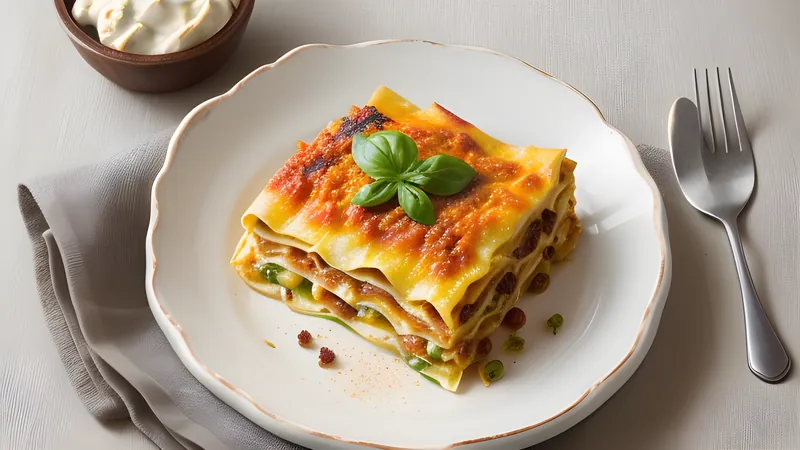
↓ Jump to recipePastelón gets called Puerto Rican lasagne often enough that the comparison has become the standard shorthand, and it’s a fair one structurally: layers, a seasoned meat filling, cheese, baked in a dish until set. The plantain standing in for pasta is what makes it something else entirely, contributing a caramelised sweetness against the savoury, olive-and-caper-sharpened beef that no wheat noodle could bring to the same dish.
Pastelón: The Plantain Lasagne
Ingredients
- 5 very ripe (fully black-skinned) plantains, peeled and sliced lengthwise into 1 cm strips
- Neutral oil, for frying
- 500 g ground beef
- 1 cup sofrito (blended culantro/recao, cilantro, ají dulce, garlic, onion and green pepper)
- 1 tsp ground cumin
- 1 tsp adobo seasoning (or 1 tsp salt plus 1/2 tsp garlic powder)
- 250 ml tomato sauce
- 12 pimiento-stuffed green olives, chopped
- 2 tbsp capers
- 50 g raisins (optional)
- 2 tbsp light brown sugar
- 250 g mozzarella or queso de papa, shredded
- 3 large eggs, beaten
- Fine salt, to taste
Method
- Heat 1 cm of oil in a wide frying pan over medium heat. Fry the plantain strips in batches for 2 to 3 minutes a side until deep golden and soft. Drain on paper towels.
- In a separate pan, brown the ground beef over medium-high heat, breaking it up, for 6 to 8 minutes. Drain excess fat, then add the sofrito, cumin and adobo. Cook for 5 minutes until fragrant.
- Stir in the tomato sauce, olives, capers and raisins if using. Simmer for 10 minutes until thickened. Taste and adjust salt.
- Preheat the oven to 180C (350F). Grease a 23cm square or similar-sized baking dish.
- Arrange a third of the plantain strips in a single layer across the base. Spread half the picadillo over the top, then scatter a third of the cheese. Repeat with another layer of plantain, the remaining picadillo, and another third of the cheese. Finish with a final layer of plantain strips arranged neatly.
- Sprinkle the brown sugar evenly over the top plantain layer. Pour the beaten eggs over the whole dish, letting them settle into the gaps.
- Scatter the remaining cheese over the top. Bake for 35 to 40 minutes until the egg has set, the top is golden, and the sugar has caramelised into a faintly glossy crust.
- Rest for 10 minutes before cutting into squares and serving.
Ripe enough to matter
The plantain used here needs to be genuinely, thoroughly ripe, skin gone mostly or entirely black, flesh soft enough to yield under gentle finger pressure the way a ripe avocado does. This is not the green or yellow plantain used for tostones or mangú, and using an under-ripe one is the single most common reason a home cook’s first pastelón disappoints. Green plantain is starchy and neutral, built for savoury frying and mashing; only the fully ripened, black-skinned fruit has converted enough of its starch into sugar to fry up soft and genuinely sweet, which is the entire point of using plantain rather than pasta in this dish. If your plantains look ready but still feel firm, wait another two or three days at room temperature rather than rushing; they ripen considerably past the point most supermarkets sell them at, and pastelón is one of the few dishes where you actively want them further along than usual.
Picadillo, and what makes it Puerto Rican rather than generic
Picadillo, seasoned ground meat cooked down with tomato, is common across Latin America in slightly different forms, and what distinguishes the Puerto Rican version used in pastelón is the sofrito base and the specific inclusion of olives and capers, a briny, faintly sour note that plays directly against the sweetness of the plantain layers. Raisins are optional and genuinely divide opinion the way they do in the rice recipes from the same kitchen tradition; they add pockets of concentrated sweetness that some cooks consider essential to the contrast and others leave out entirely. Try the filling without them first if you’re unsure, and add a small handful to a portion of the mixture if you want to test the difference before committing the whole batch.
Cook the beef filling until it’s genuinely thick rather than stopping as soon as it looks cooked; a wet, loose picadillo will make the layers slide and the finished bake watery once cut, since there’s nowhere for excess liquid to go in a dish this dense. Ten minutes of active simmering after the tomato sauce goes in is usually enough, but judge by texture rather than the clock: it should hold its shape in a spoon rather than pooling liquid around the edges.
The caramelised top
Traditional pastelón tops the final plantain layer with beaten egg and cheese and bakes it as is, which sets the dish and gives it structural integrity but leaves the top plantain tasting the same as the layers underneath. A light dusting of brown sugar over that top layer before the egg goes on caramelises under the oven’s heat into a faintly glossy, deepened crust, similar in principle to the top of a good bread pudding, that gives the final layer a slightly different character from the plantain buried inside. It’s a small addition, a tablespoon or two of sugar over an already sweet fruit, and it doesn’t turn the dish into a dessert; it just makes the top worth fighting over the way a good crumble’s crust is worth fighting over.
The egg is structural, not decorative
Beaten egg poured over the assembled layers before baking is what holds pastelón together enough to cut into clean squares rather than collapsing into a loose, plantain-and-mince tangle the moment a knife goes near it. Pour it slowly and let it find its way into the gaps between the layers rather than concentrating it all in the centre; tilting the dish gently once it’s poured helps it distribute evenly. Underbaking is the main risk here: the egg needs the full 35 to 40 minutes to set completely through a dish this thick, and a pastelón pulled out too early will fall apart on the plate even if the top looks done, since the centre lags behind the surface in a dense, layered bake like this one.
Frying versus baking the plantain
Frying the plantain strips in oil, as written here, gives the most reliably rich, evenly caramelised result and is how pastelón has traditionally been made. Baking the strips instead, brushed lightly with oil and roasted at 200C for about 15 minutes until soft and beginning to brown at the edges, is a genuinely workable lower-fat alternative if you’d rather not shallow-fry five plantains one batch at a time; the texture is slightly less rich but close enough that most people wouldn’t flag the substitution unprompted. Whichever method you use, don’t skip pre-cooking the plantain before it goes into the dish; raw plantain slices layered directly into the bake won’t soften fully in the time the dish spends in the oven, leaving a firm, underdone layer at odds with the rest of the texture.
Assembly order and cutting clean squares
Arrange the plantain strips in a single, even layer rather than overlapping them heavily, since overlapped strips create uneven thickness that bakes inconsistently. Press each layer down gently with the back of a spoon before adding the next, compacting the dish slightly and helping the layers bond once the egg sets. Let the finished bake rest a full 10 minutes before cutting; a pastelón cut immediately from the oven, while the egg is still fully liquid at a molecular level even though it looks set, will slump at the edges in a way that a properly rested one won’t.
Storage and serving
Pastelón keeps for up to four days refrigerated and reheats well, covered, in a moderate oven for 15 to 20 minutes, or in shorter bursts in a microwave if you’re not fussed about the top staying crisp. It freezes acceptably for up to two months, though the plantain texture softens somewhat on thawing; if you’re planning to freeze a batch, slightly undercook it initially and finish it properly in the oven after thawing rather than baking it fully twice. Serve it as a main course with nothing more than a simple green salad or avocado slices alongside, since the dish is rich and complete enough on its own. For a fuller Puerto Rican table, arroz con gandules makes a natural first course, and the Dominican Republic’s mangú shows how the same fruit gets treated entirely differently a short flight away, mashed and savoury rather than sliced and caramelised.
Where it sits in Puerto Rican cooking
Pastelón belongs to a family of Puerto Rican dishes that treat ripe plantain as a wrapper or structural layer rather than a simple side, alongside piñón, a near-identical dish that layers plantain and picadillo without the lasagne-style stacking this recipe uses, and pionono, individual plantain rings stuffed with picadillo and fried whole rather than baked in a shared dish. The three are close enough relatives that Puerto Rican home cooks sometimes use the names loosely and interchangeably, though pastelón specifically refers to the baked, layered, square-cut version described here, closest in format and presentation to an actual lasagne of any of the three. Family recipes vary on cheese too: some households use a locally made queso de papa, a semi-soft, mild white cheese, while others reach for mozzarella or even a mix of cheddar and mozzarella for a stronger flavour and better melt. Any semi-soft, good-melting cheese will work; avoid anything too sharp or aged, since the dish’s balance depends on the cheese being a background note rather than a competing flavour against the sweet plantain and savoury beef.
Avoiding a soggy bake
The most common structural failure in a home-cooked pastelón is excess liquid pooling at the base of the dish, usually traceable to one of two causes: picadillo simmered for too short a time before assembly, or plantains that released too much oil during frying and weren’t drained thoroughly enough on paper towels first. Give the fried plantain strips a full minute or two on paper towels, pressing gently, before they go into the dish, and don’t be tempted to skip draining the beef of its rendered fat after browning; both steps remove liquid that has nowhere to go once the dish is sealed under egg and cheese and baking in a covered oven environment. If you’ve followed both steps and still find the finished dish a little wet when you cut into it, it usually means the bake needed another five minutes; a fully-set pastelón should hold a clean-edged square shape when lifted with a spatula rather than sagging or weeping liquid onto the plate.
Make-ahead assembly
Pastelón is a genuinely good make-ahead dish for a dinner where you don’t want to be cooking right up until guests arrive. Assemble the full dish through the layering and sugar step, cover tightly, and refrigerate for up to a day before pouring over the beaten egg and baking; adding the egg right before it goes in the oven, rather than the night before, keeps it from thinning out or curdling oddly overnight sitting on top of a cold dish. Bring the assembled dish closer to room temperature for 20 minutes before it goes in the oven if it’s come straight from the fridge, since a cold dish thrown into a hot oven takes noticeably longer to bake through evenly and can leave the centre underdone even after the top looks finished.
Scaling and dish size
The 23cm square dish given here suits five plantains and 500g of beef comfortably, but pastelón scales up cleanly for a larger gathering; a 33cm by 23cm dish will take roughly double the quantities and needs an extra 5 to 10 minutes in the oven to set fully through the greater depth. Whatever size dish you use, resist the temptation to make the layers much thicker than described, since a very deep pastelón risks an underdone centre by the time the top and edges are properly set; better to use a wider, shallower dish for a large batch than to stack the same quantity of filling into a smaller, deeper one.
Related Content