Pastel de Choclo: Chile's Sweetcorn-Topped Pie
A savoury beef and chicken filling under a thick blanket of sweet corn
Contents
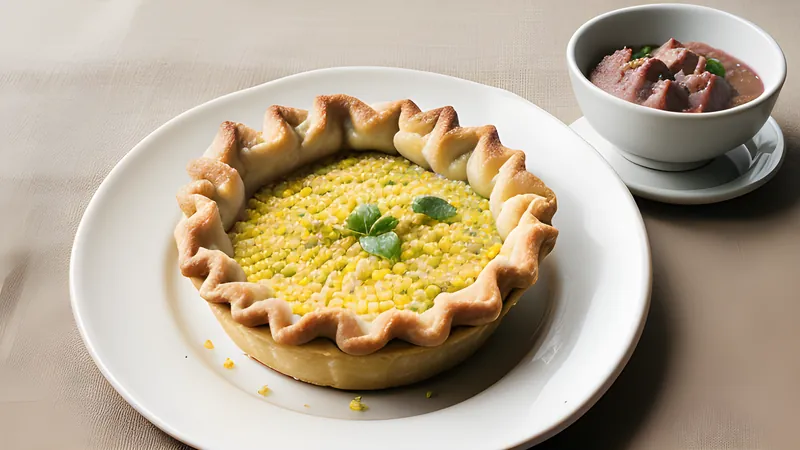
↓ Jump to recipePastel de choclo arrives in Chile at the very end of summer, when the corn harvest is at its peak and the last of the season’s sweetcorn needs using before the weather turns. It’s a layered dish in the most literal sense — a savoury meat filling called pino on the bottom, a thick, sweet-savoury corn topping over the top, baked until the corn caramelises into dark patches at the edges of the dish. Few Chilean recipes carry this much seasonal urgency; this is corn used at the exact moment it’s at its best, not corn adapted to whatever’s available.
The dish sits in an unusual flavour space that takes some explaining if you haven’t eaten it before. The corn topping is genuinely sweet — sugar goes into it deliberately, and a dusting of icing sugar on top before baking encourages real caramelisation — while the filling underneath is entirely savoury, built from beef, onion, cumin, olives and hard-boiled egg. The two layers aren’t blended into a compromise flavour; they sit distinct, and the contrast between a sweet, custardy corn crust and a rich, savoury meat filling underneath is the whole point of the dish rather than a flaw to smooth over.
Pastel de Choclo: Chile's Sweetcorn-Topped Pie
Ingredients
- For the pino: 2 tablespoons olive oil
- 2 large onions, finely chopped
- 500g beef mince (or hand-chopped stewing beef)
- 1 teaspoon ground cumin
- 1 teaspoon smoked paprika
- 1 teaspoon dried oregano
- 2 tablespoons raisins
- 1 tablespoon plain flour
- 250ml beef stock
- Salt and black pepper
- 2 boneless, skinless chicken thighs, cooked and shredded
- 3 hard-boiled eggs, quartered
- 16 pitted black olives
- For the corn topping: 1.2kg fresh or frozen sweetcorn kernels
- 250ml whole milk
- 3 tablespoons unsalted butter
- 2 tablespoons sugar
- 1 teaspoon salt
- 10-12 fresh basil leaves, torn
- Icing sugar, for dusting the top before baking
Method
- Heat the olive oil in a large pan and cook the onions over medium-low heat for 10-12 minutes until soft and translucent.
- Add the beef mince and cook, breaking it up, until browned all over.
- Stir in the cumin, smoked paprika and oregano and cook for 1 minute until fragrant.
- Add the raisins, sprinkle over the flour, and stir to coat.
- Pour in the beef stock, bring to a simmer, and cook uncovered for 15 minutes until thickened. Season with salt and pepper, then set aside.
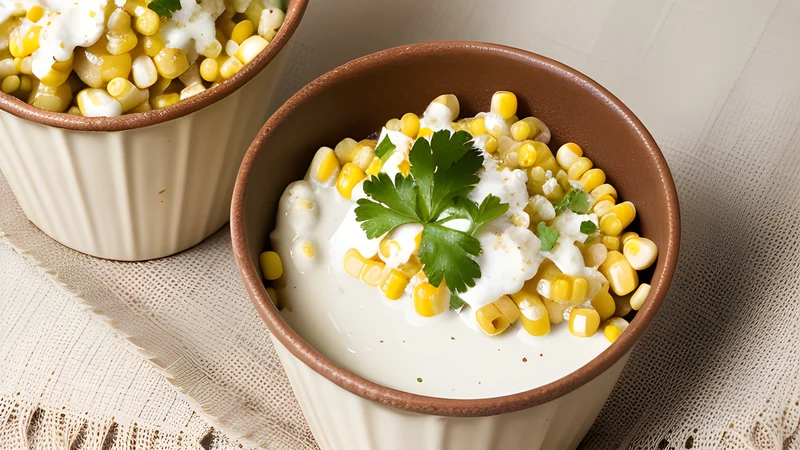
- For the corn topping, blitz three-quarters of the corn kernels with the milk in a food processor until mostly smooth, leaving some texture.
- Melt the butter in a wide pan over medium heat, add the blitzed corn, the remaining whole kernels, sugar and salt, and cook, stirring constantly, for 10-12 minutes until thickened to a loose porridge consistency.
- Stir the torn basil through the corn mixture off the heat.
- Preheat the oven to 200°C (fan 180°C).
- Spoon the pino filling into a large baking dish or individual clay pots, layering in the shredded chicken, quartered eggs and olives.
- Spread the corn mixture evenly over the top, covering the filling completely.
- Dust the surface lightly with icing sugar.
- Bake for 30-35 minutes until the top is set and beginning to caramelise into dark patches at the edges.
- Rest for 10 minutes before serving, so the filling settles.
Pino, and where the dish comes from
Pino — the savoury base filling — turns up across several classic Chilean dishes beyond pastel de choclo, most famously inside empanadas de pino, which tells you how central this particular mix of beef, onion, cumin, raisins, olives and egg is to Chilean home cooking generally. It’s not a fixed recipe so much as a formula every household adjusts slightly, though the core elements — sweet raisins against savoury beef, the brininess of olives, the richness of egg — stay constant across most versions you’ll find.
Corn has been central to Andean and Chilean cooking for millennia, long before European contact, and pastel de choclo represents one of the clearer points where an indigenous staple crop met European cooking techniques and ingredients — the pie format itself, the beef, the raisins and olives arriving via Spanish colonial trade routes that connected Chile to the wider Mediterranean world. The dish, as eaten today, is a genuine fusion in the fullest sense: pre-Columbian corn cookery layered with a filling built from ingredients that only arrived after contact.
The chicken alongside the beef is traditional in many regional versions, not an addition for variety’s sake — it lightens the dish slightly and gives you two distinct meat textures against the single, unified texture of the corn topping. Some households use only beef, some only chicken; using both is the version most commonly served at larger family gatherings, where the dish needs to stretch further and satisfy a range of preferences at one table.
Building the pino properly
The onions need real time — ten to twelve minutes over gentle heat, not rushed on high, because a properly softened, sweetened onion base is what gives the whole pino its depth. Onions cooked too fast on high heat brown unevenly and stay assertive rather than melting into the background the way they should here, and that assertiveness will fight the corn topping’s sweetness rather than complementing it.
Cumin and smoked paprika, bloomed briefly in the fat left from browning the beef, is where a lot of the dish’s character comes from — Chilean cooking uses cumin more heavily than most people expect from South American food generally, and it’s worth being generous with it here rather than treating it as a background note. The raisins, added toward the end, plump slightly in the simmering stock and deliver little bursts of sweetness through an otherwise entirely savoury filling, which is part of what sets up the transition to the sweet corn layer above.
Thickening with flour before adding the stock, rather than after, avoids lumps and gives you a filling with real body once it’s finished simmering — you want the pino thick enough to hold its shape as a layer rather than running loose under the corn topping once the dish is cut into.
The corn topping
Getting the corn topping right is largely about texture, and the trick is processing only some of the kernels while leaving the rest whole. Fully pureeing all the corn gives you a smooth, almost soup-like topping with none of the textural interest that makes this dish memorable; leaving it all whole gives you something closer to a corn salad sitting on top rather than a cohesive crust. Blitzing three-quarters and leaving a quarter whole hits the balance — mostly smooth, studded with intact kernels that pop against the softer background.
Cooking the blitzed corn mixture with butter, sugar and salt over medium heat, stirring more or less constantly, thickens it from a loose liquid into something with real body — closer to a thick porridge than a sauce — over ten to twelve minutes. Stop stirring for too long at any point and it will catch on the bottom of the pan, since corn’s natural sugars scorch readily once the mixture has thickened enough to sit still against hot metal.
Basil isn’t universal across every regional variation of this dish, but it’s common enough, and genuinely worthwhile — its slight anise note against sweet corn is a more interesting pairing than it sounds on paper, and it’s worth trying even if you’re used to a version without it.
Assembly and baking
Layering matters for how the dish eats once it’s out of the oven: pino on the bottom, then the chicken, egg and olives distributed through rather than dumped in one spot, then the corn topping spread in an even layer covering everything completely, right to the edges of the dish. A gap where the corn doesn’t fully cover the filling is where the filling will dry out during baking rather than staying moist under its blanket.
The dusting of icing sugar just before the dish goes in the oven is a small step that makes a real visual and flavour difference — it encourages the surface to caramelise into dark, faintly bitter patches that contrast against the sweeter corn underneath, similar to the way a crème brûlée’s burnt sugar top contrasts with the custard below. Skip it and you’ll get a topping that sets but never develops those characteristic caramelised patches at the edges.
Individual clay pots (pailas) are the traditional serving vessel in Chile, giving each diner their own portion with a larger share of caramelised edge relative to the whole — edges caramelise more than the centre of a large dish simply by virtue of being closer to the sides of the oven. A single large baking dish works perfectly well at home; just expect the caramelisation to concentrate more at the outer edge than throughout.
What can go wrong
A watery corn topping that never sets properly in the oven usually means it wasn’t cooked down long enough on the hob before assembly — the mixture needs to have thickened to something you’d describe as a loose porridge before it goes anywhere near the filling, because baking alone won’t drive off enough liquid to fix an under-reduced topping. Give it the full ten to twelve minutes over the heat, stirring throughout, and don’t rush this stage even though it’s tempting to move on once the corn smells cooked.
A pino that tastes flat despite the spices usually means the onions were rushed — go back and give them the full ten minutes on gentle heat if your first attempt came out underwhelming, since the sweetness they develop over that time is doing more work in the final flavour than the cumin and paprika are.
If the topping browns too fast and burns before the filling underneath is properly hot, your oven is likely running hotter than the dial suggests, or the dish is positioned too high. Move the rack down a notch and check at the twenty-five-minute mark rather than waiting the full thirty-five, tenting loosely with foil for the remainder if the top is colouring faster than the centre is heating through.
Frozen corn and off-season substitutions
Frozen sweetcorn works reasonably well here, since much of the topping is processed into a semi-smooth mixture where the textural difference between fresh and frozen kernels matters less than it would in a dish like cachapa, where the corn stands entirely on its own. Thaw and drain frozen kernels thoroughly before processing, since they carry noticeably more surface water than fresh corn and can leave your topping thinner than intended if added straight from frozen.
If you can only find corn that tastes bland — common with supermarket corn well outside its natural season — increase the sugar in the topping slightly, by half a tablespoon, to compensate. This isn’t traditional in the strict sense, but it’s a reasonable adjustment given that Chilean home cooks are working with corn picked at genuine peak ripeness, an advantage most of us don’t have access to outside the growing season.
Variations across Chile
Regional versions vary in the details more than the broad structure — some households add a layer of sliced potato beneath the pino for extra substance, more common in colder southern regions where a heartier dish makes more sense; others skip the chicken entirely and rely on beef alone, which is the older, more traditional version before chicken became a regular household staple. Coastal versions occasionally fold in a little seafood alongside or instead of the meat, though this is far less common than the beef-and-chicken version most people think of as the standard.
I’ve settled on the beef-and-chicken version with basil folded through the corn as the one I make most often, because the two meats give enough textural variety that the dish doesn’t feel monotonous through a full portion, and the basil’s aniseed edge against the sweet corn is worth the small deviation from the most traditional recipes, which often leave it out.
Serving and storage
Rest the pastel de choclo for a full ten minutes once it’s out of the oven before serving — the corn topping needs that time to firm up slightly, and a dish served straight from the oven tends to slump rather than holding a clean layered cut when portioned.
It keeps well in the fridge for up to three days, and in my experience actually improves slightly on the second day once the flavours have had time to settle together. Reheat gently in a low oven rather than a microwave, which can turn the corn topping rubbery if run too hot or too long.
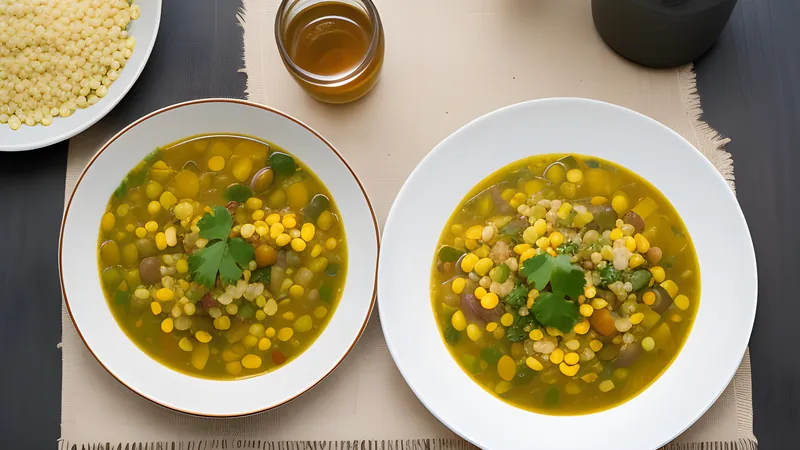
Pastel de choclo pairs naturally with other Chilean corn and bean dishes — porotos granados shares the same late-summer corn season and makes sense on the same table, and cachapa is worth trying alongside if you want to see how another corn-growing culture entirely separate from Chile solved a similar seasonal abundance in its own distinct way.
Related Content