Papa Rellena: The Peruvian Potato Grenade
A mashed-potato shell fried around beef, olives and raisins, shaped to fit in one hand
Contents
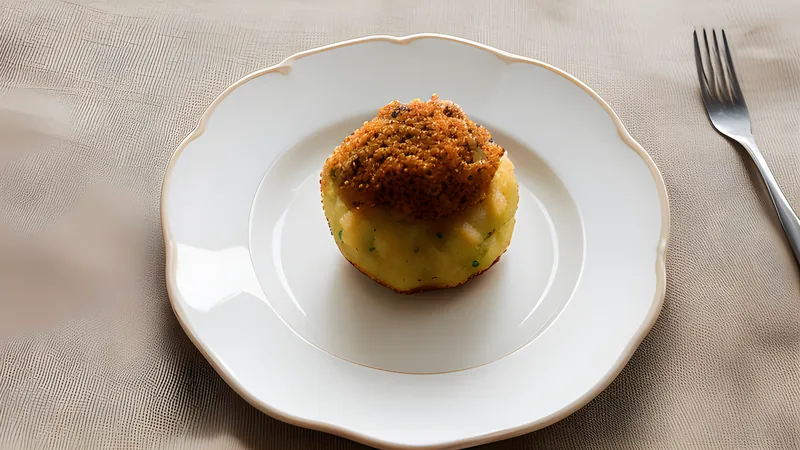
↓ Jump to recipePapa rellena, “stuffed potato,” is a fried ball of smooth mashed potato wrapped around a filling of spiced beef, olives, raisins and hard-boiled egg, sold from carts and hole-in-the-wall counters across Peru with the specific heft and shape of something meant to be eaten one-handed and on the move. Peru grows more potato varieties than anywhere else on earth, several thousand of them catalogued across the Andes, and papa rellena is one of the clearest expressions of what that abundance does to a national cuisine: potato here isn’t a side dish or an afterthought, it’s substantial enough to be the entire outer structure of a main course.
Papa Rellena: The Peruvian Potato Grenade
Ingredients
- 1kg floury potatoes (Maris Piper or similar), peeled and quartered
- 1 tsp fine salt, plus more to taste
- 2 tbsp vegetable oil, plus more for deep frying
- 1 small onion, finely chopped
- 3 garlic cloves, minced
- 300g minced beef
- 1 tsp ground cumin
- 1 tsp smoked paprika or ground aji panca paste
- 2 tbsp tomato paste
- 50g raisins
- 12 pimento-stuffed green olives, roughly chopped
- 2 hard-boiled eggs, peeled and chopped
- 2 tbsp fresh coriander, chopped
- 2 eggs, beaten, for coating
- 150g plain flour, for coating
- 150g fine breadcrumbs, for coating
- Black pepper, to taste
Method
- Boil the potatoes in salted water for 18-20 minutes until completely tender when pierced with a knife. Drain thoroughly and let steam dry for a few minutes, then mash until completely smooth with no lumps; a potato ricer gives the best texture. Season with salt and set aside to cool to room temperature.
- Meanwhile, heat 2 tbsp oil in a pan over medium heat. Cook the onion for 4-5 minutes until soft, then add the garlic and cook a further minute.
- Add the minced beef and brown it, breaking it up as it cooks, for 5-6 minutes.
- Stir in the cumin, smoked paprika and tomato paste, and cook for 2 minutes. Add the raisins and olives, season with salt and pepper, and cook for a further 3-4 minutes until the mixture turns fairly dry and holds together. Remove from the heat and stir through the chopped hard-boiled egg and coriander. Let cool completely.
- Once the mash and filling are both fully cooled (warm mash won't hold a shell shape), take about 100g of mash and flatten it in your palm into a disc roughly 10cm across.
- Place 2 tablespoons of the meat filling in the centre and fold the mash up and around it, pinching and smoothing the edges to fully enclose the filling, then shape into a smooth oval, roughly egg-shaped. Repeat with the remaining mash and filling to make 8 balls.
- Chill the shaped balls in the fridge for at least 20 minutes to firm up before frying; this step matters for them holding together in the hot oil.
- Set up a coating station: flour in one bowl, beaten eggs in a second, breadcrumbs in a third. Roll each ball in flour, then egg, then breadcrumbs, coating fully each time.
- Heat oil for deep frying to 180C. Fry the balls in batches of 3-4 for 4-5 minutes, turning occasionally, until deep golden brown all over and heated through.
- Drain on kitchen paper and serve warm, with salsa criolla or a squeeze of lime.
A street food built on Andean abundance
The potato was domesticated in the Andes roughly eight thousand years ago, and Peru’s relationship with it runs considerably deeper than any other country’s, both in the sheer number of varieties still grown and in how central the tuber is to daily cooking rather than sitting at the edge of the plate. Papa rellena grew out of that abundance sometime in the twentieth century as street food, cheap, portable and filling, built from mashed potato because it was the one ingredient reliably available in quantity and cheap enough to form the bulk of a dish meant to be sold in volume at a low price.
The filling, known in Peru as relleno, draws on the same sweet-savoury combination of raisins and olives against spiced meat found in several other Peruvian and wider Latin American stuffed dishes, most famously the empanada filling served across much of South America, and in dishes as far afield as Curaçao’s keshi yena, which leans on nearly the same idea inside an entirely different shell. Aji panca, a mild, dark red Peruvian chilli paste with a faintly smoky, fruity depth, is the traditional seasoning for papa rellena’s filling and gives it a specific character that a generic smoked paprika, used here as the more widely available substitute, only approximates rather than replicates exactly.
That same sweet-savoury filling turns up almost unchanged inside Peru’s beef empanadas and the causa rellena, a cold, layered potato terrine rather than a fried ball, which suggests the combination itself, raisin sweetness and olive brine against cumin-warmed beef, earned its place in Peruvian cooking independently of any single dish, then got poured into whatever shell happened to be on hand: pastry for empanadas, a potato terrine for causa, and a deep-fried potato shell here.
The name itself, papa rellena, is entirely functional rather than poetic, unlike a lot of Latin American street food that carries a nickname referencing shape or occasion; it simply means stuffed potato, full stop, and that plainness says something about how thoroughly ordinary the dish is in Peru, a lunch-counter staple rather than a dish reserved for celebration. It sits alongside other Andean potato dishes built around Ecuador and Peru’s shared potato heritage, most notably llapingachos, the cheese-stuffed potato cakes eaten across highland Ecuador, which use a similar logic of potato as container rather than side dish, though llapingachos are pan-fried flat cakes rather than deep-fried ovals, and stuffed with cheese rather than spiced meat. Both dishes point at the same underlying truth about Andean cooking: where the potato itself is abundant, cheap and endlessly varied, it stops behaving like a side dish and starts taking on the structural role bread or pastry would play in other cuisines.
Getting the shell to actually hold
Papa rellena’s single biggest technical challenge is structural rather than a matter of flavour: getting a shell of plain mashed potato to fully encase a wet, chunky filling, hold that shape through a triple coating of flour, egg and breadcrumbs, and then survive several minutes in hot oil without splitting open and leaking filling into the fryer. Three things make the difference between a papa rellena that holds together and one that falls apart mid-fry.
First, the mash needs to be genuinely smooth and completely lump-free, since any lump becomes a weak point where the shell is more likely to crack once it’s under the combined stress of shaping, chilling and frying; a potato ricer, pushing the boiled potato through small holes under pressure, gives a far smoother result than hand-mashing with a fork or masher, which tends to leave the odd unbroken piece behind. Second, both the mash and the filling need to be fully cooled before shaping — warm mash is soft and won’t hold a shell shape, and it also makes the filling’s fat re-melt and turn the interior greasy and unstable rather than firm.
Third, and most often skipped by anyone in a hurry, the shaped balls genuinely need their fridge rest before frying. Twenty minutes chilling firms the potato shell enough that it holds its shape rigidly through the coating process and the initial shock of hot oil, where a warmer, softer ball would start to slump and crack at exactly the moment it needs to be strongest. Skipping this step is the single most common reason home versions of papa rellena split open in the fryer.
What can go wrong
A papa rellena that bursts open in the fryer, leaking filling into the oil, is the dish’s signature failure, and it traces almost always to one of the three structural steps in the section above being rushed. Check first whether the mash was properly cooled before shaping; warm mash won’t hold a crisp edge when pinched closed, and the seam reopens under oil’s heat and turbulence exactly where it was weakest. If the mash was cool but the ball still split, undissolved lumps are the likely culprit, since a lump creates a thin, uneven patch in the shell wall that gives way before the rest of the potato does. A shell that browns beautifully outside but stays cool or barely warm at the centre after the stated frying time usually means the balls went into the fryer straight from the fridge without enough time at room temperature first, or the oil temperature dropped too far between batches; give the oil time to climb back to 180C before adding the next round, and if the centre still isn’t hot enough, finish the batch in a 180C oven for five minutes rather than leaving it in the fryer longer, since extra frying time just darkens the crust without meaningfully heating the middle. A greasy, oil-soaked shell rather than a crisp one almost always means the oil wasn’t hot enough to begin with, searing the coating shut on contact rather than letting the ball slowly absorb fat as it waits to reach temperature.
The recipe
Makes 8 potato balls.
Ingredients
- 1kg floury potatoes, peeled and quartered
- 1 tsp salt, plus more to taste
- 2 tbsp vegetable oil, plus more for frying
- 1 small onion, finely chopped
- 3 garlic cloves, minced
- 300g minced beef
- 1 tsp ground cumin
- 1 tsp smoked paprika or aji panca paste
- 2 tbsp tomato paste
- 50g raisins
- 12 pimento-stuffed green olives, chopped
- 2 hard-boiled eggs, chopped
- 2 tbsp fresh coriander, chopped
- 2 eggs, beaten, for coating
- 150g plain flour, for coating
- 150g fine breadcrumbs, for coating
- Black pepper
Method
- Boil the potatoes until tender, drain, and mash completely smooth. Season and cool to room temperature.
- Soften the onion and garlic in oil, then brown the mince.
- Add cumin, paprika and tomato paste, then raisins and olives; cook until fairly dry.
- Stir in the chopped egg and coriander; cool completely.
- Shape 100g of mash into a disc, fill with 2 tbsp of filling, and enclose into a smooth oval. Repeat to make 8.
- Chill the shaped balls at least 20 minutes.
- Coat each in flour, then egg, then breadcrumbs.
- Deep-fry at 180C for 4-5 minutes per batch until deep golden. Drain and serve warm.
Tips, substitutions and storage
Floury potatoes, the kind that fall apart readily when boiled, give a drier, more workable mash than waxy varieties, which hold too much moisture and make a shell that’s harder to shape and more prone to splitting in the fryer. Shaped, uncooked papa rellena freezes very well for up to two months, laid out on a tray until solid before bagging, and can go straight from freezer to hot oil with just a couple of extra minutes’ frying time, no need to thaw first. Fried and cooled leftovers keep two days refrigerated and reheat best in a hot oven, 10-12 minutes, to bring the crust back to something close to its original crunch, since a microwave leaves the coating soft. If aji panca paste is available, use a full tablespoon in place of the smoked paprika for a noticeably more authentic depth, since the fruity, mild heat behind it is a large part of what separates a Peruvian filling from a generically spiced one; look for it in Latin American grocers or online, sold either as a jarred paste or dried whole pods that need soaking and blending first. Double-coating the balls, running them through the egg and breadcrumbs a second time after the first coat sets slightly, gives an extra layer of insurance against splitting and a thicker, more substantial crust, worth doing if the shells feel at all fragile going into the fryer. A deep-fry thermometer removes the single biggest source of failure here, since 180C is specific and narrow enough that guessing by eye reliably runs either too hot, scorching the crust before the filling warms through, or too cool, giving a pale, greasy result.
Serve papa rellena with salsa criolla, a simple, sharp red onion and lime relish that cuts through the richness of the fried shell and the sweet filling underneath, or alongside pollo a la brasa, Lima’s rotisserie chicken, for a full spread of Peru’s most recognisable street and home food.
Variations
A chicken version, using shredded cooked chicken thigh in place of beef mince, is just as common and needs no additional cooking time for the filling since the chicken only needs warming through with the aromatics and spices before it’s ready to cool and use. Some versions swap the deep fry for a shallow pan-fry, turning the balls carefully to brown all sides, which uses less oil but gives a less uniformly crisp shell than the full deep fry. Whatever the filling, the potato shell is the part worth protecting most carefully, since a papa rellena that splits open loses the whole point of the dish, a self-contained, one-handed parcel that shouldn’t need a plate to be eaten properly. A smaller, bite-sized version, roughly golf-ball rather than egg-sized, is common as a party or bar snack across Lima, needing only two to three minutes in the fryer given the reduced mass, and it’s a genuinely good format for anyone nervous about the shell splitting on a first attempt, since less filling means less internal pressure working against the potato wall. A version stuffed with cheese alone, no meat, gives a milder, gooier result closer in spirit to llapingachos and works well as a vegetarian option served alongside the meat version at the same table. Baking rather than frying, brushed with oil and finished in a hot oven until golden, produces a noticeably less crisp result and isn’t really a substitute so much as a different, lighter dish, worth trying only once the proper fried version has been mastered.
Related Content