Papa a la Huancaína
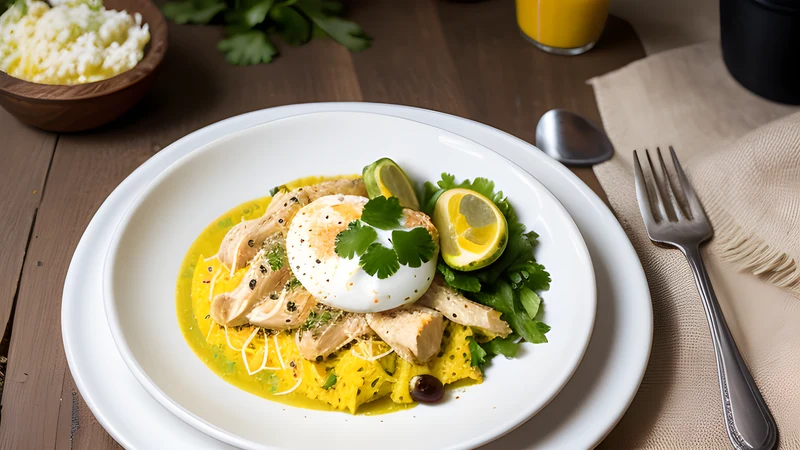
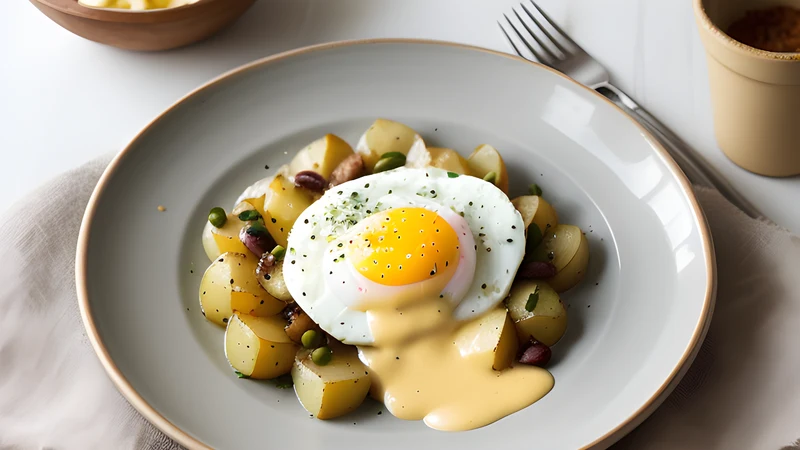
Sliced potatoes under a creamy yellow-chilli cheese sauce
Contents
↓ Jump to recipeThe sauce is the whole thing. Papa a la huancaína is boiled potatoes under a blanket of blended yellow sauce, and yet Peruvians will argue for an hour about whose version is right — how much chilli, whether crackers or bread, feta or the crumbly white queso fresco, a whisper of garlic or none. Get the sauce singing and you have one of the great cold starters of South America. Get it wrong and you have beige potato salad. My small twist is a squeeze of lime at the end, a liberty of my own that lifts the richness and stops the cheese sitting heavy.
It is a dish built for a blender and a hot afternoon. Nothing is cooked once the potatoes and eggs come off the heat; everything else is whizzed smooth and poured cold over the top. That makes it one of the most reliable things you can put in front of guests, because you can make the sauce a day ahead and it only improves.
Papa a la Huancaína
Ingredients
- 1kg waxy yellow potatoes (Charlotte or similar), scrubbed
- 4 tbsp ají amarillo paste (yellow Peruvian chilli)
- 200g queso fresco or a mild feta, crumbled
- 120ml evaporated milk, plus more to loosen
- 6 soda crackers (or 3 water biscuits)
- 1 small garlic clove
- 3 tbsp neutral oil
- Juice of half a lime
- 4 eggs, hard-boiled
- Handful of black olives (Peruvian botija if you can find them)
- Crisp lettuce leaves, to serve
- Salt
Method
- Boil the whole, skin-on potatoes in well-salted cold water brought to the boil, 18-25 minutes until a knife slides in easily. Drain, cool enough to handle, then peel and set aside.
- Hard-boil the eggs: lower into boiling water, simmer 9 minutes, then plunge into cold water. Peel and slice.
- Warm the oil in a small pan over medium heat and gently fry the aji amarillo paste with the garlic for 2-3 minutes until fragrant and no longer raw. Cool slightly.
- Tip the cooked aji into a blender with the crumbled cheese, evaporated milk, crackers and a pinch of salt. Blend until completely smooth, adding a splash more evaporated milk if too stiff.
- Blend in the lime juice, then taste and adjust salt and acidity. Chill for at least 30 minutes; it thickens as it sits, so loosen with more evaporated milk before serving if needed.
- To plate, lay a lettuce leaf on each plate, arrange thick rounds of boiled potato on top, and spoon the cold sauce generously over so they are blanketed. Finish with sliced hard-boiled egg and a black olive or two. Serve cold.
Huancayo, and a sauce that travelled
The name points to Huancayo, a city high in Peru’s central Andes in the Mantaro Valley, at around 3,200 metres. The valley is potato country — Peru is the ancestral home of the potato, with thousands of native varieties still grown across the highlands — so a dish that dresses up a simple boiled potato belongs there completely.
The origin stories are the usual mix of pride and folklore. One popular tale places the sauce’s invention with women feeding the railway workers who built the central line up from Lima to Huancayo in the late nineteenth and early twentieth centuries, one of the highest railways in the world. Another credits a specific cook, a huancaína — a woman from Huancayo — whose recipe was so good it took her name. What is not in doubt is that the dish spread out of the highlands and became a fixture of the Lima table and then of the whole country, served as a starter, at parties, and heaped onto plates at Sunday lunch.
The engine of the sauce is ají amarillo, the yellow chilli that runs through Peruvian cooking. Despite the name it is closer to orange, fruity and moderately hot, with a flavour you cannot fully substitute. It carries the same warmth you meet in lomo saltado and in the creamy walnut-and-chilli sauce of ají de gallina, which is essentially huancaína’s richer cousin. Once you have a jar of the paste in the fridge, three or four Peruvian classics open up at once.
There is a wrinkle worth knowing: some of the oldest versions of the sauce contained no cheese at all, thickening instead on hard-boiled egg yolk and a good glug of oil emulsified like a mayonnaise, with the aji and a little milk. The cheese-and-cracker version is the one that spread and stuck, but if you meet a huancaína that tastes eggier and richer than you expected, that older lineage is why. Peruvian cooking is full of these forks in the road, where a colonial-era technique and an Andean ingredient settled into a dozen regional truces rather than one fixed recipe.
Why crackers, why evaporated milk
Two ingredients make people raise an eyebrow, and both earn their place. Soda crackers (or bread) are the thickener. Blended into the sauce they give it body and a clinging texture without flour or a cooked roux, so the whole thing stays raw and quick. Too many and the sauce turns pasty; a handful is enough to take it from a thin dressing to something that coats the back of a spoon.
Evaporated milk — leche evaporada — is genuinely traditional here. Tinned milk has been a Peruvian pantry staple for generations, in a country where fresh dairy did not always travel well from the highlands, and it gives the sauce a particular concentrated sweetness and a silky body that fresh milk does not. Use it. If you must, double cream thinned with a little milk gets close, but the real thing is cheap and keeps forever.
The cheese should be mild and salty. Queso fresco is ideal; a mild, not-too-sharp feta is the easiest widely available stand-in. A very strong feta will fight the chilli, so taste and hold back a little salt if yours is fierce.
The potato at the centre
It is easy to treat the potato here as a mere vehicle for the sauce, but the choice of tuber matters and it is worth taking seriously. Peru is the potato’s ancestral home, domesticated in the Andes some eight thousand years ago, and the country still grows thousands of native varieties in a riot of colours, shapes and textures unknown anywhere else. For papa a la huancaína you want a waxy, yellow-fleshed potato that holds its shape in thick slices and does not crumble under the weight of the sauce. In Peru the prized choice is papa amarilla, the intensely yellow, faintly floury Andean potato; abroad, a firm waxy variety such as Charlotte, Nicola or a good yellow salad potato does the job. Boil them whole and in their skins so they stay dense and do not waterlog, then peel and slice once cool. A mealy baking potato will fall apart and turn the plate to mush, so steer clear of those.
Getting the potato right also means treating the cooking water as seasoning. Salt it well, the way you would for pasta, so the flesh is seasoned through rather than relying on the sauce to carry all the salt. Slightly undercook rather than overcook, testing with a knife tip, because a potato that has gone past tender into soft will not slice into the clean thick rounds the dish wants.
The recipe
Serves 6 as a starter. Prep 20 minutes, cook 25 minutes.
Put the potatoes, whole and skin-on, into a large pan of well-salted cold water. Bring to the boil and simmer for 18–25 minutes depending on size, until a knife slides in with no resistance. Drain and leave until cool enough to handle, then peel and set aside. You want them just warm or fully cool for slicing — hot potatoes tear.
Hard-boil the eggs while the potatoes cook: lower them into boiling water, simmer for 9 minutes, then plunge into cold water. Peel and slice.
Now the sauce. Warm the oil in a small pan over a medium heat and gently fry the ají amarillo paste with the garlic for 2–3 minutes, until it smells fragrant and loses its raw edge. This one small cooking step deepens the flavour noticeably; do not skip it. Let it cool slightly.
Tip the cooked ají mixture into a blender with the crumbled cheese, evaporated milk, crackers and a pinch of salt. Blend until completely smooth, stopping to scrape down the sides. It should be thick but pourable, like a loose custard; add a splash more evaporated milk if it is too stiff. Blend in the lime juice, taste, and adjust for salt and acidity. Chill the sauce for at least 30 minutes — it thickens as it sits, so check the consistency again before serving and loosen if needed.
To plate, lay a lettuce leaf on each plate. Slice the potatoes into thick rounds and arrange on top. Spoon the cold sauce generously over the potatoes so they are properly blanketed. Finish each plate with slices of hard-boiled egg and a black olive or two. Serve cold.
Getting it right
The sauce splits or looks grainy. Usually the cheese was too dry or the blend too brief. Keep blending — a high-speed blender takes it fully smooth — and add evaporated milk a little at a time to bring it back together.
Too thick after chilling. Expected. The crackers keep absorbing liquid. Loosen with evaporated milk or a spoonful of the potato water until it pours again.
Not enough kick. Ají amarillo varies in heat by brand. Blend in more paste, or add a small piece of fresh yellow chilli. For a milder table, some cooks add a little more cheese and milk to round it off.
Weeping potatoes. Slice them once cool, and dress them close to serving so they do not sit in a puddle.
Reach for a blender. A jug blender pulls the sauce into a proper vortex and takes it glass-smooth, while a food processor tends to leave it grainy because the blades sit too high and the mixture just spins around them uselessly. If a blender is all you lack, push the finished sauce through a fine sieve at the end to catch any cracker grit and give it that signature silk.
Variations, storage and serving
The sauce is a base you will find yourself using elsewhere. Pour it warm over pasta and you have tallarines a la huancaína, a Peruvian household staple. Spoon it over grilled chicken, or use it as the dip that traditionally comes alongside anticuchos, the beef-heart skewers at a street grill. It is also the natural partner to a slab of causa, the layered potato terrine — two potato dishes that could share a table happily.
The sauce keeps in a sealed jar in the fridge for up to three days and, if anything, tastes better on day two once the chilli, garlic and cheese have settled together. Bring it back to a pourable consistency before serving. Boiled potatoes are best cooked the same day, though; they turn grainy and cold-stored in the fridge.
For a fully make-ahead starter, boil the potatoes and eggs and blend the sauce the day before, keep everything separate and chilled, and assemble in five minutes when your guests arrive. Few dishes reward so little last-minute effort with so much colour on the plate — that bright saffron-yellow against the black olive is half the appeal, and it lands on the table looking like you tried much harder than you did.
Related Content