Nukazuke: Rice Bran Pickles From a Live Bed
A fermented bran bed you feed daily, and the vegetables it turns funky in hours
Contents
↓ Jump to recipeNukazuke: Rice Bran Pickles From a Live Bed
Ingredients
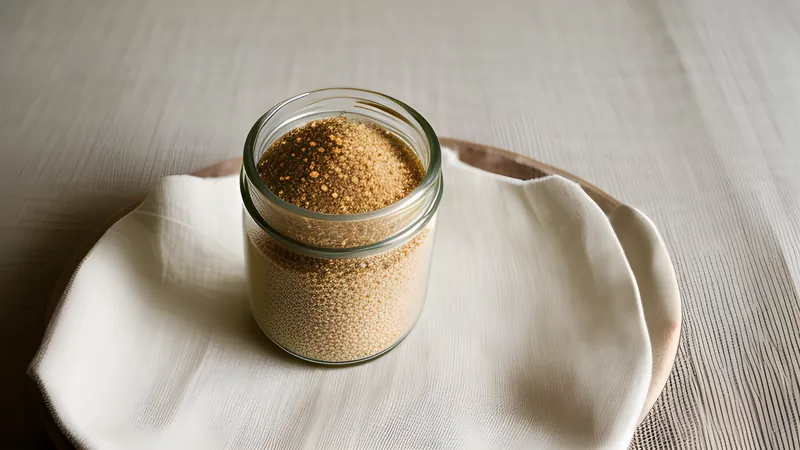
- 1kg roasted rice bran (nuka)
- 1 litre water
- 130g fine sea salt (13% of the water weight, adjusted to taste)
- 1 sheet kombu, about 10cm
- 1 dried red chilli
- 50g vegetable scraps (cabbage core, carrot peelings) for the first week's conditioning
- Daily vegetables to pickle: cucumber, radish, carrot, aubergine as available
Method
- Boil the water with the salt until fully dissolved, then leave to cool completely to room temperature.
- In a large non-reactive container, mix the roasted bran with the cooled salted water a little at a time, working it with clean hands until it forms a thick, moist paste roughly the texture of wet sand that holds together when squeezed.
- Bury the kombu and dried chilli in the paste.
- For the first week, bury a handful of vegetable scraps in the bed each day, discarding them after 24 hours; this feeds the wild bacteria and yeast that will colonise the bran.
- Stir the bed thoroughly once a day without fail, reaching right to the bottom, to keep it oxygenated at the top and anaerobic where the good bacteria need it, lower down.
- After 5-7 days the bed should smell distinctly sour and faintly alcoholic rather than rotten or ammonia-sharp; if it smells off, add a little more salt and keep stirring daily.
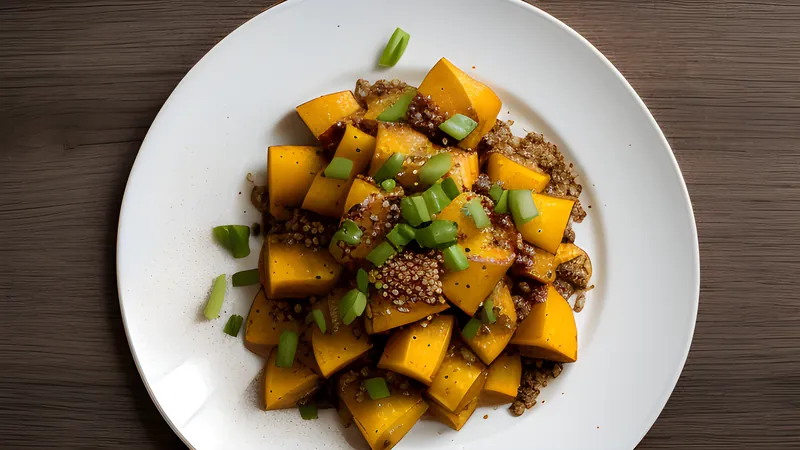
- Once the bed smells right, start pickling proper vegetables: bury a whole small cucumber or a radish cut in half, submerged completely, for 6-24 hours depending on the vegetable and how deep a flavour you want.
- Remove, rinse briefly under cold water to wash off the clinging bran, and slice thinly to serve.
- Continue stirring daily and pickling; the bed only improves with regular use and gets more complex over months and years of maintenance.
A pickle that’s really a pet
Nukazuke is unusual among pickling methods because the medium itself, the nukadoko, is a living culture that a household maintains indefinitely, sometimes for generations — beds passed down as inherited property are a real and documented tradition in Japan, treated with the kind of continuity people usually reserve for a sourdough starter, except older and more demanding. The bed is a dense community of lactic acid bacteria and yeasts living in salted, fermented rice bran, and vegetables buried in it for anywhere from a few hours to a full day pick up a distinctive sour, funky, almost cheese-adjacent depth that no vinegar pickle produces, because the flavour comes from live fermentation rather than an acid bath.
Rice bran, nuka, is the byproduct of polishing brown rice into white rice — the outer layers milled away, rich in the oils, proteins and residual starch that make it such good food for the microorganisms doing the fermenting. Roasted nuka, toasted lightly before use, is worth seeking out over raw bran specifically because the light roasting stabilises the oils against rancidity and gives the finished pickles a rounder, nuttier background note; raw bran works but turns rancid-tasting faster and needs more careful storage.
What the first week’s conditioning vegetables are actually for
Burying and discarding a handful of vegetable scraps daily for the first week, rather than pickling proper vegetables straight away, is a step worth understanding rather than rushing through. Freshly mixed bran and salted water has almost none of the lactic acid bacteria and yeast population that make a mature bed work — those organisms need to be introduced from somewhere, and the most reliable source is the wild bacteria already living on the surface of raw vegetables and in the kitchen air. Each day’s scraps feed a small, temporary population that dies back and is replaced by the next day’s addition, gradually building up a larger and more stable community in the bran itself. Skipping this conditioning week and pickling proper vegetables immediately in a completely fresh bed tends to produce disappointing results — a flat, mostly-salty pickle with little of the sour complexity a mature bed develops, because there simply isn’t yet a large enough population of the right organisms to do the fermenting work.
The daily stir is not optional
The single rule that separates a thriving nukadoko from a ruined one is the daily stir, and skipping even a few days running is the most common way a home bed fails. The bed needs its top layer, which is exposed to air, worked back down and replaced with paste from below, because different organisms in the bed want different conditions: the lactic acid bacteria doing most of the fermenting work prefer an anaerobic environment lower in the bed, while surface-dwelling yeasts and, if the bed goes unstirred too long, unwanted moulds thrive in the oxygen-rich top layer. Daily stirring keeps that surface layer thin and short-lived, denying mould the time it needs to establish, while continually reintroducing oxygen-averse bacteria to fresh material lower down.
A bed left unstirred for three or four days will typically develop a white, slightly fuzzy film on the surface — this is usually kahm yeast, unsightly but not dangerous, and it can be stirred back into the bed to correct within a day or two. Left much longer than that, or if the film turns colourful (green, pink, black) rather than white, the bed is genuinely spoiled and starting over is the safer choice.
Why kombu and chilli go in from the start
The strip of kombu buried in the bed at the very beginning isn’t decorative — it contributes glutamate to the developing bed much the way it does in a dashi stock, seeding the early fermentation with a savoury note that carries through into every vegetable pickled there afterwards, and it can stay in the bed indefinitely, continuing to season quietly rather than needing removal once it’s done its job. The dried chilli plays a different role: its capsaicin has a mild antimicrobial effect that helps discourage unwanted mould in the crucial early weeks while the bed’s own protective bacterial population is still establishing itself. Neither ingredient needs replacing regularly — a single piece of kombu and one dried chilli can serve a bed for its entire working life, topped up only if either visibly disintegrates after months of use.
Reading a bed by smell
The scent of a nukadoko is the most reliable diagnostic tool available, more useful than any visual check, because the bed’s internal fermentation is well underway before anything changes visibly. A healthy, mature bed smells distinctly sour, a little like a good sauerkraut or a mild cheese, often with a faint alcoholic note underneath from the yeast activity — that’s a good sign, not a fault. A bed that smells sharply of ammonia or genuinely rotten, rather than sour, has usually tipped too far towards putrefaction, generally because it wasn’t stirred enough or the salt ratio drifted too low as vegetables added water to the bed over time; correcting course means adding a modest amount of extra salt and returning to strict daily stirring, and most beds recover within a week or two if caught early.
The container matters more than people expect
Traditional nukadoko live in glazed ceramic crocks or, in older households, wooden barrels, both chosen for reasons beyond aesthetics. Ceramic and wood are both essentially inert and don’t react with the bed’s acidity the way some metals would, and both have enough thermal mass to buffer the bed against rapid temperature swings that could stress the microbial population inside. A plastic container works perfectly well for a home cook starting out — food-safe plastic is inert too — but avoid anything metal beyond a stainless steel bowl for very short-term use, since reactive metals like aluminium can pit and leach into a ferment held at this acidity over weeks and months.
Why the salt percentage drifts, and what to do about it
Every vegetable buried in the bed releases some of its own water into the paste, and over weeks and months of regular use a nukadoko gradually dilutes, both in salt concentration and in the ratio of bran to liquid. This is normal and expected, not a sign of failure, but it does mean the bed needs periodic adjustment: if pickled vegetables start tasting under-seasoned or the bed feels noticeably wetter and looser than the thick, sand-like paste it started as, work in a little more roasted bran and a pinch more salt to bring both texture and seasoning back into line. There’s no fixed schedule for this — it depends entirely on how often the bed is used and how watery the vegetables pickled in it tend to be.
Going away, and putting the bed to sleep
A nukadoko that goes more than a few days without stirring or use isn’t necessarily lost, but it does need a deliberate return to routine rather than being picked back up casually. If you’re travelling for a week or two, the bed can be put into a rough dormancy by mixing in extra salt (an additional two or three tablespoons worked through evenly) and storing it in the fridge, where cold temperatures slow the bacterial and yeast activity dramatically without stopping it outright. On return, let it come back to room temperature, taste it, and resume daily stirring for a few days before pickling anything, since the flavour balance will have drifted slightly during the dormant stretch and is worth tasting your way back into rather than assuming it’s picked up exactly where it left off.
What to pickle, and for how long
Cucumber is the classic first vegetable and the fastest, ready in as little as six hours for a light pickle or overnight for a deeper one; its high water content and thin skin let the bran’s flavour penetrate quickly. Daikon radish and carrot take longer, generally a full day, because their denser flesh absorbs more slowly. Aubergine works beautifully but discolours unless handled carefully — some households add a rusty iron nail (specifically for this purpose; they’re sold for it in Japan) to the bed to keep pickled aubergine a vivid purple rather than a muddy brown, an old but genuinely effective bit of kitchen chemistry, since the iron ions stabilise the purple anthocyanin pigment in the skin.
Rinsing pickled vegetables briefly under cold water before slicing and serving removes the clinging bran paste, which is edible but unpleasantly gritty in any quantity — a quick rinse, not a soak, is enough, since soaking would wash out flavour along with the bran.
Other bran and grain pickles worth comparing
Nukazuke isn’t the only pickle built on a fermented grain byproduct — sake kasu, the lees left over from pressing sake, is used in a related pickling method called kasuzuke, where vegetables or fish are buried in the thick, alcoholic paste for days rather than hours, picking up a sweeter, boozier flavour quite different from nukazuke’s clean sourness. Miso itself can also be used directly as a pickling medium in misozuke, generally for a shorter cure than nukazuke’s live bed, since miso is already a finished ferment rather than an ongoing one. None of these need the daily maintenance a nukadoko demands, which makes them worth trying first if the idea of a bed you have to tend every day for years sounds like more commitment than you’re ready for, while still giving a real sense of what fermented, non-vinegar pickling tastes like.
Nukazuke sits at the deep end of Japanese fermentation alongside shio koji and umeboshi, all three built on the same principle of salt and time doing work that vinegar can’t replicate. If you’re building a fermentation habit more broadly, quick kimchi fermented in two days and cubed radish kimchi (kkakdugi) show the same live-culture logic from the Korean side of the table, at a much faster pace than a nukadoko demands.
Related Content