Nigerian Pepper Soup: Uziza, Ehuru and Goat
A clear, aggressively spiced broth built on a handful of West African seeds nothing else replaces
Contents
↓ Jump to recipeNigerian Pepper Soup: Uziza, Ehuru and Goat
Ingredients
- 1kg goat meat, bone-in, cut into 4-5cm chunks
- 1 onion, roughly chopped
- 2 tsp ground pepper soup spice (ehuru/calabash nutmeg, negro pepper and grains of selim, ground together), or shop-bought blend
- 1 tbsp ground crayfish
- 2 stock cubes, crumbled
- 1-2 scotch bonnet chillies, whole or sliced, to taste
- 1 tsp ground ginger, or 2cm fresh ginger, grated
- 1 tsp ground garlic, or 3 cloves fresh, grated
- 1.5 litres water, plus more as needed
- Salt, to taste
- 1 handful uziza leaves, thinly sliced (or scent leaf/basil as substitute)
Method
- Place the goat meat in a large pot with the chopped onion, half the ginger and garlic, and 1 tsp salt. Add water just to cover, bring to the boil, then reduce to a simmer and cook, covered, for 45-60 minutes until the meat is tender but not falling apart.
- While the meat cooks, toast the ehuru, negro pepper and grains of selim (if starting from whole spices) in a dry pan over low heat for 2 minutes until fragrant, then grind to a coarse powder in a spice grinder or with a pestle and mortar.
- Once the meat is tender, add the remaining 1.5 litres water, the ground pepper soup spice, crayfish, stock cubes, remaining ginger and garlic, and the whole or sliced scotch bonnet.
- Bring back to a simmer and cook uncovered for 20-25 minutes, allowing the broth to reduce slightly and the spices to fully infuse — the broth should smell distinctly aromatic and taste sharp with pepper by the end.
- Taste and adjust salt and chilli heat. Stir in the sliced uziza leaves in the final 2 minutes of cooking — they wilt almost instantly and turn bitter if overcooked.
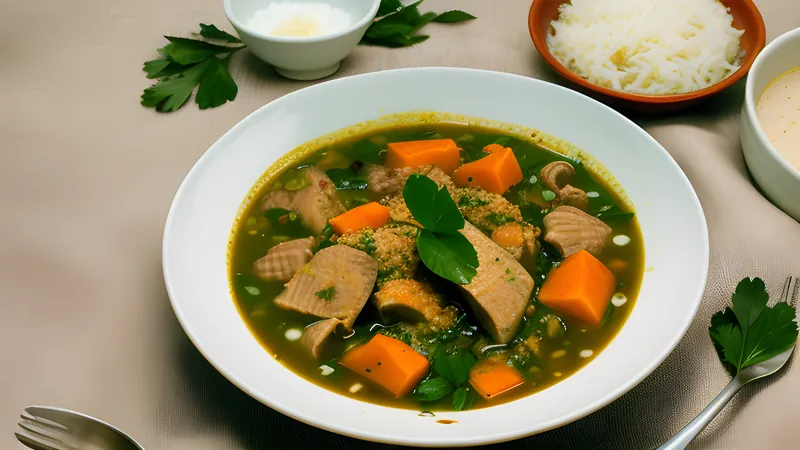
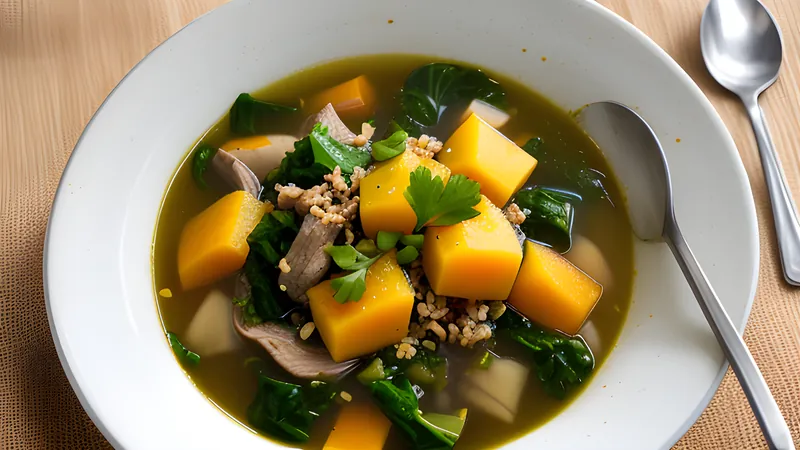
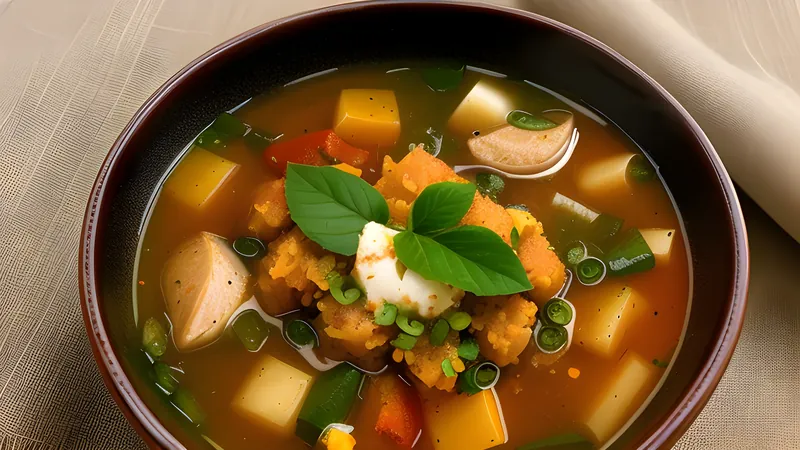
- Serve hot, in deep bowls, broth and meat together, with a spoon for the broth and no accompaniment required, though boiled yam or plantain are common additions.
A broth built from three ingredients you can’t get anywhere else
Nigerian pepper soup’s identity rests on a specific combination of seeds and bark that don’t have close substitutes in most Western pantries: ehuru (calabash nutmeg, a relative of true nutmeg with a sharper, more resinous scent), uda (negro pepper, sometimes called African pepper, with a peppery-camphor note), and uziza seed and leaf (a West African pepper relative, the leaf sharp and slightly bitter, the seed warm and biting). Together with ground crayfish and a generous hit of fresh chilli, these spices give pepper soup its unmistakable smell — hot, resinous, faintly medicinal in the best way — and its reputation as the dish Nigerian households reach for when someone has a cold, has just given birth, or simply wants something that clears the sinuses on contact. There isn’t a convincing substitute for the core spice trio; commercial “pepper soup spice” blends, sold ready-ground in West African grocers, are the practical answer for anyone outside Nigeria, and they’re what most diaspora households actually cook with day to day rather than sourcing and grinding whole seeds themselves.
A dish for specific occasions, not just any Tuesday
Pepper soup carries social weight beyond its ingredient list. It’s the dish new mothers are traditionally fed in the weeks after childbirth, believed to help recovery and encourage milk production, and it’s what gets made when someone in the household comes down with a cold or fever — the intense chilli and aromatic spice genuinely does clear a blocked nose in a way few other foods manage as directly. It also has a strong evening-out identity: pepper soup joints (often called “pepper soup spots”) are a fixture of Nigerian nightlife, serving small, fiery bowls alongside cold drinks late into the night, functioning something like a bar snack that happens to be a full protein-rich soup. The same dish moves fluidly between a hospital-adjacent comfort food and a beer-garden late-night order, which says something about how central those core spices are to Nigerian food culture more broadly — they show up wherever intensity and warmth are the point.
Regional variations across Nigeria
What counts as “pepper soup” shifts meaningfully by region and ethnic group. Efik and Ibibio versions from the south-south lean heavily on additional aromatics and sometimes a touch of ground melon seed for body, edging closer to a light soup than a true broth. Yoruba versions tend to be simpler and more chilli-forward, with less reliance on the full ehuru-uda-uziza trio and more on scotch bonnet heat alone. Igbo pepper soup, likely the most widely recognised version outside Nigeria, is the one built most deliberately around the three core spices this recipe uses, and it’s the template most “pepper soup spice” commercial blends are modelled on. None of these are more authentic than the others — they’re regional expressions of the same underlying idea, that a broth’s job is to be aromatic, sharp and clarifying rather than rich or thick.
Choosing the meat
Goat is the classic pepper soup meat, prized for a slightly gamey flavour that stands up to the aggressive spicing, and bone-in cuts matter here — the bone and connective tissue release gelatin into the broth over the long simmer, giving it body that boneless meat can’t replicate. Chicken, particularly bone-in thigh and drumstick, is a common and faster-cooking alternative, and catfish or other firm white fish make an entirely different but equally traditional version, cooked far more briefly since fish falls apart if simmered as long as goat needs. Cow foot and tripe (shaki) both have their own strong pepper soup traditions too, valued for texture as much as flavour, though they need considerably longer cooking than goat to soften properly.
Getting the broth clear
Pepper soup is meant to be a clear, thin broth, not a thick stew, and the main thing that muddies it is skimming technique. In the first ten minutes of the initial simmer, a grey-brown foam rises to the surface — this is coagulated protein and impurities from the meat, and skimming it off with a spoon as it appears, rather than letting it boil back into the liquid, is what keeps the finished broth clean and appetising rather than cloudy. A rolling boil rather than a gentle simmer also emulsifies fat into the broth and clouds it, so keeping the heat moderate once the initial foam is dealt with matters more than it might seem for a dish that looks this rustic.
Building the spice properly
If you’re grinding the pepper soup spice from whole seeds rather than using a shop-bought blend, toasting them briefly in a dry pan before grinding wakes up their essential oils substantially — the smell shift from raw to lightly toasted seeds is dramatic and worth the extra two minutes. Grind coarse rather than to a fine powder; pepper soup traditionally has a slightly gritty, textured broth rather than the perfectly smooth base of many other soups, and a coarse grind also releases flavour more gradually as it simmers rather than all at once. Add the spice mix after the meat has already partly cooked rather than at the very start — pepper soup spices are volatile and lose potency over long cooking times, so a shorter, more concentrated infusion toward the end of cooking gives a sharper, more distinct flavour than the same spice simmered for ninety minutes alongside the meat.
Tips for balance
Crayfish is not optional for anyone chasing an authentic flavour — it adds a savoury, faintly briny depth that the pepper spices alone can’t replicate, and its absence is one of the most common reasons a home cook’s pepper soup tastes thin compared to a restaurant or family version. Scotch bonnet left whole, rather than sliced or blended, infuses real heat into the broth without turning the soup fiery hot from the seeds and membrane — pierce it once with a knife if you want more heat, or leave it fully intact for a milder warmth that still carries the chilli’s fruity aroma. Taste for salt only near the end, since stock cubes and crayfish both contribute salt as the broth reduces and concentrates.
Substitutions
Uziza leaf, the most perishable ingredient here, is genuinely hard to find outside West African grocers; scent leaf (efirin, a relative of holy basil) is the traditional next choice, and ordinary basil is a workable stand-in for both if neither is available, though the flavour profile shifts noticeably milder and sweeter. Pre-ground “pepper soup spice” mix, widely sold and reliably consistent, is a perfectly legitimate substitute for grinding ehuru, uda and grains of selim individually, and it’s what most people cook with even in Nigeria today. If crayfish isn’t available, a small amount of fish sauce gets partway to the same savoury depth, though the flavour isn’t identical.
Storage and reheating
Pepper soup keeps for up to four days in the fridge and, like most long-simmered broths, actually improves slightly on the second day as the spices continue to infuse into the meat and liquid. Reheat gently on the stove rather than in a microwave, since a hard boil on reheating can toughen the meat further. It freezes well for up to three months — freeze the broth and meat together in a sealed container, and add fresh uziza leaf only after reheating, since frozen and thawed leaves lose their sharp bite and turn slightly slimy in texture.
Judging tenderness without a thermometer
Goat meat is ready when it yields easily to a fork but still holds together on the bone rather than shredding apart — pepper soup goat should require a little effort to eat, not fall off the bone the way a slow-braised stew would. Because goat cuts vary enormously in toughness depending on the animal’s age and which part of the leg or shoulder you’re using, treat the 45-60 minute simmer as a starting estimate and check texture directly rather than trusting the clock alone. Older, tougher cuts can take closer to 90 minutes; if you’re well past an hour and the meat still resists a fork, keep simmering rather than moving on to the spice stage — underdone goat never improves once the more delicate spices go in, since further long cooking at that point starts to dull the ehuru and uziza rather than tenderising the meat any further.
Serving
Pepper soup is usually eaten on its own, broth and meat together from the same bowl, often as a starter at Nigerian gatherings or as a late-supper dish specifically because of its reputation for settling the stomach and clearing congestion. Boiled yam, plantain or agidi (a firm cornmeal block) are common accompaniments for anyone who wants more substance than broth and meat alone. For a fuller West African spread built around bold, chilli-forward flavours, it sits naturally alongside suya or a plate of nyama choma — different countries, different techniques, but the same instinct for treating meat and heat as the main event.
Why the broth stays thin on purpose
Cooks new to West African soups sometimes try to thicken pepper soup the way they would a stew, adding flour or extra vegetables for body, which misses the dish’s actual design. Pepper soup is deliberately thin and sippable, closer in texture to a clarified consommé than to egusi or okra soup, because its job is aromatic intensity rather than heartiness — you’re meant to taste the spice trio clearly in every spoonful, and a thickened broth mutes that clarity. If your finished soup feels too watery in flavour rather than in texture, the fix is a longer reduction over the final twenty minutes, not a thickener; letting the broth cook down uncovered concentrates the existing spices rather than diluting them further with starch.
A note on chilli heat
Scotch bonnet varies enormously in strength batch to batch, sometimes doubling in heat between one shop’s supply and the next, so treat the quantity here as a starting point rather than a fixed rule. Left whole and unpierced, a single scotch bonnet perfumes the broth with real fruitiness and moderate warmth without overwhelming it; piercing it once with the tip of a knife lets more capsaicin escape into the liquid for a noticeably hotter result. If you’re cooking for guests with different spice tolerances, the whole-chilli method is the safer default — it lets each diner decide whether to crush a little of the cooked pepper into their own bowl at the table, rather than committing the entire pot to one fixed heat level from the start.
Related Content