Msemen: The Square Laminated Flatbread
folded, not rolled, for hundreds of flaky layers
Contents
↓ Jump to recipeMsemen is the flatbread you see stacked at breakfast stalls all over Morocco, square rather than round, with a flaky, layered texture that comes entirely from folding technique rather than any laminating fat baked into an oven. It sits alongside baghrir, the thousand-hole semolina pancake, as one of the two standard breads of a proper Moroccan breakfast spread, and the two together with a pot of mint tea and some honey is about as good a way to start a day as I know. I learned to fold msemen from a woman selling them from a cart near Bab Doukkala in Marrakech, who could shape and cook a batch of a dozen in the time it took me to badly mangle one, and it took me a genuinely embarrassing number of attempts at home before mine started looking anything like hers.
Msemen: The Square Laminated Flatbread
Ingredients
- 400g fine semolina, plus extra for shaping
- 100g plain flour
- 1 tsp salt
- 1 tsp instant yeast
- 1 tsp sugar
- 270ml warm water
- 120ml vegetable oil, for laminating
- 80g very soft unsalted butter, for laminating
- honey and melted butter, to serve
Method
- Mix the semolina, flour, salt, yeast and sugar in a large bowl, then gradually work in the warm water, kneading for 8-10 minutes until you have a soft, smooth, slightly sticky dough.
- Cover the dough and leave to rest for 20 minutes at room temperature.
- Divide the dough into 8 equal pieces and roll each into a ball; coat your hands and a work surface generously with vegetable oil rather than flour.
- Working with one ball at a time, use oiled fingers to stretch and flatten the dough into a thin rectangle, about 25cm x 20cm, as thin as it will go without tearing.
- Mix the remaining oil and soft butter together and brush a thin layer over the stretched dough, then sprinkle lightly with dry semolina.
- Fold the rectangle into thirds like a letter, brush the top with more oil-butter, sprinkle with semolina, then fold the resulting strip into thirds again to make a square.
- Press the square gently flat and set aside on an oiled tray; repeat with the remaining dough balls, keeping the squares covered so they don't dry out.
- Just before cooking, press and stretch each folded square out again with oiled fingers to about 15cm across, taking care not to tear the layers.
- Heat a dry, heavy frying pan or griddle over medium heat and cook each msemen for 3-4 minutes per side, until deep golden brown and cooked through, adjusting the heat if it browns too fast.
- Serve hot, torn open, with honey and melted butter, or split and filled with a savoury mixture of your choice.
A breakfast built around folding, not baking
Msemen belongs to a wider North African family of hand-folded, pan-cooked flatbreads that developed without reliable domestic ovens — most Moroccan home kitchens historically cooked bread on a flat griddle or sent dough to a communal neighbourhood oven, and dishes that could be fully cooked on a stovetop griddle had an obvious practical advantage. That history is still visible in how msemen is sold today: from carts and stalls with a single hot griddle rather than from bakeries with ovens, cooked to order in a couple of minutes and handed over still steaming. It’s egalitarian food in the truest sense — semolina, flour, oil and a hot pan are all it needs, and the skill is entirely in the folding rather than in any expensive equipment.
Lamination without an oven
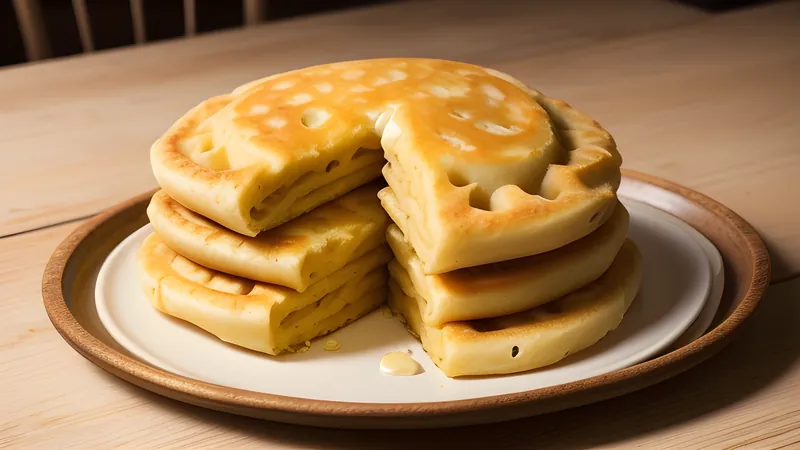
What makes msemen interesting technically is that it achieves a laminated, flaky texture using a method that has nothing to do with the butter-and-pastry lamination you’d use for croissants or puff pastry. Instead of rolling and folding a fat into cold dough over multiple sessions, msemen gets its layers from stretching a warm, oiled dough paper-thin, coating it with more oil and semolina, and folding it into a compact square. When that square is stretched back out and cooked on a dry griddle, the folded layers of dough separate slightly as they cook, trapping oil between them and puffing into a texture that’s crisp outside and tender, flaky inside — genuinely laminated, achieved entirely by hand with no rolling pin and no oven.
The semolina dusted between the folds is doing real work here, not just preventing sticking. It creates a slightly gritty barrier between each layer of dough, which stops the layers fusing back together as they’re compressed and later re-stretched, and that barrier is what gives you distinct, tearable layers in the finished bread rather than a single dense sheet.
Oil your hands, not your surface with flour
The single biggest adjustment for anyone used to Western bread-making is that msemen dough is worked entirely with oil rather than flour on your hands and surface. Flouring the surface the way you would for a Western dough adds dry flour into the layers as you stretch and fold, which toughens the finished bread and stops the layers separating cleanly when it cooks. Oil, by contrast, lets your hands glide over the dough without tearing it and becomes part of the lamination itself, folded in with each turn. Keep a small bowl of oil next to you and re-oil your fingers generously every time the dough starts to feel like it’s dragging rather than stretching.
Stretch the dough as thin as you can manage without it tearing — thinner stretching means more distinct layers once you fold it, and more layers means a flakier finished bread. It will tear occasionally, especially on your first few attempts; a small tear is not the end of the world, since the fold and re-stretch that follow will mostly disguise it, but try to work from the centre outward with steady, even pressure rather than yanking at the edges.
Choosing your semolina
Fine semolina, sometimes labelled “semolina flour” rather than the coarser semolina sold for couscous or pasta-making, is what you want here — the coarse variety won’t hydrate properly into a smooth dough and will leave the finished bread gritty rather than tender. Look for it in Middle Eastern or South Asian grocers if your supermarket only stocks the coarse type; it’s usually cheap and sold in large bags, which is no bad thing given how often you’ll want to make this once you’ve got the technique down. The plain flour in the mix isn’t there for flavour so much as structure — it gives the dough enough gluten to stretch without tearing, since semolina alone produces a dough that’s crumblier and harder to work paper-thin.
The fold, twice
Msemen’s characteristic square shape comes from folding the stretched rectangle into thirds one way, then folding the resulting strip into thirds again the other way, so you end up with a compact, roughly square parcel with the oil-and-semolina coating trapped between every layer. This double fold is what gives msemen its shape — it’s the same technique, structurally, as folding a letter into an envelope, done twice at right angles. Once folded, the squares can sit, covered, for anywhere from twenty minutes to a couple of hours before cooking; the resting time actually helps, letting the layers relax slightly so the final stretch before cooking is easier and tears less.
When you’re ready to cook, each folded square needs one more stretch, pressing and pulling it back out with oiled fingers until it’s roughly the size of a side plate. This final stretch is gentler than the first — you’re not trying to make it paper-thin again, just even and consistent, so it cooks through uniformly on the griddle.
Cooking on a dry pan
Msemen cooks on a dry, ungreased pan or griddle, because the oil already worked into the dough is enough fat to fry it properly from the inside as it cooks — adding more oil to the pan makes it greasy rather than crisp. Medium heat is right; too hot and the outside browns and hardens before the inside has finished cooking through, leaving a raw, doughy centre under a burnt crust. Three to four minutes a side is typical, but watch the colour rather than the clock, and press down gently on any part that’s puffing up unevenly to keep it in contact with the heat.
Common mistakes
The most frequent problem is dough that’s too dry to stretch thin, which tears constantly and makes the whole folding process frustrating. If your dough resists stretching and springs back stubbornly or tears every time you try to thin it, work in an extra tablespoon of warm water at a time until it stretches more willingly — semolina absorbs water at a slightly unpredictable rate depending on how fine it is, so don’t treat the 270ml as gospel if your dough clearly needs more. The second common mistake is cooking too many at once on too small a pan, crowding them so they cool the pan down and steam rather than fry. Cook one or two at a time on a full-sized griddle, and keep finished ones warm under a clean tea towel rather than stacked uncovered, where they lose crispness fast as they cool.
Serving and storage
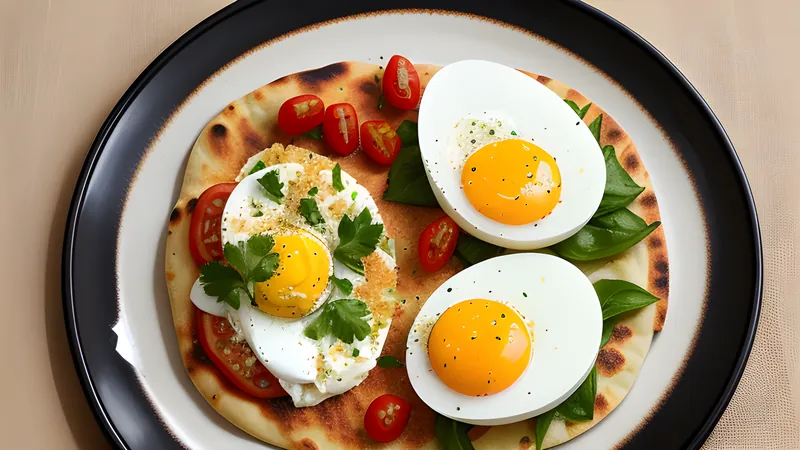
The classic breakfast serving is simplicity itself: tear the hot msemen open, drizzle with honey, and add a knob of melted butter that soaks into the layers. It’s also excellent savoury — split one open while still warm and fill it with a soft cheese, a spoonful of harissa, or a fried egg, and you have a portable, filling breakfast that holds together far better than most Western wraps.
Cooked msemen keeps well, which makes it worth making a full batch even for a household of two. Store cooled squares in an airtight container or freezer bag for up to 3 days at room temperature, or freeze for up to 2 months, layering with baking paper so they don’t stick together. Reheat frozen or chilled msemen in a dry pan over medium heat for a minute or two per side — this is far better than a microwave, which turns the flaky layers soft and slightly rubbery rather than restoring their crispness. Leftover msemen also has an important second life: torn into strips, it’s the traditional base for rfissa, Morocco’s fenugreek chicken dish, soaked under a saffron broth.
Variations
A savoury version called rghaif, made with the same folding technique but often stuffed with a spiced onion and minced meat filling before the final fold, is common at the same breakfast stalls. If you want a simpler entry point before attempting the full stretch-and-fold, a smaller, thicker msemen using less stretching still tastes good, just with fewer, thicker layers rather than the full flaky effect — a reasonable place to start while you build confidence in handling the dough. A whole-wheat version, using half fine semolina and half wholemeal flour, gives a nuttier, more textured bread that some households prefer for everyday eating, saving the all-semolina version for weekends and guests. Whichever version you make, resist the temptation to add sugar to the dough itself — the honey and butter at serving time provide all the sweetness this bread needs, and a sweetened dough browns and burns faster on the griddle than a plain one.
Serving alongside the rest of the breakfast table
A proper Moroccan breakfast rarely serves msemen alone — it sits next to baghrir, a bowl of olive oil or amlou for dipping, and always a pot of strong, sweet mint tea poured from height. If you’re building the full spread at home, make the baghrir batter first since it needs time to rest and bubble, then fold and rest your msemen dough while the baghrir batter sits, and cook both in the final twenty minutes so everything lands on the table hot together.
Msemen takes practice more than skill, and the difference between an early attempt and a twentieth attempt is mostly about learning how thin you can stretch the dough before it tears and how much oil is actually enough. Give yourself permission to make an ugly batch the first time; it will still taste good with honey poured over it, however far from square it ends up.
Related Content