Msabbaha: The Chunky Cousin of Hummus
Warm whole chickpeas in a loose, lemony tahini
Contents
↓ Jump to recipeHummus is what happens when you take this dish and put it through a food processor until every trace of texture is gone. Msabbaha — the name comes from the Arabic for “swimming”, because the chickpeas float in their sauce — is the older, looser, more forgiving thing. In the breakfast joints of Jerusalem, Damascus and Beirut it is often served alongside a smooth hummus, or instead of it, ladled warm into a bowl while the chickpeas are still soft from the pot. You eat it with your hands and a lot of bread, before the day gets going.
I came to it late. For years I made hummus the way everyone does, chasing the silkiest possible purée, and I never questioned why I was destroying perfectly good chickpeas to get there. Then I ate msabbaha in a tiled room with plastic stools, the chickpeas warm and whole, the tahini loose enough to drink, and I understood that smoothness had been costing me something. This is the dish that shows you what a chickpea actually tastes like.
Msabbaha: The Chunky Cousin of Hummus
Ingredients
- 250g dried chickpeas
- 1 tsp bicarbonate of soda
- 160g light tahini, well stirred
- 2 lemons, juiced (about 80ml)
- 2 garlic cloves, crushed to a paste with a pinch of salt
- 1 tsp ground cumin, plus more to finish
- 4 tbsp extra virgin olive oil
- Small handful flat-leaf parsley, chopped
- 1 tsp Aleppo pepper or sweet paprika
- Fine salt, to taste
Method
- Soak the chickpeas overnight in plenty of cold water with the bicarbonate of soda.
- Drain, cover with fresh water and simmer 60–90 minutes until the chickpeas are soft enough to crush between two fingers. Skim any loose skins.
- Reserve 250ml of the cooking liquid, then drain the chickpeas, keeping them warm.
- Whisk the tahini with the garlic, cumin, half the lemon juice and 1 tsp salt. It will seize and thicken. Loosen it with warm chickpea cooking liquid, a splash at a time, until it pours like single cream. Adjust with the rest of the lemon.
- Fold three-quarters of the warm chickpeas into the sauce, keeping them whole. Taste and correct the salt and lemon.
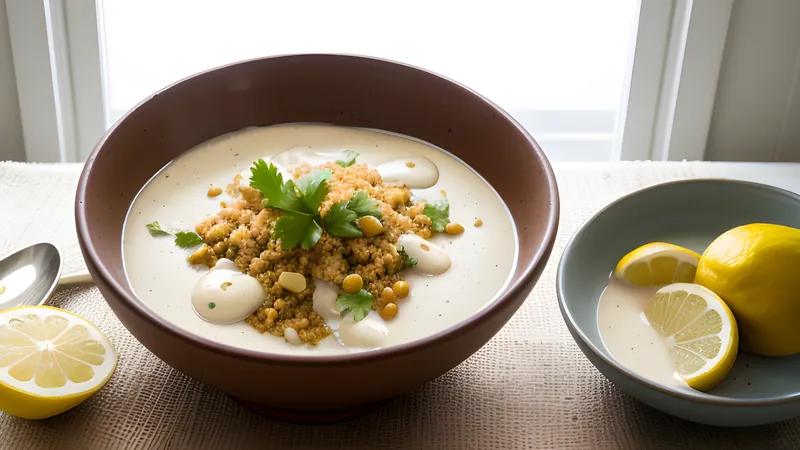
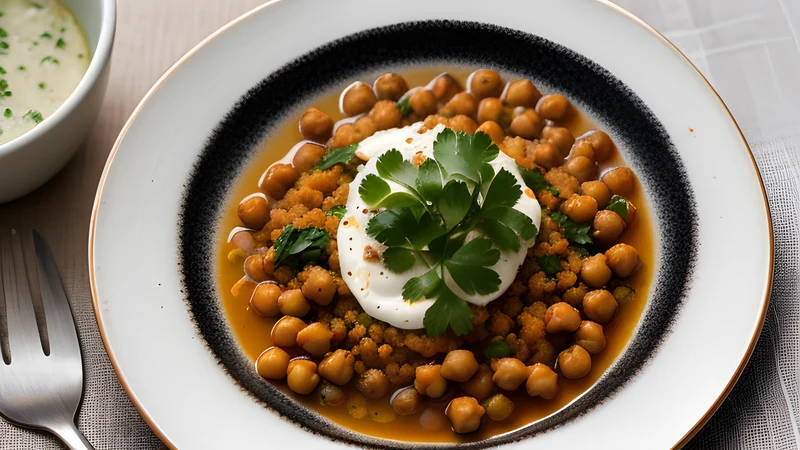
- Spread into a shallow bowl, pile the reserved chickpeas in the centre, and dress with the olive oil, a dusting of cumin, the Aleppo pepper and the parsley. Serve warm with hot flatbread.
Why whole chickpeas change everything
A blitzed chickpea gives up its starch to the sauce and its texture to the blade. A whole one, cooked until it just yields, keeps a faint bite in the skin and a floury softness inside that the tahini can’t replicate. Eating msabbaha, you get the sauce and the pulse as two separate sensations in the same mouthful, and the contrast is the entire point.
This puts more pressure on the chickpeas than any hummus ever does, because you can taste each one. Dried chickpeas, soaked overnight, are non-negotiable here. Tinned chickpeas are convenient and I use them for plenty of things, but they are cooked to a uniform mush and they taste of the tin. For msabbaha you want to control the cooking so the chickpeas arrive soft but intact, and that only happens when you start from dried.
The bicarbonate of soda in the soaking water is the trick professional cooks rely on. It raises the pH, which helps the skins break down and the interiors soften faster and more evenly. A teaspoon for 250g is plenty; more and you start to taste a soapy edge. Skim the loose skins that rise as the chickpeas cook — they’re harmless, but a skinless chickpea has a cleaner texture, and in a dish this bare, that matters.
A brief history of the argument
Msabbaha, hummus and their relatives belong to a family of chickpea-and-tahini dishes that runs across the Levant, and everyone who grew up with them has firm opinions about which came first and who owns them. The honest answer is that pounded chickpeas with sesame paste are ancient and communal, cooked in Palestinian, Syrian, Lebanese, Jordanian and Israeli kitchens for generations, and the national-ownership arguments say more about modern politics than about food history.
What is clear is that the loose, whole-chickpea version predates the smooth one in home cooking, because it is simply less work — no pounding a whole batch to paste when you can dress the chickpeas warm from the pot. The smooth hummus we now think of as the default is in some ways the refined restaurant descendant, and msabbaha is closer to the original weekday breakfast: cheap, filling, made from a pot of beans and a jar of tahini.
Regional versions diverge in small, argued-over ways. Some cooks keep the chickpeas almost whole in a barely-mashed base; others crush a portion to thicken the sauce and leave the rest intact, which is the approach I’ve settled on. In Damascus you’ll find it served with a swirl of the cooking liquid still visible; in Galilee it might come under a heavier hand of cumin and a float of olive oil deep enough to dip bread in.
Getting the tahini right
The sauce is where beginners come unstuck, and the failure is always the same: you whisk lemon juice and garlic into tahini, and instead of loosening it seizes into a stiff, pale paste that looks broken. It isn’t broken. Tahini is an emulsion of oil and finely ground sesame solids, and acid makes it tighten before it loosens. The fix is water — specifically the warm, starchy chickpea cooking liquid — added a splash at a time. It will look worse before it looks better, then suddenly turn glossy and pourable. Trust the process and keep adding liquid until it flows like single cream.
Use a light, runny tahini and stir the jar thoroughly first, because the oil separates and settles and a badly stirred jar gives you a bitter, gritty sauce. Good tahini tastes nutty and faintly sweet with only a whisper of bitterness. If yours tastes harsh on its own, it will taste harsh in the bowl. The same rule governs a proper bowl of msabbaha’s chunkier relative, fattet hummus, where the chickpeas sit under yoghurt and toasted bread instead — worth making the week after you’ve mastered this one.
The starchy cooking liquid does more than dilute. It carries dissolved starch from the chickpeas, which helps the sauce hold together and gives it a body plain water can’t. This is why I never make msabbaha the tahini with tap water if I can help it — the cooking liquid is free flavour and free structure, and pouring it down the sink is a small waste every time. Keep more than you think you’ll need; the sauce firms up as it sits and you’ll want to loosen it again just before serving.
Temperature matters as much as the liquid. Warm sauce stays loose and glossy; cold sauce goes stiff and matte. If you’ve made the base ahead, set the bowl over a pan of just-boiled water and whisk in a little warm cooking liquid until it comes back to life. A gentle heat also softens the raw garlic and takes the sharpest edge off the lemon, which is why the dish always tastes rounder warm than it did cold from the whisk.
What can go wrong
Chalky chickpeas are the most common complaint, and there are only two causes: they were too old, or they were undercooked. Dried pulses that have sat in a cupboard for two years will never soften properly no matter how long you boil them, so buy from a shop with turnover and don’t hoard. As for doneness, ignore the clock and test by feel — a cooked chickpea crushes to a smooth paste between finger and thumb with no grainy core. If yours still has grit, keep simmering; a chickpea cannot be overcooked in this dish, only undercooked.
A grey, flat-tasting sauce usually means under-seasoning or tired tahini. Salt in stages and taste ruthlessly. If the whole thing tastes muddy, it’s almost always crying out for more lemon — acid is what lifts sesame and chickpea out of their heavy, earthy register and makes the bowl taste alive. Add it a squeeze at a time until the dish snaps into focus.
Serving it the way it’s meant
Msabbaha is warm food. Serve it the moment the sauce is folded through, because it thickens as it cools and the pleasure is in the loose, spoonable warmth. Spread it in a shallow bowl, make a well, pile the reserved whole chickpeas in the centre, and be generous with the olive oil — this is not the dish to be mean with it. A final dusting of cumin, a scatter of Aleppo pepper for gentle heat and colour, and a handful of parsley.
Bread is the only cutlery you need. Warm flatbread, torn and used to scoop, is traditional and correct. If you want to make a proper spread of it, add a plate of pickles, some sliced tomato and raw onion, and a hard-boiled egg, which is how it turns up on a Levantine breakfast table. For a fuller meal I’ll put it next to a bowl of mujadara with crispy onions, the lentils-and-rice standby, and call it lunch.
Tips, storage and variations
The whole thing hinges on warm chickpeas, so time it accordingly — cook them last, or reheat gently in their liquid before you build the dish. Cold chickpeas seize the tahini and turn the bowl claggy.
Season in stages. Salt the chickpea water lightly, salt the tahini sauce, then taste the finished dish and correct. Chickpeas absorb a surprising amount of salt and a well-seasoned pot tastes flat once you’ve added the acidic, sesame-rich sauce.
For make-ahead, the components keep separately. Cooked chickpeas last three days in the fridge in their liquid; the tahini base keeps a couple of days but will need loosening again with warm water, as it firms up cold. Assemble only when you’re ready to eat.
A few variations worth trying. Warm the sauce gently with a knob of butter and a slick of the cooking liquid for a richer, almost creamy result the Syrian way. Fry a spoon of pine nuts in butter until golden and tip them, butter and all, over the top. Or lean savoury and stir a spoonful of the crispy fried onions from the mujadara through the chickpeas — the sweetness against the sour tahini is very good.
If you eat it dairy-free, the butter enrichments are easy to swap for a good fruity olive oil warmed with a clove of garlic and a pinch of cumin until it just sizzles, then poured over. And if you have leftover cooked chickpeas from another dish, this is the fastest possible way to use them up — a warm bowl of msabbaha is fifteen minutes’ work once the chickpeas are already soft.
One thing I won’t do is add cold garlic in large amounts. Raw garlic bullies a dish this delicate; two cloves, crushed to a paste with salt so it distributes evenly, is the ceiling. If you want it milder still, warm the garlic paste for thirty seconds in a spoonful of the olive oil before whisking it in. It takes the aggressive edge off while keeping the flavour, and in a bowl you eat first thing in the morning, that’s a kindness worth doing.
Related Content