Mole Poblano: The Convent Sauce
Thirty-odd ingredients, one afternoon, and a turkey worth the wait
Contents
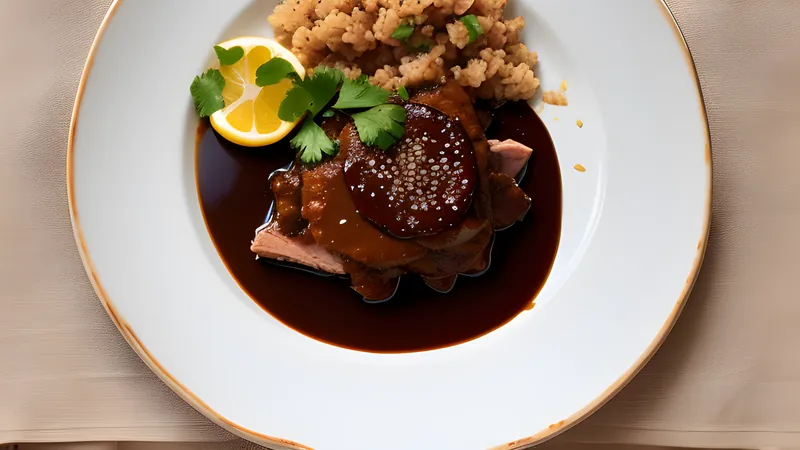
↓ Jump to recipeThe first time you make mole poblano from dried chiles rather than a jarred paste, budget an entire afternoon and expect your kitchen to smell like it for two days afterwards. That’s not a complaint. It’s the correct outcome of a sauce that traditionally called for anywhere from twenty to thirty-plus separate ingredients, toasted and fried in stages that can’t be combined or rushed without the final flavour falling flat. Mole poblano rewards patience in a way few dishes do — every fried batch of nuts, seeds and chiles you set aside individually is doing distinct work that a single all-at-once blitz in a food processor simply can’t replicate.
Mole Poblano: The Convent Sauce
Ingredients
- 6 ancho chiles, stemmed and seeded
- 4 mulato chiles, stemmed and seeded
- 2 pasilla chiles, stemmed and seeded
- 2 chipotle chiles (dried, not in adobo), stemmed and seeded
- 60g lard or neutral oil, divided
- 1 corn tortilla, torn
- 2 slices day-old bread, torn
- 60g raisins
- 40g blanched almonds
- 30g pumpkin seeds, plus extra to garnish
- 30g sesame seeds, plus extra to garnish
- 1 plantain, sliced
- 1 white onion, quartered
- 3 garlic cloves
- 3 plum tomatoes
- 2 tomatillos, husked
- 1/2 tsp ground cinnamon
- 1/4 tsp ground cloves
- 1/4 tsp ground anise seed
- 60g dark Mexican chocolate (or 70% dark chocolate), chopped
- 1.5 litres chicken or turkey stock, plus more as needed
- salt to taste, starting with 2 tsp
- 1 whole turkey or chicken, jointed and roasted or poached, for serving
Method
- Toast the ancho, mulato, pasilla and chipotle chiles in a dry pan over medium heat for 30 seconds a side until fragrant and pliable rather than blackened, then soak in hot water for 20 minutes.
- In the same pan, fry the tortilla and bread pieces in a little lard until golden, then set aside.
- Fry the raisins, almonds, pumpkin seeds and sesame seeds separately for a minute each until the raisins puff and the seeds smell toasted, then set aside.
- Fry the plantain slices until golden, then the onion, garlic, tomatoes and tomatillos until softened and lightly charred at the edges.
- Drain the soaked chiles and blend them with a little of the soaking liquid until smooth, then pass through a sieve to remove the tough skins.
- Blend the fried tortilla, bread, fruit, nuts, seeds, vegetables, cinnamon, cloves and anise with a cup of stock until completely smooth, working in batches if your blender is small.
- Heat the remaining lard in a heavy pot, add the chile purée and fry for 8 minutes, stirring constantly as it spatters and darkens.
- Stir in the nut and vegetable purée and fry for a further 10 minutes until the whole mixture has deepened in colour and thickened.
- Add the remaining stock, bring to a low simmer, and cook uncovered for 45 minutes, stirring every few minutes so the bottom doesn't catch.
- Stir in the chocolate until melted, season with salt, and simmer a final 10 minutes to marry the flavours before serving over the turkey or chicken with a scatter of sesame seeds.
The bishop, the nuns, and a story nobody can fully confirm
Puebla’s most repeated origin story for mole poblano places it in the kitchen of the Convent of Santa Rosa, sometime in the colonial period, when the nuns learned a bishop or viceroy was about to visit with essentially no notice and no obvious feast on hand. According to the legend, a nun named Sor Andrea de la Asunción — sometimes given other names depending on who’s telling it — surveyed the pantry, found dried chiles, stale bread, nuts, spices and a little chocolate, and improvised a sauce rich enough to serve a dignitary out of what would otherwise have been kitchen scraps.
Food historians treat the story with the same scepticism they apply to most convent-invention legends, since versions of chile-and-nut sauces predate any single dramatic kitchen emergency and almost certainly evolved gradually across Puebla’s convents rather than arriving in one afternoon of improvisation. What’s not in question is that Puebla’s convents, wealthy and well-provisioned by colonial standards, had both the ingredients and the kitchen labour to develop something this layered, and that mole in some form has pre-Hispanic roots — the word itself comes from the Nahuatl “molli,” meaning sauce, and chile-based sauces thickened with seeds were part of Mesoamerican cooking long before chocolate and cinnamon arrived from elsewhere.
Mole poblano is best understood as the point where an indigenous technique — grinding chiles, seeds and tomatoes into a thick sauce — absorbed everything the Spanish colonial pantry had to offer: cinnamon and cloves from Asian spice routes running through Manila and Acapulco, almonds and sesame from Spain and the Middle East by way of Iberian cooking, and chocolate, itself originally a bitter Mesoamerican drink, reworked here as a background note rather than the dominant flavour.
Why the chocolate isn’t the point
This trips up a lot of first-time cooks: mole poblano is not a chocolate sauce. The 60 grams of dark chocolate stirred in near the end rounds off bitterness and adds a faint gloss, but it should never taste like dessert, and if your finished sauce tastes distinctly of chocolate you’ve either used too much or your chile balance is off. The dominant flavours should be the toasted chiles — ancho for sweetness and raisin-like depth, mulato for a chocolatey undertone that comes from the pepper itself rather than the added chocolate, pasilla for a raisiny sharpness, and a small amount of chipotle for smoke. Taste the sauce at the halfway point of the long simmer and adjust: if it tastes flat, it usually needs more salt rather than more chocolate.
The frying-in-stages method, and why it can’t be skipped
Every component of mole poblano gets fried separately before it’s blended, and this is the step most home cooks are tempted to shortcut by throwing everything raw into a blender with stock. Don’t. Frying the nuts and seeds individually develops a toasted, slightly bitter edge that balances the sweetness of the raisins and plantain; frying the tomatoes and onion concentrates their liquid rather than diluting the finished sauce with raw vegetable water; and frying the blended chile purée on its own, before it meets the nut and vegetable purée, cooks off the raw chile taste that would otherwise sit unpleasantly on the tongue for the entire dish.
The chile-frying step spatters aggressively and darkens quickly — stand back a little and keep stirring, because a scorched patch at the bottom of the pot will taste bitter through the entire finished sauce and there’s no way to filter it back out once it’s blended in.
What can go wrong
The single most common failure is a gritty sauce, caused by skipping the sieve step after blending the soaked chiles. Dried chile skins don’t break down fully even in a powerful blender, and left in, they give the finished mole a sandy texture that no amount of simmering fixes. Push the blended chile purée through a fine sieve with the back of a ladle before it goes anywhere near the pot; it’s a five-minute step that determines whether the sauce is silky or grainy.
The second failure is a mole that tastes one-note bitter, usually from over-toasting the chiles until they blacken rather than simply turning fragrant and pliable. Thirty seconds a side over medium heat is the target — if the chiles smoke or the pan starts smelling acrid, they’ve gone too far and will carry a burnt flavour straight through the finished sauce with nothing to mask it.
The third is a thin, soupy mole. This is a slow-reduction sauce; if it hasn’t visibly thickened to coat the back of a spoon after the 45-minute simmer, keep it on a low heat rather than adding more stock to compensate for impatience.
Splitting the work across two days
Because the ingredient count is genuinely long, it helps to think of mole poblano as two separate sessions rather than one marathon. On the first day, toast and soak the chiles, fry the nuts, seeds, fruit and vegetables in their separate batches, and blend everything into the two purées — chile and nut-vegetable — then refrigerate both, covered, overnight. On the second day, the actual cooking is just the frying and simmering stages, which take under ninety minutes from a cold start. Splitting it this way turns what feels like a full day locked to the stove into two manageable stretches of thirty to forty minutes each, and the flavour doesn’t suffer for the purées resting overnight — if anything the chile purée mellows slightly, which some cooks prefer.
Serving, storage and the parts worth doing ahead
Mole poblano is traditionally served over turkey — guajolote — for weddings, quinceañeras and Day of the Dead gatherings, though chicken is the everyday substitute and works just as well against the sauce. Poach or roast the meat separately and ladle the finished mole over just before serving, rather than simmering the meat directly in the sauce, so the poultry doesn’t turn the mole watery.
This is a dish that genuinely improves overnight in the fridge, as the spices and chocolate continue to settle and the sauce thickens further on standing — make it a day ahead if you can, and reheat gently over low heat, thinning with a splash of stock if it’s tightened up too much. It freezes well for up to three months in an airtight container; freeze it without the meat and add fresh poultry when you reheat, since previously frozen poultry tends to turn stringy under a second reheating.
If the ingredient list feels daunting for a weeknight, a genuine shortcut exists: many Mexican grocers sell mole paste in blocks or jars specifically meant to be thinned with stock and finished with your own fried onion and garlic, and it’s a legitimate way into the dish rather than a lesser version of it — professional Poblano cooks keep jars of good commercial paste in their own kitchens for exactly this reason.
Puebla versus Oaxaca, an argument that never resolves
Ask anyone from Oaxaca whether Puebla invented mole and you’ll get a raised eyebrow, since Oaxaca has its own deep mole tradition — seven distinct moles by most local counts, including the black, chile-and-chocolate-heavy mole negro that takes even longer to make than this one. The honest answer is that both regions developed complex chile-based sauces independently out of the same pre-Hispanic base, and mole poblano’s specific claim to fame is less about inventing the category than about being the version that became Mexico’s default at weddings and national celebrations, partly through Puebla’s colonial-era wealth and printing presses, which put its convent recipes into cookbooks earlier and more widely than Oaxaca’s oral traditions were recorded. If you want to taste the difference directly, mole negro leans more bitter and smoky from heavily charred chiles and burnt tortilla, where mole poblano sits sweeter and rounder from the fruit and larger spice load.
Buying and substituting the dried chiles
Ancho, mulato and pasilla chiles are increasingly easy to find in UK supermarkets with a Latin American section, and reliably stocked online if not locally — buy them pliable rather than brittle, since a chile that snaps like a crisp has dried out too far and lost most of its fruity depth. If you can only find two of the three, ancho and pasilla are the pair to prioritise; mulato is the hardest to substitute for its specific chocolatey undertone, but a slightly larger quantity of ancho plus an extra 10 grams of chocolate gets you close. Dried chipotle is sometimes unavailable — chipotles in adobo, drained and rinsed of their sauce, are an acceptable stand-in, though they carry more smoke than the dried version and should be used a little more sparingly.
A note on the toasting order
Toast the mildest chiles first if you’re using the same dry pan for all four types, since ancho and mulato won’t pick up much residual heat character from the pan, but by the time you reach the chipotle the pan itself carries a smokier memory that can tip a mild final batch towards acrid if done in the wrong sequence. It’s a small detail, but it’s the kind of sequencing that separates a mole that tastes balanced from one where a single element dominates the finish.
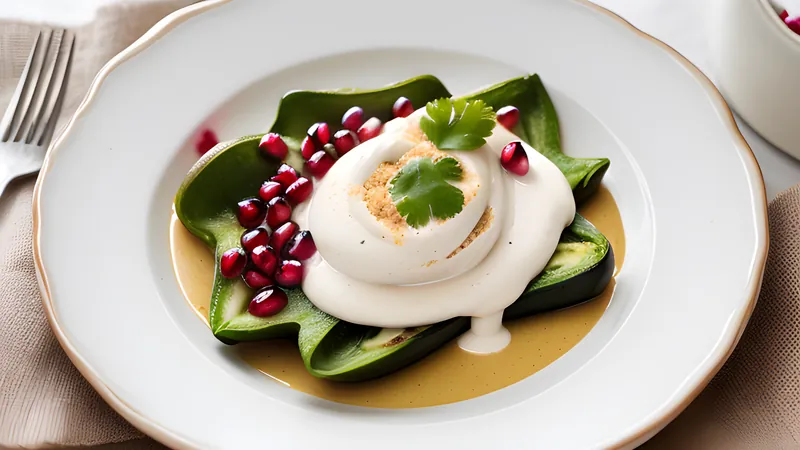
For the two other Puebla classics that share this convent history, our chiles en nogada piece covers the walnut-sauce dish built for a single flag-coloured season, and the tacos árabes piece follows the spit-roasted pork that Lebanese immigrants brought to the same city a century later.
Related Content