Moambe Chicken: Congo's Palm Butter Stew
Chicken braised in rich, orange-red palm cream
Contents
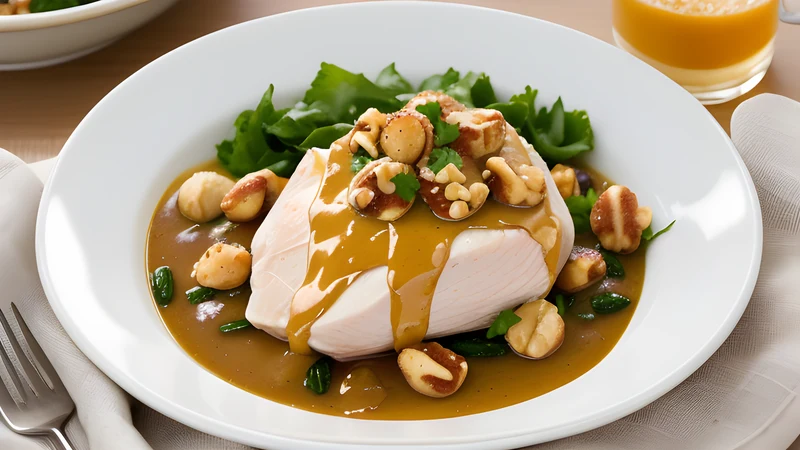
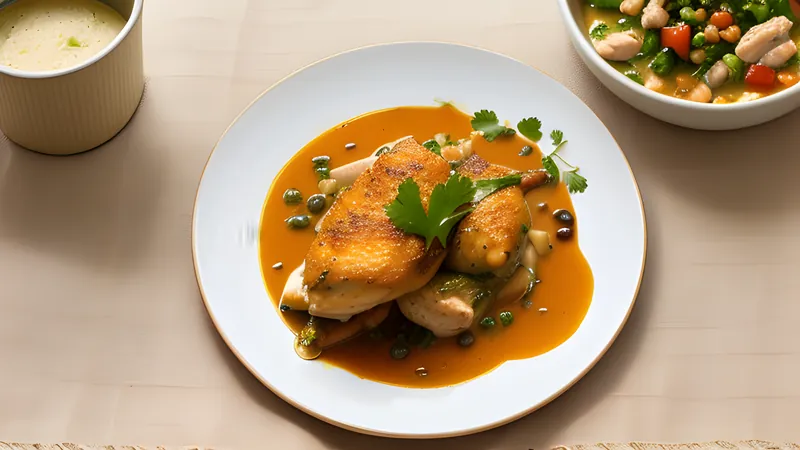
↓ Jump to recipeMoambe chicken is the dish most likely to be called the Democratic Republic of Congo’s national plate, a braise of chicken simmered low in palm butter until the sauce turns thick, orange-red and faintly nutty, with a slick of bright orange fat visible around the edges of the pot when it is done properly. It shares its name and its central ingredient, palm nut cream, with related dishes across the wider Congo Basin and beyond, and it is served at weddings, Sunday lunches and any table where a cook wants to show real generosity. My addition, a spoonful of smoked paprika stirred in at the end, deepens the colour and adds a gentle smokiness that plain palm butter does not quite reach on its own.
Moambe Chicken: Congo's Palm Butter Stew
Ingredients
- 8 bone-in, skin-on chicken thighs
- 1.5 tsp fine salt, plus more to taste
- 2 tbsp vegetable oil
- 1 large onion, finely chopped
- 4 garlic cloves, crushed
- 3cm piece ginger, grated
- 1 red pepper, deseeded and chopped
- 2 tomatoes, chopped
- 2 tbsp tomato puree
- 400g palm butter (or 400ml tinned palm fruit concentrate)
- 300ml chicken stock
- 1 scotch bonnet chilli, whole and pierced once
- 2 bay leaves
- 1 tbsp smoked paprika, to finish (the twist)
- Fresh coriander or parsley, chopped, to serve
Method
- Pat the chicken thighs dry and season all over with the salt.
- Heat the oil in a heavy pot over medium-high heat and brown the chicken in batches, skin-side down first, 4-5 minutes per side, then set aside.
- Fry the onion in the same pot for 8 minutes until soft, then add the garlic, ginger and red pepper, and fry for 3 minutes.
- Stir in the chopped tomatoes and tomato puree and cook for 5 minutes until softened.
- Add the palm butter, stock, whole chilli and bay leaves, and stir until smooth.
- Return the chicken to the pot, skin-side up, and bring to a gentle simmer.
- Cover and simmer on low for 30 minutes, then uncover and simmer for a further 10 minutes until the sauce thickens and the fat separates at the edges.
- Remove the whole chilli, stir in the smoked paprika, scatter with coriander and serve hot.
Why the technique works
Browning the chicken thoroughly before it ever touches the palm butter is the step that separates a genuinely good moambe from a merely competent one. The skin needs real contact time with hot oil, undisturbed, to render properly and develop a deep golden-brown colour; chicken added to the sauce raw or only lightly coloured will still taste fine, but the dish loses the layered savoury depth that a proper sear contributes, and the skin turns flabby rather than contributing any texture at all.
The second technical point is patience with the final simmer. Palm butter starts the pot looking thick and slightly grainy, and as the stew simmers, its natural fat gradually separates and rises, a visual cue experienced cooks watch for as proof the dish is properly done; a moambe that has not had enough time on the heat looks flat and uniformly orange rather than showing that telltale slick of bright fat at the surface. The uncovered final ten minutes is what allows this separation to happen and thickens the sauce to the right coating consistency, rather than leaving it thin and soupy.
Method
- Pat the chicken thighs dry with kitchen paper and season all over with the salt.
- Heat the oil in a heavy pot over medium-high heat. Brown the chicken in batches, skin-side down first, for 4-5 minutes per side, until deeply golden. Set the browned chicken aside.
- Fry the onion in the same pot for 8 minutes, until soft and translucent. Add the garlic, ginger and red pepper, and fry for 3 minutes.
- Stir in the chopped tomatoes and tomato puree, and cook for 5 minutes, until the tomatoes have softened and started to break down.
- Add the palm butter, chicken stock, whole scotch bonnet and bay leaves. Stir until the sauce is smooth and well combined.
- Return the browned chicken to the pot, skin-side up, nestling the pieces into the sauce without fully submerging the skin. Bring to a gentle simmer.
- Cover and simmer on low heat for 30 minutes. Uncover and continue simmering for a further 10 minutes, until the sauce has thickened and a slick of orange fat is visible at the edges.
- Remove the whole chilli (discard it, or chop and stir back in if you want more heat). Stir in the smoked paprika, scatter with fresh coriander or parsley, and serve hot.
Tips and Substitutions
Palm butter varies noticeably in consistency between brands, from a thick paste to a looser, more liquid cream; if yours is very thick, loosen it with a little extra stock before it goes into the pot so it incorporates smoothly rather than clumping. Some cooks use tinned palm nut concentrate, which is thinner still and needs slightly less added stock; taste and adjust the thickness toward the end of cooking rather than at the start.
The whole scotch bonnet, pierced but left intact, perfumes the sauce with real heat and fruitiness without turning the dish aggressively spicy; leave it whole and unbroken if you want a milder result, or split it and stir the seeds through if your household likes real heat. Chicken thighs are traditional for their fat content and resistance to drying out over the simmer; chicken breast can be substituted but will need a shorter simmer, around 20 minutes covered, to avoid toughening.
If palm butter is not available, a combination of red palm oil and a little peanut butter approximates the flavour and colour reasonably well, though it will not have quite the same body; use 3 tablespoons of red palm oil and 2 tablespoons of smooth peanut butter, whisked into the stock before adding.
Variations
Fish moambe, using firm white fish fillets simmered gently in the same sauce for only the final 10 minutes rather than the full braise, is a common coastal and riverside variation, particularly around Kinshasa and the Congo River basin. Some cooks add okra to the sauce alongside the tomatoes, which thickens it further and adds a slightly different texture that leans toward the wider okra-stew tradition found across the continent. A meatless version built on aubergine and mushroom, simmered in the same palm butter base, is increasingly common at gatherings where vegetarian guests are expected, and it holds up surprisingly well against the richness of the sauce.
If your sauce refuses to split and show that characteristic slick of orange fat even after the full simmer, the palm butter used was likely a lower-fat blend rather than pure palm cream; check the label if a brand seems unusually thin or pale, as some products are cut with vegetable oil. A genuine, high-fat palm butter will separate visibly given enough time on the heat, and if yours will not, stirring in an extra tablespoon of red palm oil toward the end usually restores the effect and the colour both.
Storage and Serving
Moambe chicken keeps very well, and like a lot of slow braises, it tastes even better the next day once the flavours have had time to settle. Store in an airtight container in the fridge for up to 4 days, and reheat gently on the hob over low heat, adding a splash of water or stock if the sauce has thickened too much on standing. It freezes well for up to 3 months in a sealed container; thaw fully in the fridge before reheating slowly.
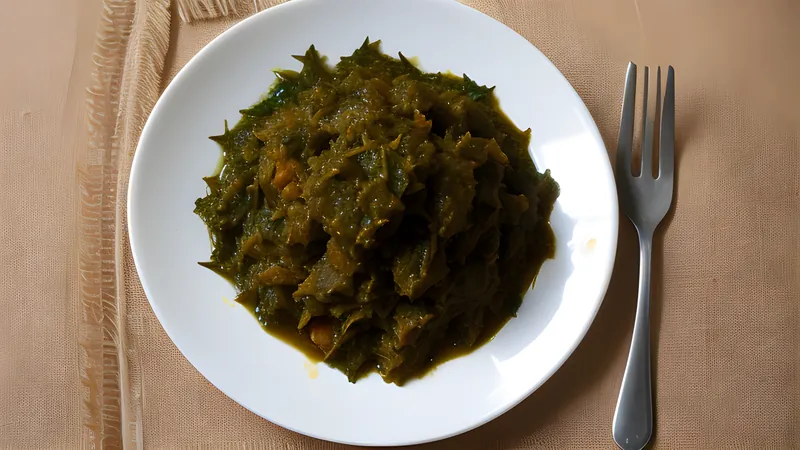
Serve moambe chicken over plain steamed rice, which is the traditional accompaniment and soaks up the sauce beautifully, or alongside saka saka for a genuinely Congolese spread built entirely around palm oil’s rich, distinctive flavour. Fufu, the pounded cassava or plantain dough eaten across much of Central and West Africa, is another classic pairing for scooping up the sauce by hand.
Related Content