Weeknight Miso Ramen with a Soy-Marinated Egg
A deep bowl of comfort in under an hour
Contents
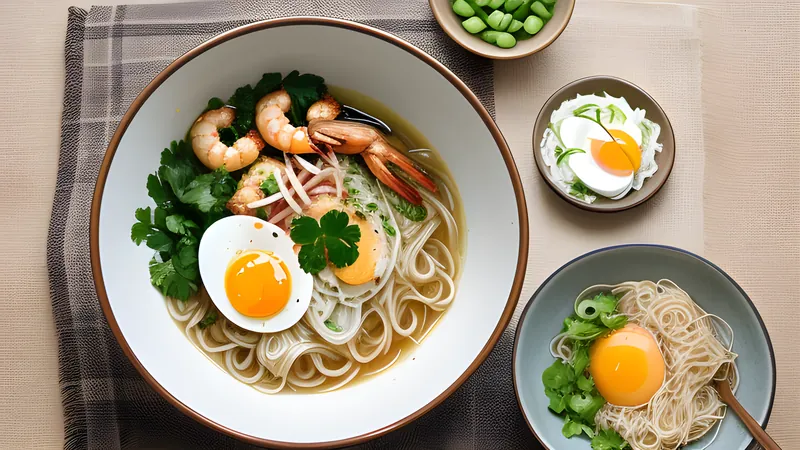
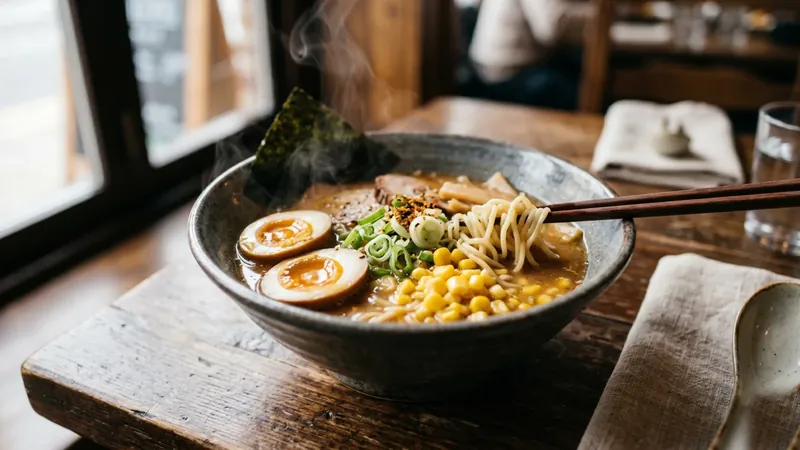
↓ Jump to recipeA proper bowl of miso ramen tastes like it simmered all day, but this weeknight version delivers a deep, nutty, savoury broth in well under an hour. The secret weapons are a quick miso-tahini base, which builds body and toasty richness in minutes, and a soy-marinated egg: the glossy ajitama that makes any bowl feel restaurant-worthy. Slurpable noodles, a rich golden yolk and a warming broth, ready by the time the noodles have softened. If you have made my chicken pho, you already know the pleasure of a good broth over noodles; this is the fast, fermented cousin, and it asks far less of your evening.
Weeknight Miso Ramen with a Soy-Marinated Egg
Ingredients
- 2 eggs
- 4 tbsp soy sauce
- 2 tbsp mirin
- 1 tbsp vegetable oil
- 3 garlic cloves, crushed
- 1 tbsp grated fresh ginger
- 3 tbsp red or brown miso paste
- 1 tbsp tahini or sesame paste
- 800ml chicken or vegetable stock
- 1 tsp toasted sesame oil
- 2 nests ramen or egg noodles
- 2 spring onions, sliced
- 100g sweetcorn
- 1 sheet nori, halved
- Chilli oil, to serve
Method
- Make the eggs first. Lower them into boiling water and cook for exactly 6 and a half minutes, then plunge into iced water and peel carefully.
- Mix the soy sauce and mirin with 4 tbsp water in a small bowl or bag, add the peeled eggs and leave to marinate for at least 20 minutes, turning occasionally.
- For the broth, heat the oil in a saucepan and gently fry the garlic and ginger for a minute until fragrant.
- Stir in the miso and tahini and cook for 30 seconds to draw out their flavour.
- Pour in the stock, whisking to dissolve the miso, and bring to a gentle simmer. Do not let it boil hard, as miso turns harsh.
- Add a splash of the egg marinade and the sesame oil, then taste and adjust the seasoning.
- Cook the noodles separately according to the packet, then drain.
- Divide the noodles between two deep bowls and ladle the hot broth over.
- Halve the marinated eggs and arrange on top with the sweetcorn, spring onions and nori.
- Finish each bowl with a drizzle of chilli oil and serve immediately.
Where miso ramen actually comes from
Miso ramen is younger than most people assume. While ramen itself arrived in Japan as a Chinese-influenced wheat-noodle soup in the early twentieth century, the miso version has a precise birthplace and a near-precise birthday. It was created in Sapporo, on the northern island of Hokkaido, at a small shop called Aji no Sanpei, whose owner Morito Omiya is generally credited with putting miso into a ramen broth in the 1950s. The often-repeated story is that a customer asked for noodles to be added to a bowl of miso-based pork soup; Omiya refined the idea into a dish in its own right, and when magazines picked it up around 1955 the style spread across Japan. Sapporo and miso ramen have been near-synonymous ever since.
Hokkaido is Japan’s cold north, and that context matters: a fat-slicked, deeply savoury miso broth makes obvious sense in a place with hard winters. Classic Sapporo bowls are rich with lard, aromatic with garlic and ginger, and often topped with a mound of stir-fried beansprouts and sweetcorn, a nod to Hokkaido’s dairy-and-corn farming. This recipe keeps that spirit while doing away with the all-day broth.
Miso is the heart of it. This fermented paste of soya beans, salt and a culture called koji ranges from pale and mellow (shiro) to dark and punchy (aka), and the red or brown varieties used here bring a deep, almost meaty savour. Because miso is a living, fermented food, it should never be boiled hard; a rolling boil drives off its aromatic top notes and can turn the flavour flat and slightly sour. A gentle simmer, no more, keeps it rounded. Blooming the miso in the hot garlic-ginger oil for 30 seconds before adding liquid deepens it further, much as toasting spices does in a curry.
The tahini is my one small cheat, borrowed from the nutty tantanmen style of ramen. A single spoonful of sesame paste emulsifies into the broth and gives it body and a toasty richness that a 30-minute stock could not manage on its own. It is the difference between a thin, watery bowl and one that clings to the noodles. Ordinary tahini from the supermarket works, though a Japanese white sesame paste (nerigoma) is smoother and more toasted if you can find it.
A word on the tare, the seasoning base. In a serious ramen kitchen the broth and the tare are made separately, and the tare, here effectively the miso, garlic, ginger and soy, is what carries the salt and character while the broth carries the body. This recipe collapses the two for speed, but the principle still guides the seasoning: taste after adding the marinade splash and the sesame oil, and adjust with a little more soy for salt or a pinch of sugar to round it off. The stock you start with matters, so use a good chicken or vegetable one; a bland base cannot be rescued by miso alone.
The ajitama, and why timing is everything
The crowning topping is the ajitama, the soy-marinated soft egg that has become almost synonymous with good ramen. Getting the jammy, just-set yolk is almost entirely about timing and temperature. Take the eggs straight from the fridge, lower them gently into water at a rolling boil, and cook for exactly six and a half minutes for a large egg. Any less and the white is too loose to peel; much more and the yolk sets to a chalky paste. Then plunge them immediately into iced water: this stops the carry-over cooking dead and, just as importantly, contracts the egg away from the shell so it peels cleanly. Peel under running water if a shell fights you.
The marinade of soy sauce, mirin and water seasons the white and stains it a handsome amber. Twenty minutes is enough for a weeknight, but the eggs genuinely improve over a few hours, and I often boil a batch the night before. Do not leave them submerged longer than about a day, though, or the whites turn rubbery and over-salted.
Building the bowl
Everything comes together fast once your components are ready, so have your toppings sliced before you start. Cook the noodles separately from the broth, always: starch shed by noodles cooking in the soup will cloud and thicken it, and you lose control of the seasoning. Drain them well, divide between two deep, pre-warmed bowls so the broth stays hot, then ladle the soup over. Assemble the toppings for looks as much as flavour, halving the eggs so the yolks show.
Sweetcorn, spring onion and a sheet of nori are the classic Sapporo-leaning finishers, and a swirl of chilli oil adds warmth and a little edge. My chilli oil with crispy shallots and Sichuan peppercorn is superb here if you keep a jar going. Eat it while it is piping hot, and slurp: it aerates the noodles and, less romantically, cools each mouthful on the way in.
As for the noodles themselves, fresh ramen nests from a good grocer are best, with their spring and chew, but dried ramen or even plain egg noodles will do on a Tuesday. Cook them a shade under the packet time, because they carry on softening in the hot broth once you have combined the two. Fish them out, shake off the water, and get them into the bowl fast; a minute spent draining in a colander is a minute the broth spends cooling.
Substitutions, make-ahead and variations
For a heartier bowl, top with sliced roast pork, shredded leftover chicken or crisp fried tofu, and wilt a handful of pak choi or spinach in the broth for the last minute. A knob of butter melted into a Sapporo-style bowl is traditional and very good. If you cannot get mirin, use a teaspoon of sugar; if you have no tahini, an unsweetened smooth peanut butter is a workable, if less authentic, stand-in.
To make ahead, marinate the eggs and prepare the miso-tahini base up to two days in advance, keeping them separately in the fridge, then it is just a matter of heating stock and boiling noodles. If you want to lay in a batch, you can freeze the miso base in an ice-cube tray and drop a cube straight into hot stock on a busy night. The finished bowl does not keep, as the noodles go soft, so assemble to order. Vegetarians can use a good vegetable or kombu-and-shiitake stock and check the miso is not made with dashi containing fish. If you like this kind of quick-but-deep cooking, my egg fried rice works on the same principle of a few strong ingredients treated with respect.
Related Content