Misal Pav: Sprouted Bean Curry with Fiery Tarri
Sprouted moth beans under a fierce red oil, topped with crunch and served with bread
Contents
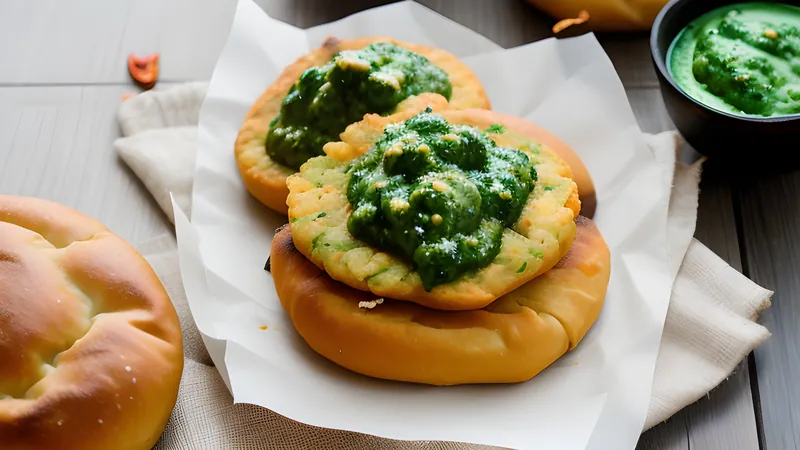
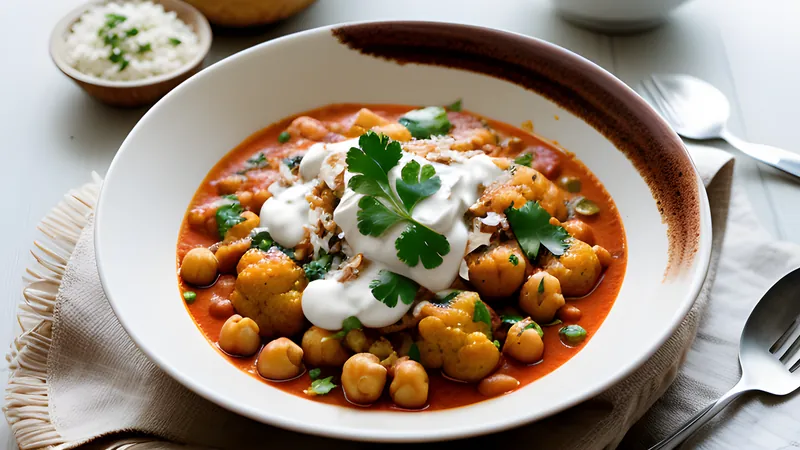
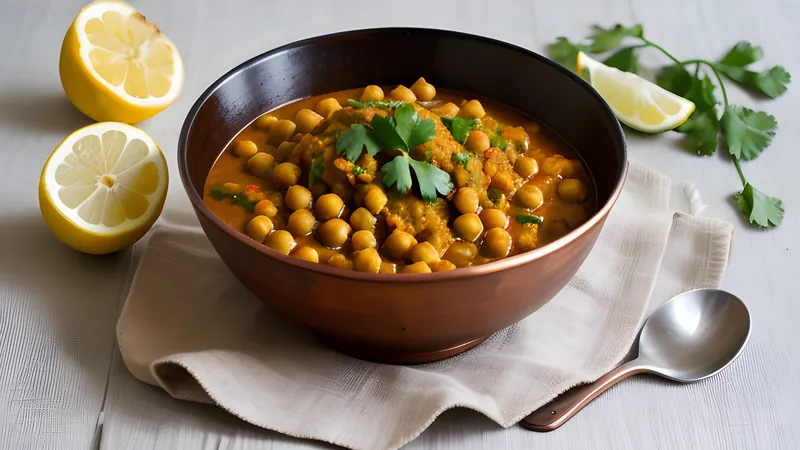
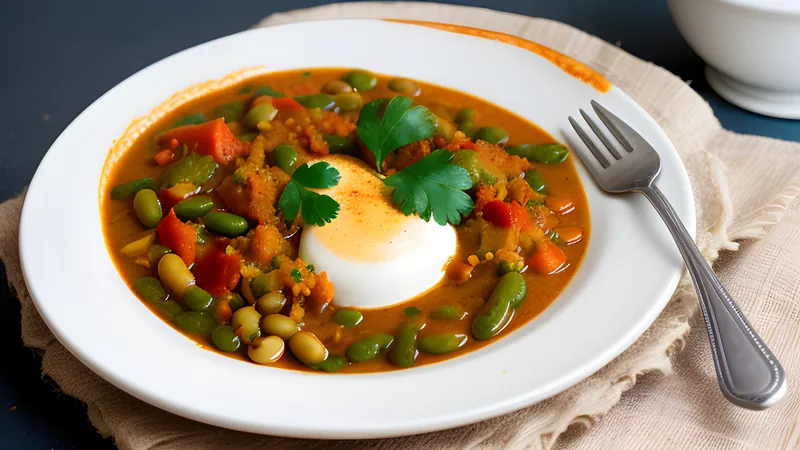
↓ Jump to recipeMisal pav is Maharashtra’s answer to the question of what to eat before a long day starts: a bowl of sprouted bean curry, drowned under a slick of ferociously spiced red oil, topped with crunchy sev and raw onion, and served with soft buttered bread for scooping. It is served for breakfast as often as lunch across Pune and Mumbai, and the whole point of it is contrast, hot against cool, crunchy against soft, fire against the plain, absorbent bread that is there specifically to survive it.
Misal Pav: Sprouted Bean Curry with Fiery Tarri
Ingredients
- 200g dried moth beans (matki), or use mung beans
- Water, for sprouting and boiling
- 0.5 tsp ground turmeric
- Salt, to taste
- 4 tbsp oil
- 2 onions, roughly chopped, divided
- 4 garlic cloves
- 2cm piece fresh ginger
- 2 tomatoes, roughly chopped
- 3 tbsp dried coconut (kopra), grated
- 3 tbsp goda masala or garam masala
- 2 tbsp Kashmiri chilli powder
- 1 tsp cumin seeds
- 1 tsp mustard seeds
- 10 curry leaves
- Pinch of asafoetida
- 500ml water, plus more to loosen
- 150g fine sev (crisp gram flour noodles), to serve
- 1 red onion, finely chopped, to serve
- 1 lime, cut into wedges, to serve
- 2 tbsp chopped coriander, to serve
- 8 pav (soft bread rolls)
- 40g butter, for the pav
Method
- Soak the moth beans in plenty of water for 8 hours or overnight, then drain and wrap in a damp cloth inside a warm, dark place for 24 hours until short white sprouts appear.
- Boil the sprouted beans in fresh water with the turmeric and a pinch of salt for 15-20 minutes until tender but not mushy; drain, reserving 300ml of the cooking water.
- Dry-roast half the chopped onion with the garlic, ginger, tomatoes and grated coconut in a small pan for 5-6 minutes until softened and lightly browned, then blend to a smooth paste.
- Heat the oil in a large pan, add the mustard seeds and let them pop, then add the cumin seeds, asafoetida and curry leaves.
- Add the remaining chopped onion and fry 6-8 minutes until deep golden brown.
- Add the blended paste and cook for 8-10 minutes, stirring often, until the oil separates at the edges.
- Stir in the goda masala and Kashmiri chilli powder, and cook for 2 minutes, adding a splash of water if it catches.
- Add the boiled sprouts, the reserved cooking water and the 500ml water, season with salt, and simmer for 15 minutes; a layer of red oil should rise to the surface, this is the tarri.
- Split and butter the pav, and toast on a hot griddle for 1-2 minutes per side until golden.
- Ladle the misal into bowls, top generously with sev, chopped red onion and coriander, and serve immediately with lime wedges and the toasted pav, so the sev stays crisp.
The Story
Misal began as a way to make sprouted, cheap legumes stretch into something that felt like a proper meal, and its heartland is Pune, though every Maharashtrian town has its own version and its own opinion about which is correct. Kolhapur’s version is famously punishing, built on a bright red tambda rassa oil that stains everything it touches; Puneri misal tends to be sweeter and gentler, often finished with a scoop of yoghurt to take the edge off. What unites every regional variant is the tarri: a layer of oil, red with chilli and infused with the ground spice paste, poured over the sprouted beans at the end so it sits visibly on top of the bowl rather than disappearing into it. The heat of a good misal is meant to be seen before it is tasted.
Pav, the soft white bread roll, is a legacy of Portuguese colonial baking that took root in Bombay’s ports and spread inland, and it has become inseparable from a whole category of Mumbai street food built around it: vada pav, pav bhaji, and misal pav among them. Its job here is entirely functional. Misal is wet, hot and intensely spiced, and pav’s soft, slightly sweet crumb is built to soak up the tarri without falling apart the way a crisper bread would.
Misal pav’s reputation as a hangover cure and an early-morning fortifier runs deep in Maharashtra; roadside misal stalls do their busiest trade before nine in the morning, feeding mill workers, students and commuters a bowl hot and cheap enough to eat standing up. Competitive claims over whose misal is the spiciest, or the most authentic, are a genuine source of local pride between Pune, Kolhapur and Nashik, each defending its own version as the real one.
Sprouting matters more than the beans themselves
Moth beans, small and olive-brown, are traditional, but the technique of sprouting them before cooking is the real point, not the specific bean. Sprouting shortens the beans’ cooking time, softens their flavour, and, importantly, adds a nutritional and textural dimension that a plain boiled pulse does not have; a properly sprouted bean holds a little bite even after boiling, rather than turning uniformly soft. Give the beans the full 24 hours to sprout in a warm spot, checking that the cloth stays damp but not waterlogged; too dry and the sprouts stall, too wet and the beans turn slimy. Mung beans sprout more reliably for a first attempt if moth beans are hard to source, and they make a perfectly good substitute. Either way, do not skip the initial soak before sprouting begins; beans that go straight into a damp cloth without first taking on water from a long soak sprout far more slowly and unevenly, stalling the whole timeline by a day or more.
Building the tarri properly
The tarri, the layer of red spiced oil that defines a good misal, depends on cooking the onion-tomato-coconut paste in enough oil, and for long enough, that the oil visibly separates and pools at the edges of the pan before you add the water. That separation is the sign the paste is properly cooked through rather than still raw, and it is what lets a distinct oil layer rise back to the surface once the liquid goes in, rather than the fat simply emulsifying into the gravy and disappearing. Goda masala, a Maharashtrian spice blend built around stone flower, dried coconut and sesame, gives a rounder, slightly sweet depth that plain garam masala does not fully replicate; it is worth seeking out from an Indian grocer if you cook Maharashtrian food more than once.
What goes on top
Farsan, the umbrella term for crisp savoury snacks like sev, belongs to the dish structurally; the crunch is part of every mouthful. A bowl of misal without a thick layer of sev is missing its main textural contrast, and most Puneri stalls pile on a mix of fine sev alongside crunchy bits of boondi or crushed farsan mixture rather than a single type. Raw onion, finely diced rather than sliced, cuts through the richness of the oil, and a squeeze of lime at the table brightens the whole bowl in a way that stirring lime in ahead of time cannot replicate, since the acidity dulls quickly once mixed into a hot curry. Some stalls also add a spoonful of plain yoghurt on request for anyone who finds the tarri too aggressive; it is a legitimate way to eat misal and not a concession, whatever purists might say about it.
What can go wrong
Under-sprouted beans are the most common early failure; if the moth beans have only just cracked and show no visible white tail, they need more time in the warm, damp cloth rather than going straight into the boiling water, since barely-sprouted beans cook unevenly and taste closer to a raw pulse than a proper sprout.
A tarri that never separates is the second problem, usually because the onion-tomato-coconut paste was rushed rather than properly cooked down; if no oil rises to the surface once the water goes in, put the pan back on a slightly higher heat for a few more minutes rather than serving it as is, since the visible oil layer is the sign the base is genuinely cooked through.
Finally, assembling the bowl too far ahead of eating ruins the dish outright. Sev goes soft within minutes of contact with hot liquid, and a misal built even ten minutes before serving arrives at the table with a soggy, collapsed topping rather than the crunch the dish depends on; keep every topping separate until the very last moment.
Misal beyond Pune and Mumbai
Nashik has its own respected style, generally milder than Kolhapur’s but still built on a properly separated tarri, and misal has become common enough across Maharashtra that dedicated misal-only restaurant chains exist purely to serve regional variations side by side for comparison. Outside India, misal pav has travelled more slowly than better-known dishes like butter chicken or biryani, largely because the dish depends so heavily on fresh sev and same-day assembly, which do not survive the compromises of a steam-table buffet the way a slow-cooked curry can. It is, as a result, still mostly found either homemade or in specifically Maharashtrian restaurants rather than on general Indian menus.
Substitutions, storage and serving
The bean curry itself keeps for up to three days in the fridge and freezes well for up to two months, but assemble the bowl only at the point of eating; sev turns soggy within minutes of hitting a hot, wet curry, and the whole appeal of the dish depends on that crunch surviving contact with the tarri. If sev is unavailable, crushed papdi or even crushed poppadoms make a reasonable, if less traditional, substitute for the crunch. The moth bean sprouting can be started up to two days before you plan to cook, since fully sprouted beans keep well in the fridge wrapped in their damp cloth; this is the part of the recipe worth planning ahead for, since the 24-hour sprouting window is the only step that cannot be rushed on the day itself.
For another Mumbai street classic built on the same soft pav, vada pav is the spiced potato fritter sandwich that shares misal’s love of chutney and chilli. And for a different Maharashtrian main built on bold spicing, the peanut-stuffed bharli vangi makes a good vegetarian pairing on the same table.
Related Content