Maqluba: The Upside-Down Rice Cake
A layered pot of spiced rice, chicken and fried aubergine, flipped at the table
Contents
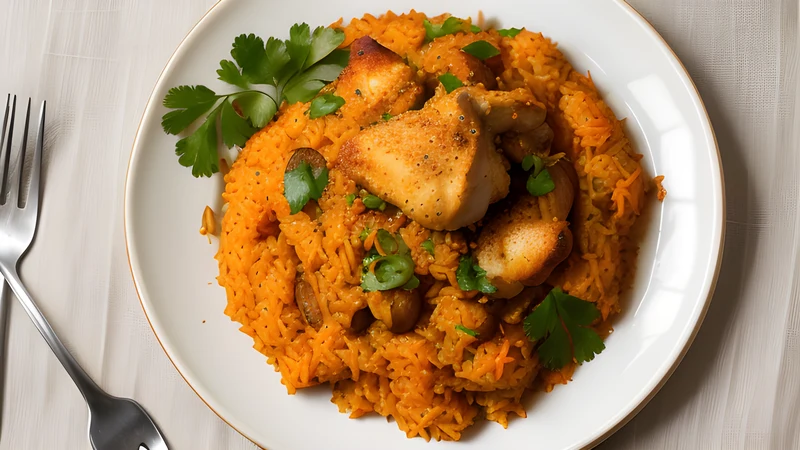
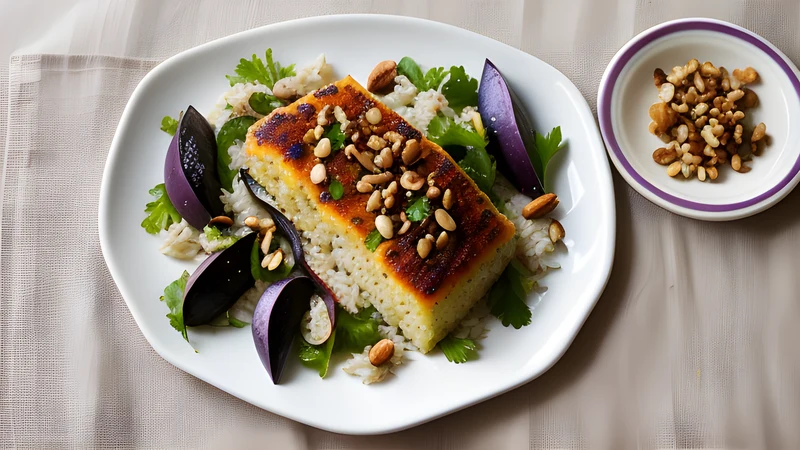
↓ Jump to recipeMaqluba means upside-down in Arabic, and the entire dish is built around a single moment of drama: the flip, when you invert a heavy pot onto a platter, lift it away, and reveal a standing cake of spiced rice crowned with glossy fried aubergine and chicken. When it works, and it works far more reliably than nervous first-timers expect, the whole table makes a noise. When it slumps, which happens, it tastes exactly as good and you serve it in scoops and no one minds. Either way it is one of the great communal dishes of the Levant, the sort of thing a Palestinian grandmother makes for a Friday gathering, and it deserves to be far better known outside the region.
Maqluba: The Upside-Down Rice Cake
Ingredients
- 1kg bone-in chicken thighs and drumsticks
- 1 onion, halved
- 2 bay leaves
- 5 cardamom pods, bruised
- 1 cinnamon stick
- 1 tsp whole black peppercorns
- Salt
- 2 large aubergines, sliced 1.5cm thick
- 1 small cauliflower, cut into florets
- Neutral oil, for frying
- 500g basmati rice
- 2 tsp ground allspice
- 1 tsp ground cinnamon
- 1/2 tsp ground turmeric
- 1/4 tsp ground cardamom
- 1/4 tsp ground black pepper
- 3 tomatoes, sliced (optional, for the base layer)
- 50g flaked almonds, toasted, to garnish
- Handful parsley, chopped, to garnish
- Natural yoghurt or a cucumber-yoghurt salad, to serve
Method
- Rinse the rice in several changes of cold water until it runs clear, then soak in fresh water for 30 minutes while you prepare everything else. Drain well before using.
- Poach the chicken: put the chicken, halved onion, bay, cardamom pods, cinnamon stick, peppercorns and 1 tbsp salt in a pot. Cover with water, bring to a simmer and cook 25 minutes. Lift out the chicken and reserve the strained stock, you need about 750ml.
- Fry the vegetables: heat 1cm oil in a frying pan and fry the aubergine slices until deep golden and soft on both sides; drain on paper. Fry the cauliflower florets until browned in patches; drain.
- Season the drained rice with the allspice, cinnamon, turmeric, ground cardamom, black pepper and 1.5 tsp salt, tossing to coat every grain.
- Build the pot: drizzle a little oil in the base of a heavy, wide pot. Lay the tomato slices (if using) then the fried aubergine over the bottom and slightly up the sides, this becomes the top when flipped. Arrange the chicken pieces on top, then the cauliflower, then pour in the seasoned rice and level it.
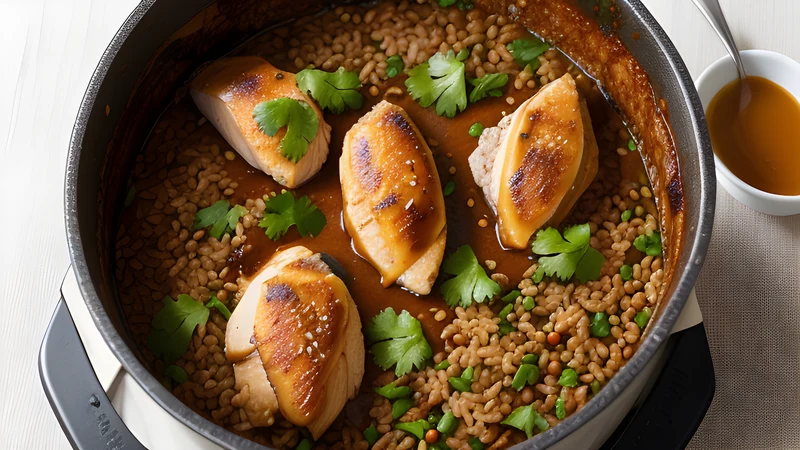
- Pour the hot reserved stock gently down the side until it sits about 1.5cm above the rice. Bring to a boil, then cover and cook on the lowest heat for 40-45 minutes, until the rice is tender and the liquid absorbed.
- Rest the covered pot off the heat for 15 minutes, this is essential for a clean flip. Run a knife around the edge.
- Flip: place a large platter over the pot, hold both firmly, and invert in one confident motion. Leave the pot in place a minute, then lift it away. Garnish with toasted almonds and parsley and serve with yoghurt.
A dish with a documented history
Maqluba is Palestinian at heart, though beloved across Jordan, Syria and Lebanon too, and unusually for a home dish it has a paper trail. A version of it appears in a thirteenth-century Arabic cookbook, the Kitab al-Tabikh compiled by al-Baghdadi, which describes a similarly layered and inverted rice dish. That makes maqluba one of the oldest continuously cooked recipes in the Middle Eastern repertoire, a genuine medieval survivor that has been refined over eight centuries into the version families cook today.
Its structure tells you something about how it was meant to be eaten: a single pot that feeds a crowd, layering an inexpensive quantity of meat with vegetables and a large amount of rice so that everyone eats well. This is festive food built on frugal principles, the same logic that underlies ouzi and the great rice dishes of the Gulf like machboos. What sets maqluba apart is the theatre of the reveal, which turns a humble pot of rice into an occasion.
There is a story, often repeated, that Saladin’s soldiers ate an inverted rice pot after the liberation of Jerusalem, and that the name stuck from a soldier’s joke about the topsy-turvy pot. It is almost certainly folklore rather than history, but it captures the affection Palestinians hold for the dish, and the way it has come to stand for home itself among the diaspora. For families displaced from villages they can no longer visit, maqluba is a portable homeland, the pot that gets flipped at every wedding, funeral wake and Eid table wherever they have settled.
The building blocks
Three things go into the pot: chicken (lamb is the other classic choice), fried vegetables, and spiced rice, and each needs its own preparation before assembly.
The chicken is poached first with whole aromatics, bay, cardamom, cinnamon, peppercorns and onion, which does two jobs. It part-cooks the meat so it finishes perfectly in the pot rather than overcooking, and it gives you the fragrant stock that will cook the rice. That stock is the flavour foundation of the whole dish, so season the poaching water properly and taste it before you use it. If it tastes thin, reduce it hard for ten minutes to concentrate it; the rice can only be as good as the liquid it drinks.
The vegetables go into the pot fried until deep gold and soft. Traditionally aubergine and cauliflower, sometimes with potato or carrot, they are fried until the edges colour and the flesh collapses. This matters for two reasons: frying gives them the sweetness and richness that stands up to the mound of rice, and it firms their edges so they hold their shape and colour when the pot is flipped. The aubergine, being the prettiest, lines the bottom of the pot so it ends up on top, the crowning layer of the finished cake. Salt the aubergine slices and leave them to weep for twenty minutes before frying if you have time; it draws out moisture so they drink less oil and fry to a cleaner gold.
The rice is basmati, rinsed until the water runs clear and soaked so it cooks to separate, fluffy grains, then tossed in a warm spice mix built on allspice and cinnamon, the signature Palestinian rice seasoning. Coat every grain before it goes in the pot. Some cooks use short-grain Egyptian or Calrose rice for a stickier, more cohesive cake that holds its shape more readily when flipped; basmati gives a lighter, more separate result and is the choice here.
Layering the pot
The order of the layers is the reverse of how the dish will look, because you are building it upside down. A little oil in the base, then the tomato and aubergine, which will become the top. Then the chicken pieces, then the cauliflower and any other vegetables, then the seasoned rice poured over and levelled. Pour the hot stock gently down the side of the pot so you do not disturb the arrangement, until it sits about a centimetre and a half above the rice.
Use a heavy, wide pot with a good lid, because even, gentle heat is what cooks the rice through without scorching the bottom, which will become your exposed top. A wider pot gives you a shallower, more stable cake that flips cleanly; a tall narrow pot builds an impressive tower that is far more likely to slump. Bring it to a boil, then drop to the very lowest heat and cover. Do not stir, do not lift the lid, just let it steam for forty to forty-five minutes until the rice is tender and has drunk all the liquid. A heat diffuser under the pot is cheap insurance against a caught base if your hob runs hot.
The rest and the flip
Here is the single most important instruction in this recipe: rest the pot, covered and off the heat, for a full fifteen minutes before you flip it. This lets the rice settle and firm up so the whole thing holds together as a cake. Skip the rest and you flip a loose, collapsing mound. Run a knife around the edge to release any stuck rice.
To flip, set a large flat platter, bigger than the pot, upside down over the top. Hold the platter and pot together firmly with both hands (oven gloves, the pot is hot), and in one smooth, confident motion invert the whole thing so the platter is on the bottom. Set it down, leave the pot sitting in place for a minute so gravity does its work, then slowly lift the pot straight up. If a bit of vegetable sticks to the bottom of the pot, just lift it off and press it back onto the cake. Confidence is the trick, a hesitant, wobbling flip is what causes collapses. Many cooks give the upturned pot a few firm taps on the base with a wooden spoon before lifting, a small ritual that seems to help everything drop cleanly.
One quiet reward of a well-made maqluba is the base, which becomes the top. Because the aubergine and a little oil sit against the metal on the lowest heat for the best part of an hour, they take on a caramelised, faintly crisp edge, the maqluba equivalent of the prized tahdig crust in Persian rice. Chase a gentle browning there rather than a hard crust that risks a scorched pot; that light caramelisation is a mark of the dish done well, and it is the first thing an experienced cook looks for when the pot comes away.
The almonds deserve a word too. Toast the flaked almonds slowly in a dry pan until they are an even pale gold and smell of biscuit, then tip them straight out of the hot pan so they stop cooking; nuts left to coast in a warm pan tip over into bitter within a minute. Pine nuts fried in a little butter until bronzed are the more luxurious choice for a wedding maqluba, and a scatter of both is never wrong.
Regional and vegetarian variations
Maqluba is a template as much as a fixed recipe. A lamb version, using diced shoulder or shanks browned and braised until tender, gives a deeper, more festive result and is the Friday-lunch choice in many households. Some cooks slip in fried potato slices as an extra layer, or swap the cauliflower for carrots and green beans. The Jordanian and Syrian versions run much the same, though the exact spice balance shifts from kitchen to kitchen; a little baharat or a pinch of dried lime is a common personal signature.
A vegetarian maqluba is genuinely excellent and no compromise. Drop the chicken, use a well-seasoned vegetable stock, and build the pot from fried aubergine, cauliflower, potato and courgette, adding a handful of soaked chickpeas among the layers for substance. The spiced rice carries it, and the mix of fried vegetables gives more than enough richness that the meat is never missed.
Serving, sides and troubleshooting
Scatter the top with toasted flaked almonds or pine nuts and chopped parsley. Maqluba is always served with something cool and tart alongside, either plain yoghurt or a cucumber, yoghurt and mint salad, whose sharpness cuts the richness of the fried vegetables and spiced rice. A simple chopped tomato and cucumber salad is welcome too, as is a bowl of the thin garlicky yoghurt drink shaneeneh on a hot day.
If the flip fails and the cake slumps, do not despair, the cake is still delicious and you simply serve it as a spiced rice pilaf with the chicken and vegetables mixed through. The most common causes of a poor flip are not resting the pot long enough, using too much liquid so the rice is wet, or a base that caught and stuck. If the rice is undercooked when you check it, add a splash more hot stock, cover, and give it another ten minutes on low. If the bottom scorched, resist the urge to scrape it into the dish; that bitterness spreads through everything.
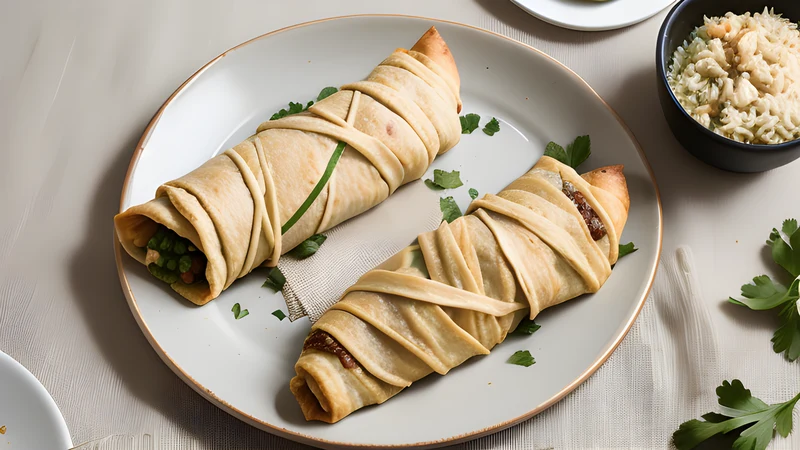
Maqluba reheats well, covered, in a low oven, though it will not stand up as a cake the second time; treat leftovers as a pilaf. Make it for a table of people, do the flip in front of them, and accept the applause or the laughter with equal grace. For another Levantine rice centrepiece to build your repertoire, the pastry-wrapped ouzi is the natural next dish, and the chickpea comfort of fattet hummus makes a fine starter.
Related Content