Mandazi: The Cardamom and Coconut Doughnut
Swahili coast breakfast, fried in triangles and dunked in chai
Contents
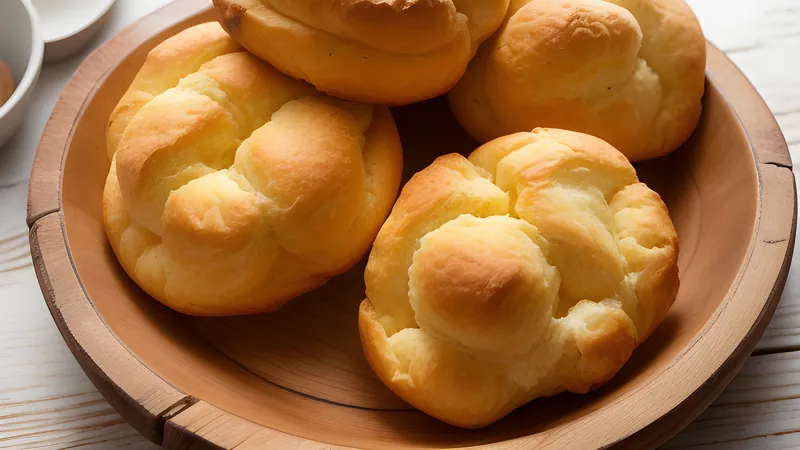
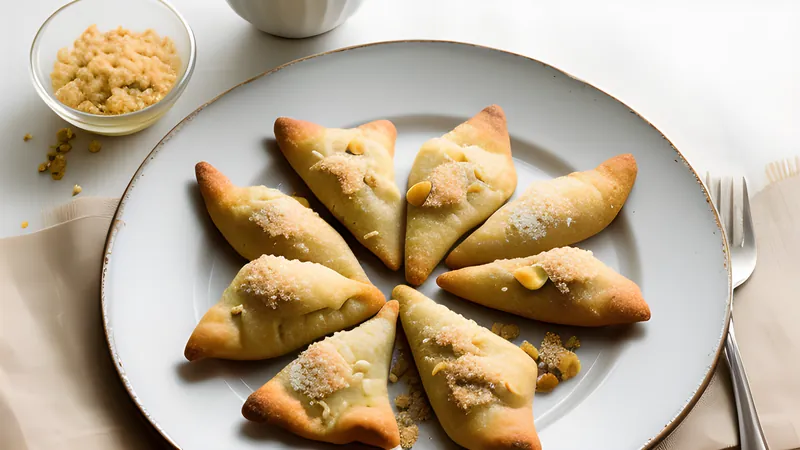
↓ Jump to recipeAlong the Swahili coast — Mombasa, Zanzibar, Lamu, and the strip of East Africa shaped for centuries by trade across the Indian Ocean — breakfast usually means mandazi and chai. A plate of golden, faintly sweet, coconut-scented triangles of fried dough, and a mug of milky tea heavy with cardamom, cinnamon and ginger. Torn off in pieces and dunked into the hot tea until they soften slightly at the edges, mandazi is one of the clearest edible traces of the coast’s long history as a meeting point of African, Arab and South Asian cooking.
Mandazi: The Cardamom and Coconut Doughnut
Ingredients
- 500g plain flour, plus more for dusting
- 80g caster sugar
- 2 teaspoons ground cardamom
- 1 teaspoon fine salt
- 2 teaspoons instant yeast
- 250ml coconut milk, warmed to lukewarm
- 60ml water, warmed to lukewarm
- 40g unsalted butter, melted
- 1 egg, beaten
- Vegetable oil, for deep-frying (about 1 litre)
Method
- In a large bowl, whisk together the flour, sugar, cardamom, salt and yeast.
- Make a well in the centre and add the warm coconut milk, warm water, melted butter and beaten egg.
- Mix to a shaggy dough, then turn out and knead for 8-10 minutes until smooth, soft and slightly elastic.
- Place in a lightly oiled bowl, cover, and leave to rise in a warm place for 90 minutes, until roughly doubled.
- Knock back the dough and divide into two portions. Roll each portion out on a floured surface to about 1cm thickness.
- Cut each round into 8 triangles using a sharp knife or pizza cutter.
- Cover the triangles loosely and leave to rest and puff slightly for 20 minutes.
- Heat the oil in a deep, heavy pot to 170C (340F).
- Fry the mandazi in batches of 3-4, turning once, for 3-4 minutes per side, until deep golden brown and cooked through.
- Drain on kitchen paper and serve warm, plain or dusted with a little extra sugar, alongside spiced chai.
Coconut milk, not just coconut flavour
What separates mandazi from a generic fried dough is coconut milk worked directly into the dough itself, not just a garnish or a dipping sauce on the side. The coconut milk does double duty: it adds genuine richness and a faint sweetness that plain water or dairy milk wouldn’t, and its fat content helps keep the finished dough tender rather than dense, since fat inhibits some of the gluten development that would otherwise make the dough tougher and chewier after frying.
Full-fat tinned coconut milk, warmed gently before mixing so it doesn’t shock the yeast with cold liquid, gives the richest result. Reduced-fat versions work but produce a slightly less tender crumb — worth knowing if you’re choosing between tins at the shop and want the closest result to how mandazi is made along the coast itself.
Cardamom is not optional
Ask a Kenyan or Tanzanian cook what makes mandazi taste like mandazi, and cardamom comes up before sugar, before coconut, before almost anything else. It’s worked into the dough itself rather than dusted on afterward, and the quantity here — two full teaspoons across a 500g flour batch — is deliberately generous, because a shy hand with cardamom is one of the most common ways an otherwise well-made batch of mandazi ends up tasting like a plain doughnut rather than the real thing.
Freshly ground cardamom, from whole pods cracked and the seeds ground in a spice grinder or with a mortar and pestle, makes a genuinely noticeable difference over pre-ground cardamom, which loses its aromatic oils to the air within a few months of grinding. If you only have pre-ground on hand, use it, but consider it a slightly muted version of the real thing.
The dough, the shape, and why triangles
Mandazi dough is enriched — egg, butter, sugar, coconut milk — closer to a brioche or a doughnut dough than to a lean bread dough, and it’s yeasted rather than chemically leavened, which is what gives it the slight chew and the ability to develop real flavour over its ninety-minute rise. Kneading it for a full eight to ten minutes matters more than it might seem for a dough that’s ultimately going to be deep-fried rather than baked; proper gluten development is what keeps the finished mandazi from collapsing into a dense, oily lump the moment it hits hot oil.
The triangular shape is the most traditional cut, made simply by rolling the dough into rounds and cutting each into eight wedges, though square or diamond shapes are just as common depending on the household or region. What matters more than the exact geometry is an even thickness across each piece — roughly a centimetre — so every triangle fries through at the same rate rather than some pieces browning on the outside while staying doughy in the centre.
Frying at the right temperature
170C is the sweet spot for mandazi: hot enough that the dough starts sealing and puffing within the first thirty seconds, which stops it absorbing excess oil, but not so hot that the outside browns before the inside has had time to cook through. Oil that’s too cool produces pale, greasy mandazi that never develops a proper crust; oil that’s too hot browns the outside in under a minute while leaving a raw, doughy centre, which is arguably the single most common failure home cooks report with any deep-fried yeasted dough.
A cooking thermometer takes the guesswork out of this, but if you don’t have one, drop a small offcut of dough into the oil: it should sink briefly, rise back to the surface within a few seconds, and start bubbling and colouring steadily rather than instantly scorching.
Serving it with chai
Mandazi’s whole identity is built around being eaten alongside spiced East African chai — black tea brewed strong with milk, cardamom, cinnamon, ginger and often a clove or two, sweetened generously. The mandazi itself is only mildly sweet by design, since the intended experience is dunking a piece into the hot, heavily spiced tea and letting the two flavours combine, rather than eating a fully sweet doughnut on its own. Serving mandazi with unsweetened coffee or plain black tea misses part of the point; the spiced chai isn’t a garnish so much as the other half of the dish.
Substitutions
If coconut milk isn’t available, whole dairy milk works as a substitute, though the result loses the characteristic richness and faint sweetness that coconut milk provides — adding an extra tablespoon of melted butter helps compensate for some of that lost richness. Ground cinnamon or a mix of cinnamon and nutmeg can stand in for cardamom in a pinch, though neither replicates cardamom’s specific citrusy, slightly resinous flavour, and most coastal East African cooks would consider the substitution a genuinely different dish rather than a minor variation.
Some households add a small amount of desiccated coconut directly into the dough alongside the coconut milk, for extra texture and a more pronounced coconut flavour — a legitimate variation rather than a departure from tradition, and worth trying if you want a chewier, more textured mandazi.
Variations
Zanzibari mandazi is often made slightly sweeter and richer than mainland Kenyan versions, sometimes with the addition of a small amount of ground nutmeg alongside the cardamom, and occasionally coloured lightly with a pinch of turmeric or saffron for special occasions. A savoury adjacent snack, sometimes called kaimati or maandazi ya sukari depending on the region, drops the enrichment further and adds a sugar syrup soak after frying, similar in spirit to the sugar-syrup doughnuts found across South Asia and the Middle East — a reminder of how porous the boundary is between mandazi and its wider Indian Ocean relatives.
A quicker, chemically leavened version using baking powder instead of yeast is common for households that want mandazi without the wait — it’s faster and easier but produces a noticeably denser, less flavourful result, since the yeast’s slow fermentation is what develops much of the dough’s depth over that ninety-minute rise. Purists tend to consider the yeasted version the only proper mandazi, though the baking-powder shortcut remains widely used on busy mornings.
Storage
Mandazi keeps at room temperature in an airtight container for two days, though it’s genuinely best eaten the day it’s made, while the crust is still slightly crisp. Refrigerated, it keeps for up to five days, but the texture firms up noticeably; a brief warm-through in a low oven revives it better than a microwave, which tends to make the crust go soft and slightly rubbery. It freezes well for up to two months — freeze in a single layer before bagging, and reheat directly from frozen in a low oven rather than defrosting first.
A dish that traces the Indian Ocean trade
Mandazi’s ingredient list reads almost like a map of centuries of Indian Ocean commerce: coconut, native to the East African coast and the wider tropical belt it trades with; cardamom, brought west from South Asia along the same monsoon trade winds that carried Omani and Gujarati merchants to Swahili ports for over a thousand years; wheat flour and refined sugar, introduced through colonial and Arab trading networks that reshaped Swahili coast cooking well before European colonisation entered the picture. The dish’s closest relatives elsewhere in the Indian Ocean world make the connection explicit — Indian mithai shops sell a very similar fried, cardamom-scented dough, and versions of mandazi under different names turn up across coastal Tanzania, the Comoros, and parts of Mozambique, wherever Swahili and Indian Ocean trading culture left a lasting culinary footprint.
This layered heritage is part of why mandazi resists being claimed too narrowly by any single country. Kenya, Tanzania (particularly Zanzibar, where some of the most highly regarded mandazi is made) and Uganda all claim strong mandazi traditions, and arguing over whose version is more “authentic” tends to miss that the dish itself emerged from centuries of coastal exchange rather than from any single inland culinary tradition.
Common mistakes
Rushing the rise is the most frequent error — a dough that’s only had thirty or forty minutes rather than the full ninety hasn’t developed enough structure, and the finished mandazi comes out dense and heavy rather than light. Warm coconut milk and a genuinely warm spot for the dough to rise (near a warm oven, or in an oven with just the light on) both help keep the timing on track, especially in a cool kitchen.
Frying at too high a temperature to save time is the second common mistake, covered above but worth restating: a batch of mandazi that browns in under ninety seconds per side is almost certainly underdone in the centre no matter how good it looks from the outside. Slower and steadier, even if it means standing at the stove a few extra minutes per batch, gives a far more reliable result.
Rolling the dough unevenly is the third: any triangle noticeably thinner than its neighbours will fry through and brown faster, and pulling the whole batch out together means either overcooking the thin pieces or undercooking the thick ones. A rolling pin and a genuine effort at consistent thickness across the whole sheet of dough pays off once everything hits the fryer.
Related on the site
Mandazi is the breakfast counterpart to nyama choma, Kenya’s charcoal-grilled goat, in the sense that both anchor major East African eating rituals at opposite ends of the day. For the rice dish that shares mandazi’s coastal, spice-trade-influenced Swahili heritage, pilau, Zanzibar’s spiced rice with beef, draws on many of the same warming spices worked into a savoury rather than sweet dish. And for the soup that rounds out the coastal Swahili repertoire, urojo, the Zanzibar mix soup, is worth exploring as another dish shaped by the same centuries of Indian Ocean trade that gave mandazi its cardamom and coconut.
Related Content