Machboos: The Bahraini Spiced Rice
Chicken, dried lime and a rice pot that smells of the whole Gulf
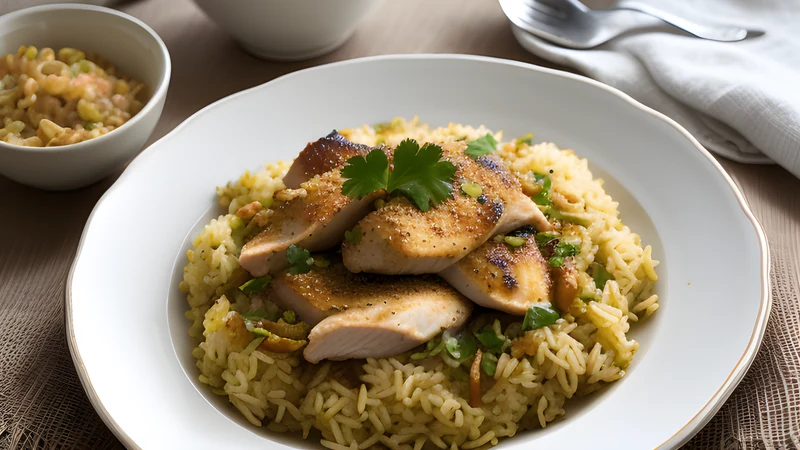
Contents
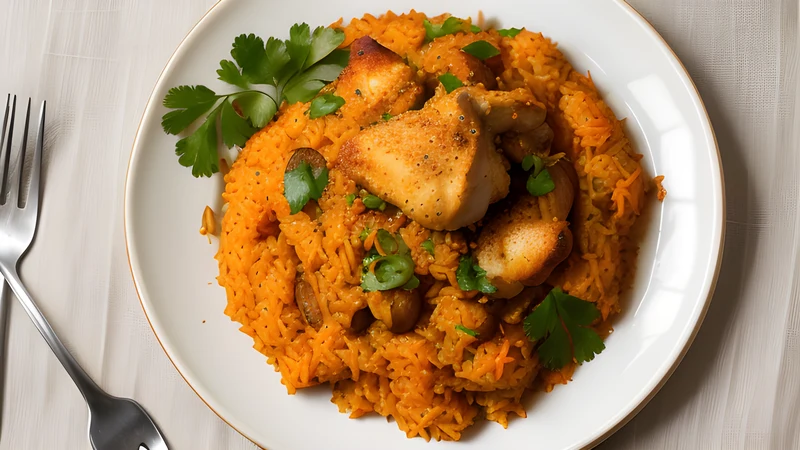
↓ Jump to recipeThere is a moment, about forty minutes into making machboos, when you lift the lid to add the rice and the kitchen fills with a smell that is unmistakably the Gulf: baharat and dried lime, softened onion, chicken broth going golden with turmeric. It is one of the great cooking smells, and it explains in a single breath why this dish is the everyday centre of the Bahraini table, cooked more often than any restaurant grand mixed grill and loved more deeply.
Machboos: The Bahraini Spiced Rice
Ingredients
- 1.2kg bone-in chicken, cut into 8 pieces
- 400g basmati rice
- 3 large onions, 2 sliced and 1 finely chopped
- 4 garlic cloves, grated
- 20g fresh ginger, grated
- 2 tomatoes, chopped
- 3 dried limes (loomi), pierced twice each
- 2 tbsp baharat (Gulf seven-spice)
- 1/2 tsp ground turmeric
- 1/4 tsp ground cardamom
- 1 cinnamon stick
- 4 whole cloves
- 2 green chillies, slit
- Small bunch coriander, chopped
- 60ml vegetable oil, plus more for frying onions
- 2 tsp salt, plus more to taste
- 1 tbsp rosewater (optional)
- Large pinch saffron, steeped in 2 tbsp warm water
Method
- Rinse the basmati in several changes of cold water until it runs clear, then soak in fresh cold water for 20 minutes and drain.
- Deep-fry the 2 sliced onions in oil over medium heat, stirring, until deep golden brown and crisp. Lift onto kitchen paper and reserve for the top.
- In a large heavy pot, heat 60ml oil and soften the chopped onion. Add garlic and ginger for 1 minute, then the baharat, turmeric, cardamom, cinnamon stick and cloves. Stir for 30 seconds until fragrant.
- Add the chicken and brown lightly on all sides. Stir in the tomatoes, pierced dried limes, green chillies and 2 tsp salt. Add 900ml water, bring to a boil, then cover and simmer 30 minutes until the chicken is tender.
- Lift out the chicken pieces. Measure the broth: you need about 700ml for the rice; top up with water or reduce if needed. Return the broth to the pot and bring to a rolling boil.
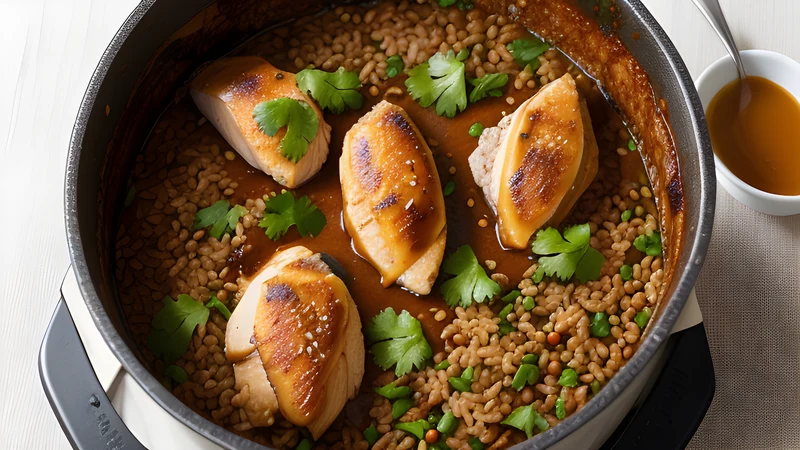
- Stir the drained rice into the boiling broth. Boil uncovered 5 minutes, then nestle the chicken back on top, drizzle over the saffron water and rosewater, cover tightly, and steam on the lowest heat 25 minutes.
- Rest 10 minutes off the heat. Fork through gently, pile onto a platter, and scatter with the crisp fried onions and fresh coriander.
A national dish with borrowed relatives
Machboos — sometimes spelled makbous or majboos — is the national dish of Bahrain and a staple across Kuwait, Qatar and the eastern provinces of Saudi Arabia. The name comes from an Arabic root meaning to press or compress, a nod to the way the rice and meat are cooked together in one covered pot so the grains take on everything the meat and spices give off. It belongs to the great family of spiced one-pot rice dishes that runs from the biryanis of the subcontinent through the Persian polow to the kabsa of Saudi Arabia, all of them cousins, all of them shaped by the same monsoon trade routes that carried rice, spice and technique back and forth across the Indian Ocean for centuries.
Bahrain sat squarely on those routes. Its pearl divers and merchants moved between India, Persia and East Africa, and the food records the traffic. The basmati is Indian. The technique of parboiling then steaming rice is Persian. The dried limes are a Gulf and Persian obsession. And the baharat spice blend that flavours it — a warm mix of black pepper, cumin, coriander, cinnamon, clove, cardamom and often dried rose — is the local signature. Put them together in one pot and you have a dish that could only have come from where it did.
Dried lime is not optional
If there is one ingredient that separates a real machboos from a generic spiced rice, it is loomi: whole limes that have been boiled in brine and dried in the sun until they are hard, hollow and black inside. They carry a flavour that is sour, fermented and faintly bitter all at once, a musky tang that no fresh citrus can replicate. Pierce each one a couple of times so the broth can get inside, and drop them in whole to simmer with the chicken. They will soften and darken the liquid, releasing that distinctive sourness that cuts straight through the richness of the meat and the warmth of the spice.
You can find loomi in Middle Eastern shops, whole or ground. I prefer whole, because the ground powder can turn a dish muddy and bitter if you are heavy-handed. If you genuinely cannot get them, a strip of lemon peel plus a squeeze of juice at the end will gesture in the right direction, but it is a substitution you will taste, and not for the better.
The rice, and the fear of stickiness
Good machboos means separate, glossy grains, each one long and distinct. Two habits guarantee it. First, rinse the basmati until the water runs clear — you are washing off the surface starch that would otherwise glue the grains together — and then soak it for twenty minutes so the grains hydrate and cook evenly without splitting. Second, respect the ratio of liquid to rice. After the chicken has simmered, you measure the broth and set aside roughly 700ml for 400g of rice: enough to cook the grains and no more, so the pot finishes dry and fluffy rather than wet.
The method itself is the classic two-stage Gulf approach. You boil the rice in the seasoned broth for a few minutes so it swells and takes on the flavour, then you cover it tightly and drop the heat to its lowest setting so the grains finish steaming in their own trapped vapour. That final steam is what gives you distinct grains rather than a claggy mass. Resist lifting the lid during it; you want the steam to stay in the pot doing its work.
Building the flavour
Everything starts with the onions, and machboos uses them twice. Finely chopped onion goes into the base to soften and sweeten the broth. Sliced onion is deep-fried separately until dark, crisp and almost caramel-bitter, then piled on top at the end for texture and a hit of concentrated sweetness. Do not rush the fried onions — take them well past golden to a proper deep brown, watching closely at the end because they turn from perfect to burnt in seconds.
The spice base is bloomed in oil before the chicken goes in, which wakes the ground spices up and stops them tasting raw and dusty. Then the chicken browns just enough to add colour, the tomatoes and dried limes go in, and it all simmers together until the meat is tender and the broth is loaded with flavour. Saffron steeped in warm water and a whisper of rosewater, added when the rice goes back on to steam, give the classic Gulf perfume — floral, golden, unmistakable. Both are optional, but they are the difference between a good machboos and a feast-day one.
Method, walked through
Wash and soak your rice while you fry the sliced onions to a deep brown and drain them on paper. In a big pot, soften the chopped onion in oil, add garlic and ginger, then bloom the baharat and whole spices for half a minute. Brown the chicken in that fragrant base, add tomatoes, the pierced dried limes, chillies and salt, then 900ml of water. Cover and simmer for half an hour until the chicken is cooked through and giving up its flavour.
Lift the chicken out and measure your broth — you want about 700ml, so top up or boil down as needed. Bring it back to a rolling boil, stir in the drained rice, and let it boil uncovered for five minutes. Settle the chicken back on top, drizzle over the saffron and rosewater, clamp the lid on, and steam on the lowest heat for twenty-five minutes. Rest it, lid on, for ten more, then fork it through, pile it high on a platter, and crown it with the fried onions and a shower of coriander.
What goes into baharat, and why it matters
Baharat simply means “spices” in Arabic, and every Gulf household guards its own blend the way an Italian family guards a ragù. A Bahraini baharat usually turns on black pepper and cumin for the savoury base, with coriander seed, cinnamon, clove and cardamom for warmth, and very often dried Omani lime and dried rose petals ground into the mix for that unmistakable floral-sour lift. Some cooks add a little nutmeg or dried ginger. The point of buying whole spices and grinding your own, even occasionally, is freshness: pre-ground blends sitting on a shop shelf lose their top notes fast, and machboos is a dish where the spice is the whole personality. If you make a jar, toast the whole spices gently before grinding and keep it airtight away from light, and it will carry three or four pots before it fades.
The dish also rewards understanding its cousins, because the Gulf is criss-crossed with near-identical rice pots under different names. Saudi kabsa is essentially the same idea with its own spice accent and often a tomato-heavier base. Emirati and Qatari majboos are spelling-and-dialect variants of the same word. Kuwaiti cooks make it much as Bahrainis do, and the Yemeni kitchen runs a parallel tradition with its own smoky heat. Knowing this frees you: once the two-stage method is in your hands, you can nudge the spicing toward any of them.
Hamees, the prize at the bottom
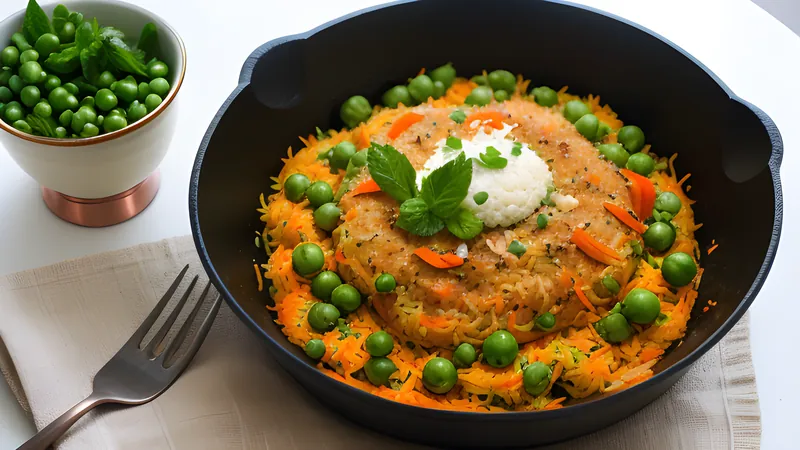
There is one detail that Gulf cooks prize and newcomers often miss: hamees, the layer of golden, lightly crisped rice that forms at the base of the pot during the final steam, close kin to the Persian tahdig. Far from a mistake to be scraped away, it is the best bit, faintly toasted and chewy, fought over at the table. To coax it, give the covered pot a final two or three minutes over slightly higher heat right at the end of the steam, listening for a gentle crackle, then rest it off the heat. A well-seasoned heavy pot or a smear of extra oil on the base before the rice goes back in helps the crust form cleanly and lift in sheets. If your hob runs fierce, a heat diffuser keeps that bottom layer on the right side of toasted so it colours without catching and turning acrid.
Tips, storage and variations
The commonest failure is wet, heavy rice, and it almost always comes from too much liquid. Measure the broth rather than guessing, and if in doubt use slightly less — you can always steam a little longer. Burnt-tasting rice at the bottom usually means the heat was too high during the steam; a heat diffuser under the pot helps on a fierce hob.
Machboos reheats well; sprinkle over a little water and warm it covered so it steams rather than fries. It keeps three days in the fridge. Serve it the Bahraini way with daqoos, a quick sauce of blitzed tomato, garlic and chilli simmered for ten minutes, spooned over each plate to add moisture and heat.
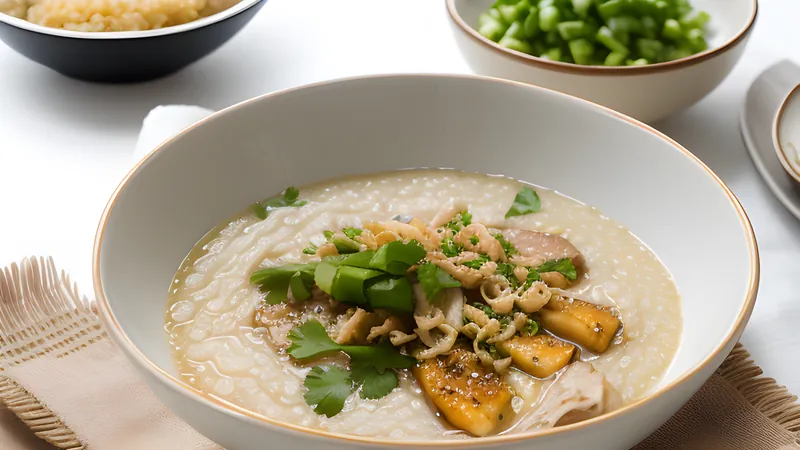
The template is endlessly adaptable. Swap the chicken for bone-in lamb and extend the simmer to an hour and a half for machboos laham. Prawns make a lighter seafood version popular on the coast. If you enjoy this style of slow, spiced one-pot cooking, the saffron lamb of zurbian is a close cousin, the wheat porridge harees shares the same Ramadan table, and the layered Levantine maqluba plays the same one-pot trick from a different direction.
Make machboos once and it earns a permanent place in the rotation. It is generous, forgiving of the cook’s schedule, and it fills the house with a smell that people will follow to the kitchen.
Related Content