Lumpia Shanghai: Thin Pork Rolls Fried Crisp
The party spring roll every Filipino kitchen keeps in the freezer
Contents
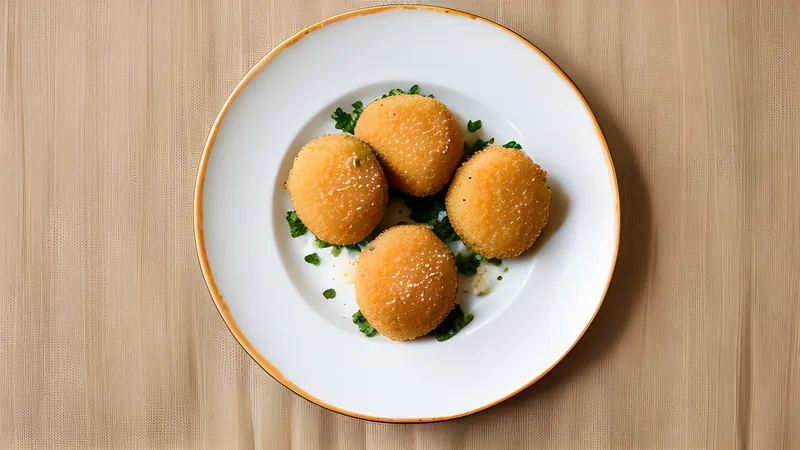
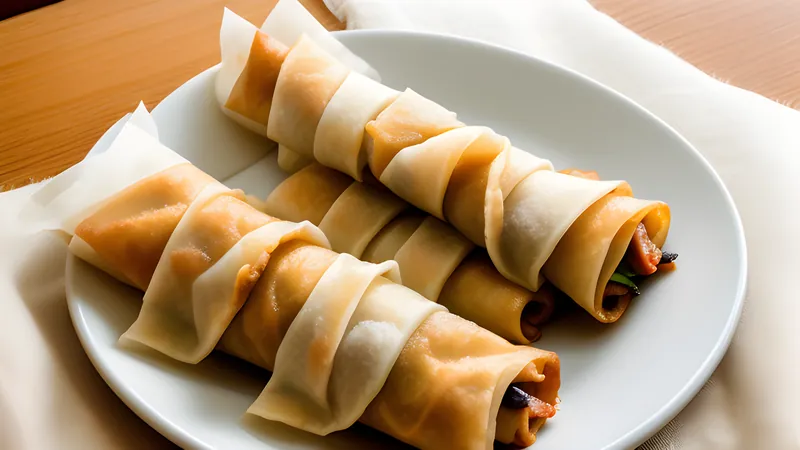
↓ Jump to recipeEvery Filipino household has an opinion about lumpia Shanghai, and almost none of those opinions involve the actual city of Shanghai. The rolls have no documented connection to it — the name is generally taken as a flourish, a way of signalling something a little finer than the everyday, in the same way a diner might once have called a dish “continental” without meaning anything geographically specific. What lumpia Shanghai actually is: a thin, tightly rolled, deep-fried pork spring roll, rolled thinner and packed denser than most other lumpia in the Filipino repertoire, built to be eaten in two bites and to disappear from a party tray faster than almost anything else on the table.
Lumpia Shanghai: Thin Pork Rolls Fried Crisp
Ingredients
- 500g minced pork (20% fat)
- 1 large carrot, finely grated
- 4 water chestnuts, finely diced
- 3 spring onions, finely chopped
- 4 cloves garlic, minced
- 1 small onion, finely chopped
- 1 egg
- 2 tbsp soy sauce
- 1 tbsp fish sauce
- 1 tsp ground black pepper
- 1 tsp salt
- 35 spring roll wrappers (lumpia wrappers, thawed if frozen)
- 1 egg white, beaten, for sealing
- 1 litre neutral oil, for frying
- sweet chilli sauce or banana ketchup, to serve
Method
- In a large bowl, combine the minced pork, grated carrot, water chestnuts, spring onion, garlic and onion.
- Add the egg, soy sauce, fish sauce, black pepper and salt. Mix thoroughly with your hands until evenly combined and slightly sticky.
- Lay a wrapper on a clean surface in a diamond orientation. Place 1½ tablespoons of filling in a line near the bottom corner.
- Fold the bottom corner over the filling, then fold in the two side corners, and roll tightly away from you into a thin cigar shape, sealing the final edge with a dab of beaten egg white.
- Repeat with the remaining wrappers and filling, keeping finished rolls covered with a damp cloth so they don't dry out.
- Heat the oil in a wok or deep pan to 170°C. Fry the rolls in batches of 6–8, turning occasionally, until deep golden and crisp, about 4–5 minutes per batch.
- Drain on a wire rack or kitchen paper. Let cool for 2 minutes before serving — the filling is very hot straight from the oil.
- Serve immediately with sweet chilli sauce or banana ketchup for dipping.
Chinese roots, Filipino table
Lumpia in all its forms — fresh, fried, thick, thin — traces back to the Hokkien Chinese communities that settled across the Philippine archipelago from the ninth century onward, intensifying through waves of migration during the Spanish colonial period. The word itself comes from “lun pia,” Hokkien for “spring roll,” and the dish followed the same path so much of Chinese-Filipino food took: arriving as one thing and being reshaped by local ingredients and local occasions until it became something distinctly its own. Fresh lumpia (lumpiang sariwa), wrapped in a soft crêpe-like skin and left unfried, stayed closer to its Fujianese ancestor. Lumpia Shanghai went the other direction, getting thinner, denser and fried hard, becoming the version built specifically for parties rather than everyday eating.
That party association is not incidental. Lumpia Shanghai shows up at birthdays, fiestas, Christmas Noche Buena spreads and any gathering with more than a handful of guests, usually stacked in towers on a serving plate that empties within the first twenty minutes. Part of the appeal is practical: they’re small, they’re finger food, they don’t require a fork, and a big batch can be rolled well ahead of the event and frozen raw, ready to fry to order as guests arrive. Ask a Filipino home cook what’s in their freezer on any given week and there’s a good chance the answer includes a bag of uncooked lumpia, rolled during some quieter afternoon and kept ready for whenever people show up unannounced — which, in a culture built around open hospitality, happens often enough to justify the freezer space.
Rolling thin, on purpose
The defining trait of lumpia Shanghai against its cousins is thinness — both of the wrapper relative to the amount of filling, and of the finished roll’s diameter. Where other lumpia varieties might be rolled fat and eaten in three or four bites, Shanghai-style rolls are deliberately kept slim, roughly the width of a finger, so that the ratio of crisp fried exterior to filling stays high. That ratio is the entire point. Too much filling relative to wrapper and you get something closer to a fried dumpling, chewy and dense; roll it thin and every bite delivers a shatter of fried wrapper against a compact, well-seasoned pork centre.
Getting that thin roll consistent takes a bit of practice with the actual folding technique. Lay the wrapper in a diamond orientation, with one corner pointing towards you — this makes the roll naturally cigar-shaped rather than squat. Place the filling in a tight line rather than a mound; a mounded pile of filling forces the wrapper to stretch unevenly and often splits during frying. Fold the near corner over first, then bring in the two side corners before rolling away from yourself, using firm, even pressure the whole way so there are no air pockets. An air pocket inside a fried lumpia causes real problems during frying: trapped steam inside the gap can blister the wrapper or split it open mid-fry, dumping filling into the oil.
Frying at the right temperature
Oil temperature matters more here than in almost any other fried dish in the Filipino repertoire, because the wrapper is so thin. Too cool — anything under about 160°C — and the wrapper absorbs oil before it crisps, leaving you with a greasy, pale roll rather than a golden one. Too hot, above roughly 190°C, and the wrapper browns and hardens in under a minute while the pork filling inside is still raw, since the wrapper’s thinness that makes lumpia so satisfying to eat also means it offers very little insulation for the filling to cook through gently.
170°C is the sweet spot, giving the wrapper four to five minutes to turn deep gold while the pork inside cooks fully. Fry in small batches — six to eight rolls at a time in a standard wok — rather than crowding the pan. Overcrowding drops the oil temperature all at once, and the rolls that go in first will have finished releasing moisture into the oil by the time you add more, turning what should be a clean fry into a soggier, splashier one.
What can go wrong
The most common failure is a filling that leaks fat and steam through a poorly sealed seam, spitting hot oil and leaving a hollow, deflated roll. A dab of beaten egg white on the final edge before rolling solves this reliably — it acts as glue, and once it hits hot oil it sets almost instantly, holding the seam shut.
The second common issue is soggy rolls from draining on kitchen paper stacked flat, where steam trapped underneath softens the just-fried crust from below. A wire rack set over a tray solves this: air circulates on all sides and the crispness holds for longer, which matters if you’re frying in batches for a crowd and want the first rolls out of the oil to still be crisp by the time the last batch is done.
Substitutions and variations
Water chestnuts add a faint, wet crunch that plenty of families skip entirely, substituting extra grated carrot or leaving them out with no real loss to the dish’s identity. Ground chicken or a mix of pork and beef both work in place of straight pork mince, though pure pork gives the fattiest, most tender bite. Some versions fold in a small amount of mashed potato or breadcrumb to stretch the filling further for a big batch — a wartime-era thrift habit that’s stuck around in some households out of preference rather than necessity.
Storage and make-ahead
Uncooked, rolled lumpia freeze exceptionally well — lay them in a single layer on a tray until solid, then transfer to a freezer bag, and they’ll keep for up to three months. Fry straight from frozen, no need to thaw first; just add an extra minute or two to the frying time and keep the oil at 170°C rather than raising it to compensate, since a hotter oil will brown the outside before the frozen centre has thawed and cooked through.
Cooked lumpia are best eaten within the hour, while the wrapper is still audibly crisp. Leftovers reheat reasonably in an air fryer or hot oven at 200°C for six to eight minutes, which restores some crunch — a microwave will leave them limp and is worth avoiding entirely.
Serve alongside the orange gravy and crunch of pancit palabok for a proper fiesta spread, or pair with something equally crackling in lechon kawali if fried textures are the theme of the evening.
The wrapper itself
Most home cooks buy lumpia wrappers ready-made, sold frozen in stacks of fifty at Asian grocers, and there’s no shame in it — the commercial wrappers are thin, uniform and rolled from a wheat-starch dough that’s genuinely difficult to replicate by hand without specialised equipment. They differ from Vietnamese rice-paper wrappers in an important way: lumpia wrappers are wheat-based and pliable straight from the packet, needing no soaking, whereas rice paper needs a water dip to soften before use. Thaw frozen wrappers in the fridge overnight rather than at room temperature, and peel them apart while they’re still cold — wrappers that have warmed up too much before separating tend to tear at the edges, since the thin sheets stick to each other as condensation forms.
Keep the stack you’re not currently using under a slightly damp tea towel while you work. Wrappers left exposed to air for more than a few minutes dry out at the edges and crack when folded, which is the single most common reason a home batch of lumpia comes out uneven — some rolls sealing cleanly, others splitting at a corner because that particular wrapper sat uncovered too long.
Dips beyond the standard
Sweet chilli sauce is the default pairing in most households and restaurants, but it’s worth knowing the alternatives. Banana ketchup — a Filipino condiment invented during a WWII sugar shortage when tomatoes were scarce but bananas plentiful, now a genuinely distinct sauce with its own sweet, slightly tangy character rather than a curiosity — is the more traditional match, and its banana-based sweetness plays differently against the pork than tomato-based sauces do. A simple dip of soy sauce, calamansi and a few slices of bird’s eye chilli gives a sharper, more savoury contrast if you want something less sweet. Vinegar with crushed garlic and chilli, the same base used for dipping lechon kawali, also works well here, cutting through the fried richness with acidity rather than sugar.
Scaling for a crowd
Because the filling mixes and rolls in bulk without much fuss, lumpia Shanghai is one of the easier party dishes to scale. Doubling or tripling the filling recipe works cleanly — just keep the seasoning ratios the same relative to the meat weight, since under-salted filling is far more noticeable in a thin roll than in a thicker dumpling where more filling reaches the tongue per bite. If you’re rolling for a large gathering, recruit a second pair of hands: one person can mix and portion filling while the other rolls, which roughly doubles your output per hour and keeps the wrappers from drying out during a long solo rolling session.
A note on the pork-to-vegetable ratio
Recipes vary on exactly how much vegetable matter to fold into the mince, and the answer says something about which household you’re in. Some cooks keep the filling almost entirely meat, with the carrot and water chestnut there purely for texture in tiny amounts. Others push closer to a third vegetables by volume, which stretches the filling further and gives a lighter bite, better suited to a table where lumpia is one of eight other dishes rather than the main event. Neither is more authentic than the other — it comes down to whether you’re feeding a small family dinner or a fifty-person fiesta where the filling needs to go further without anyone noticing it’s been stretched.
Related Content