Luchi: Bengali Puffed White Flour Bread
The festival bread that has to be fried, watched and eaten fast
Contents
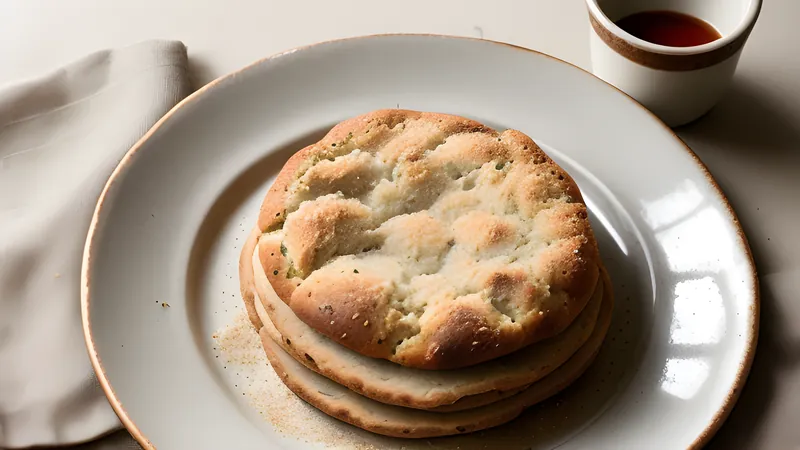
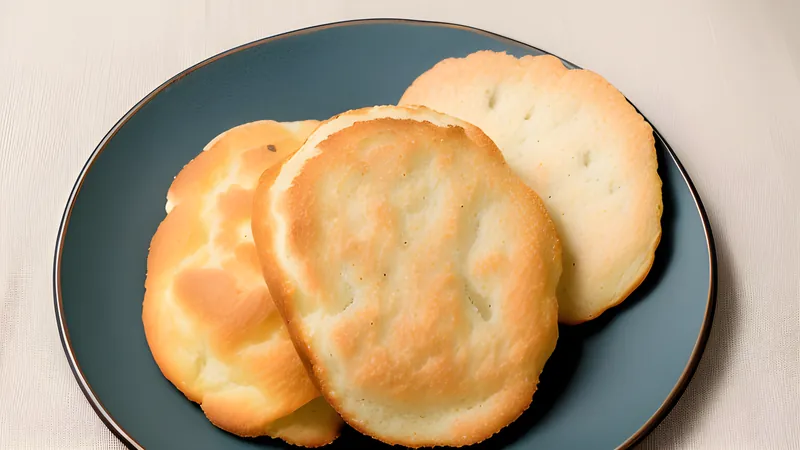
↓ Jump to recipeA luchi that does not puff has failed at the one thing it exists to do. This is Bengali bread reduced to a single, unforgiving test: a small disc of plain flour dough, rolled thin and even, dropped into properly hot oil, that either balloons into a hollow, golden sphere within seconds or sits flat and disappointing at the bottom of the pan. There is very little room between success and failure here, and almost every variable that determines which one you get is set before the dough ever touches the oil. It is a bread that rewards preparation over improvisation, and unlike many doughs that forgive a lazy roll or a slightly wrong oil temperature, luchi shows every mistake immediately and visibly, in real time, in front of whoever is waiting at the breakfast table.
Luchi: Bengali Puffed White Flour Bread
Ingredients
- 300g plain flour (maida), plus more for dusting
- 1/2 tsp fine salt
- 2 tbsp ghee or neutral oil, plus more for greasing
- 150ml lukewarm water, plus more as needed
- Neutral oil, for deep-frying (at least 1 litre)
Method
- Mix the flour and salt in a large bowl, then rub in the 2 tbsp ghee or oil with your fingertips until the mixture resembles fine breadcrumbs.
- Add the lukewarm water gradually, bringing the mixture together into a firm, smooth dough — firmer than a chapati dough, with no cracks when pressed.
- Knead for 8–10 minutes until completely smooth, then cover with a damp cloth and rest for 20 minutes.
- Divide the dough into 16 equal balls, keeping them covered while you work through each one.
- Lightly grease your rolling surface and rolling pin with oil rather than dusting with dry flour, then roll each ball into a small, even disc about 8cm across and 3mm thick, applying even pressure right to the edges.
- Heat the oil in a deep, wide pan or kadai to 180°C — a small piece of dough should sizzle and rise to the surface within 2–3 seconds.
- Slide one luchi in at a time. Once it rises, gently press it under the oil with the back of a slotted spoon in a light circular motion for 5–10 seconds to encourage it to puff into a full balloon.
- Flip once it has puffed and turned very lightly golden, fry the second side for 15–20 seconds, then lift out and drain on kitchen paper.
- Repeat with the remaining dough, keeping the oil at a steady 180°C throughout, and serve immediately while still puffed and hot.
Not Poori, Even If It Looks Like It
Luchi and poori, the more widely known deep-fried Indian bread, look nearly identical to an untrained eye, and the confusion is understandable. The real difference is in the flour and the fat. Poori is traditionally made with wholewheat flour (atta) and often mixed with a little semolina for extra crunch; luchi is made exclusively with refined white flour (maida), giving it a paler colour, a softer bite, and a more delicate, less rustic character than its wholewheat cousin. Bengali cooks also traditionally use ghee both in the dough itself and, in the most indulgent versions, as the frying medium rather than a neutral oil, though most home cooks now fry in oil and reserve ghee for the dough for reasons of both cost and practicality. The distinction matters enough in Bengal that calling a luchi a poori in front of the wrong grandmother will earn you a correction, gently or otherwise. The two breads also occupy different places in their respective food cultures: poori is genuinely everyday across large parts of North India, served for breakfast without much occasion attached, while luchi in Bengal carries a stronger association with celebration and effort, a bread you make because the morning calls for something a little better than usual rather than because it is simply what is on hand.
Festival Food, Sunday Food
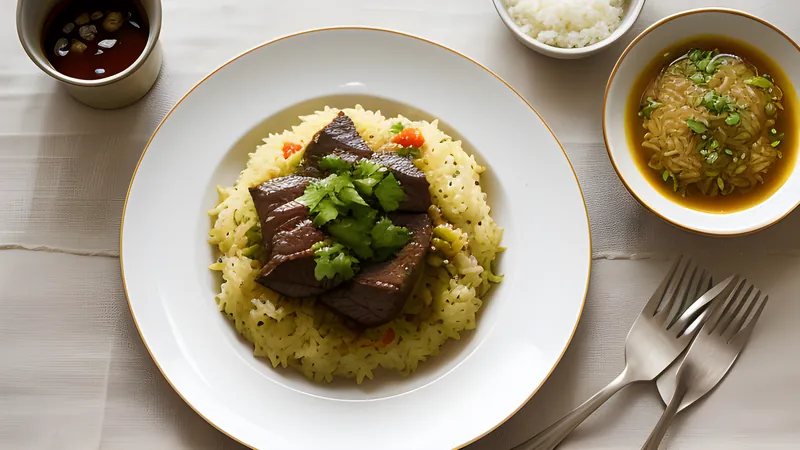
Luchi is the bread of celebration mornings in Bengali households: Durga Puja, weddings, and any Sunday breakfast worth the extra effort, most classically paired with a simple potato curry called aloor dom or a chickpea preparation called cholar dal. It occupies roughly the same cultural slot that a special-occasion pastry might elsewhere: reserved for mornings worth the extra effort, yet familiar enough that most Bengali households keep a reliable go-to recipe for it, refined over generations of Sunday mornings. The pairing with kosha mangsho at a wedding lunch, luchi taking the place rice would occupy on an ordinary day, is one of the clearest signals in Bengali food culture that a meal is meant to be an occasion rather than routine. During Durga Puja specifically, luchi and cholar dal served together on the morning of a particular puja day is close to a fixed ritual in many households, repeated with so little variation year to year that returning family members would notice immediately if the menu changed. Street stalls and small local eateries in Kolkata called luchi-torkari shops build their entire business around exactly this breakfast pairing, frying to order from early morning and closing once the day’s dough runs out, a business model built around freshness rather than volume.
The Dough: Firmer Than You Would Expect
Luchi dough needs to be noticeably firmer than a standard chapati or roti dough, with just enough water to bring it together and no more. A dough that is too soft or wet will not hold its shape well when rolled thin, and worse, the excess moisture turns to steam too aggressively in the hot oil, causing the luchi to blister and tear rather than puff evenly into a smooth balloon. Rub the fat into the flour thoroughly before adding any water at all; this coats the flour’s gluten-forming proteins in fat and limits how much gluten develops, which is part of why a properly made luchi has a delicate, slightly short texture rather than the chewiness of a yeasted bread. Resting the dough for a full twenty minutes under a damp cloth relaxes the gluten that does form during kneading, making the dough easier to roll thin without springing back, and this rest is not a step to skip even under time pressure. Some cooks add a splash of milk in place of a portion of the water, which gives a slightly softer crumb and a faint golden tinge to the fried surface; it is a minor variation rather than a standard requirement, and plain water works perfectly well on its own.
Rolling: Even Pressure Is Everything
Roll each luchi into a small, genuinely even disc, with consistent thickness right out to the edges. This is harder than it sounds and is where most home cooks lose the puff before the dough ever reaches the oil: a disc that is thinner in the centre than at the edges, or vice versa, cooks unevenly in the fryer, and the steam that should be building uniformly under the surface escapes through the thinner patch instead of inflating the whole disc. Grease your rolling surface and pin with a little oil rather than dusting with dry flour; flour on the surface of the rolled dough burns in the hot oil and can prevent an even puff, while a light oiling keeps the surface smooth without adding anything that interferes with the frying. Roll from the centre outward in short, controlled strokes, turning the disc a quarter turn between each pass rather than rolling repeatedly in one direction, which helps keep the thickness even across the whole circle rather than stretching it oval in a single axis.
The Fry: Temperature Is the Whole Story
Oil at a genuine, steady 180°C is the single most important condition for a luchi to puff properly. Oil that is too cool lets the dough absorb fat before it has a chance to seal and puff, giving you a heavy, greasy, flat result. Oil that is too hot browns the outside before the steam inside has had time to build up and inflate the disc, again leaving you with something flat, though scorched this time rather than merely dense. Test with a small offcut of dough before committing your first proper luchi: it should sizzle immediately and rise to the surface within two to three seconds. The light circular pressing motion with the back of a slotted spoon just after the luchi hits the oil is a technique worth practising; it is not strictly necessary with a perfectly rolled, perfectly tempered dough, but it gives an extra, reliable nudge toward a full, even puff and is standard practice in most Bengali kitchens. Fry one luchi at a time rather than crowding the pan; adding several discs together drops the oil temperature sharply, and a temperature drop at the critical first few seconds is one of the most common reasons a whole batch comes out flat even when the dough itself was rolled and rested correctly. A wide kadai with a generous depth of oil holds its temperature far more steadily through repeated frying than a narrow, shallow pan, which cools noticeably every time a fresh disc goes in.
Serve Immediately
Luchi loses its signature puff within a few minutes of coming out of the oil, deflating gently as the trapped steam inside cools and condenses. This is not a bread you can make well ahead of a meal and reheat; fry it as close to serving as you can manage, and serve it straight from the draining rack to the table rather than letting a finished batch sit and go soft while you fry the rest. Keep the fried luchi loosely covered with a clean cloth, not stacked tightly or covered airtight, while you finish frying the remaining dough, since trapped steam under a tight cover will soften them faster than open air will.
Troubleshooting
A luchi that stays flat despite hot oil and a good roll is nearly always a dough problem: too much water, insufficient fat rubbed in, or an unrested dough that had too much gluten tension left in it. A luchi that blisters unevenly rather than puffing into a smooth sphere usually points to uneven rolling thickness. Oil that smokes before you reach frying temperature has likely been reused too many times or overheated past its point; fresh, clean oil at the correct temperature is worth the cost for a dish where the fry genuinely makes or breaks the result. A luchi that puffs beautifully but tastes bland usually just needs a touch more salt worked into the dough at the mixing stage; salt is easy to under-measure in a small batch of flour and its absence is far more noticeable in a plain white bread like this one than in a heavily spiced dish where other flavours can carry it.
Storage
Luchi is very much a made-to-order bread and does not store or reheat well; a deflated, cold luchi bears little resemblance to a fresh one. If you must make it ahead, roll all the discs and keep them stacked with a small dusting of flour between each, covered, in the fridge for up to a few hours, then fry them fresh just before serving rather than trying to fry and reheat. The dough itself, unrolled, keeps slightly better than rolled discs do, wrapped in cling film in the fridge for up to a day; bring it back to room temperature before rolling, since a cold, stiff dough is considerably harder to roll thin and even than one at a comfortable working temperature.
Pairing
Serve luchi with a simple potato curry, or alongside richer dishes like kosha mangsho at a celebratory meal, where it replaces rice as the starch of choice for the occasion. A lighter opening course such as shukto still belongs at the start of a full spread built around luchi, keeping the traditional bitter-to-rich progression of a Bengali meal intact even when the bread itself signals something festive rather than routine.
Related Content