Llapingachos: The Cheese-Stuffed Potato Cakes of the Andes
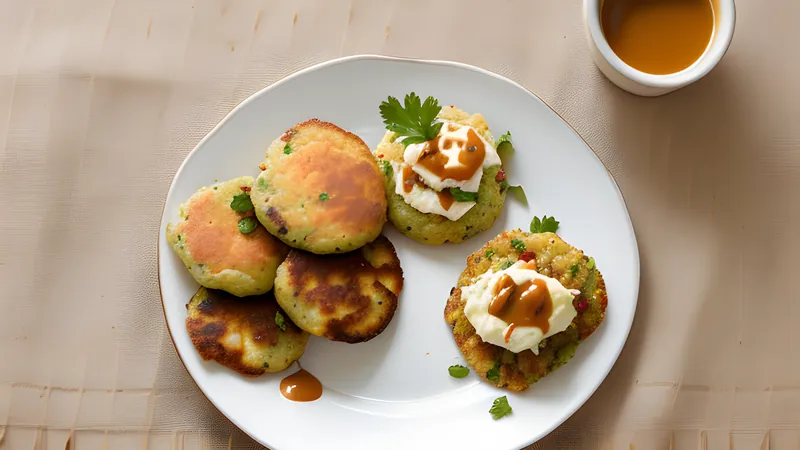
Achiote-griddled potato patties oozing cheese, served under peanut sauce
Contents
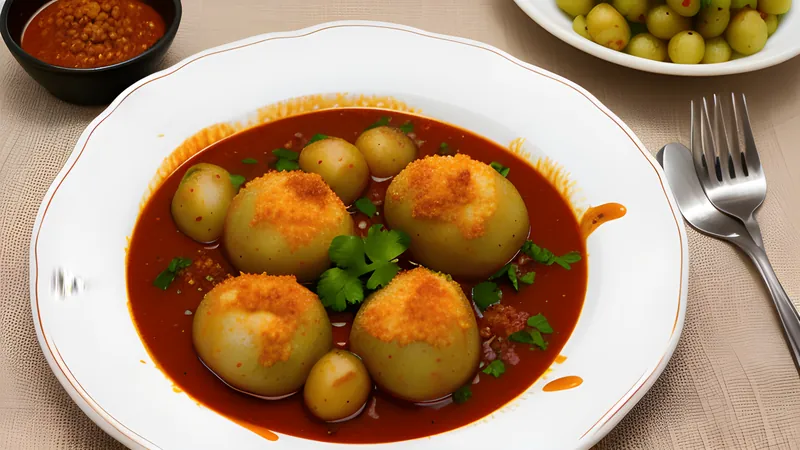
↓ Jump to recipeLlapingachos are potato cakes with a secret at the centre: a seam of melting cheese sealed inside mashed potato tinted gold with achiote, then griddled slowly until the outside turns properly crisp. Ecuador’s highland markets serve them as a full plate rather than a side dish, under a peanut sauce, next to a fried egg, avocado and a salad of shredded lettuce and tomato, sometimes with fried chorizo for good measure. Cutting into one and watching the cheese pull is most of the reason people order them.
Llapingachos: The Cheese-Stuffed Potato Cakes of the Andes
Ingredients
- 1kg floury potatoes, peeled and cut into chunks
- 2 tbsp achiote (annatto) oil, or 1 tbsp sweet paprika mixed into 2 tbsp oil, divided
- 1 onion, finely chopped
- 3 garlic cloves, crushed
- 150g mozzarella or a mild queso fresco, grated or crumbled
- 150g roasted peanuts
- 300ml milk
- 1 tbsp vegetable oil
- 1 tsp ground cumin
- 4 eggs
- 1 avocado, sliced
- 1 tomato, sliced
- 1/2 iceberg lettuce, shredded
- 2 chorizo sausages, sliced and fried (optional)
- Salt and black pepper
Method
- Boil the potatoes in salted water for 15-18 minutes until completely tender. Drain well and mash until smooth, with no lumps remaining.
- Heat 1 tbsp of the achiote oil in a pan and soften the onion for 5 minutes. Add the garlic and cook for 1 minute more.
- Mix half the softened onion into the mashed potato, reserving the rest for the peanut sauce. Season the potato well with salt and pepper.
- Divide the potato into 8 portions. Flatten each into a disc in your palm, place a spoonful of cheese in the centre, and fold the potato around it, sealing completely so no cheese can escape. Reshape into a neat, flat patty.
- Chill the shaped patties for at least 20 minutes to firm up.
- Blitz the peanuts in a food processor with the milk until smooth, then pour into a small pan with the reserved onion and cumin. Simmer for 8-10 minutes, stirring often, until thickened to a coating consistency. Season with salt.
- Heat the remaining achiote oil and the vegetable oil in a wide non-stick pan over medium heat.
- Fry the patties for 5-6 minutes a side, pressing gently, until a deep golden crust forms and the cheese inside is molten.
- Fry the eggs in a separate pan until the whites are set and the yolks still soft.
- Serve the llapingachos with the peanut sauce spooned over, topped with a fried egg, and with avocado, tomato, lettuce and fried chorizo alongside.
The story
Llapingachos come from Ecuador’s central highlands, most closely associated with the town of Ambato and the wider Tungurahua province, a region of volcanic soil and cool mountain air that has grown some of the country’s best potatoes for centuries. The word itself is thought to derive from Kichwa, the Ecuadorian variant of Quechua, and the dish predates the Spanish arrival in its basic form, potato mashed and griddled, though the cheese filling and the peanut sauce reflect centuries of layered influence since.
Peanuts, native to South America and cultivated in the Andes long before European contact, turn up across Ecuadorian cooking in exactly this way, ground into a sauce that carries both richness and a faint sweetness against savoury dishes. The peanut sauce here, thinned with milk and gently spiced with cumin, is as essential to a proper plate of llapingachos as the potato cakes themselves; ordering llapingachos without it would be considered incomplete by almost anyone from the highlands.
A full plate, called a “plato completo” in some regions, typically piles the llapingachos alongside fried egg, avocado, a simple raw salad and often slices of chorizo or fried pork, turning what began as a humble potato cake into a substantial meal that covers most food groups on a single plate. Street stalls near Ambato’s bus terminal and market have built reputations over decades on their specific version, and locals will happily argue about whose peanut sauce or whose achiote colouring gets the balance right.
Sealing the cheese so it doesn’t escape
The single biggest risk with llapingachos is a seam that splits during frying, sending molten cheese out onto the pan rather than staying trapped inside where it belongs. Take real care at the sealing stage: flatten the potato into a disc thick enough to fully wrap around the cheese with a good margin, place the cheese slightly off-centre if that helps you close the gap more easily, and pinch the edges together firmly rather than just folding them over loosely. Any thin spot in the potato wall is where a split will start once the cheese inside begins to melt and expand.
Chilling the shaped patties for at least 20 minutes before frying firms up the potato enough that it holds its shape under the heat, giving the seal more integrity than a patty fried straight after shaping while the potato is still warm and soft. If cheese does escape during frying regardless, don’t panic and don’t try to push it back in; let it crisp against the pan into a lacy, cheese-crusted edge, which is not a failure so much as a bonus crunchy bit most cooks are happy to find.
Building the peanut sauce properly
A thin, watery peanut sauce disappoints in a way a thick, clinging one never does, so give it the full eight to ten minutes at a simmer rather than pulling it off the heat as soon as it looks vaguely sauce-like. Ground peanuts release their oil slowly as they cook in the milk, and that oil is what gives the sauce its proper body and shine; rush the process and you’re left with something thinner and less cohesive that runs straight off the potato cakes rather than coating them.
Roasted, unsalted peanuts blitz to a smoother, more consistent paste than raw ones, and toasting your own in a dry pan for a few minutes before grinding, if you’re starting from raw nuts, deepens the flavour considerably. Taste the sauce before serving and adjust the salt carefully, since the potato cakes and any fried chorizo alongside are already well seasoned, and an over-salted sauce will dominate a plate that’s meant to balance several components. This same highland potato tradition runs through papa rellena, Peru’s stuffed potato dumpling, and pairs well on a bigger table with encebollado for a full tour of Ecuadorian coastal and highland cooking side by side.
Getting the griddle right
Patience at the pan is what separates a properly crisp llapingacho from a pale, steamed-looking one. Medium heat, not high, gives the achiote oil time to colour the potato’s surface evenly and lets the cheese inside melt fully before the outside burns; too high a heat scorches the crust while the centre stays cool and the cheese barely softens. Five to six minutes a side is usually right, and resist the urge to flip early, since a properly formed crust releases cleanly from a non-stick or well-seasoned pan, while an underdone one sticks and tears.
Achiote oil is doing real aesthetic work here, giving the finished patties their warm golden colour rather than the pale beige of plain mashed potato, and it is worth the small effort of making or sourcing it rather than skipping straight to paprika, which gets close in colour but misses the faint earthy note achiote carries.
Mashing the potato without gluing it
The mash that wraps the cheese needs a specific texture: dry enough to hold its shape and seal a seam, but smooth enough that lumps don’t create weak points where the patty might crack open in the pan. Drain the boiled potatoes thoroughly and let them sit in the dry pot for a minute or two over low heat, shaking occasionally, to steam off excess moisture before mashing; wet potato produces a mash that never firms up properly, no matter how long you chill it. Mash by hand with a potato masher or ricer rather than a food processor, which overworks the starch and turns the mash gluey and elastic, more like wallpaper paste than a workable dough.
Season the mash generously before shaping, since once the cheese is sealed inside, there’s no way to adjust the potato’s flavour without starting again. A pinch more salt than feels necessary at the mashing stage usually turns out right once the patty is fried and the cheese’s saltiness has mingled through the first bite.
Serving as a full plate rather than a side
Resist the temptation to treat llapingachos as a small side dish tucked onto the corner of a plate; in Ecuador they are the main event, and the accompaniments around them, egg, avocado, salad, chorizo, exist to round out a full meal rather than to overshadow the potato cakes. Arrange two patties per person alongside a fried egg and a generous spoonful of peanut sauce, with the salad and avocado positioned to be eaten between bites of the rich, cheesy centre, cutting through the richness the way a squeeze of lime cuts through a bowl of encebollado.
Substitutions, storage and make-ahead
Mozzarella melts beautifully and is widely available, but a mild queso fresco, or even a young Monterey Jack, gets closer to the traditional Ecuadorian cheese used in the original. Any floury potato variety works for the mash; a waxy one will hold together less well and produce a gluier, denser cake rather than a light one. If peanuts are a problem in your household, cashews blitzed the same way make a passable, if noticeably different, sauce.
The unfried, cheese-stuffed patties freeze well for up to a month, laid flat on a tray until solid before bagging up, which makes llapingachos a genuinely useful thing to have stashed away for a quick midweek meal; fry from frozen, giving them a couple of extra minutes a side over slightly gentler heat so the centre has time to catch up with the crust. The peanut sauce keeps in the fridge for three days and reheats gently with a splash of milk to loosen it back to its proper consistency, and it’s worth making a double batch, since it turns up just as happily spooned over grilled chicken or steamed vegetables on a night when you don’t feel like shaping potato cakes at all.
Related Content