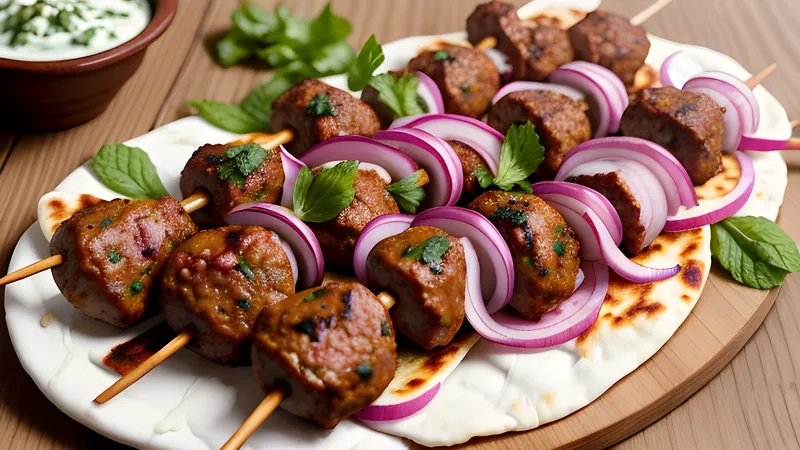
Lamb Kofta with Mint Yoghurt and Pickled Red Onion
Charred, spiced skewers that taste like a holiday
Contents
↓ Jump to recipeWhy kofta belong on a weeknight
There is a version of cooking that involves three saucepans, a sieve, and a tea towel over your shoulder, and then there is kofta. Kofta is the kind of dinner that asks for one bowl, a hot pan, and roughly the same amount of effort as a sad burger but delivers something far more interesting. You squish spiced mince around a skewer, char the outside hard, and serve it with a cool, herby yoghurt and a tangle of bright pink onion. That’s it. That’s the whole trick, and it works every single time.
I have been making these for years, and the recipe has slowly settled into the version below. The one small clever twist I will fight for is toasting the spices. It takes ninety seconds in a dry pan and it is the difference between “fine” and “why does yours taste like a proper kebab shop”. Ground cumin and coriander straight from the jar are dusty and flat. Warm them until they smell nutty and a touch smoky and they wake the whole thing up. Do not skip it.
A little background
Kofta — also spelt kefta, köfte, kufta, depending on where you are standing — is one of those dishes that belongs to half the world at once. You find versions across the Middle East, the Levant, North Africa, the Balkans, South Asia and beyond, anywhere minced meat met spice and an open flame. The name comes from a Persian root meaning “to grind” or “to pound”, which tells you everything about how old and how fundamental the idea is. Long before mincers, someone was beating meat to a paste against a stone, and someone decided it would taste better with cumin.
What I love is how regional the seasonings get. In Turkey you might lean on sumac and dried mint; across the Levant you will see allspice and cinnamon doing the heavy lifting; in parts of North Africa harissa creeps in. My version sits somewhere in the Levantine camp — cinnamon, cumin, coriander — because that warm, faintly sweet backbone is exactly what I want against tart yoghurt and sharp onion. The skewer shape here is the kofta kebab familiar from Turkish ocakbaşı grills and Levantine mezze tables, where the mince is worked until sticky so it clings to a flat metal skewer over charcoal. At home a griddle pan gets you most of the way to that char without a fire in the garden.
Lamb Kofta with Mint Yoghurt and Pickled Red Onion
Ingredients
- 500g (1 lb 2 oz) lamb mince, 20% fat
- 1 small onion, coarsely grated and squeezed dry
- 3 fat garlic cloves, crushed
- 1 tsp ground cumin, lightly toasted
- 1 tsp ground coriander, lightly toasted
- ½ tsp ground cinnamon
- ½ tsp Aleppo pepper (or ¼ tsp chilli flakes)
- Small handful flat-leaf parsley, finely chopped
- 1 tsp fine salt, plus more to taste
- 1 medium red onion, very thinly sliced
- Juice of 1 lemon
- 1 tsp caster sugar
- 250g (1 cup) thick Greek yoghurt
- Handful fresh mint leaves, finely chopped
- 1 small garlic clove, grated
- Olive oil, for grilling
Method
- Toast the cumin and coriander in a dry pan until fragrant, and squeeze the grated onion dry.
- Combine the mince, squeezed onion, garlic, toasted spices, cinnamon, Aleppo pepper, parsley and salt, mixing by hand until just tacky.
- Fry a little of the mix, taste and adjust the salt, then chill the mixture for twenty minutes if you have time.
- With wet hands, mould golf-balls of mince around skewers into 12cm sausages, aiming for twelve.
- Get a griddle, barbecue or heavy pan properly hot, brush the kofta with oil and char without crowding, turning, for eight to twelve minutes until cooked through.
- Toss the sliced red onion with lemon juice, sugar and salt and leave to soften for fifteen minutes.
- Stir the chopped mint and grated garlic through the yoghurt with salt and a squeeze of lemon.
- Serve the kofta on warm flatbreads with the mint yoghurt, pickled onion and a dusting of sumac.
Shaping and grilling
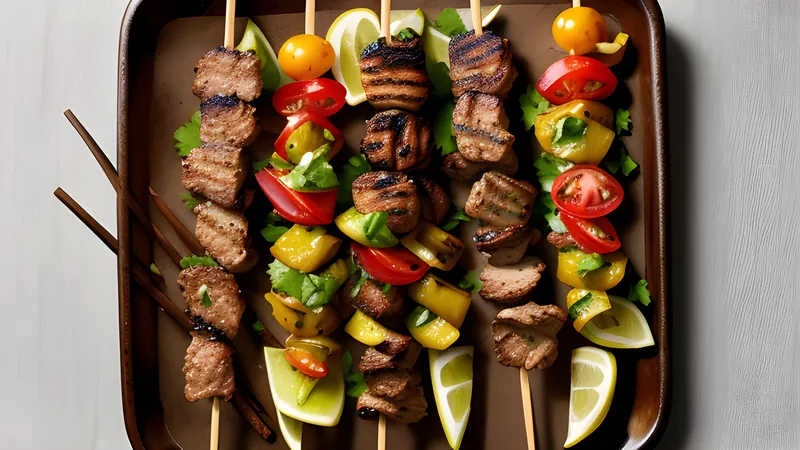
Wet your hands, take a golf-ball of mince, and mould it around a metal skewer (or a soaked wooden one) into a sausage about 12cm long, pinching it firm. Aim for twelve.
Get a griddle pan, barbecue, or heavy frying pan properly hot — you want a real sizzle when the first kofta touches the surface, not a quiet hiss. Cook in batches rather than crammed together, because a crowded pan drops in temperature and the kofta steam in their own juices instead of charring. Brush the kofta with a little oil and lay them down without crowding. Leave them alone for three to four minutes so a dark crust forms, then turn and char the other sides, eight to twelve minutes total depending on thickness. They should be just cooked through with proper colour. Resist fiddling; the urge to roll them constantly is what makes them fall apart.
The cool stuff: yoghurt and onion
While the kofta cook, the two cold elements come together in minutes. For the pickled onion, toss the thin slices with the lemon juice, sugar and a good pinch of salt, then scrunch with your fingers and leave to sit. In fifteen minutes they soften, lose their raw bite, and turn a ridiculous shade of magenta. This is a five-minute version; if you want something to keep in the fridge for a fortnight, the vinegar-based quick pickled red onions do the same job and go with almost anything.
For the mint yoghurt, stir the chopped mint and grated garlic through the Greek yoghurt with a pinch of salt and a squeeze of lemon. Keep it thick. This is the counterweight to all that warm spice — cooling, tangy, herbal. Chop the mint just before you use it, since it bruises and darkens quickly once cut, and go easy on the raw garlic; a single small clove, finely grated, is enough to season the whole bowl without turning it sharp. If you have time, make the yoghurt an hour ahead and chill it, which lets the mint and garlic infuse and gives you a cold contrast against the hot kofta straight off the grill.
How I serve them
Pile the kofta onto warm flatbreads, spoon over the mint yoghurt, scatter the pickled onion and whatever soft herbs you have, and add a few tomatoes if you are feeling virtuous. A dusting of sumac over the lot is never wrong. If you want to lean further into the mezze idea, a bowl of Turkish eggs, çılbır, with chilli butter and yoghurt alongside makes a generous spread from the same cool-yoghurt, warm-spice palette.
Make-ahead and variations
The mince mixture is happy made a day ahead and kept covered in the fridge; if anything it improves, as the spices settle in. Shaped raw kofta freeze well too: open-freeze them on a tray, then bag them up, and cook from frozen over slightly lower heat so the centre catches up with the crust. Cooked kofta keep for three days in the fridge and reheat best in a hot oven for a few minutes rather than the microwave, which steams the crust soft.
For variations, swap half the lamb for beef if that is what is in the fridge, or use all beef for a leaner, less pronounced result. Add a tablespoon of harissa to the mince for real heat, or a handful of chopped toasted pine nuts for texture. Roll the mixture into little meatballs instead of skewers and simmer them gently in a spiced tomato sauce for twenty minutes, then finish with the same mint yoghurt spooned over. The spiced base is endlessly forgiving, which is exactly why cooks across so many kitchens have kept coming back to it.
Related Content