Laksa Sarawak vs Laksa Penang
One bowl coconut and sambal, the other sour tamarind and mackerel
Contents
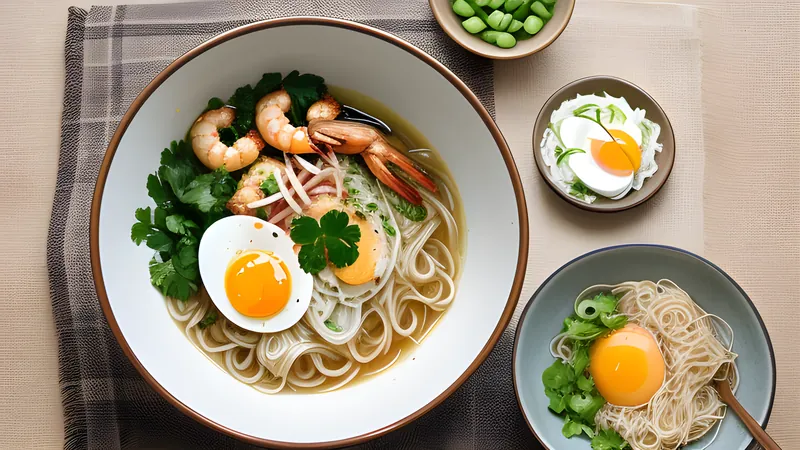
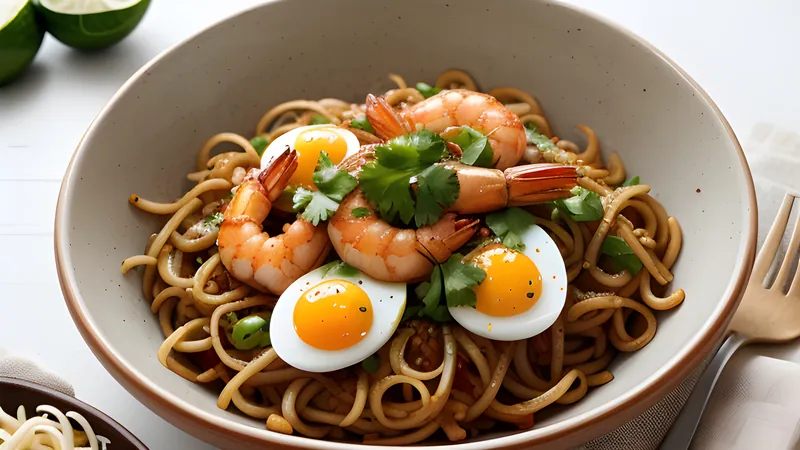
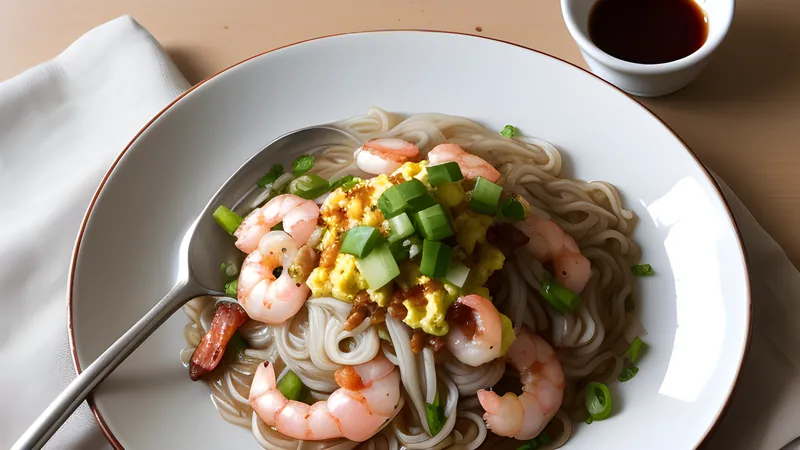
↓ Jump to recipeOrder laksa in Kuala Lumpur and the waiter will ask which one, because the word covers a family of noodle soups so varied that two of its most famous members share almost nothing but the name. Sarawak laksa is a fragrant coconut-and-sambal bowl eaten for breakfast on the island of Borneo. Penang assam laksa is a sour, fishy, tamarind-soured broth from the peninsula that ranks among the most bracing noodle soups in Asia. Put them side by side, as I like to, and you get a lesson in how one culinary idea can branch into opposites while staying unmistakably itself.
Laksa Sarawak vs Laksa Penang
Ingredients
- SARAWAK LAKSA — 400 g rice vermicelli, soaked
- 8 dried chillies, soaked and deseeded
- 6 shallots; 4 garlic cloves; 1 thumb galangal; 2 lemongrass stalks
- 2 tbsp coriander seed; 1 tsp cumin; 1 tsp white pepper; 1 tbsp belacan (shrimp paste)
- 1.2 litres chicken stock; 400 ml coconut milk; 2 tbsp tamarind paste
- 2 chicken breasts, poached and shredded; 200 g prawns, cooked
- 2 eggs, made into a thin omelette and shredded; beansprouts; coriander; lime
- PENANG ASSAM LAKSA — 400 g thick round rice noodles (laksa noodles)
- 600 g mackerel or sardines; 100 g tamarind pulp in 1.2 litres water; 4 dried tamarind slices (asam keping)
- 10 dried chillies; 6 shallots; 1 thumb galangal; 2 lemongrass stalks; 1 tbsp belacan
- 1 tbsp toasted shrimp paste for the sauce (hae ko / petis)
- Garnish: cucumber, pineapple, red onion, mint, Vietnamese mint (laksa leaf), lettuce, red chilli
Method
- SARAWAK: Blend the soaked dried chillies, shallots, garlic, galangal, lemongrass, coriander, cumin, pepper and belacan into a paste. Fry in oil over medium heat for 8 to 10 minutes until darkened and split.
- Add the stock and tamarind, simmer 15 minutes, then stir in the coconut milk and warm through without boiling hard. Season with salt.
- Divide soaked vermicelli among bowls with shredded chicken, prawns, omelette strips and beansprouts. Ladle over the hot broth. Finish with coriander and lime.
- PENANG: Simmer the mackerel in the tamarind water for 10 minutes, lift out, flake the flesh and discard bones. Reserve the liquid.
- Blend the dried chillies, shallots, galangal, lemongrass and belacan into a paste; add to the tamarind water with the asam keping and half the flaked fish. Simmer 25 minutes until fragrant and slightly thickened; season with salt and sugar.
- Cook the noodles, divide among bowls, top with the remaining fish, cucumber, pineapple, onion, mint and lettuce. Ladle over the sour broth and add a teaspoon of hae ko per bowl.
One word, many bowls
“Laksa” most likely derives from a Persian or Hindi word for noodles (lakhshah), carried into the Malay world along the same maritime spice routes that shaped so much of the region’s food. What grew from it is a spectrum defined largely by two axes: whether the broth is rich with coconut milk (the lemak style) or sour with tamarind (the assam style), and which local aromatics and proteins go in. Curry laksa, Katong laksa, Johor laksa, Sarawak laksa and Penang assam laksa are all cousins, each anchored to a city or region and fiercely defended by the people who grew up on it.
The two I want to cook here sit at the far ends of that spectrum, which makes them the clearest way to understand the whole family. Master the coconut-sambal logic of one and the sour-fish logic of the other and every other laksa becomes legible.
Sarawak laksa: the coconut breakfast bowl
Sarawak laksa is the pride of Kuching, eaten in the morning from stalls that have made nothing else for decades. The late Anthony Bourdain called it breakfast of the gods, and the description stuck because the bowl really does taste like several cuisines at once. That is because its spice paste is unusually complex: dried chillies, shallots, garlic, galangal and lemongrass in the Malay manner, but also coriander seed, cumin and white pepper, warm spices that speak to the region’s Indian and Chinese trade. Belacan, the fermented shrimp paste, anchors it with deep savoury funk.
The method is the one that governs most Southeast Asian curries. You blend the aromatics into a rempah (spice paste) and then fry it slowly in oil until it darkens, splits and smells toasted rather than raw. This step, eight to ten patient minutes, is where the flavour is built; rush it and the paste tastes green and harsh. Then you loosen it with stock, sharpen it with a little tamarind, and enrich it with coconut milk added at the end so it does not split. The bowl is finished with a generous pile of toppings: shredded poached chicken, prawns, ribbons of thin omelette, crunchy beansprouts, coriander and a squeeze of lime. It is rich, aromatic and gently spiced, a hug of a soup.
Penang assam laksa: the sour, fishy jolt
Cross to Penang and laksa becomes almost the mirror image. Assam laksa (assam meaning tamarind, and by extension sour) contains no coconut milk at all. Its broth is built on oily fish, usually mackerel or sardines, simmered and flaked, in a liquid soured hard with tamarind and asam keping, the dried slices of sour gelugur fruit that give the dish its lingering tang. The result is thin, sharp, savoury and utterly refreshing in the heat, a soup that wakes you up rather than lulling you.
The genius of assam laksa is in the contrast between the sour, fishy broth and its cool, sweet garnishes: crisp cucumber, sweet pineapple, raw red onion, torn mint and the citrus-scented laksa leaf (Vietnamese mint / daun kesum). Then comes the finishing touch that divides newcomers, a spoonful of hae ko, a thick, black, molasses-like prawn paste stirred in at the table. It smells alarming and tastes magnificent, adding a deep umami sweetness that pulls the whole sour bowl together. Thick round rice noodles, slippery and soft, carry it all.
Building each paste well
Both bowls live or die by their spice paste, and the same two rules apply. First, soak your dried chillies in hot water until pliable before blending; this softens them, tames raw harshness and gives the paste its red body. Second, toast your belacan before using it. A quick dry-fry or a moment over a flame (wrapped in foil) transforms it from a raw, ammoniac block into something deeply savoury and roasted. Skip that step and the shrimp paste can dominate unpleasantly.
Fry each paste in enough oil, over medium heat, until the oil visibly separates and rises to the surface, the same pecah minyak (“broken oil”) stage that tells cooks across the region a rempah is properly cooked. That split oil is your signal that the raw water has driven off and the flavours have concentrated and melded.
Which one to make first
If you have never cooked either, start with Sarawak laksa. Its coconut broth is more forgiving, the flavours read as familiar to anyone who has eaten a curry, and the toppings are things you can buy anywhere. It rewards a first attempt generously. Penang assam laksa is the more adventurous cook’s bowl: the sourness is aggressive by design, the fishiness is front and centre, and getting the balance right takes a bit of tasting and nerve. It is also the one that converts people. Assam laksa has topped international “best food in the world” lists more than once, and the moment its sour-savoury-sweet balance clicks on your tongue you understand the fuss.
There is also a practical case for cooking both at once. The two share a base of dried chillies, shallots, galangal, lemongrass and belacan, so you can prep those ingredients in one go and split them between the two pastes. Poach the chicken for the Sarawak bowl in the same pot you use to simmer the mackerel for the Penang one, staggered, and you have made two very different dinners from one shopping trip. Serve them together and you turn a meal into a small education, the whole coconut-versus-tamarind argument laid out in two bowls on the same table.
The Peranakan thread that ties them together
Behind both bowls sits the story of the Peranakan Chinese, the descendants of early Chinese traders who settled in the port cities of the Malay world and married into local families. Their kitchens, known as Nyonya cooking, are where Chinese ingredients met Malay spice pastes, and laksa in almost all its forms carries that fingerprint: the wok-fried rempah of a Malay curry, the noodles and pork or fish of a Chinese table, the tamarind and coconut of the tropics. The Straits Settlements of Penang, Malacca and Singapore were the crucible, which is why the most storied laksas cluster around old trading ports. Sarawak, across the water on Borneo, developed its own bowl slightly apart, which is part of why it tastes so distinct from the peninsular versions.
That history is also why the aromatics feel so layered. A Penang or Sarawak spice paste is a small archive of the spice trade: galangal and lemongrass and turmeric from the region itself, dried chillies that arrived from the Americas by way of European ships, coriander and cumin carried in from India, and the fermented shrimp of the coast binding it all. Pounding or blending those together and frying them down is the whole point; it is the step that dissolves centuries of trade into a single spoonful of broth.
Getting the garnishes and the finish right
Both bowls are assembled at the last moment, and the garnish is half the dish rather than an afterthought. For Sarawak laksa, warm the bowls first, lay in the softened vermicelli, arrange the chicken, prawns, omelette ribbons and beansprouts in tidy piles, and ladle the hot coconut broth over so it wilts the sprouts just enough. A wedge of lime and a spoon of sambal go on the side so each eater sets their own heat. For Penang assam laksa, the cool garnishes do the balancing: julienned cucumber, batons of just-ripe pineapple, thin slivers of raw red onion, torn mint and the sharp, coriander-scented laksa leaf. Keep them crisp and separate until the broth goes in, so each mouthful gets the cold-sweet crunch against the hot-sour liquid. The final teaspoon of hae ko, that black prawn molasses, is stirred in bowl by bowl at the table, because it is potent and everyone wants a different amount. Set out the jar and let people find their own balance.
Tips, swaps and storage
Noodles. Sarawak laksa traditionally uses fine rice vermicelli; Penang assam laksa uses thick, round, slippery rice laksa noodles (sometimes called lai fun). Use what you can find, but the texture is part of each dish’s identity, so try to match it.
Hard-to-find bits. Asam keping and hae ko are worth ordering from a Southeast Asian grocer for assam laksa; without them the bowl loses its signature. At a push, extra tamarind covers the sourness and a little anchovy or fish-sauce reduction stands in for the prawn paste, though it is a compromise.
Heat and seasoning. Deseed the dried chillies for colour without ferocious heat, then add fresh chilli at the table. Assam laksa in particular wants balancing: taste for the four-way tension of sour, salty, sweet and savoury and adjust with tamarind, salt and a little sugar until it sings.
Make ahead. Both broths improve overnight and keep three days in the fridge; cook the noodles fresh to order. The Sarawak paste and the fried Penang rempah both freeze well in portions, which turns a weekend project into a fast weeknight bowl later.
If you like the idea of building a meal around one great pot of noodles, the hand-pulled lagman is the Central Asian answer to the same craving, while the coconut-and-fish side of Sarawak laksa shares real DNA with Jamaican rundown and Brazilian moqueca. Cook both laksas on the same afternoon if you can face it. Tasting the coconut bowl and the tamarind bowl back to back is the fastest way to understand why Malaysians will happily argue about this soup until the stalls close.
Related Content