Kotlet Schabowy Done Properly
The Polish Sunday cutlet, thin as a plate and shattering-crisp
Contents
↓ Jump to recipeThere is a particular sound a proper kotlet schabowy makes when your fork goes in: a dry, papery crunch, followed by the give of pork that is still juicy underneath. Get it wrong and you get a thick, greasy, grey slab in a soggy coat. Get it right and it is one of the finest things ever done to a pig. The difference is almost entirely technique, and none of it is hard once you understand what each step is actually for.
Kotlet Schabowy Done Properly
Ingredients
- 4 pork loin steaks, boneless, about 150g each
- 1 tsp fine salt
- 1/2 tsp white pepper
- 80g plain flour
- 2 large eggs
- 1 tbsp whole milk
- 1 tsp Dijon mustard
- 120g fine dried breadcrumbs (or panko crushed finer)
- 120g clarified butter or ghee, plus 40g butter for browning
- 1 lemon, cut into wedges
- Fresh dill, to serve
Method
- Trim the loin steaks and lay each between two sheets of cling film. Pound with the flat of a mallet to an even 5mm thickness, working from the centre outward.
- Season both sides with the salt and white pepper. Leave for 10 minutes at room temperature.
- Set up three shallow bowls: flour in the first; eggs beaten with milk and Dijon in the second; breadcrumbs in the third.
- Dredge each cutlet in flour and shake off the excess, then coat fully in egg, then press into the breadcrumbs on both sides. Do not press hard.
- Heat the clarified butter in a wide pan over medium heat until a crumb sizzles steadily, about 170C.
- Fry two cutlets at a time for 2 to 3 minutes each side until deep gold, spooning hot fat over the top as they cook.
- In the last 30 seconds add a knob of the fresh butter to the pan and let it foam and brown for aroma.
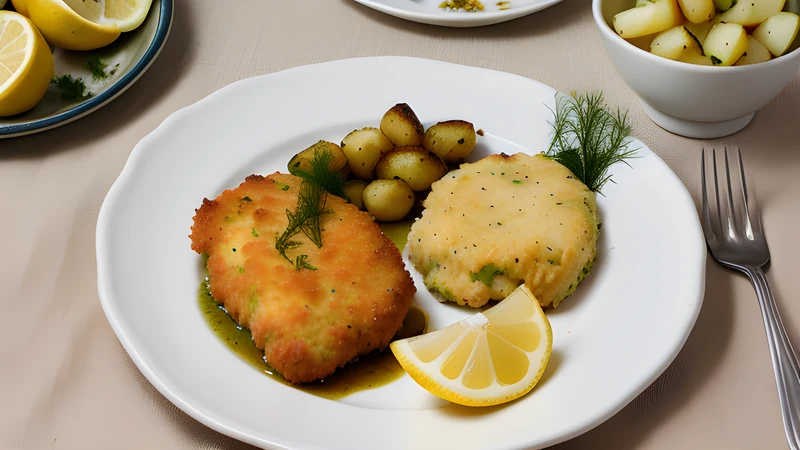
- Drain briefly on a rack, not paper. Serve at once with lemon, dill and boiled potatoes.
The cutlet that means Sunday
Kotlet schabowy is Poland’s answer to the great breaded-cutlet family that stretches from the Viennese schnitzel through the Milanese cotoletta. The word schab simply means pork loin, and the dish as Poles know it took hold in the late nineteenth century as pork became affordable to ordinary households. By the middle of the twentieth century it had become the fixed centre of the Polish Sunday dinner, plated with potatoes and a mound of mizeria (cucumber in soured cream) or braised cabbage.
Ask any Pole over forty and they will describe the same scene: a grandmother at the stove with a wooden mallet, the whole flat smelling of frying butter, and a stack of cutlets kept warm under a tea towel while the rest were cooked. It is comfort in the truest sense, the food you were fed when you were small and the food you cook to remember. Unlike the Austrian schnitzel, which is classically veal and served bone-dry with only lemon, the Polish version is unapologetically pork, often a touch thicker, and it belongs next to starch and something sharp.
The twist I bring to mine is small and worth it: a teaspoon of Dijon whisked into the egg wash and a finishing knob of butter allowed to brown in the pan. The mustard does not read as mustard once cooked; it seasons the coat from within and helps it grip. The brown butter gives the crust a faintly nutty edge that lifts the whole plate.
Why the loin, and why you must pound it
Pork loin is lean and can go dry in seconds, which is exactly why the pounding matters. Flattening the meat to an even 5mm does two things. It tenderises by breaking down muscle fibre, and it makes the cutlet thin enough to cook through in the same two to three minutes it takes the crust to colour. A thick cutlet forces a choice between a pale coat and cooked meat, and you lose either way.
Work between cling film so the meat does not tear, and pound from the centre outward with the flat face of the mallet rather than the spiked side, which shreds. You are aiming for an even sheet, slightly larger than your palm. Season it and give it ten minutes; the salt begins to draw moisture and then reabsorb it, seasoning the meat properly rather than just the surface.
The three-stage breading, and why order matters
Every breaded cutlet lives or dies by the same sequence: flour, egg, crumb. Each layer has a job. The flour dries the surface of the meat so the egg has something to cling to. The egg is the glue. The breadcrumbs are the armour that crisps and shields the meat from the direct heat of the fat.
Two rules save most home cooks. First, shake the excess flour off hard; a thick flour layer turns gluey under the egg and lifts away in the pan. Second, do not press the breadcrumbs on with force. Lay the cutlet in the crumbs and gently pat so they adhere in a single loose layer. A crust that is compacted onto the meat steams from below and goes soft. A crust with a whisper of air between it and the pork is what puffs slightly and shatters. Polish cooks call this effect panierka odchodzi — the coat lifting away from the meat — and it is the mark of a cutlet done properly.
Fine breadcrumbs give the classic smooth finish. If you only have panko, pulse it a few times to knock down the flakes, or you will get a coarser, more rustic coat that is still delicious but less traditional.
Getting the fry right
Fat temperature is the whole game. Too cool and the crust soaks up grease before it sets, giving you the dreaded oily cutlet. Too hot and the outside scorches while the middle is raw. You want a steady 170C. Without a thermometer, drop a crumb in: it should sizzle briskly and rise, not sit sullenly or blacken instantly.
Use clarified butter or ghee for the frying itself, because whole butter contains milk solids that burn below the temperature you need. Then, in the final thirty seconds, drop in a small knob of ordinary butter and let it foam. It will not have time to scorch, and it perfumes the cutlet as you spoon the hot fat over the top. That spooning, or arrosage, cooks the upper surface and helps the crust set evenly without your having to flip the cutlet more than once.
Fry no more than two at a time. Crowd the pan and the temperature crashes. Rest the finished cutlets on a wire rack rather than kitchen paper; paper traps steam against the underside and softens the very crust you worked for.
What can go wrong
If the coat slides off in one sheet as you cut, the meat was wet when it went into the flour, or the flour layer was too thick. Pat the pounded loin dry before you start. If the crust is pale despite a long fry, the fat was too cool or the pan too full. If the meat is dry, it was pounded unevenly and the thin edges overcooked; aim for a genuinely uniform thickness.
The other common failure is soggy leftovers. A schabowy is at its glorious best straight from the pan, but if you must reheat, do it in a hot oven on a rack at 190C for six to eight minutes, never the microwave, which turns the crust to a damp flannel.
The plate around it
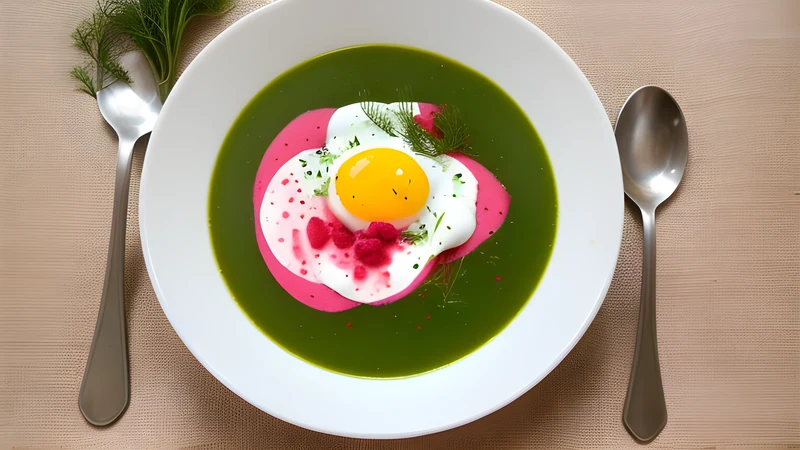
Tradition puts boiled young potatoes tossed in dill and butter alongside, with either mizeria or braised sweet-and-sour cabbage for the sharp note the rich cutlet needs. A cold pea and carrot salad in mayonnaise, sałatka jarzynowa, is the other classic partner. If you are building a full Polish table, this cutlet sits happily beside a batch of pierogi ruskie from scratch and finishes a meal that could otherwise have started with a bowl of żurek in a bread bowl. For something rougher and more of the everyday, the same crisp-fried instinct runs through draniki, Belarusian potato pancakes.
Leftover cutlets, cold, make the definitive Polish sandwich: a thick slice of rye, butter, a cold schabowy, a smear of mustard and a pickled cucumber. Many Poles will tell you, quietly, that this is the real reason to fry an extra one.
Make-ahead and scaling up
You can bread the cutlets an hour ahead and hold them uncovered in the fridge; the coat firms up slightly and adheres even better. Do not bread them the night before, as the crumbs draw moisture and go pasty. If you are cooking for a crowd, fry in batches and hold the finished cutlets in a single layer on a rack in a low oven at 120C for up to twenty minutes without losing much crispness.
Freeze them breaded but unfried, layered between sheets of baking paper, for up to a month. Fry from frozen at a slightly lower temperature, around 165C, giving them an extra minute per side so the middle catches up with the crust.
Variations worth knowing
Chicken breast, pounded the same way, gives you kotlet z kurczaka, common on weekday tables where pork feels too heavy. Turkey works too and stays surprisingly juicy if you brine it in salted water for twenty minutes first. For a richer party version, some cooks lay a thin slice of ham and a little grated cheese on the pounded loin, fold it over and bread the parcel, which is edging toward a cordon bleu and is worth doing once you are confident with the plain cutlet.
The seasoning inside the crumb is where regional families differ. My grandmother’s neighbour swore by a pinch of sweet paprika and a scrape of nutmeg in the breadcrumbs; others add a little dried marjoram, the herb Poles reach for more than any other. Keep the additions faint. The dish should still taste of pork and butter first, with the seasoning felt rather than named.
One thing I would resist is the modern habit of baking these in the oven to save fat. You get an edible cutlet, but the crust never develops the puffed, shattering quality that comes from shallow-frying in hot butter. If you want the real thing, fry it. It is fifteen minutes at the stove, and it is the reason the dish has survived.
Done properly, a kotlet schabowy needs nothing clever from you at the table. Lemon, dill, a good potato and the crunch. That is the whole argument, and it has kept Polish Sundays running for a century and a half.
Related Content