Khaman Dhokla: Steamed Gram Flour Squares
Yellow, spongy, and ready in twenty minutes
Contents
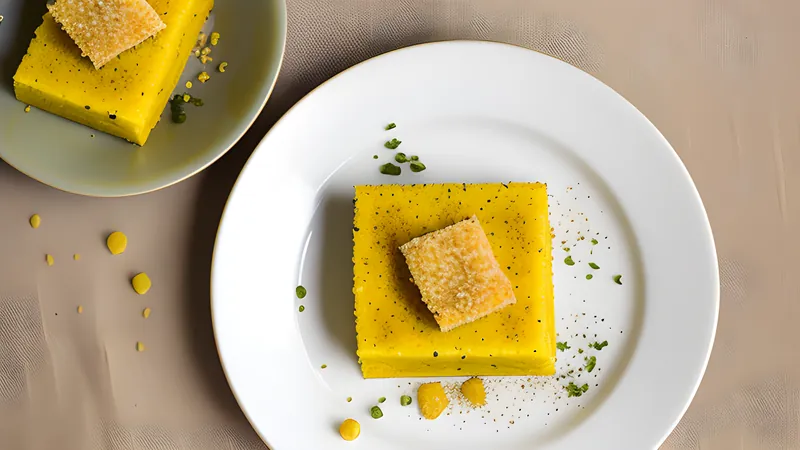
↓ Jump to recipeKhaman dhokla is the fastest thing in the Gujarati snack repertoire: a gram flour batter, steamed until spongy, cut into squares, then soaked in a sweetened syrup and finished with a hot tempering of mustard seed and curry leaf. The whole process, batter to plate, takes about half an hour, and the result is soft, faintly sour-sweet, and yellow from turmeric rather than any artificial colouring.
It’s also one of the more forgiving steamed dishes to get right, provided one specific step is respected: once the raising agent goes into the batter, it needs to be in the steamer within a couple of minutes, before the bubbles it’s creating have a chance to collapse.
Khaman Dhokla: Steamed Gram Flour Squares
Ingredients
- 200g besan (gram flour), sieved
- 2 tbsp semolina
- 150ml water, plus extra for the steamer
- 2 tbsp natural yoghurt
- 1 tbsp vegetable oil, plus extra for greasing
- 1 tbsp lemon juice
- 2 tsp sugar, plus 3 tbsp for the syrup
- 0.5 tsp ground turmeric
- 1 tsp grated fresh ginger
- 1 green chilli, finely chopped
- 1.5 tsp ENO fruit salt (or 1 tsp baking soda)
- 1 tsp mustard seeds
- 10 curry leaves
- 2 green chillies, slit
- 150ml water, for the syrup
- 2 tbsp desiccated coconut, to garnish
- 2 tbsp chopped fresh coriander, to garnish
- Salt, to taste
Method
- Grease a 20cm square or round steaming tin and bring water to a simmer in a steamer or large lidded pan with a trivet.
- Whisk the besan, semolina, water, yoghurt, oil, lemon juice, 2 tsp sugar, turmeric, ginger, chopped green chilli and a pinch of salt into a smooth, thick batter with no lumps.
- Rest the batter for 10 minutes so the semolina softens.
- Sprinkle the ENO fruit salt over the batter, add a tablespoon of water on top, and stir gently and briefly the moment it starts fizzing.
- Pour immediately into the greased tin, tapping it once on the counter to level, and place in the steamer.
- Cover and steam on a medium heat for 18-20 minutes, until a skewer pushed into the centre comes out clean.
- While it steams, make the syrup: dissolve the 3 tbsp sugar in the 150ml water over a medium heat with a pinch of salt, simmer for 2 minutes, and set aside.
- For the tempering, heat the oil in a small pan, add the mustard seeds and let them pop, then add the curry leaves and slit chillies and fry for 15 seconds.
- Remove the steamed dhokla and let it cool for 5 minutes, then cut into squares while still in the tin.
- Pour the warm syrup evenly over the squares, followed by the tempering, and finish with coconut and coriander.
The story: two names for what most people think is one dish
Khaman and dhokla get used interchangeably across most of India and beyond, but they’re properly two different things that happened to converge in most people’s minds. Traditional dhokla, the older of the two, is made from a batter of rice and split, hulled black gram (urad dal), soaked and ground, then left to ferment overnight before steaming — a genuinely different process, closer in spirit to idli batter, producing a white, faintly tangy steamed cake. Khaman is the yellow, besan-based version this recipe makes, traditionally leavened with a shorter fermentation of gram flour and yoghurt rather than an overnight soak of whole grains. Over the past several decades, as ENO fruit salt and baking soda became household staples across urban India, khaman’s quick, no-fermentation method largely displaced the older dhokla in everyday cooking, and the name dhokla simply carried over onto the newer, faster dish.
That shift matters because it explains why khaman dhokla tastes and behaves the way it does. It doesn’t have the genuine sourness of a fermented batter; the tang here comes from lemon juice and yoghurt added directly, and the rise comes from a chemical reaction rather than yeast or wild fermentation, which is why it’s ready to eat within half an hour rather than requiring an overnight rest. Ahmedabad and Surat are generally credited as the dish’s home cities, where it’s sold from street carts and breakfast counters as often as it’s made at home, usually alongside a green coriander-mint chutney rather than the sugar syrup this recipe uses, which is the more common home-style finish. Packaged instant khaman mixes, sold in nearly every Indian grocer worldwide, are a genuine measure of how far the dish has travelled from its street-cart origins; they’re a reasonable emergency shortcut, though the texture is invariably a little denser than a batter mixed fresh, since the packaged flour blends are formulated for a longer shelf life rather than the lightest possible rise.
Technique: speed once the fruit salt goes in
The entire method exists to get the batter into the steamer as fast as possible once it starts fizzing. ENO fruit salt is a combination of sodium bicarbonate and citric acid that reacts the moment it meets moisture, releasing carbon dioxide that gets trapped in the batter as tiny bubbles, exactly the same principle as a baking soda and vinegar reaction. Those bubbles are what gives khaman its light, spongy texture, and they start collapsing again within a couple of minutes if the batter sits around instead of going straight into a hot steamer where the heat sets the structure before the bubbles can escape.
If you’re using baking soda instead of ENO, the reaction depends on the lemon juice and yoghurt already in the batter for its acid rather than a separate citric acid component, so make sure both are properly mixed in beforehand and add the soda last, stirring briefly and pouring immediately, exactly as with ENO. Baking soda also reacts a little less vigorously than ENO in this context, since the acid it’s working against is milder and more diffuse than the concentrated citric acid in a fruit salt sachet, so expect a slightly less dramatic rise and a marginally denser crumb; it’s a perfectly good result, just not quite identical to the ENO version. ENO itself, originally a British-formulated indigestion remedy from the nineteenth century, became so thoroughly embedded in Indian home kitchens over the twentieth century that it’s now sold in India largely as a baking ingredient rather than a medicine, a genuine case of a product finding an entirely unintended second life.
The skewer test at the end matters more than the clock. Steamer strength, tin size and even altitude all shift the actual cooking time, so eighteen minutes is a starting point rather than a guarantee; a skewer that comes out with wet batter clinging to it means it needs another few minutes, covered, rather than being pulled early. A wider, shallower tin cooks noticeably faster than a narrower, deeper one holding the same volume of batter, since the heat has less distance to travel to reach the centre, so if you’re using a different sized tin to the one specified, start checking a few minutes earlier than the stated time rather than waiting the full eighteen minutes by default.
Pouring the syrup over the dhokla while both are still warm, rather than onto a fully cooled cake, lets it soak in rather than sitting on the surface, which is why the method has you cut the squares and dress them within minutes of coming out of the steamer rather than letting everything cool down first. Cutting the squares before pouring the syrup also matters for a practical reason: syrup poured over an uncut slab pools at the edges and barely reaches the centre, whereas cutting first exposes far more surface area and every individual square, and lets the liquid soak evenly through each piece rather than settling unevenly across the whole tin.
What to serve it with
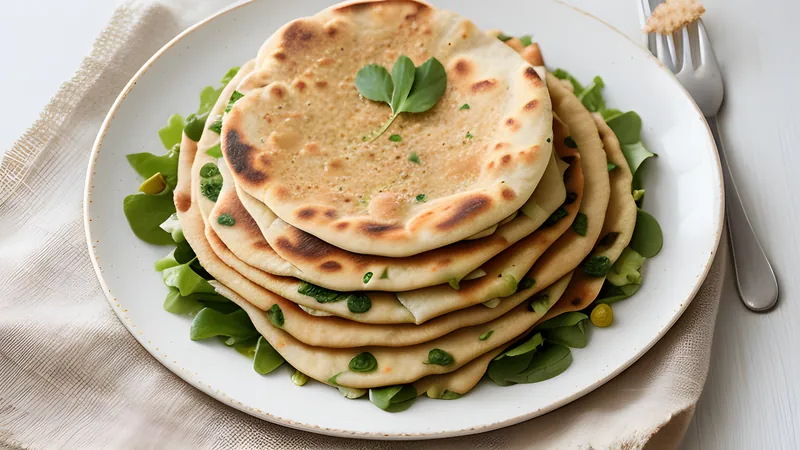
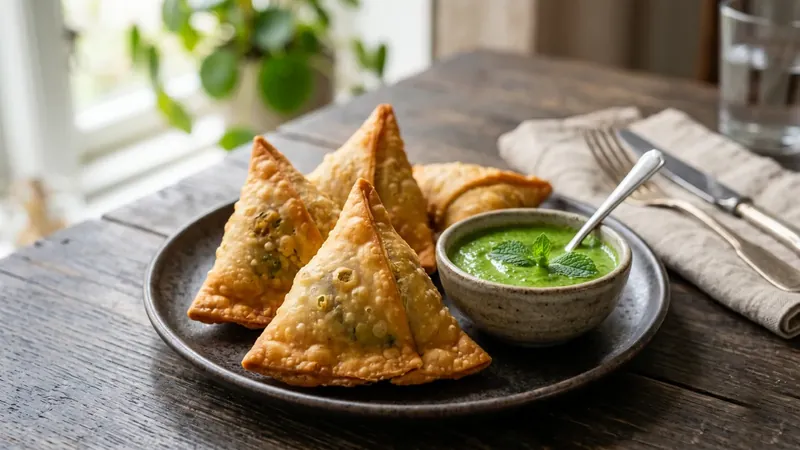
Khaman dhokla is a breakfast and teatime snack first, usually with a green coriander-mint chutney on the side even when a sugar syrup is already part of the dish. In a wider Gujarati spread it sits naturally alongside khandvi, another besan-based snack with a very different texture, and pairs well as a starter before something heartier like undhiyu. For a packed lunch or travel spread, add methi thepla alongside for something more substantial.
Storage, make-ahead and variations
Khaman dhokla is best eaten the day it’s made, while the texture is at its lightest; it keeps for two days in the fridge in an airtight container but firms up noticeably, and is best refreshed with a splash of water and a brief re-steam rather than eaten cold. It doesn’t freeze well; the sponge texture doesn’t survive thawing.
A handful of finely chopped green chilli and grated ginger stirred through the tempering oil, alongside the mustard seed and curry leaves, is a common variation that adds more heat without changing the base recipe. Some households skip the sugar syrup entirely and simply pour the hot tempering oil over the squares, which produces a plainer, more savoury dhokla; either way, don’t skip resting the batter for those ten minutes before adding the raising agent, since it lets the semolina absorb liquid and gives the finished squares a slightly firmer bite rather than a batter that’s still gritty in the centre.
Besan quality varies more than most cooks expect, and it’s worth buying from a shop with reasonable turnover rather than a jar that’s sat on a shelf for months, since older gram flour loses some of its raising capacity and can leave the finished khaman denser than it should be. Sieving it before use, as the method calls for, matters more here than in a fried batter, because any small lumps show up clearly in a finished sponge steamed at this thinness, where there’s nowhere for them to hide.
Related Content