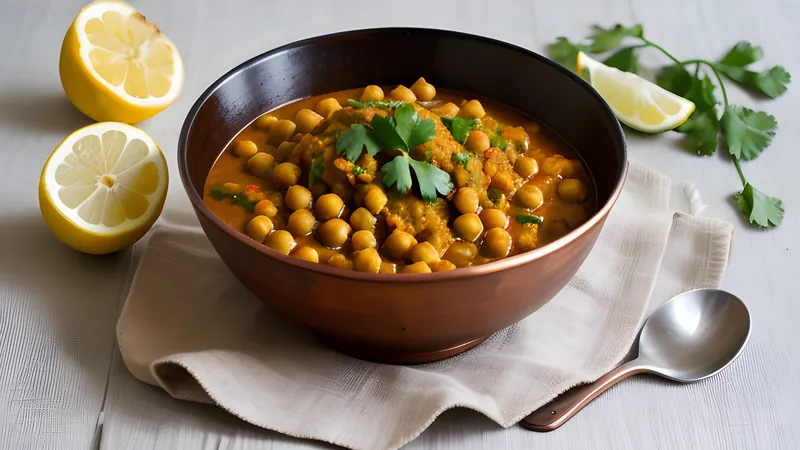
Ker Sangri: Desert Berry and Bean Curry
Dried wild berries and beans, rehydrated and fried with tamarind and dry spice
Contents
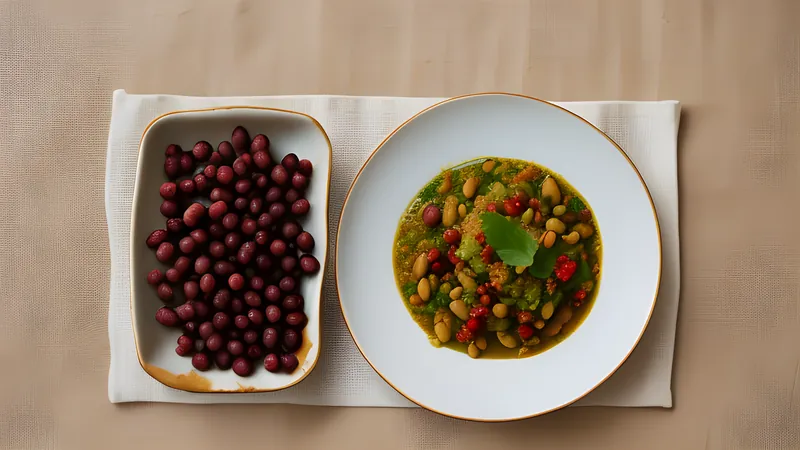
↓ Jump to recipeKer sangri is proof that a genuinely good vegetable curry does not need a single fresh vegetable. Ker are small, bitter wild berries and sangri are slender beans, both foraged from the khejri tree and hardy desert shrubs of the Thar, dried in the sun until they will keep for a year or more, then rehydrated and cooked into a dry, tangy, faintly bitter curry that tastes of nowhere else on earth. It is Rajasthan’s most distinctive vegetarian dish precisely because it grew out of a landscape where almost nothing else would grow.
Ker Sangri: Desert Berry and Bean Curry
Ingredients
- 100g dried ker berries
- 100g dried sangri beans
- 50g dried kumatiya (or extra sangri if unavailable)
- 1 litre water, for soaking
- 3 tbsp mustard oil
- 1 tsp mustard seeds
- 1 tsp cumin seeds
- Pinch of asafoetida
- 3 dried red chillies
- 1 tbsp fennel seeds
- 0.5 tsp ground turmeric
- 1 tsp red chilli powder
- 1 tsp coriander powder
- 2 tbsp tamarind pulp, diluted in 3 tbsp water
- 1 tsp dried mango powder (amchur), optional
- Salt, to taste
- 2 tbsp raisins
- 2 tbsp chopped coriander, to finish
Method
- Rinse the ker, sangri and kumatiya well under running water, then soak in the litre of water for at least 8 hours or overnight, changing the water once if possible.
- Drain and rinse the rehydrated berries and beans again, then boil in fresh water for 10 minutes until softened; drain well and set aside.
- Heat the mustard oil in a heavy pan until it just starts to smoke, then let it cool for 30 seconds off the heat to mellow its sharpness.
- Return to a medium heat, add the mustard seeds and let them pop, then add the cumin seeds, asafoetida, dried red chillies and fennel seeds.
- Add the boiled ker sangri and fry for 5-6 minutes, stirring often, until they darken slightly and smell toasted.
- Stir in the turmeric, chilli powder and coriander powder, and cook for 2 minutes, adding a splash of water if the spices catch.
- Add the diluted tamarind pulp, amchur if using, and salt, and cook for 10-12 minutes over a low heat, stirring occasionally, until the liquid has mostly evaporated and the mixture looks glossy and dry rather than saucy.
- Stir in the raisins for the final 2 minutes of cooking, so they plump slightly without turning to mush.
- Scatter with chopped coriander and serve at room temperature or gently warmed.
The Story
Ker sangri comes from the Khejri belt of Marwar and Bikaner, where the khejri tree, itself sacred to the Bishnoi community famous for protecting it at great personal cost, provides both shade and the sangri pods that fall from its branches. Ker berries grow on a separate, spiny desert shrub, and both are harvested, boiled, and sun-dried into a form that will keep through the long dry season when literally nothing fresh grows in the surrounding sand. This is subsistence cooking of the most direct kind: a curry that exists because a community refused to let a hostile landscape mean going without vegetables, foraging and preserving what it could rather than importing what it could not grow.
The taste reflects that origin. Ker has a genuine bitterness, sangri a mild earthiness, and neither is trying to taste like a familiar green bean or pea. Mustard oil, tamarind and dried mango powder do the work of rounding that bitterness into something balanced rather than harsh, and the dry, almost pickle-like finish, rather than a wet gravy, is deliberate: this is a dish designed to travel and to keep, not to be ladled fresh over rice the way a wetter curry would be.
Ker sangri rarely travels alone; it turns up as one dry, tangy element on a Marwari thali next to dal baati churma or a simple ghee-rich khichdi, its sharpness cutting through richer dishes rather than dominating the plate. It also holds a place at Rajasthani weddings and festivals precisely because it keeps for so long without refrigeration, a genuinely practical virtue in a region where large gatherings often happen a long way from a reliable cold store.
Soaking is not optional
Dried ker and sangri are genuinely tough, closer to a dried mushroom than a dried bean in how much rehydration they need, and there is no shortcut around the long soak. Eight hours minimum lets the berries and beans take on enough water to soften properly in the subsequent boil; skip ahead to cooking a poorly soaked batch and you get a curry with a chalky, undercooked centre no amount of simmering will fix later, since the spices and tamarind coat the outside faster than water penetrates the middle. If you can manage it, changing the soaking water once partway through reduces some of ker’s natural bitterness, though a little bitterness is characteristic of the dish rather than a flaw to be eliminated entirely.
Mustard oil, properly tempered
Raw mustard oil has a sharp, sinus-clearing pungency that mellows dramatically once heated past its smoke point. Heating it until it just begins to smoke, then letting it cool briefly before adding the tempering spices, burns off that raw edge and leaves a nutty, rounded flavour behind that is central to authentic Rajasthani and Bengali cooking alike. Skipping this step and adding spices to oil that has not been properly heated leaves a raw, acrid taste that no amount of tamarind will disguise. A neutral oil can substitute if mustard oil is unavailable, but the dish will taste noticeably flatter for it.
The Bishnoi and the khejri tree
The khejri tree that produces sangri is protected by centuries of local custom in this part of Rajasthan. The Bishnoi community, followers of a 15th-century reformer named Jambhoji who preached the protection of trees and wildlife as a religious duty, are famously associated with defending khejri trees from felling, most notably in the Khejarli massacre of 1730, when hundreds of villagers died trying to stop a maharaja’s men from cutting them down for a new palace. That history matters to how ker sangri is understood locally: harvesting the fallen sangri pods without damaging the tree itself is a lived, defended tradition, and the dish is inseparable from the ecology that produces it. Eating ker sangri away from Rajasthan rarely comes with that context, but it is worth knowing what sits behind the ingredients.
What can go wrong
Rushing the soak is the single most common failure. Ker and sangri that have not taken on enough water stay leathery even after the full boil, and no amount of extra simmering in the final stages will soften a piece that went into the pan still under-hydrated; if in doubt, soak longer rather than less, up to 12 hours if your kitchen runs cool.
The second failure is an unbalanced tamarind finish. Unlike sweeter regional curries, ker sangri does not use jaggery to round out the sourness, and adding too much tamarind without enough time for it to cook in leaves the dish sharp and one-note rather than layered. Add it gradually and taste as you reduce, since the flavour concentrates considerably as the liquid boils away. Overcooking once the liquid has reduced turns ker sangri mushy and loses the slight chew that is part of its appeal; take it off the heat as soon as the mixture looks glossy and dry, not before it has had a chance to develop that texture, but not much beyond it either.
Variations worth trying
Some households add a handful of thinly sliced onion, fried until golden before the ker sangri goes in, for a milder, slightly sweeter version that softens the berries’ natural bitterness further. Others finish the dish with a spoonful of thick yoghurt or buttermilk stirred through off the heat, turning the dry curry into something closer to a tangy relish, particularly good spooned over hot rice. A few Bikaneri households add a small piece of dried ginger powder (soonth) alongside the amchur for extra warmth. None of these variations is more authentic than another; ker sangri is, like most desert food, a dish of what was on hand that week, and it tolerates adaptation more readily than its short, unusual ingredient list might suggest. A related preparation, kair ki sabzi made as a pickle rather than a curry, uses the same berries mixed with mustard oil and spices but skips the tamarind-based cooking down, kept instead as a raw or lightly cooked relish that lasts for months in a sealed jar; it is a different dish from the one here, but shares the same base ingredients and the same logic of preserving desert produce for the long term. Ker sangri has become more available outside Rajasthan in recent years through specialist online grocers selling the dried berries and beans in sealed packets, which has made the dish reproducible well beyond its native desert for the first time, even as it remains a minority dish outside Marwari and Bishnoi households compared with ubiquitous curries like dal makhani or chana masala.
Substitutions, storage and serving
Kumatiya, a third dried desert bean sometimes added to the mix, can be hard to find outside specialist Indian grocers; simply increase the sangri quantity to compensate if it is unavailable. Some specialist shops now sell a pre-mixed dried ker sangri pack that takes the guesswork out of proportions; check the packet for a recommended soaking time, since drying methods vary between suppliers and can affect how long the pulses need in water. Ker sangri genuinely improves with a day or two in the fridge as the tamarind and spices penetrate further into the rehydrated beans, and it keeps well for up to five days, eaten cold or warmed through. It also travels unusually well for a curry, another echo of its origins as food made to last.
Serve it as a side alongside dal baati churma for a full Marwari plate, or with the gram-flour dumplings of gatte ki sabzi for a spread that leans entirely on the region’s dried, shelf-stable pantry rather than fresh produce. A wedge of raw onion and a stack of warm rotis are really all it needs beyond that; this is not a dish that wants a crowded table, and the sharpness of the tamarind and mustard oil comes through best against something plain.
Related Content