Kelewele: Ginger and Chilli Fried Plantain
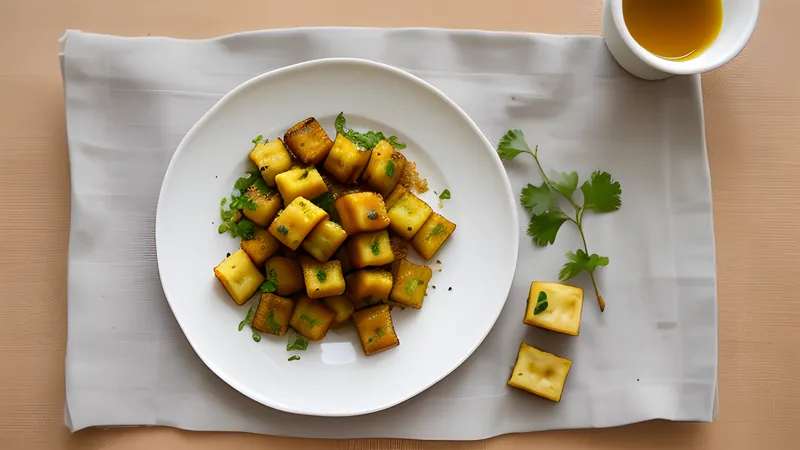
Overripe plantain cubed, marinated hot with ginger and cloves, then fried dark and sticky
Contents
↓ Jump to recipeKelewele: Ginger and Chilli Fried Plantain
Ingredients
- 4 very ripe (mostly black-skinned) plantains, peeled and cut into 2cm cubes
- 4cm fresh ginger, peeled and grated
- 3 cloves garlic, grated
- 1-2 scotch bonnet chillies, finely minced, to taste (or 1 tsp cayenne)
- 1 tsp ground cloves
- 1/2 tsp ground nutmeg
- 1 tsp salt
- 1 tsp sugar, optional (only if plantains aren't fully ripe)
- 2 tbsp water, to loosen the marinade
- 500ml vegetable or groundnut oil, for deep-frying
Method
- In a bowl, mix the grated ginger, garlic, minced chilli, cloves, nutmeg and salt with the water to make a loose paste.
- Add the plantain cubes and toss thoroughly by hand until every piece is coated in the marinade. Let sit for 15-20 minutes at room temperature so the flavours penetrate — longer marinating (up to an hour) gives a more deeply flavoured result.
- Heat the oil in a deep, heavy pot to 170-175C.
- Fry the plantain in batches, in a single uncrowded layer, for 4-5 minutes per batch, turning once or twice, until deep golden-brown to dark amber with slightly charred edges.
- Remove with a slotted spoon and drain on a wire rack or kitchen paper.
- Serve hot, ideally within minutes of frying, while the marinade's spice coating is still audibly crisp at the edges.
Ripeness is not optional
Kelewele demands plantain at the very edge of what most people would call overripe: skin mostly or fully black, flesh soft enough to yield under light finger pressure, and noticeably sweet rather than starchy. This is the single most common reason home cooks outside Ghana get disappointing results — using a plantain that’s still yellow-green, at the stage suited to tostones or plain fried plantain, gives you a starchy, bland cube that the ginger-chilli marinade can’t rescue. Kelewele’s whole appeal rests on the contrast between that concentrated natural sweetness, developed as the plantain’s starches convert to sugar during ripening, and the aggressive heat and warmth of ginger, chilli and clove in the marinade. If your plantains look too green, they aren’t ready yet; let them sit at room temperature, out of the fridge, for several more days until the skin blackens.
Street food with a specific evening identity
Kelewele belongs to Ghana’s evening street food economy in a very specific way — it’s sold from dusk onward, typically by women frying to order over charcoal or gas burners set up on busy roadsides and near lorry stations, the smell of ginger and hot oil carrying for a block in either direction. University campuses in Accra and Kumasi have particularly strong kelewele traditions, with student-favourite sellers building loyal followings around their specific spice ratios, some leaning heavier on ginger, others pushing the chilli further. It’s overwhelmingly an after-dark food; kelewele made and eaten at midday exists, but the dish’s cultural association is firmly with evening hunger, the specific craving for something sweet, hot and substantial after a full day, sold in paper cones you eat standing at the roadside stall itself rather than carrying home.
The marinade is the whole dish
Unlike many fried snacks where seasoning is an afterthought sprinkled on after cooking, kelewele’s identity comes entirely from what happens before the plantain touches oil. Fresh ginger and garlic, grated rather than minced, release more juice directly into the marinade and coat the plantain surface more evenly than chopped versions would. Ground cloves are the ingredient most recipes outside Ghana skip or underuse, and it’s a mistake — clove’s warm, slightly medicinal sharpness is as central to kelewele’s flavour as the ginger heat, giving the dish a spiced, almost mulled-fruit note underneath the chilli. Nutmeg plays a smaller supporting role, rounding out the clove rather than competing with it. Skimping on either spice in favour of more chilli heat alone misses what actually makes kelewele distinctive among fried plantain dishes across West Africa.
Getting the fry right
Oil temperature matters as much here as with any other fried food, but kelewele has an added complication: the sugar in fully ripe plantain caramelises and can scorch quickly if the oil runs too hot. At 170-175C, the plantain cubes develop a deep golden-to-amber colour with slightly charred, caramelised edges over four to five minutes — that char is desirable and expected, distinct from burning, which would taste bitter rather than deeply sweet. Frying in a single uncrowded layer per batch is worth the extra time it takes; crowded plantain steams in its own released moisture rather than frying, and never develops the sticky, slightly crisp exterior that makes good kelewele so more-ish.
Method notes
Marinating time is flexible and forgiving in a way frying temperature isn’t — fifteen minutes gives a good, distinctly flavoured result, but leaving the plantain to marinate for up to an hour in the fridge, covered, deepens the flavour considerably as the ginger and chilli have longer to penetrate the flesh rather than sitting only on the surface. Don’t marinate significantly longer than that, though; the salt in the mixture will start drawing out enough moisture from the plantain to make it waterlogged and harder to fry crisp. Pat the marinated cubes very lightly with a paper towel just before frying if they look excessively wet, without wiping off the spice coating itself.
Tips for balance
Taste your marinade paste on its own, on a spoon, before it goes anywhere near the plantain — it should taste aggressively spiced, almost too strong to eat on its own, since the mild sweetness of the plantain will mellow it considerably once cooked. If your plantains are ripe but not quite at maximum sweetness, a small pinch of sugar added to the marinade closes that gap; skip it entirely for very black, fully ripe fruit, which needs no help. Salt levels should stay moderate — kelewele is meant to read primarily as sweet-hot-warm rather than salty, and over-salting flattens the spice profile rather than lifting it.
Substitutions
Fresh ginger and garlic give a noticeably brighter, more pungent result than ground/powdered versions, and are worth the extra minute of grating; if only ground spice is available, use about a third of the volume, since dried spices concentrate considerably more than fresh. Scotch bonnet is traditional for its specific fruity heat, but any hot fresh chilli, or even a good pinch of cayenne, works as a substitute if scotch bonnet isn’t available locally. For a version with more substance, some Ghanaian street vendors toss the fried plantain cubes with roasted, unsalted peanuts just before serving, adding crunch and a savoury counterpoint to the sweet-spiced fruit.
Storage and reheating
Kelewele is at its best eaten within the hour it’s fried — the marinade’s spiced coating loses its crisp edge quickly once it sits, and refrigeration accelerates that further. Leftovers keep for up to two days in the fridge but are genuinely a different, softer eating experience reheated; an air fryer or hot oven brings back some crispness far better than a microwave, which turns the exterior soft and slightly steamed. Freezing raw marinated (unfried) plantain works reasonably well for up to a month if you want to prep ahead — thaw fully and pat dry before frying, since ice crystals will make the oil spit dangerously if the plantain goes in still partly frozen.
Judging ripeness by more than colour
Skin colour is the most obvious ripeness signal, but touch matters just as much. A plantain that looks fully black can still have a firm, underripe core if it ripened unevenly — press gently along its length and look for consistent give throughout, not just softness near the tips. Plantains that ripen unevenly (common with fruit that’s been refrigerated partway through the process, which stalls ripening and can leave a permanently starchy patch) are worth cutting open to check before committing a whole batch to the marinade; a plantain with a hard, pale, pithy centre under black skin won’t soften further no matter how long you fry it. If you’re buying plantain specifically for kelewele and only green or yellow ones are available, factor in three to five days of counter-ripening before you can cook, longer in cooler weather.
Serving
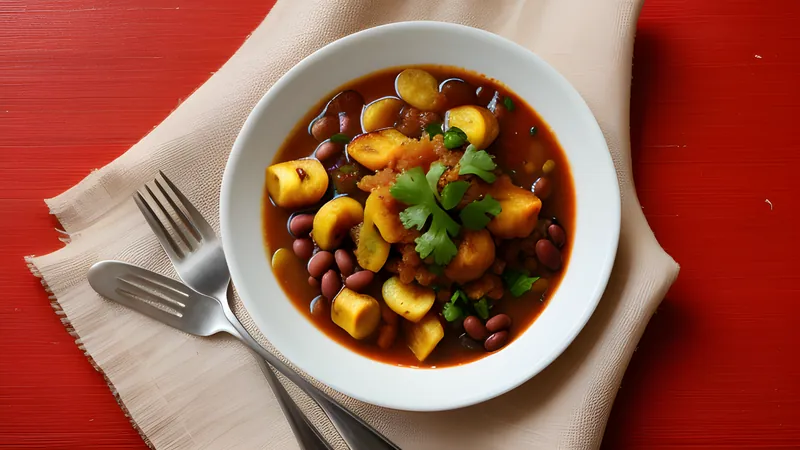
Kelewele is classically sold as street food in the evening across Ghana, scooped into paper cones and often topped with roasted peanuts or groundnuts, eaten as a standalone snack rather than a side dish. At home, it works equally well alongside a main course — it’s a common accompaniment to waakye in place of the plainer fried plantain a full waakye plate usually carries, and it pairs naturally with red red for a double dose of sweet fried plantain against a savoury, palm-oil-rich bean stew.
How kelewele differs from other fried plantain dishes
West and Central Africa have dozens of fried plantain traditions, and it’s worth being precise about what sets kelewele apart. Tostones and their many regional cousins use unripe, starchy green plantain, smashed flat and fried twice for a crisp, savoury chip — the opposite end of the ripeness spectrum entirely. Simple sweet fried plantain, common as a side across Nigerian and Cameroonian tables, uses ripe fruit like kelewele does but skips the marinade, frying plain slices in oil with nothing more than a little salt. Kelewele’s specific innovation is the wet spice marinade applied before frying — the ginger, clove, chilli and garlic paste that coats the fruit and partially caramelises against the hot oil, creating a distinct spiced crust that neither tostones nor plain fried plantain have. It’s this marinade step, more than the ripeness or the cube shape, that makes kelewele a genuinely different dish rather than a regional variant of the same technique.
A note on cube size
Cutting the plantain into roughly even 2cm cubes isn’t just about presentation — consistent sizing means every piece marinates and fries at the same rate, so you’re not pulling some cubes out done while others are still raw in the centre. Larger chunks take noticeably longer to cook through and are more prone to browning heavily on the outside before the middle softens fully; smaller pieces than 2cm risk drying out and turning tough rather than staying soft and slightly sticky inside their crisp shell. If your plantains are unevenly shaped, as very ripe fruit often is, err toward cutting the thicker sections a touch smaller so the whole batch finishes frying within the same few minutes.
Pairing kelewele with drinks and other snacks
Because kelewele leans sweet and hot rather than salty, it pairs particularly well against something cold and slightly bitter — a chilled beer is the classic Ghanaian street-food pairing, cutting through the fried richness and resetting the palate between handfuls. Roasted or spiced peanuts, sold by the same evening street vendors, are the other near-universal accompaniment, tossed through the finished plantain or served in a separate small twist of paper alongside it. If you’re serving kelewele at home as part of a larger spread rather than as a standalone snack, keep the other dishes on the table relatively mild — kelewele’s concentrated ginger and clove punch is distinct enough that it can get lost, or clash, next to another heavily spiced dish rather than complementing it.
Why texture, not just flavour, tells you it’s done
A well-fried batch of kelewele should have three distinct textural zones on a single cube: a slightly charred, sticky-caramelised exterior where the marinade’s sugars have browned hardest against the oil; a firmer, deeply spiced layer just beneath that; and a soft, almost custardy centre where the plantain’s natural sweetness hasn’t been touched by direct heat at all. Pulling the batch too early skips that outer caramelisation and leaves the marinade tasting raw and sharp rather than mellowed by the fry; leaving it in too long pushes the char past pleasantly bitter-sweet into genuinely burnt, and because ripe plantain’s sugar content is so high, that line arrives faster than most other fried foods. Listen as much as you watch — a batch nearing done makes a slightly different, quieter crackle than the sharp, wet hiss of the first minute, and that shift in sound is often a more reliable cue than colour alone under artificial kitchen lighting.
Related Content